Like
Share
멍실장
강아지 소변 배양 검사 증상과 원인, 진단·치료와 관리 포인트 총정리

Dog Urine Culture Test: Symptoms, Causes, Diagnosis, Treatment, and Care Essentials

UrinaryDiseasesMeongsiljang Veterinary Advisory Board

A urine culture test for dogs is a key diagnostic tool that accurately identifies the bacteria causing urinary tract infections. With an accurate diagnosis, effective antibiotic treatment becomes possible.

What Is a Dog Urine Culture Test?
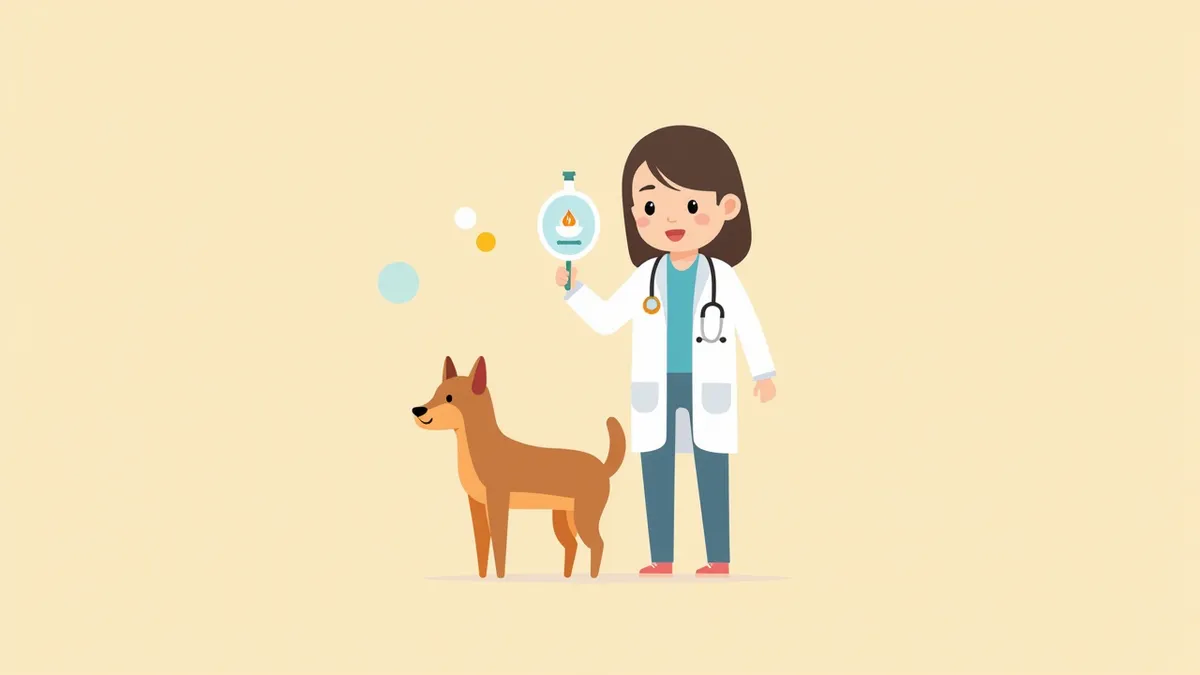
A veterinarian holding a sterile urine collection kit and a culture plate.
A urine culture test is a key diagnostic tool for accurately identifying the bacteria causing urinary tract infections in dogs. The process involves collecting urine under sterile conditions, culturing it to determine which bacteria are present, and testing which antibiotics are effective. This test can even detect antibiotic-resistant bacteria that a routine urinalysis might miss. Because pinpointing the exact cause significantly improves treatment success, this test is essential for recurrent or hard-to-treat urinary tract infections.

Main Causes of Positive Urine Culture Results
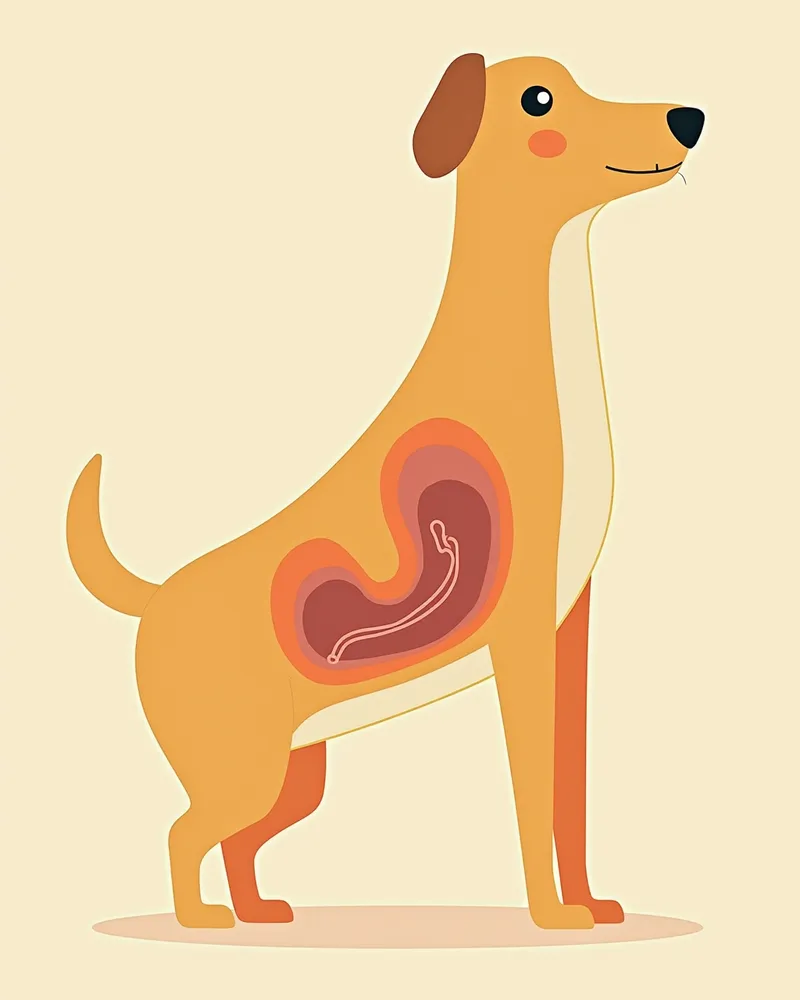
A positive result on a dog’s urine culture is most commonly caused by a urinary tract infection. The most typical causative bacteria include Escherichia coli, Staphylococcus, Proteus, Enterococcus, and Streptococcus, while Klebsiella and Pseudomonas may also be detected. Risk factors that increase the likelihood of infection include diabetes mellitus, immunosuppression, hyperadrenocorticism, urinary tract tumors, indwelling urinary catheters, and dilute urine resulting from kidney or liver disease. Urinary stones are also a major risk factor. Additionally, improper results can occur due to external contamination if the urine sample is stored for too long or not collected under sterile conditions. Therefore, sterile collection is essential for accurate diagnosis.
Diagram of the canine urinary tract, highlighting areas at risk for infection

Key Symptom Checklist

The main symptoms that indicate your dog needs a urine culture test are listed below. If these symptoms recur or worsen, please visit a veterinary clinic immediately. Frequent urination (pollakiuria): Your dog goes to the bathroom often but passes only small amounts of urine. Painful urination (dysuria): Your dog whines in distress or strains while urinating. Hematuria: Blood is present in the urine, giving it a red or brown appearance. Unpleasant odor: The urine has a very strong and unusual smell. Systemic symptoms: Your dog may become lethargic or experience vomiting. Loss of appetite: Your dog eats less and may lose weight.
A dog struggling to urinate in the bathroom

Criteria for Immediate Veterinary Visit

If your dog is unable to urinate at all (anuria) or shows severe pain and distress while trying to urinate, you should seek veterinary care immediately. This could indicate a urinary tract obstruction, which can be life-threatening. Additionally, if your dog appears lethargic, collapses, or completely loses its appetite, these are also emergency situations. Since urine samples that are not collected under sterile conditions can make accurate culture-based diagnosis difficult, it is essential to have the test performed under the guidance of a veterinarian to ensure reliable results.

Diagnostic Procedures and Methods
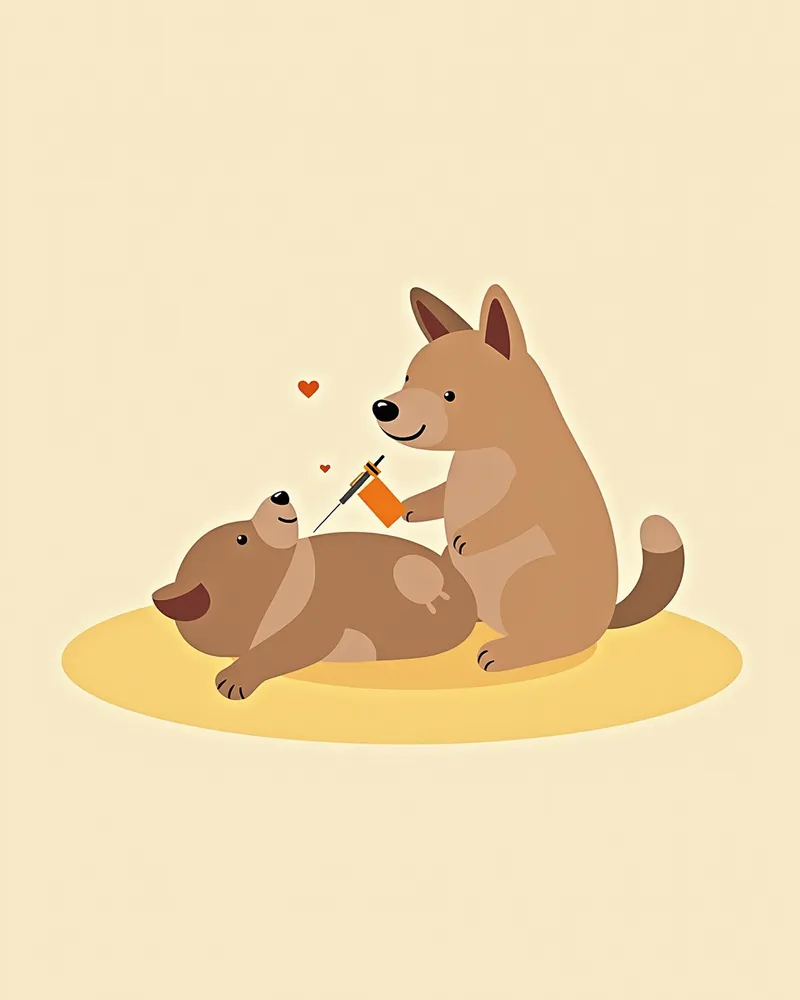
The key to a reliable urine culture in dogs is collecting the sample under sterile conditions. This is typically done either by inserting a catheter into the urethra (urethral catheterization) or by directly puncturing the bladder with a sterile needle (cystocentesis). Cystocentesis is the most recommended method for culture and susceptibility testing because it minimizes the risk of contamination from the lower urinary tract. However, samples obtained via catheter or free-flowing urination may be contaminated, so their results must be interpreted with caution. The collected urine should be sent for culture as quickly as possible, and the results—including the specific pathogen and its antibiotic susceptibility profile—are usually available within a few days. This information allows for targeted, personalized treatment.
A veterinarian collecting urine using the bladder aspiration method.

Step-by-Step Treatment Guide

Antibiotic treatment is determined based on your dog’s urine culture results. The most important step is selecting an antibiotic that matches the culture and susceptibility test findings. The duration of treatment is set by your veterinarian depending on the type of bacteria and your dog’s condition, with the goal of using the shortest effective course. Please complete the full prescribed course even if symptoms disappear, and do not stop the medication prematurely. In cases of asymptomatic bacteriuria, antibiotics are generally not recommended, so the decision to treat is made by considering both clinical signs and test results. During treatment, encourage adequate water intake and clean the litter box or potty area frequently. After treatment, a follow-up culture test is performed to confirm that the infection has been completely eradicated. Overuse of antibiotics can lead to resistant bacteria, so it is essential to administer them exactly as directed by your veterinarian.
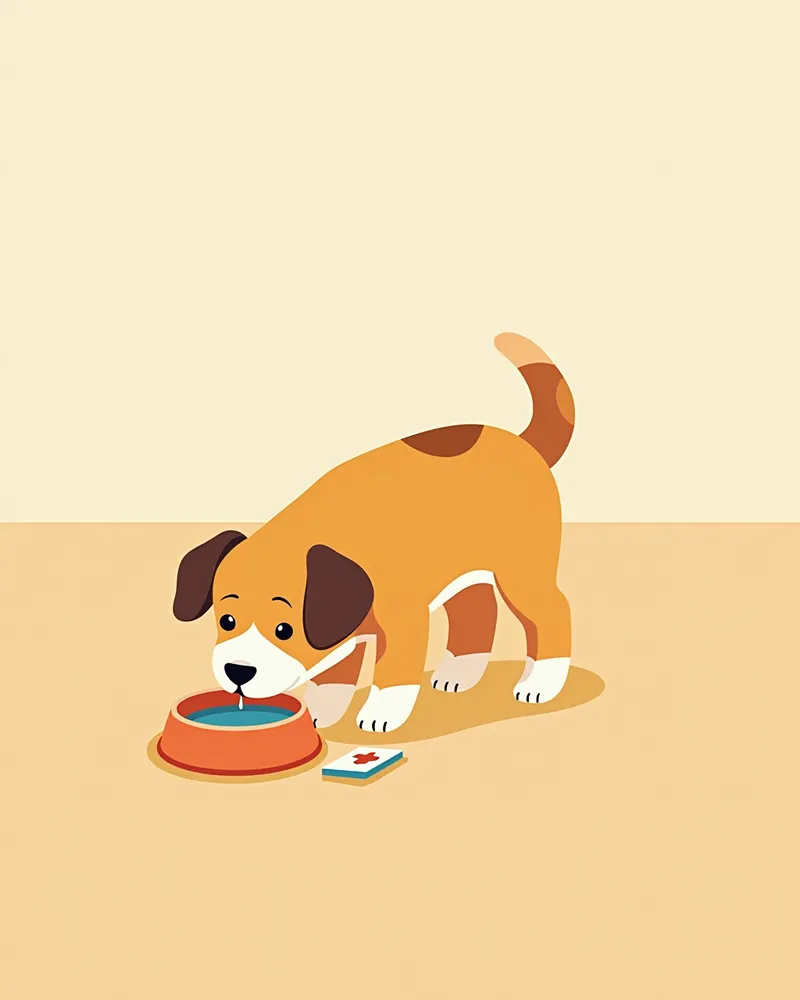
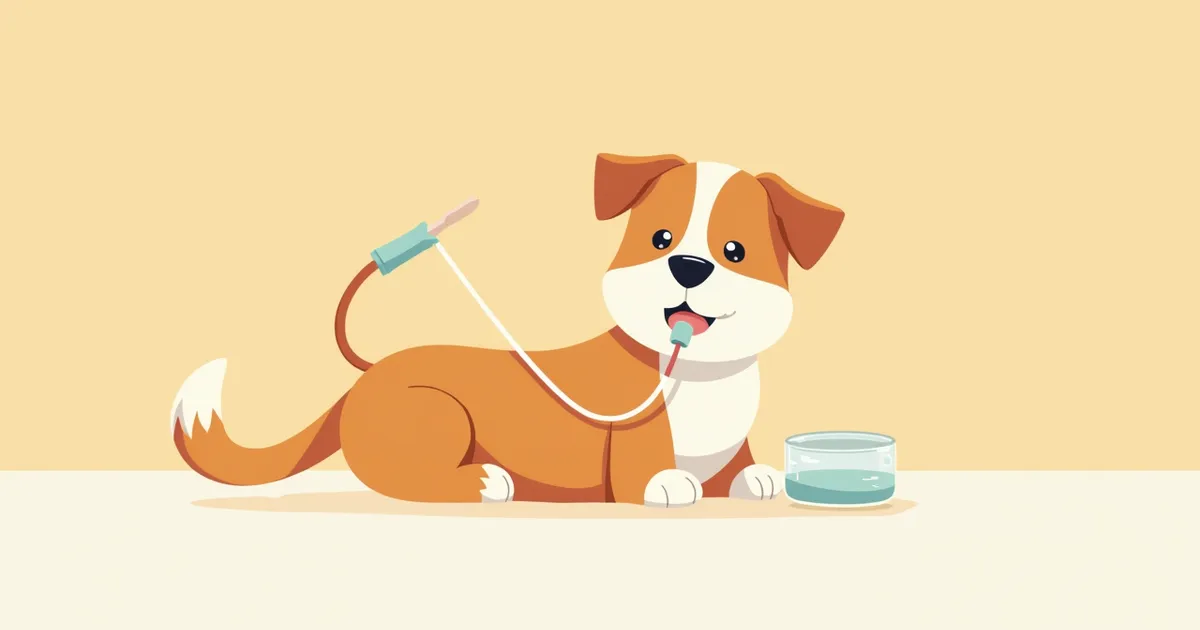
A puppy drinking water while taking medication prescribed by a veterinarian.

Home Care Essentials

After your dog’s urine culture test, proper care at home is essential. First, keep the litter box or potty area clean and empty it frequently. Encourage your dog to drink plenty of water to help dilute the urine. During treatment, administer medication exactly as prescribed and avoid stopping it prematurely. To prevent recurrence of urinary tract infections, minimize stress and provide regular walks and exercise. Dietary management is also important; choose a diet that supports urinary tract health.
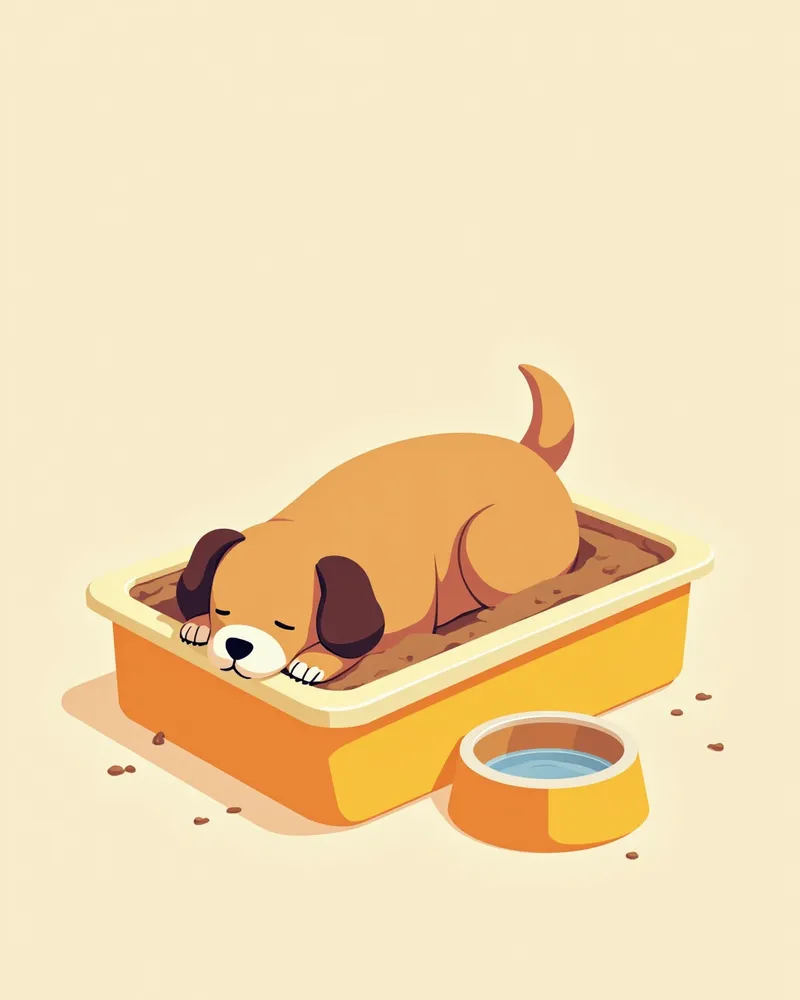
A puppy resting comfortably in a clean bathroom environment with access to fresh drinking water.

Preventing Recurrence and Breed Considerations

Certain breeds are known to have a higher risk of developing urinary tract stones. In practice, stones are often associated with breed, but which breeds are at greater risk depends on the individual animal and the type of stone. In contrast, there is limited evidence to support breed-specific susceptibility to infections themselves. If recurrent infections occur, it is important to check for underlying conditions such as abnormalities in urinary tract structure, urinary stones, or tumors. To prevent recurrence, it is essential to manage risk factors while continuing regular urinalysis and veterinary check-ups. Antibiotics must be used strictly under veterinary guidance, as excessive use can lead to antibiotic-resistant bacteria.

Reviewed by a veterinarian

Dr. Tony — Punnawat Phongkittirak

Dr. Tony — Punnawat Phongkittirak

Veterinarian

A veterinarian who majored in veterinary medicine at Khon Kaen University, Thailand, and completed the IVSA program at North Carolina State University in the United States. Drawing on clinical experience at animal hospitals, he works in the pet healthcare field and is dedicated to building a digital care environment that connects pet parents with veterinarians.

Frequently Asked Questions

Why must urine samples for culture be collected under sterile conditions?
If external bacteria contaminate the sample, it can lead to inaccurate results. Aseptic collection ensures that only the true causative bacteria of the urinary tract infection are identified. Since urine collection is prone to urethral contamination, we recommend cystocentesis, which involves using a sterile needle to directly draw urine from the bladder.
How long does it take to get the results of a urine culture test?
Results are typically available within one to two days, though some clinics offer faster testing options. The report will include the specific pathogen identified along with its antibiotic susceptibility profile.
Should I have my pet tested again even though the symptoms have disappeared after taking antibiotics?
Yes, even if the symptoms have disappeared, a follow-up test is necessary to confirm that the infection has been completely eradicated. Otherwise, the risk of recurrence increases. In particular, stopping the prescribed antibiotics prematurely can lead to the development of antibiotic-resistant bacteria.
If my dog isn't urinating, is a urine culture test possible?
Inability to urinate may indicate a urinary tract obstruction, which is a medical emergency. Immediate veterinary care is required, and diagnostic testing can be performed via cystocentesis—collecting urine directly from the bladder using a sterile needle. Because this condition can be life-threatening, prompt intervention is essential.
Are there any special precautions to follow after a urine culture test?
It’s important to administer antibiotics as prescribed, ensure your pet drinks plenty of water, and clean the litter box frequently. Regular check-ups are also recommended to help prevent recurrence. Additionally, take care to follow proper urine collection techniques to avoid sample contamination.

Share

Related Guides

References

[1] Sørensen, T.M., Jensen, A., Damborg, P. et al. (2016). Evaluation of different sampling methods and criteria for diagnosing canine urinary tract infection by quantitative bacterial culture. Vet. J. 216: 168–173.

[2] Manfredi, S., Gnudi, G., Miduri, F. et al. (2014). Diagnostic and therapeutic cystocentesis in dogs and cats: considerations. Crit. Care 12: 183–187.

[3] Plumb's Veterinary Drug Handbook, 9th ed. (2022). Wiley-Blackwell. Chapter on Urinary Tract Infections and Antibiotic Selection.

This information is based on veterinary literature and does not replace diagnosis or treatment. Please consult a veterinarian for specific health concerns.

Metapet Co., Ltd. | CEO: Park Sung-yong | Business Reg. No. 417-88-02562 | Seoul, South Korea | Customer Center

Dog Urine Culture Test: Diagnosis, Treatment & Care | Meongsiljang