
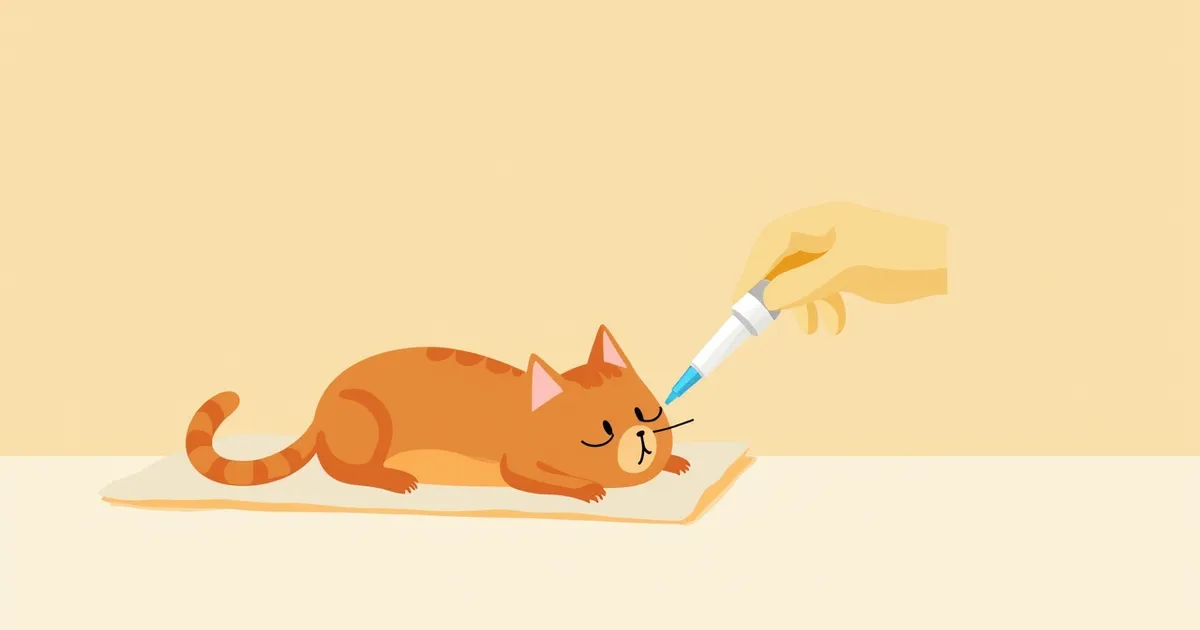
Why Is Giving Eye Drops to Cats So Difficult? — How to Administer Without Resistance and Post-Administration Care
Administering eye drops to cats requires a precise technique, as improper application can reduce treatment effectiveness. It’s important to familiarize yourself with the correct procedure and care methods.
Administering Eye Drops to Cats Requires Precise Technique
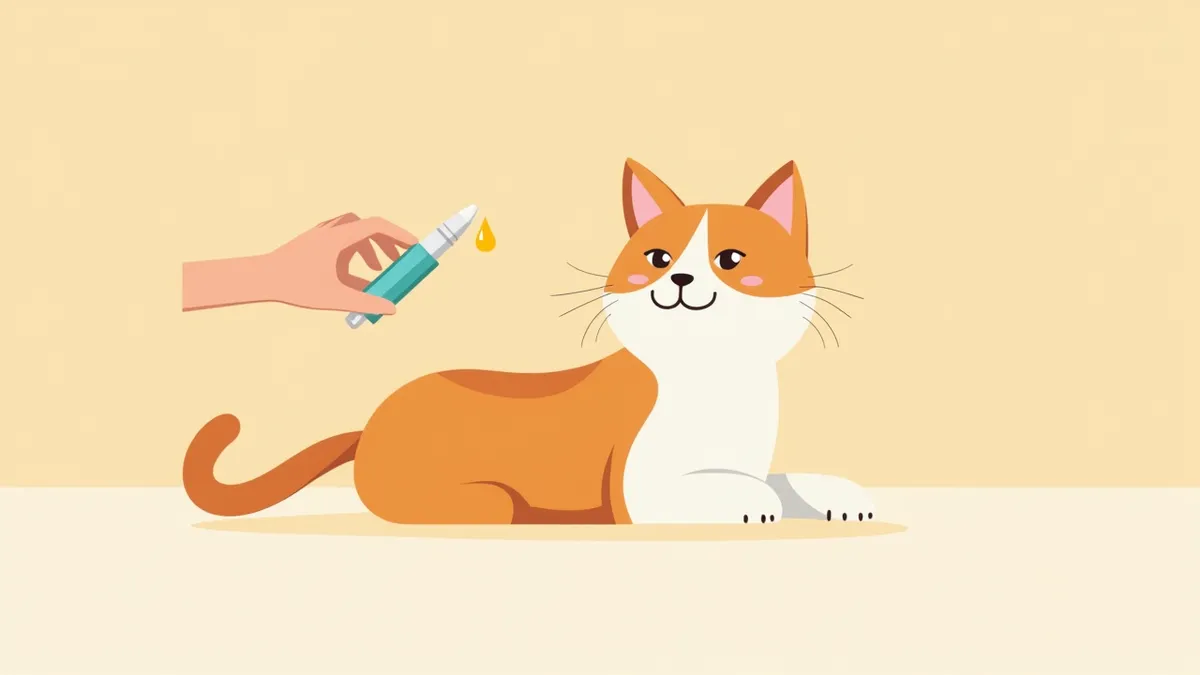
The Main Reasons Eye Drops Are Needed Are Eye Diseases and Infections

Check for Key Symptoms and Signs When Administering Eye Drops

Emergency Signs Requiring Immediate Veterinary Visit
If your cat’s eyes suddenly turn red, tear up excessively, or if they keep their eyes tightly shut and refuse to move, you should take them to the vet immediately. These symptoms could indicate corneal damage, an acute glaucoma attack, or internal eye bleeding. Delaying treatment can lead to vision loss, so prompt action is essential.
How to Administer Eye Drops: Beginner vs. Expert
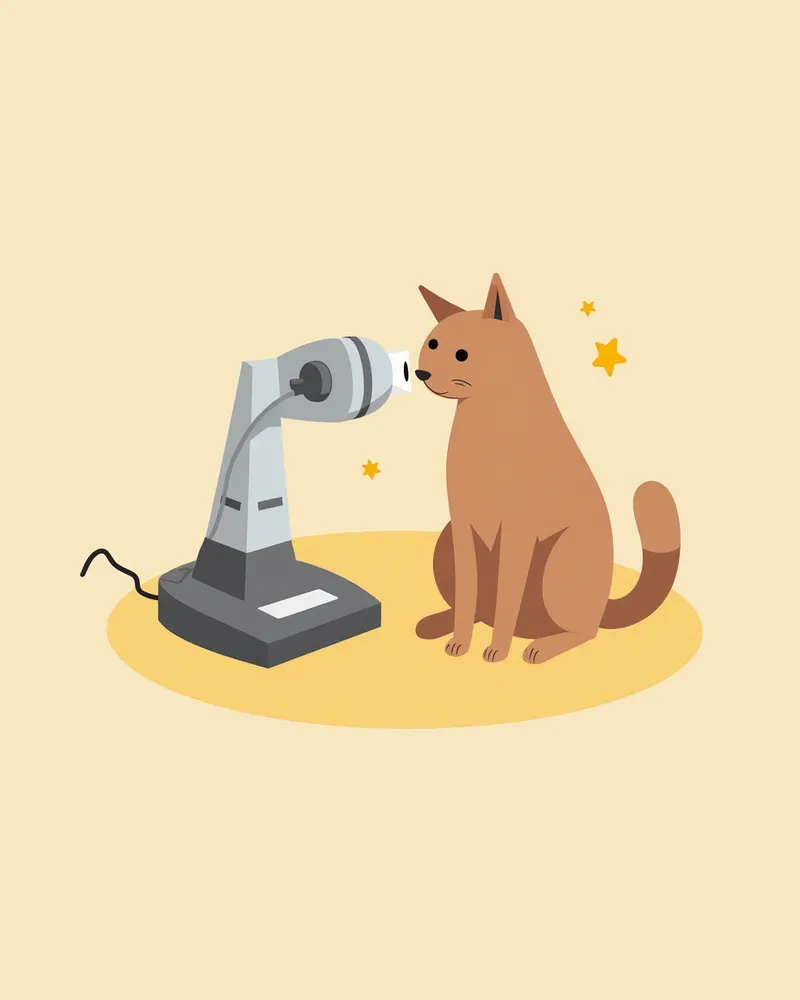
Comparison of Eye Drop Administration Methods: Beginner vs. Professional
| Item | Beginner Method | Expert Method |
|---|---|---|
| How to restrain the cat | Holding by hand | Working with an assistant |
| Location of drug administration | Dropping onto the eye | Precisely dropping inside the lower eyelid |
| Post-administration handling | Leaving it alone | Gently closing the eye |
| Observing the response | None | Checking the response after 1–2 minutes |
The expert method is effective for increasing drug absorption and reducing stress.
Follow the Eye Drop Administration Method for Each Treatment Stage
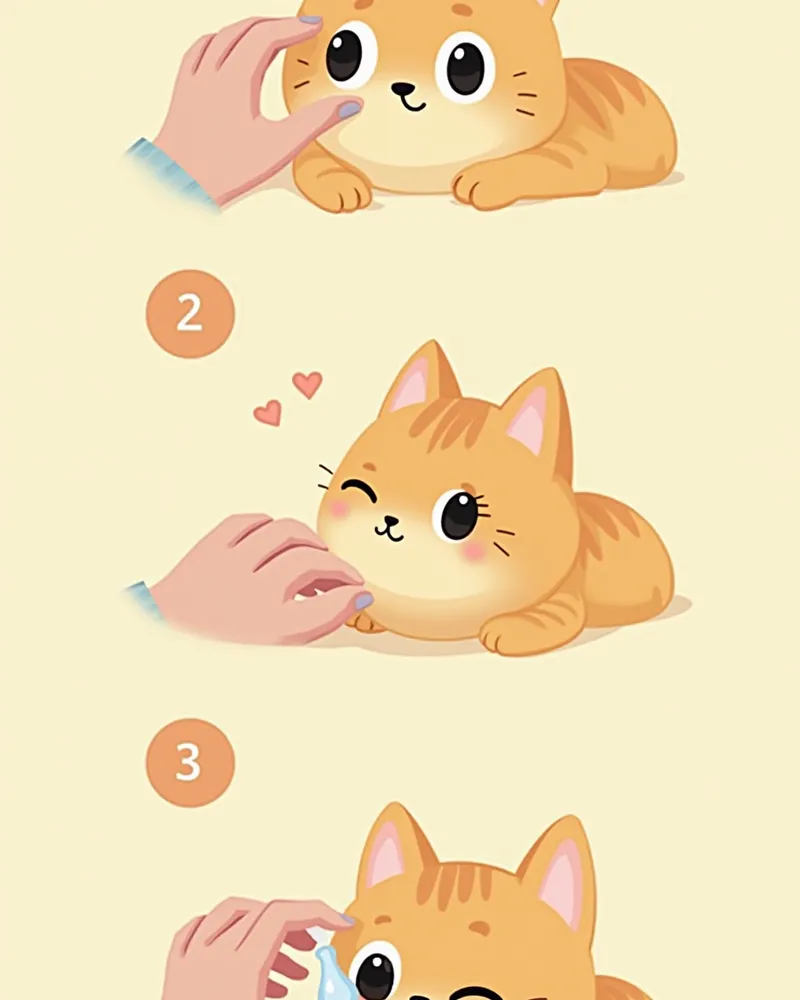
Be Sure to Follow Home Care and Administration Tips

Breed-Specific Precautions and Tips to Prevent Recurrence in Cats
Brachycephalic cats with short muzzles, such as Persians, Black Persians, and British Shorthairs, are particularly susceptible to corneal diseases. Corneal melanosis (corneal sequestrum), a condition exclusive to cats, occurs more frequently in brachycephalic breeds. Therefore, it is important to keep the area around their eyes clean and seek veterinary care promptly if you notice abnormalities such as black spots, pain, or excessive tearing. Additionally, arbitrarily discontinuing eye medication can lead to recurrence, so please continue to follow your veterinarian’s instructions for management even after the treatment period has ended.
Reviewed by a veterinarian

Dr. Tony — Punnawat Phongkittirak
VeterinarianA veterinarian who majored in veterinary medicine at Khon Kaen University, Thailand, and completed the IVSA program at North Carolina State University in the United States. Drawing on clinical experience at animal hospitals, he works in the pet healthcare field and is dedicated to building a digital care environment that connects pet parents with veterinarians.
Reviewed 2026-06-02
Frequently Asked Questions
What should I do if my cat keeps moving while I’m trying to administer eye drops?
What should I do if my pet’s eyes become redder after applying eye drops?
What should I do if I miss a dose of eye drops?
How should I choose the tool for administering eye drops?
How is the frequency of administering eye drops determined?
Share
Related Guides

Top 5 Dog Tear Supplements Recommended for 2026

What is Lutein? Effects on Dog Eye Health

The Best Canine Uveitis Management Products and Selection Criteria: A Comprehensive Guide
Are Poor Liver Values in Dogs Dangerous? Recovery Potential and Management Through Prognostic Indicators

Liver Tumors in Dogs? — From Primary and Metastatic Symptoms to Diagnosis and Treatment
Diagnosed with a Liver Cyst in Your Dog — Warning Signs and Treatment Timing

If Your Dog Is Constantly Lethargic and Has a Fever — Signs of a Liver Abscess and When to Go to the Vet

My Dog’s Liver Enzymes (ALT/ALP) Are High — Causes and Signs It’s Time to See the Vet

If Your Dog Is Gradually Losing Weight and Lacking Energy — Symptoms of Chronic Hepatitis and Lifelong Dietary Management
Canine Cholecystitis and Gallbladder Disease: Symptoms, Causes, Diagnosis, Treatment, and Management Essentials
References
[1] Featherstone, J.G. and Heinrich, C.L. (2013). Ophthalmic examination and diagnostics. Part 1: the eye examination and diagnostic procedures. In: Veterinary Ophthalmology, 5e (ed. K.N. Gelatt, B.C. Gilger and T.J. Kern), 533–613. Wiley Blackwell.
[2] Feline Emergency and Critical Care Medicine, 2nd Ed. (2022). Chapter 8: Ophthalmic Emergencies. Elsevier.
[3] The Cat, Clinical Medicine and Management, 2nd Edition (2021). Section 12: Ocular Pharmacology and Topical Therapy. Elsevier.