Like
Share
멍실장
강아지 타우린 결핍 심근병증 증상과 원인, 진단·치료와 관리 포인트 총정리

If Your Dog’s Food Is Threatening Their Heart — Warning Signs of Taurine-Deficient Dilated Cardiomyopathy

HeartDiseasesMeongsiljang Veterinary Advisory Board

Taurine-deficient dilated cardiomyopathy in dogs is a condition in which the heart muscle weakens and enlarges due to insufficient taurine, making early detection and proper supplementation crucial.

What Is Taurine-Deficient Dilated Cardiomyopathy in Dogs?
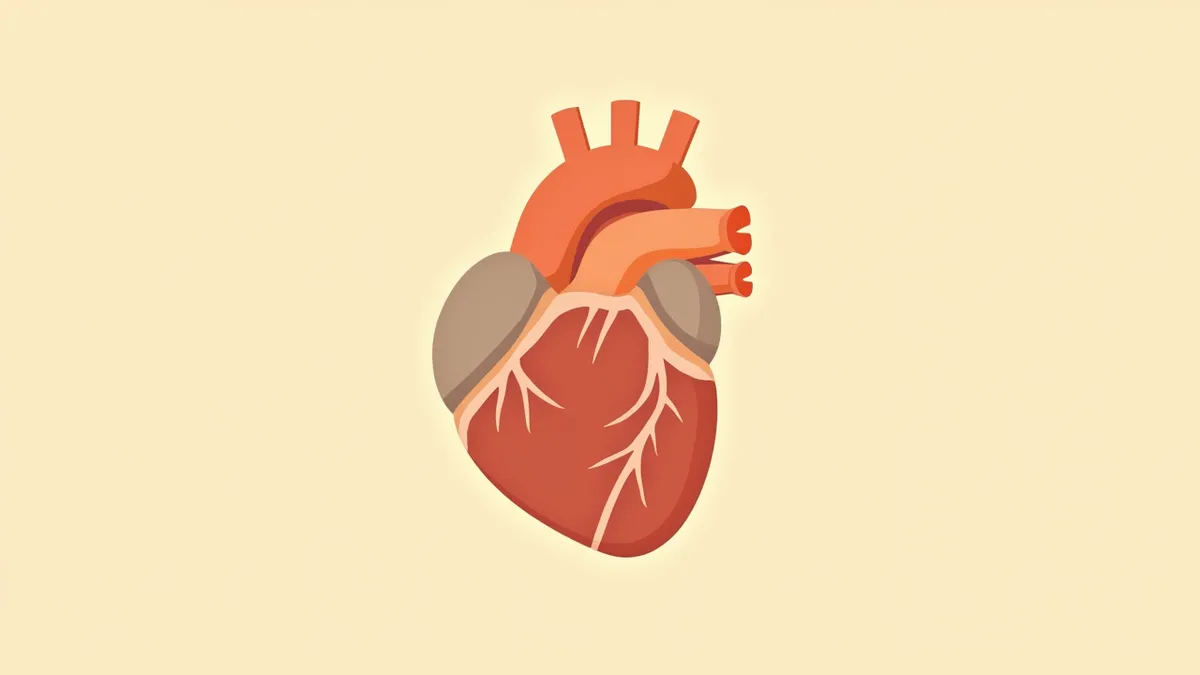
A dog's heart structure with weakened and dilated cardiac muscle
Taurine-deficient dilated cardiomyopathy in dogs is a heart condition in which the heart muscle weakens and the left ventricle enlarges due to a deficiency of the amino acid taurine. As the heart muscle weakens, it cannot pump blood efficiently, reducing blood flow throughout the body and impairing overall heart function. However, taurine is not an essential amino acid that dogs must obtain solely from external sources, and most studies indicate that taurine deficiency is not a common cause of dilated cardiomyopathy in dogs. That said, certain breeds, such as American Cocker Spaniels and Golden Retrievers, tend to have lower blood taurine levels, making them more susceptible to taurine-deficient cardiomyopathy. Early detection is key to improving treatment success, but initial symptoms are often subtle and easy for pet owners to overlook. If heart function worsens, it can lead to heart failure or sudden death. Taurine plays a vital role in maintaining normal heart muscle function.

What Are the Main Causes?

Taurine-deficient cardiomyopathy in dogs is linked to low blood taurine levels in certain breeds. Interestingly, the taurine content in dog food does not necessarily correlate well with blood taurine levels. Instead, diets that reduce taurine bioavailability and impair digestion and absorption—such as low-protein, high-fiber formulas or those primarily based on lamb and rice—can contribute to deficiency. Additionally, specific breeds like American Cocker Spaniels and Golden Retrievers are prone to lower blood taurine levels due to their unique taurine metabolism. Although taurine is not an essential amino acid that dogs must obtain exclusively from external sources, as the body can synthesize it to some extent, the combination of these dietary and breed-related factors can lead to deficiency, resulting in impaired heart muscle function. Over time, this can progress to serious heart disease.
Puppies eating food that is deficient in taurine

What Are the Main Symptoms?

Early signs of taurine-deficient dilated cardiomyopathy in dogs include fatigue, shortness of breath after exercise, coughing, and irregular heartbeats. These symptoms occur because the heart is unable to pump blood effectively. A distended abdomen or difficulty breathing while at rest are also common. In severe cases, sudden collapse or bluish discoloration of the mouth or tongue may occur. Because early symptoms can be subtle and easily overlooked by pet owners, prompt diagnosis is crucial. If any of these signs appear, seek veterinary care immediately.
Puppies experiencing breathing difficulties due to heart problems

Signs Requiring Immediate Veterinary Care

If your pet suddenly collapses, experiences severe difficulty breathing, or develops a bluish tint to their mouth or tongue, seek veterinary care immediately. These symptoms may indicate heart failure or impending cardiac arrest.

What Are the Accurate Diagnostic Methods?
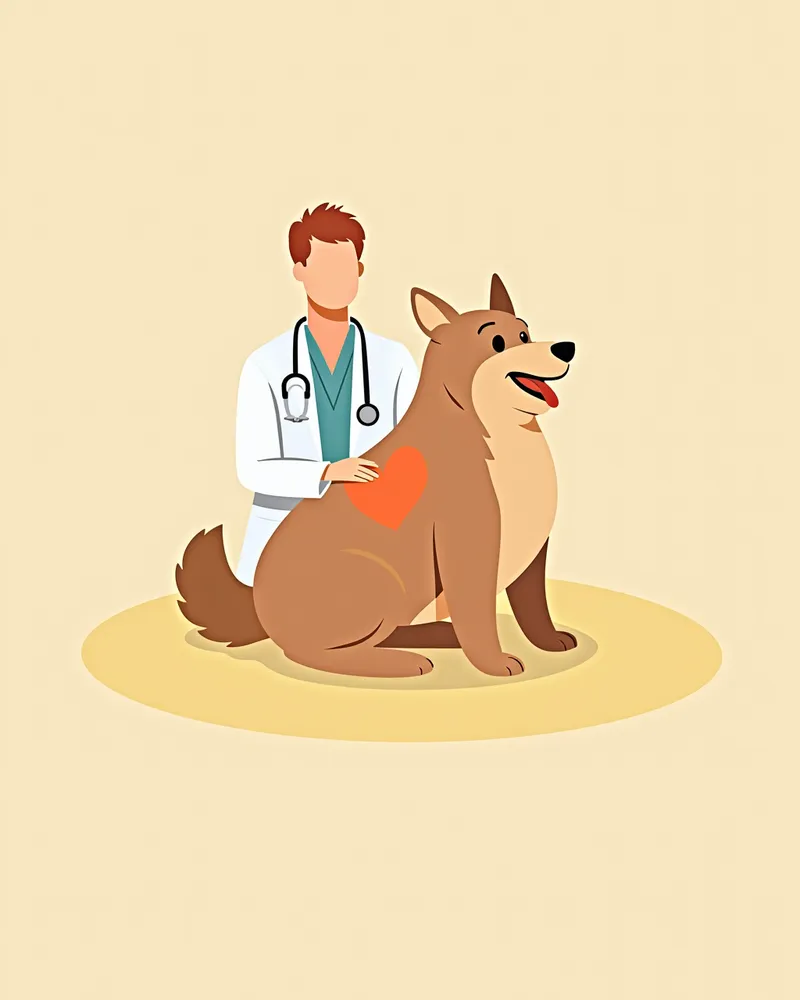
Taurine-deficient dilated cardiomyopathy in dogs is diagnosed by echocardiography, which assesses changes in heart size and contractility. This test is essential for accurately evaluating the degree of myocardial weakening. Blood tests measure taurine levels, while electrocardiography checks for cardiac arrhythmias. A definitive diagnosis is made by comprehensively analyzing all these test results. Early diagnosis significantly improves treatment outcomes, and regular cardiac screenings help detect risks at an early stage.
A scene of a puppy undergoing an echocardiogram (heart ultrasound) examination.

How Is It Treated?

The cornerstone of treatment is consistent administration of taurine supplements when a deficiency is confirmed or suspected. Your veterinarian will determine the appropriate dosage based on your pet’s individual weight and condition. Dilated cardiomyopathy caused by nutritional deficiency is known to have a good potential for cardiac function recovery once the underlying cause is addressed. In fact, the response to taurine supplementation is also used as a diagnostic criterion to distinguish taurine-deficient cardiomyopathy. Depending on the case, medications to support heart function and manage symptoms may be prescribed alongside taurine, at your veterinarian’s discretion. Once treatment begins, symptoms often gradually improve, making consistent supplementation and regular check-ups key to successful management. During treatment, it is important to minimize stress and avoid excessive exercise.
A puppy taking a taurine supplement

Home Care Points

Taurine supplements should be given consistently at the same time each day. It is important to choose a diet that is high in taurin and meets scientific standards. Regular cardiac examinations are necessary to monitor treatment efficacy. Exercise should be moderated to avoid excess, and the environment should be designed to minimize stress. Sudden changes in environment or loud noises should be avoided. The owner’s care significantly impacts treatment success. Consult your veterinarian immediately if you notice any changes in symptoms.
A dog resting in a calm environment while taking taurine supplements

Certain Breeds Require Caution

American Cocker Spaniels, Golden Retrievers, Labrador Retrievers, Newfoundlands, and Portuguese Water Dogs have been reported to have lower blood taurine levels, making them more susceptible to taurine-deficient cardiomyopathy. Regular cardiac check-ups are recommended for these breeds.

Reviewed by a veterinarian

Dr. Tony — Punnawat Phongkittirak

Dr. Tony — Punnawat Phongkittirak

Veterinarian

A veterinarian who majored in veterinary medicine at Khon Kaen University, Thailand, and completed the IVSA program at North Carolina State University in the United States. Drawing on clinical experience at animal hospitals, he works in the pet healthcare field and is dedicated to building a digital care environment that connects pet parents with veterinarians.

Frequently Asked Questions

How long should I continue giving my pet taurine supplements?
Your veterinarian will adjust the duration and dosage based on your pet’s heart condition and taurine levels. While cardiomyopathy caused by nutritional deficiencies may improve once the underlying cause is addressed, long-term supplementation may be necessary in some cases, so the treatment plan will be determined based on regular check-up results.
Is it okay to only feed my pet food that contains taurine?
Even if your pet food contains taurine, the dietary amount doesn’t always correlate directly with blood levels. If a deficiency is suspected, it’s safest to administer a supplement recommended by your veterinarian alongside the regular diet.
Can taurine deficiency be cured?
Dilated cardiomyopathy caused by nutritional deficiencies can see significant improvement in heart function when detected early, the underlying cause is corrected, and consistent treatment is maintained.
Is there a genetic component to taurine deficiency?
Certain breeds may be predisposed to lower blood taurine levels. Early screening is especially important for at-risk breeds or pets with a family history of the condition.
Are there any side effects of taurine supplements?
Taurine is relatively affordable and safe, with very few side effects at normal doses. However, it’s best to follow your veterinarian’s instructions when administering it.

Share

Related Guides

References

[1] Textbook of Cardiovascular Medicine in Dogs and Cats, 2023

[2] Plumb's Veterinary Drug Handbook, 9th Edition, 2022

[3] AAFCO Nutrient Profiles for Canine Diets, 2023

This information is based on veterinary literature and does not replace diagnosis or treatment. Please consult a veterinarian for specific health concerns.

Metapet Co., Ltd. | CEO: Park Sung-yong | Business Reg. No. 417-88-02562 | Seoul, South Korea | Customer Center

Taurine-Deficient Dilated Cardiomyopathy in Dogs: Warning Signs | Meongsiljang