
Like
Share
멍실장
강아지 ACE억제제·ARB 신장 보호 증상과 원인, 진단·치료와 관리 포인트 총정리

ACE Inhibitors and ARBs for Dog Kidney Protection — Effects, Side Effects, and When to Use Them

KidneyDiseasesMeongsiljang Veterinary Advisory Board

ACE inhibitors and ARBs are important medications for managing chronic kidney disease in dogs. These drugs are effective in protecting kidney function and reducing proteinuria.

What Are ACE Inhibitors and ARBs for Kidney Protection in Dogs?

The anatomical structure of a dog's kidneys
ACE inhibitors and ARBs are important medications in managing chronic kidney disease in dogs. - ACE inhibitors: These drugs inhibit the production of angiotensin II, a substance that raises blood pressure, thereby dilating blood vessels and lowering blood pressure. - ARBs: These block the receptors where angiotensin II binds, producing a similar effect. By reducing excessive activity of the renin-angiotensin-aldosterone system (RAAS), these medications help alleviate tissue damage, inflammation, and fibrosis caused by angiotensin II. They can also help reduce proteinuria and slow the progression of kidney damage, especially in cases where proteinuria is present. These medications are prescribed by a veterinarian based on the dog’s condition, and consistent use along with regular check-ups is necessary to achieve the desired effects.

Mechanism of Action and Pathogenesis of ACE Inhibitors and ARBs

ACE inhibitors lower blood pressure by blocking the production of angiotensin II, a hormone that raises blood pressure, which helps dilate blood vessels and reduce pressure. - How ACE inhibitors work: They relax the narrowing of the efferent arterioles (the blood vessels that carry blood out of the glomeruli), lowering pressure within the glomeruli and reducing the amount of protein lost in urine (proteinuria). They also decrease the breakdown of bradykinin, a substance that promotes blood vessel dilation, further reducing vascular tension. ARBs produce similar effects by blocking the receptors where angiotensin II acts. - How ARBs work: By lowering pressure within the glomeruli, ARBs reduce proteinuria and kidney damage. This suppression of the RAAS system helps decrease inflammation and fibrosis, supporting the maintenance of kidney function. Regular monitoring is essential to assess the medication’s effectiveness and watch for any side effects.
How your dog’s kidney regulatory system works

Main Symptoms and Signs

While your dog is managing kidney disease with ACE inhibitors or ARBs, it’s important to closely monitor for the following signs. These symptoms are commonly seen as kidney disease progresses:
Excessive thirst: Your dog may drink water more frequently and in larger amounts.
Increased urination or frequency: You may notice a larger volume of urine or more frequent trips to urinate.
Decreased appetite: Your dog may eat less or refuse treats and regular meals.
Vomiting: Episodes of vomiting may become more frequent.
Lethargy: Your dog may show reduced activity levels and appear weak or tired.
Additionally, potential side effects of ACE inhibitors and ARBs include low blood pressure, gastrointestinal upset, worsening kidney function, and high potassium levels. If any of these symptoms persist, contact your veterinarian immediately.
Signs of fatigue and thirst in dogs

Criteria for Immediate Veterinary Visit

If your dog experiences severe vomiting, blood in the urine, extreme lethargy, or refuses to drink water for more than 24 hours, seek veterinary care immediately. These symptoms may indicate worsening kidney function or adverse drug reactions.

Diagnostic Methods and Testing Procedures
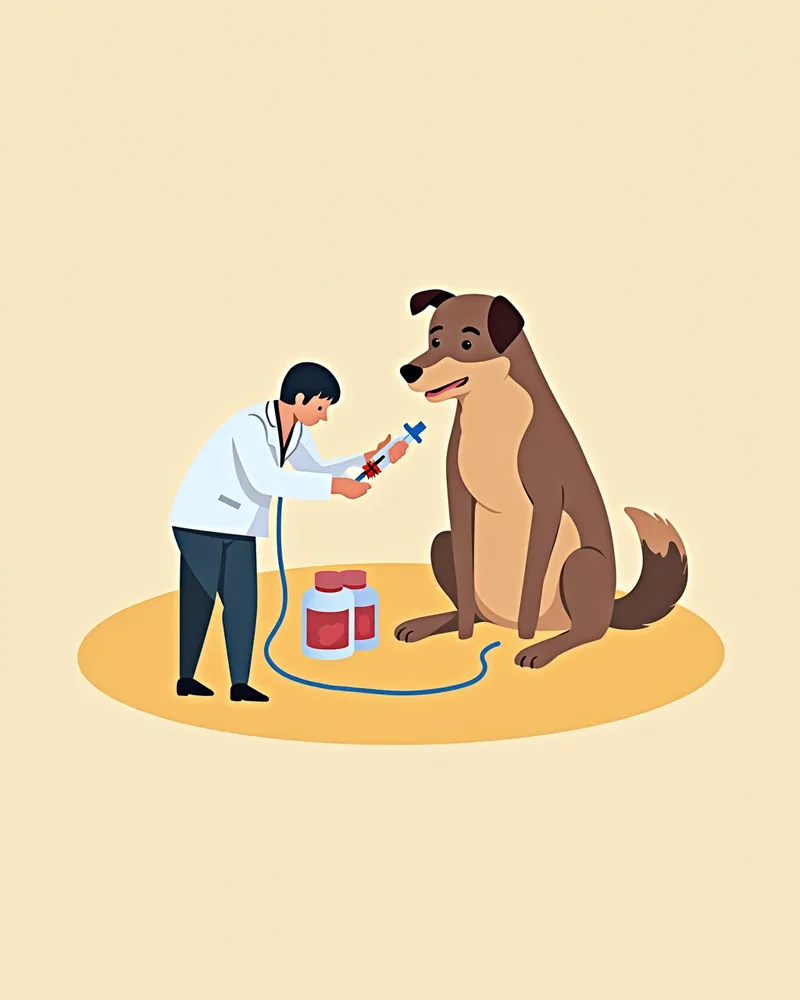
To evaluate the effectiveness of ACE inhibitors and ARBs, various tests are required. - Blood tests: Check creatinine and BUN levels to assess kidney function. - Urinalysis: Determine the presence of proteinuria to judge the drug's efficacy. - Renal ultrasound: Identify structural abnormalities or changes in kidney size. If necessary, consider a kidney biopsy for histological diagnosis. The veterinarian will regularly monitor the patient to assess treatment response. This process is crucial in determining whether the medication should be continued at the current dose.
The process of a dog's blood test

Treatment Stages and Medication Management

Treatment proceeds in stages. In the first stage, we begin medication and monitor the response through regular check-ups. In the second stage, we adjust the dosage based on test results, with the veterinarian making customized adjustments considering your pet's weight and condition. The third stage involves long-term management, continuing medication while also managing diet and lifestyle. Do not stop or change the dosage of medication without veterinary guidance. However, if tests show azotemia (elevated BUN and creatinine levels), the veterinarian may decide to reduce or discontinue diuretics or other medications being used concurrently. Regular hospital visits and blood tests are essential.
A scene of a puppy taking medication

Home Care and Management Points

While your dog is taking ACE inhibitors or ARBs, the following care measures are essential:
Ensure access to water: Always provide fresh water.
Dietary management: Feed a kidney-specific diet recommended by your veterinarian.
Regular check-ups: Schedule routine blood and urine tests.
Activity management: Avoid excessive exercise and ensure adequate rest time.
Medication tracking: Keep a record of the dosing schedule using notes or an app.
These care measures are essential for maintaining long-term kidney health.
Home care tips for supporting your dog’s kidney health

Breed-Specific Precautions and Prevention of Recurrence

Certain breeds are genetically more susceptible to chronic kidney disease. For example, Shar-Peis, Beagles, Golden Retrievers, Shih Tzus, Lhasa Apsos, Bull Terriers, and Cocker Spaniels are known to be at higher risk. During medication, regular check-ups and consultations with your veterinarian are essential. Maintaining kidney health requires good daily habits and routine health screenings.

Reviewed by a veterinarian

Dr. Tony — Punnawat Phongkittirak

Dr. Tony — Punnawat Phongkittirak

Veterinarian

A veterinarian who majored in veterinary medicine at Khon Kaen University, Thailand, and completed the IVSA program at North Carolina State University in the United States. Drawing on clinical experience at animal hospitals, he works in the pet healthcare field and is dedicated to building a digital care environment that connects pet parents with veterinarians.

Frequently Asked Questions

What is the difference between ACE inhibitors and ARBs?
ACE inhibitors prevent the production of angiotensin II, while ARBs block the receptors where angiotensin II acts. Both types of medication help lower blood pressure and reduce proteinuria, thereby supporting kidney health.
Is it safe to stop the medication suddenly while my pet is taking it?
Do not abruptly stop the medication on your own; always consult your veterinarian first. However, if blood tests show elevated kidney values (BUN and creatinine) or if side effects occur, your veterinarian may decide to reduce the dosage or discontinue the medication.
My dog hates taking medicine. What should I do?
You can hide the medication in treats or have your veterinarian switch to a formulation that’s easier to administer. Be sure to consult with your vet first.
What are the possible side effects of the medication?
Symptoms such as low blood pressure, gastrointestinal issues (vomiting and decreased appetite), worsening kidney function, and high potassium levels may occur. Therefore, it is important to regularly monitor kidney function and potassium levels through blood tests while on this medication.
Why is kidney-specific food important?
Kidney-specific diets help reduce the burden on the kidneys by controlling the levels of protein and phosphorus. It's best to use products recommended by your veterinarian.

Share

Related Guides

References

[1] Catherine E. Langston et al., Small Animal Critical Care Medicine, 3rd Edition, 2021.

[2] The Cat, Clinical Medicine and Management, 2nd Edition, Elsevier, 2020.

[3] Plumb's Veterinary Drug Handbook, 9th Edition, Wiley-Blackwell, 2022.

This information is based on veterinary literature and does not replace diagnosis or treatment. Please consult a veterinarian for specific health concerns.

Metapet Co., Ltd. | CEO: Park Sung-yong | Business Reg. No. 417-88-02562 | Seoul, South Korea | Customer Center

ACE Inhibitors & ARBs for Dog Kidney Protection: Uses & Side Effects | Meongsiljang