
Like
Share
멍실장
강아지 승모판 폐쇄부전증(MVD) 증상과 원인, 진단·치료와 관리 포인트 총정리

A Comprehensive Guide to Mitral Valve Disease (MVD) in Dogs: Symptoms, Causes, Diagnosis, Treatment, and Management

HeartDiseasesMeongsiljang Veterinary Advisory Board

Mitral valve disease (MVD) is a common heart condition in senior dogs, and early detection and management can significantly extend their lifespan. We’ll provide a comprehensive overview of symptoms, causes, diagnostic methods, and treatment strategies.

What is Mitral Valve Disease (MVD) in Dogs?
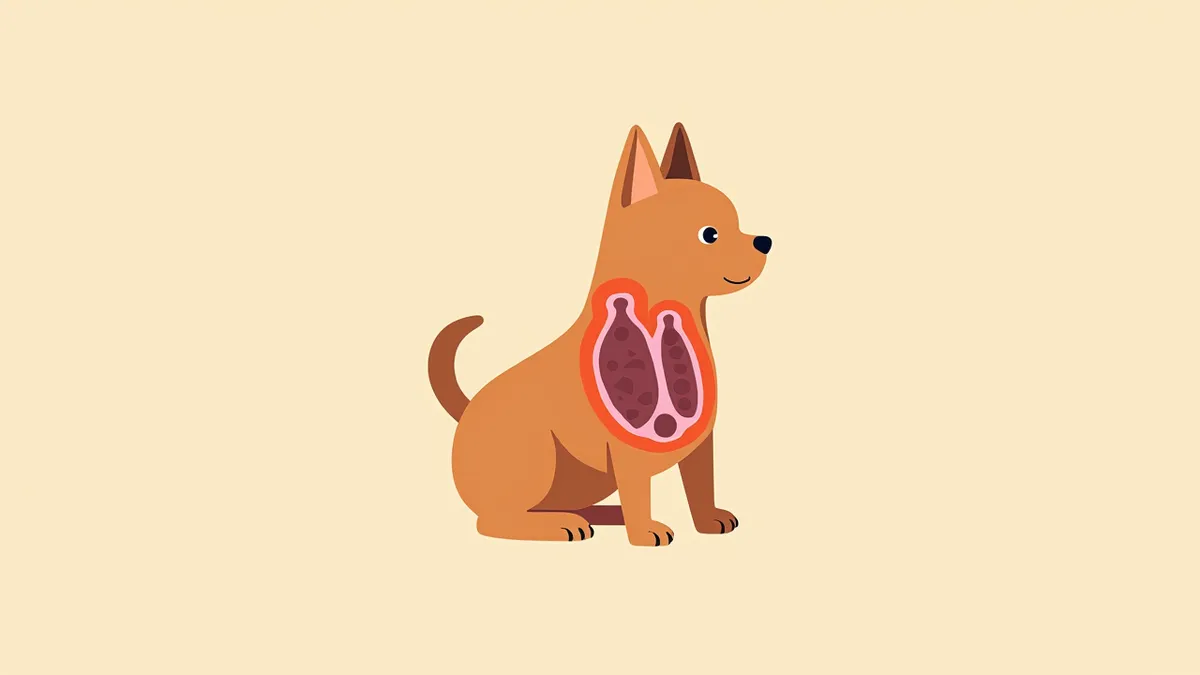
An anatomical illustration of a dog's mitral valve, comparing normal and degenerated tissue.
Mitral valve disease (MVD) in dogs is a condition where the mitral valve in the heart becomes damaged, causing blood to flow backward. It commonly occurs in older small-breed dogs and often shows few symptoms in its early stages, making early detection challenging. Over time, however, the heart can become overloaded, potentially leading to heart failure. When the mitral valve doesn't close properly, the heart has to work harder, which can eventually weaken the heart muscle. Early diagnosis and management are key to significantly extending your dog's lifespan, so regular check-ups are essential.

Main Causes and Pathogenesis of MVD

Mitral valve disease (MVD) in dogs is primarily driven by a degenerative change known as myxomatous degeneration, which develops with age and has a genetic component. As the mitral valve leaflets gradually thicken and deform, they fail to close properly, allowing blood to leak backward into the left atrium. The exact mechanism behind this degeneration remains incompletely understood. This regurgitation forces the heart to work harder, and over time, the left atrium and left ventricle enlarge, increasing cardiac strain. Small-breed dogs are at higher risk, and the condition is most commonly diagnosed in middle-aged to senior dogs. Persistent regurgitation can eventually lead to congestive heart failure. However, many dogs compensate for years without showing obvious symptoms, making early management and regular veterinary check-ups essential.
Microscopic image of a dog’s mitral valve tissue, showing altered tissue structure at the micrometer scale

Checklist of Key Symptoms and Signs

In the early stages of mitral valve disease (MVD) in dogs, symptoms are often minimal, but they become more apparent as the condition progresses. Here are the key signs owners should watch for:
Coughing: Especially recurring coughs at night or after exercise.
Shortness of breath: Panting or labored breathing even while resting.
Decreased activity: Less interest in playing or moving around compared to usual.
Fatigue: Appearing unusually tired or taking longer to eat meals.
Abdominal swelling: Fluid buildup due to reduced heart function can cause the abdomen to swell.
If you notice any of these signs, consult your veterinarian immediately.
A tired-looking puppy is crouching down, with a slightly distended abdomen.

Emergency Signs Requiring Immediate Veterinary Visit

If your dog suddenly starts breathing heavily, their mouth turns bluish, or they become so weak that they collapse, you should go to the vet immediately. This indicates that heart failure has worsened and can be life-threatening. In emergency situations, immediate intervention by a veterinarian is essential.

Accurate Diagnostic Methods

Mitral valve disease (MVD) in dogs is diagnosed through auscultation and echocardiography (echo). During auscultation, a characteristic systolic heart murmur caused by blood regurgitation through the mitral valve can be heard. In many cases, this condition is first suspected when a heart murmur is incidentally detected during a routine health checkup. Subsequently, an echocardiogram is used to precisely evaluate the anatomical structure of the mitral valve, including whether the valve leaflets have thickened, if there is prolapse (displacement of the valve into the left atrium), and to assess heart size and blood flow patterns. Echocardiography is essential for confirming the diagnosis, monitoring disease progression, and forming the basis for treatment planning. Early detection through regular checkups greatly aids in managing the condition.
Ultrasound image of a dog’s heart, showing the movement of the mitral valve and color-coded blood flow

Treatment Options and Staged Management

Treatment for mitral valve disease (MVD) in dogs is staged according to the ACVIM classification system. Since there are currently no medications that can halt or reverse the degenerative changes in the valve itself, the goal of treatment is to prolong the asymptomatic phase, alleviate symptoms, and improve both survival time and quality of life. In the early, asymptomatic stages, it is important to monitor heart size and disease progression through regular check-ups. Once heart failure develops, diuretics are used to remove fluid buildup in the lungs, and cardiac medications with inotropic and vasodilatory effects (such as pimobendan) may be added as needed. The specific medications and dosages are adjusted by your veterinarian based on your dog’s weight and condition. Consistent medication adherence and regular veterinary visits are key to extending survival time.
A veterinarian holding a prescription for pimobendan and a dog's medical chart.

Home Care and Daily Management

Consistent home care is crucial for managing mitral valve disease (MVD) in dogs. Avoid strenuous exercise and stick to regular, moderate walks. Minimize household noises, such as those from opening cabinets or refrigerator doors, and create a calm environment to reduce stress. Control sodium intake in their diet and feed a veterinarian-recommended cardiac-specific diet. Ensure medications are administered accurately, and visit the clinic immediately if symptoms worsen while on treatment. Proper daily management can help slow the progression of the disease.
An elderly dog resting comfortably in a quiet indoor space

Specific Breeds and Precautions for Prevention

Small breeds such as Cavalier King Charles Spaniels, Maltese, Yorkshire Terriers, Dachshunds, Chihuahuas, and Miniature Poodles have a relatively high risk of developing myxomatous valve disease (MVD). Since diagnosis typically occurs in middle-aged to senior dogs, we recommend regular cardiac screenings for aging small-breed dogs. If symptoms such as coughing or difficulty breathing worsen while on medication, seek veterinary care immediately. To help slow disease progression, administer prescribed medications consistently and attend regular follow-up check-ups with your veterinarian.

Reviewed by a veterinarian

Dr. Tony — Punnawat Phongkittirak

Dr. Tony — Punnawat Phongkittirak

Veterinarian

A veterinarian who majored in veterinary medicine at Khon Kaen University, Thailand, and completed the IVSA program at North Carolina State University in the United States. Drawing on clinical experience at animal hospitals, he works in the pet healthcare field and is dedicated to building a digital care environment that connects pet parents with veterinarians.

Frequently Asked Questions

Is MVD treatable?
While a complete cure may be challenging, symptoms can be managed and life expectancy significantly extended through medication and proper care. Early detection is key.
Can MVD be genetic?
Yes, especially in small-breed dogs, genetic predisposition plays a significant role. If there’s a family history of MVD, early screening is essential.
What kind of medication is pimobendan?
Pimobendan is a heart medication that strengthens the heart's contractions and dilates blood vessels, thereby reducing the workload on the heart. However, there is currently no medication that can halt the degenerative changes in the heart valves themselves, so it is typically prescribed by a veterinarian once symptoms appear or the heart has enlarged. Always consult your veterinarian regarding whether to use this medication and the appropriate dosage.
If you suspect your pet has heart disease, what tests should be performed?
First, we’ll listen to your pet’s heart with a stethoscope. If anything seems off, an echocardiogram (ultrasound of the heart) is the next step. This test is the most accurate way to diagnose heart conditions.
If your dog develops mitral valve disease, how should you adjust their walks?
Avoid excessive exercise and instead take your dog on regular, calm walks. Your veterinarian should adjust the amount of exercise based on your dog’s condition.

Share

Related Guides

References

[1] Ingrid Ljungvall, Jens Häggström. Myxomatous Valvular Disease. Textbook of Cardiovascular Medicine in Dogs and Cats, 2023.

[2] Ashley N. Sharpe, Lance C. Visser. Canine Myxomatous Mitral Valve Disease. Small Animal Critical Care Medicine, 3rd Ed, 2022.

[3] Joshua A. Stern, Ashley L. Walker. Pimobendan. Small Animal Critical Care Medicine, 3rd Ed, 2022.

This information is based on veterinary literature and does not replace diagnosis or treatment. Please consult a veterinarian for specific health concerns.

Metapet Co., Ltd. | CEO: Park Sung-yong | Business Reg. No. 417-88-02562 | Seoul, South Korea | Customer Center

Mitral Valve Disease (MVD) in Dogs: Symptoms & Treatment | Meongsiljang