Like
Share
멍실장
고양이 항문낭 관리 증상과 원인, 진단·치료와 관리 포인트 총정리

Cat Anal Gland Care: Symptoms, Causes, Diagnosis, Treatment, and Management Tips

Lifestyle & Age CareDiseasesMeongsiljang Veterinary Advisory Board

If a cat’s anal glands don’t empty properly, they can become inflamed or infected. It’s important to recognize the symptoms and underlying causes, and provide appropriate care.

Cat Anal Gland Care Means Normal Secretion Expulsion
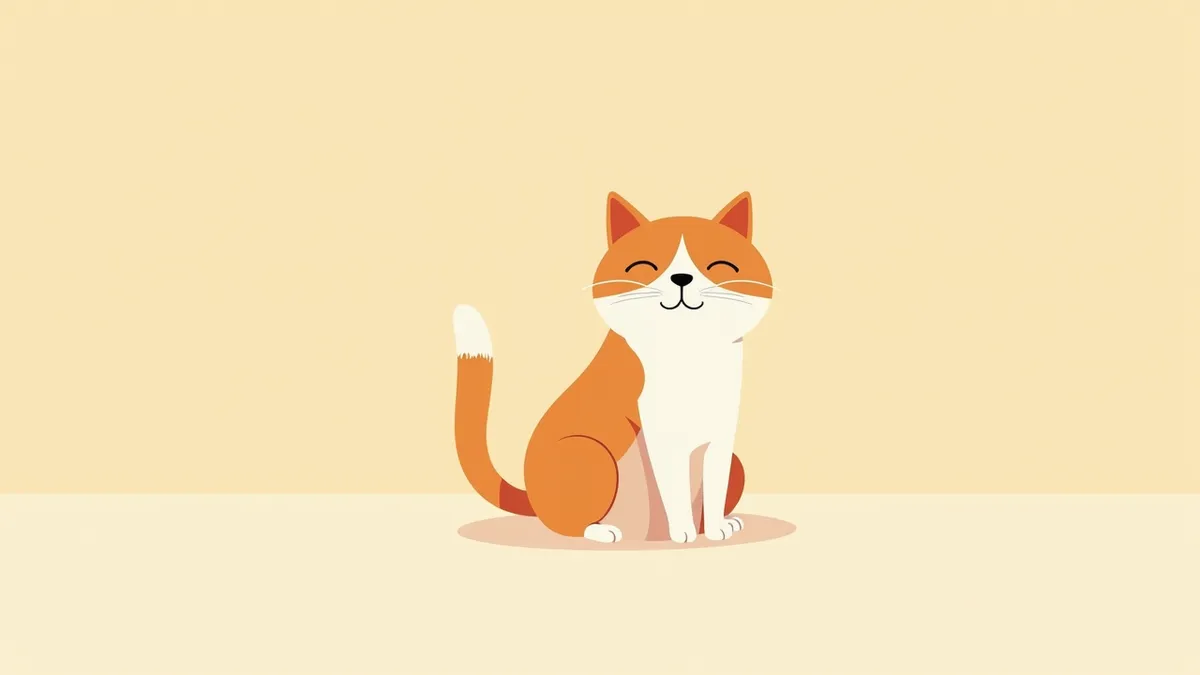
A veterinarian expressing a cat's anal glands
A cat’s anal sacs are two small pouches located on either side of the anus, lined with glands that produce a secretion. This secretion is normally expelled during defecation. If it doesn’t empty properly, the sacs can become blocked and distended, potentially leading to inflammation (anal sacculitis) or infection. While anal sac care is often overlooked in routine feline health maintenance, neglecting it can result in serious complications. Although the sacs typically empty naturally due to pressure during bowel movements, some cats have difficulty with this process. When management is needed, a veterinarian can express the sacs manually, or owners can learn safe home-care techniques under professional guidance.

The Main Causes of Anal Sac Issues Are Secretion Drainage Obstruction and Genetic Factors
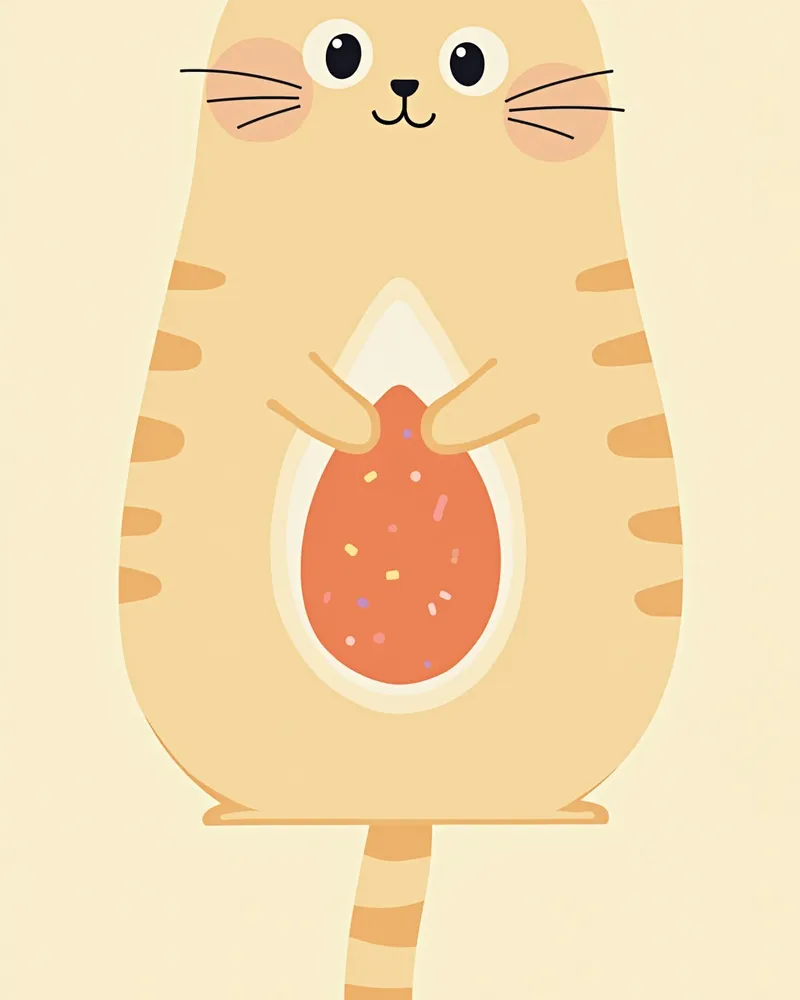
The most common form of anal sac issues in cats is impaction, where secretions fail to drain properly and accumulate. While the exact cause isn't fully understood, factors such as changes in stool consistency (like chronic constipation or diarrhea), obesity, altered tension in the muscles around the anus, and blockage of the anal sac ducts may play a role. Additionally, overly thick secretions, or genetic predispositions such as underdeveloped or narrow anal sacs, can make some cats more prone to these problems. Underlying conditions like allergic skin diseases may also be linked to inflammation or infection of the anal sacs. When these factors combine, the anal sacs can become distended, increasing the risk of inflammation or infection. However, since anal sac issues are relatively rare in cats compared to dogs, there's no need for excessive concern if your cat shows no specific symptoms.
Anatomical diagram of a cat's anal glands

The Main Symptoms of Anal Sac Issues Are as Follows
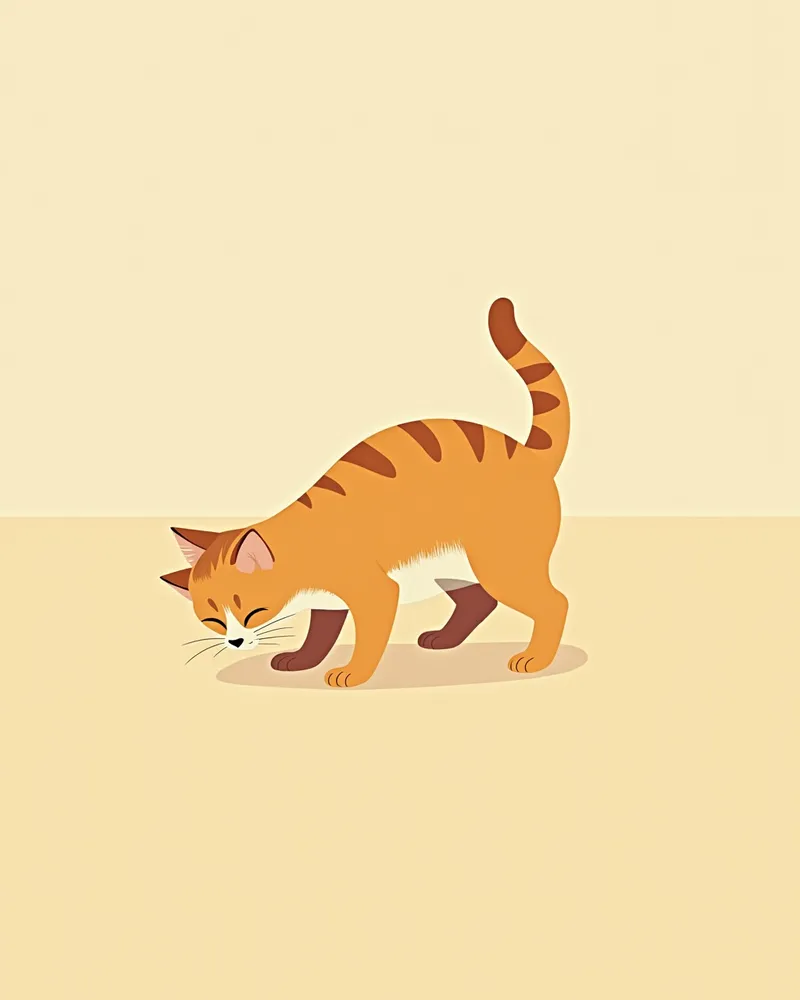
When a cat develops anal gland issues, it may exhibit the following signs. Recognizing these behaviors early is crucial. Scooting (dragging the hindquarters): The cat drags its bottom along the floor or repeatedly rubs and scratches the anal area with its hind legs. Biting the tail or anus: The cat may bite its tail or excessively lick the perineal region. Bleeding or discharge: Pus-like discharge or blood-tinged secretions may be visible around the anus. Pain response: The cat may struggle or show discomfort during defecation and react when the area is touched. Strong odor: The discharge often has a distinct, unpleasant, and pungent smell. Additionally, the perineal area may become swollen or red, ulcers may develop, or defecation habits may change. However, scooting can also be caused by other conditions, such as allergic skin diseases or parasites. Therefore, if you notice these symptoms, avoid making a self-diagnosis and consult a veterinarian to determine the exact cause.
A cat scratching at its anal area and showing signs of discomfort

If the Anal Glands Rupture or Discharge Pus, Immediate Veterinary Visit Is Required

If the anal glands rupture or discharge pus, it indicates a severe infection. This condition causes significant pain and may be accompanied by systemic symptoms such as fever and loss of appetite. Immediate veterinary care is essential, and treatment may involve antibiotics along with expression or surgery. If left untreated, it can lead to abscesses or tissue destruction, so it should be treated as an emergency, and you should visit the clinic right away.

Diagnosis Is Made Through a Veterinarian’s Examination and Imaging Tests
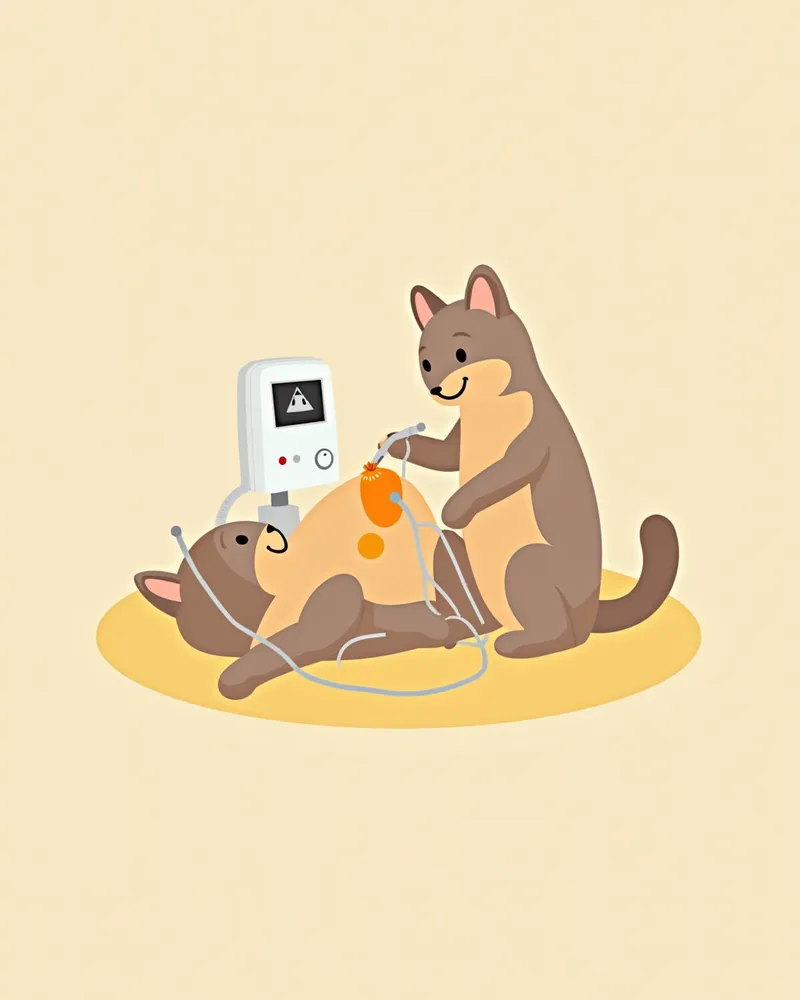
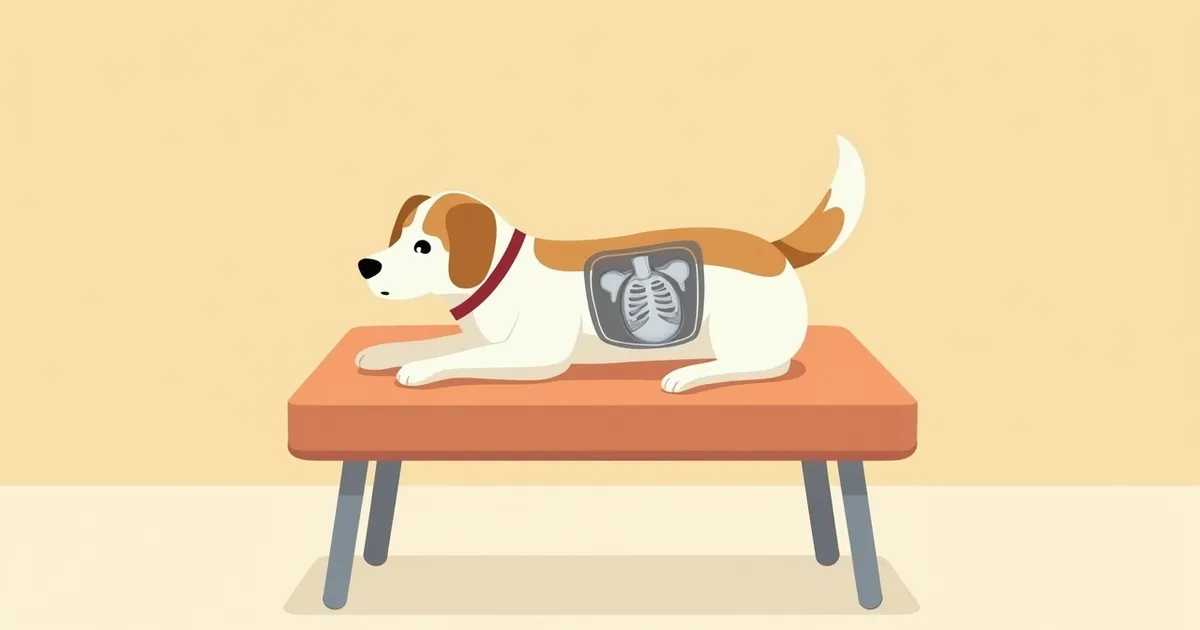
Diagnosing anal sac issues in cats is based on a veterinarian’s physical examination. The vet will gently palpate the anal area to check for pain and swelling. If needed, ultrasound or X-rays may be used to assess internal conditions. If a tumor or abscess is suspected, a tissue biopsy is necessary to determine the exact cause. During the diagnostic process, your cat’s medical history, diet, and any changes in weight are also taken into account. Starting treatment without an accurate diagnosis can lead to missing the underlying cause.
A veterinarian examining a cat's anal glands using ultrasound

Treatment Methods Include Expression, Medication, and Surgery, Selected Based on the Cause
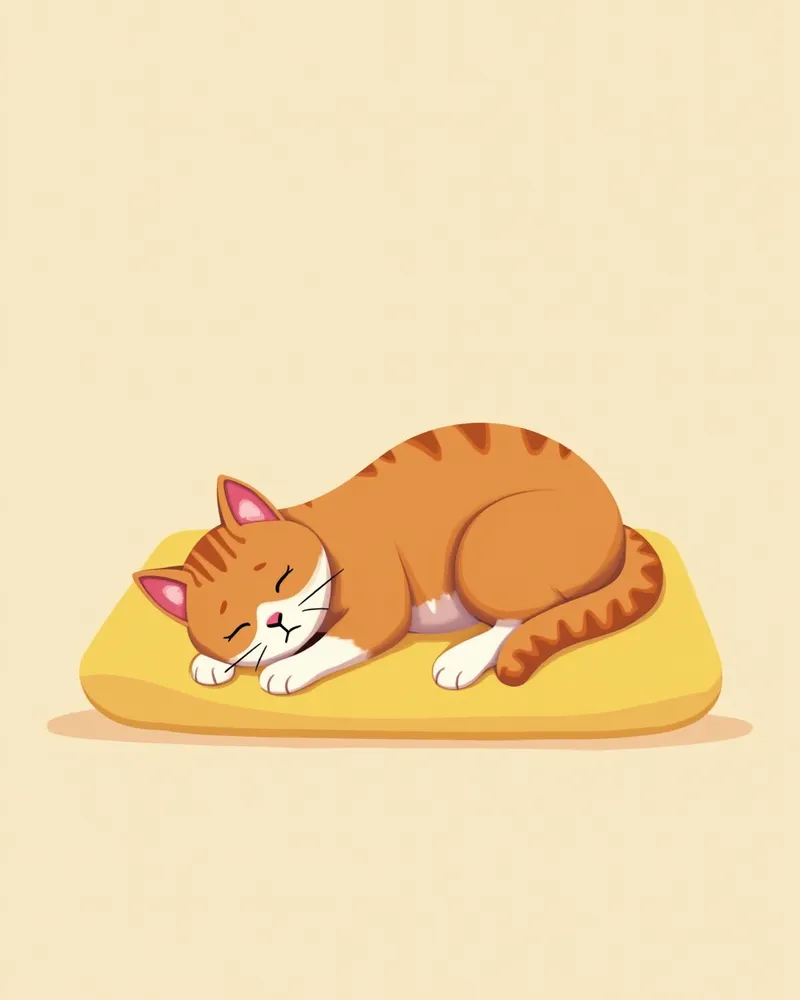
Treatment for anal gland issues depends on the underlying cause and severity. For mild cases, manual expression by a veterinarian is the most common approach. Moderate to severe cases typically require a course of antibiotics or anti-inflammatory medications. If the problem is chronic and recurrent, surgical removal of the anal glands (anal sacculectomy) may be considered. Although this procedure requires general anesthesia, it is highly effective for long-term management due to its low recurrence rate. Post-surgery, your pet will need bowel management during the recovery period. Please consult with your veterinarian to determine the most appropriate treatment plan for your pet.
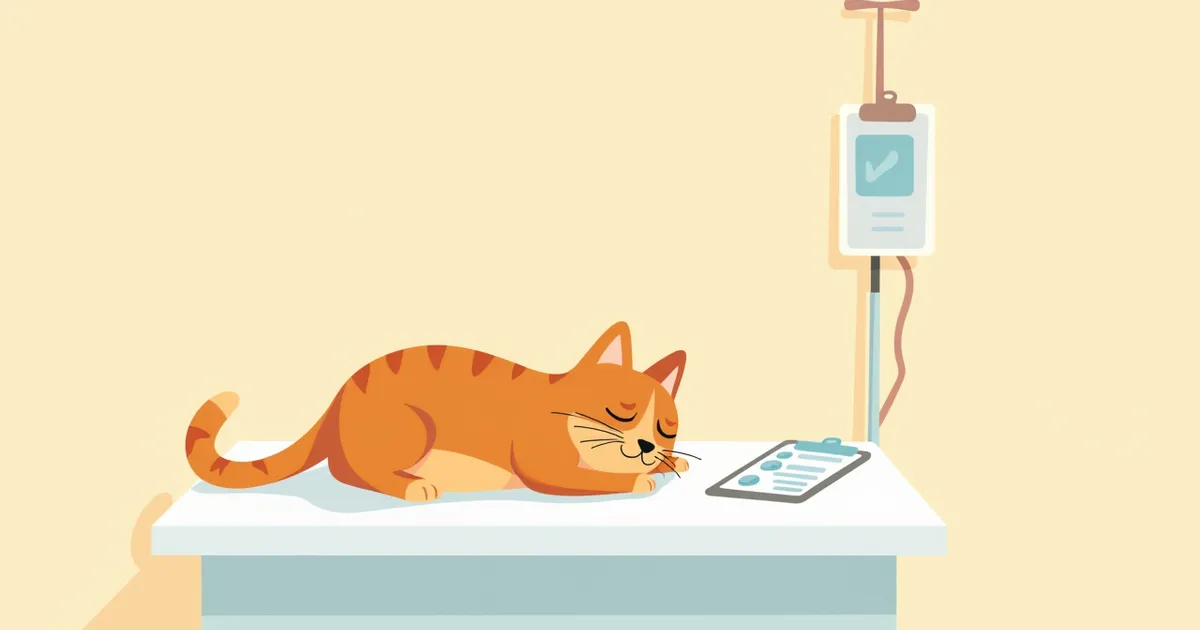
A cat recovering after anal gland surgery

Home Care Focuses on Dietary Management and Regular Check-ups
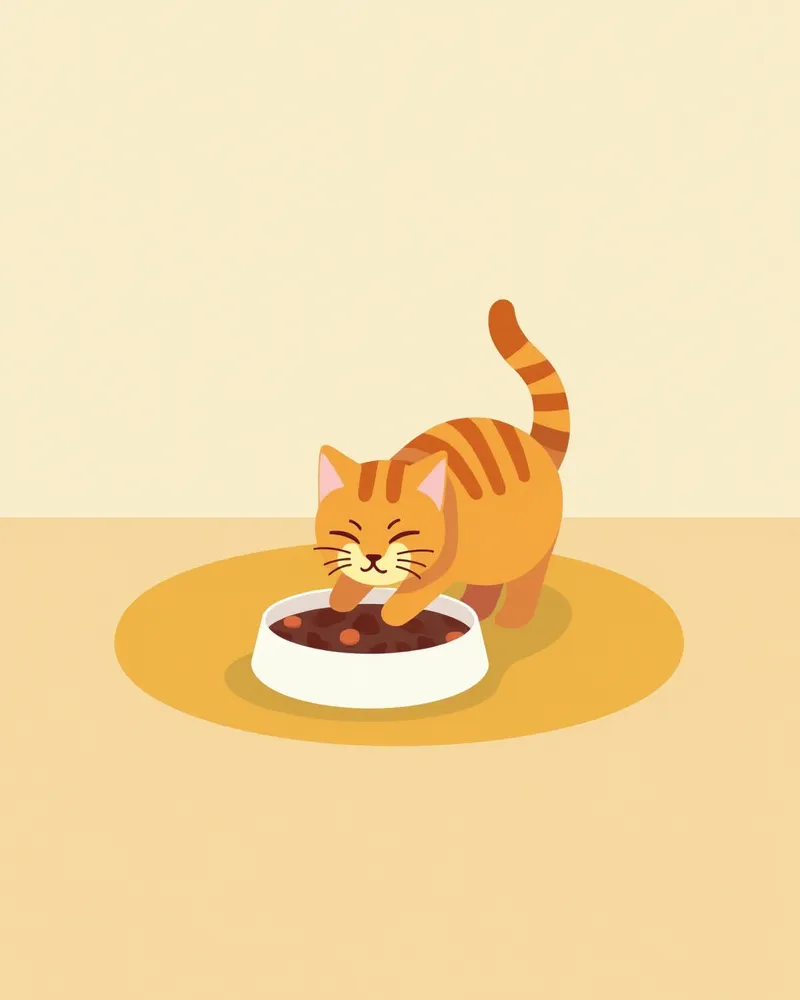
When managing anal gland issues, regular check-ups are essential. Changes in stool consistency, such as constipation or diarrhea, can affect anal gland emptying, so it’s important to maintain regular bowel movements and healthy stool quality. However, there is limited evidence that diet plays a major role in anal gland problems. If issues recur and stools are either too soft or too hard, adding fiber (such as psyllium husk) may help some cats. It’s best to have your veterinarian regularly check the anal glands, and avoid squeezing them at home due to the risk of injury or infection—always seek professional guidance. Additionally, since obesity can be a risk factor for anal gland problems, maintaining a healthy weight is also important.
A cat eating a fiber-rich diet

Certain Breeds Are More Susceptible to Anal Sac Issues, So Caution Is Needed

Some cats are genetically predisposed to issues due to small or underdeveloped anal sacs, or narrow drainage ducts. Changes in the tone of the muscles around the anus or excessively thick secretions can also make emptying difficult. For cats with these predisposing factors, regular check-ups and early management are essential. Obesity is another risk factor, so maintaining a healthy weight through daily care is important. Additionally, Siamese cats have been reported to have a relatively higher incidence of anal sac tumors, so extra caution is warranted if you feel any lumps in the anal sac area. The safest approach is to develop a management plan together with your veterinarian.

Reviewed by a veterinarian

Dr. Tony — Punnawat Phongkittirak

Dr. Tony — Punnawat Phongkittirak

Veterinarian

A veterinarian who majored in veterinary medicine at Khon Kaen University, Thailand, and completed the IVSA program at North Carolina State University in the United States. Drawing on clinical experience at animal hospitals, he works in the pet healthcare field and is dedicated to building a digital care environment that connects pet parents with veterinarians.

Frequently Asked Questions

Do anal glands need to be expressed frequently?
Routine (preventive) expression of the anal sacs is not necessary. It is best to have this procedure performed only when your veterinarian determines it is needed. Overexpressing the anal sacs can actually irritate the sacs and surrounding tissues.
Is it safe to express my pet’s anal glands at home?
Squeezing them out at home without professional guidance can be dangerous. Improper technique may lead to injury or infection, so it’s safest to learn the proper method from a veterinarian.
When is anal sac removal surgery necessary?
Consider this option when dealing with chronic, recurring issues or if an abscess or tumor is suspected. Surgery (anal sac excision) requires general anesthesia, but because it involves removing the anal sacs, it can provide a long-term solution for recurrent problems.
Are anal gland problems common in cats?
Anal gland issues are less common in cats than in dogs. However, they can occur more frequently in overweight cats or those with inconsistent stool consistency. Even though these problems are rare, early detection and proper management are essential.
Can anal gland problems be prevented?
Managing stool consistency, maintaining a healthy weight, and undergoing regular veterinary check-ups can help reduce risk factors. However, there is insufficient evidence to suggest that dietary control alone guarantees prevention, and since anal gland issues are relatively uncommon in cats, early detection and proper management remain the most important steps.

Share

Related Guides

References

[1] Frankel JL, Scott DW, Erb HN. Gross and cytological characteristics of normal feline anal-sac secretions. J Feline Med Surg. 2008;10:319.

[2] Mellanby RJ, Foale R, Friend E, et al. Anal sac adenocarcinoma in a Siamese cat. J Feline Med Surg. 2002;4:205.

[3] Araújo FPD, Araújo BM, Kemper B, et al. Sacrococcygeal agenesis association and anal atresia in mixed breed cats. Ciencia Rural. 2009;39:1893.

This information is based on veterinary literature and does not replace diagnosis or treatment. Please consult a veterinarian for specific health concerns.

Metapet Co., Ltd. | CEO: Park Sung-yong | Business Reg. No. 417-88-02562 | Seoul, South Korea | Customer Center

Cat Anal Gland Care: Symptoms, Causes, and Treatments Explained | Meongsiljang