Like
Share
멍실장
강아지 인슐린종 증상과 진단·치료, 평생 식이·관리 가이드

If Your Dog Suddenly Stumbles or Has Seizures — Insulinoma Hypoglycemia Symptoms and Lifelong Management

EndocrineDiseasesMeongsiljang Veterinary Advisory Board

Canine insulinoma is an endocrine disorder caused by a tumor of the pancreatic beta cells, which leads to excessive insulin secretion and recurrent hypoglycemia. Here’s a comprehensive overview covering symptoms, diagnosis, surgery, and dietary management.

What Is Canine Insulinoma?

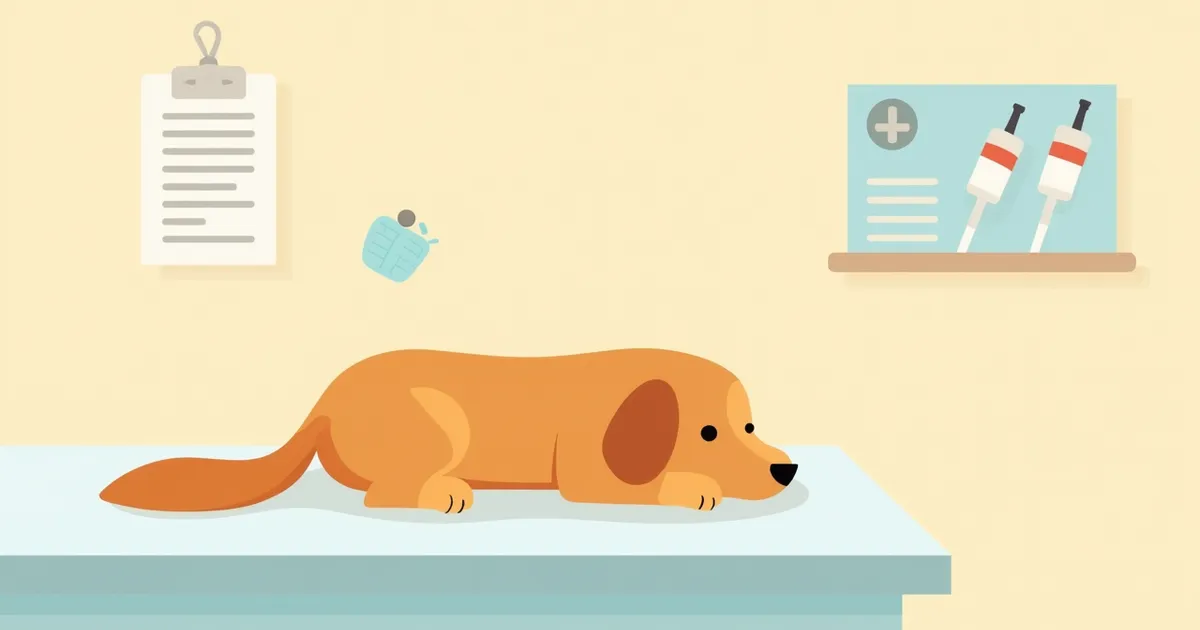
A lethargic dog lying down — an early sign of insulinoma
Canine insulinoma is an endocrine disorder caused by a tumor in the pancreas's beta cells, leading to excessive insulin secretion regardless of blood sugar levels. Normally, hypoglycemia is the strongest signal to inhibit insulin release, but with insulinoma, insulin secretion continues even as blood sugar drops, causing persistent hypoglycemia. The most critical point is that severe hypoglycemia can lead to neurological symptoms such as weakness, muscle tremors, and seizures. If you notice symptoms like staggering, seizures, or fainting, seek veterinary care immediately.

Why Does It Occur? — Causes and Pathogenesis

Insulinoma occurs when beta cells in the pancreas proliferate abnormally, forming a tumor. This tumor continuously secretes insulin regardless of blood glucose levels, meaning insulin release persists even when blood sugar is normal or low. Under normal circumstances, hypoglycemia serves as the strongest signal to inhibit insulin secretion, but this regulatory mechanism fails in cases of insulinoma. Insulinoma is known as the most commonly reported functional neuroendocrine tumor in dogs, primarily observed in middle-aged to senior dogs. While it is difficult to definitively state that it occurs more frequently in specific breeds, it is relatively more commonly reported in medium- to large-breed dogs.

Suspect Insulinoma If You See These Symptoms

Weakness and lethargy: Low blood sugar limits energy supply, making your pet appear listless all day long.
Staggering and loss of coordination: The hind legs may tremble or walking may seem unsteady.
Seizures and convulsions: Severe hypoglycemia can lead to full-body seizures.
Sudden fainting: A rapid drop in blood sugar can cause sudden collapse.
Disorientation: Your pet may act dazed, as if lost in a familiar environment.
Increased appetite and weight gain: Excess insulin can cause an abnormal increase in hunger.
A wobbly puppy — symptoms of hypoglycemia

Go to the Emergency Room Immediately If You See These Symptoms

If a seizure lasts longer than two minutes, if your pet loses consciousness, or if they collapse repeatedly, you must go to an emergency animal hospital immediately. Before transporting your pet, you can temporarily raise their blood sugar by applying a small amount of honey or corn syrup to their gums. However, this is only an emergency first-aid measure and should never be used as a reason to delay a visit to the veterinarian.

How Is It Diagnosed?

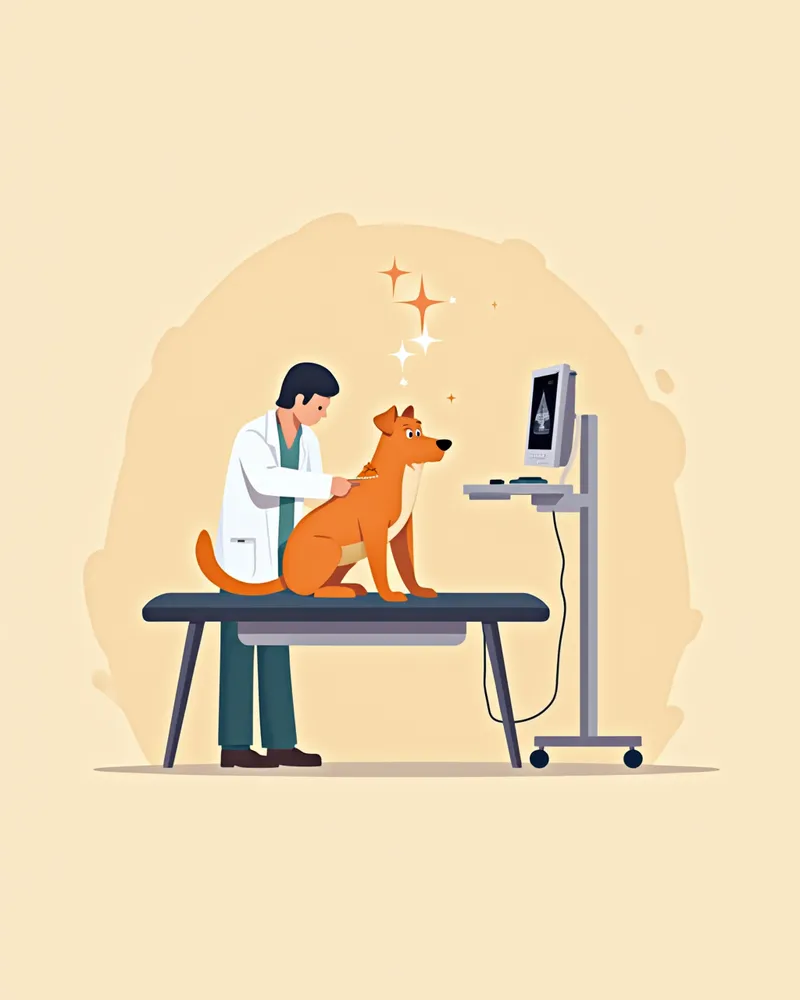
Diagnosing an insulinoma involves measuring blood glucose and insulin levels simultaneously. If insulin levels are inappropriately high (plasma insulin exceeding 20 mU/L) in the presence of hypoglycemia (blood glucose approximately 54 mg/dL or 3 mmol/L or lower), an insulinoma is strongly suspected. In some cases, fasting for up to 72 hours may be necessary to confirm hypoglycemia. Subsequently, abdominal ultrasound or CT scans are used to assess the location and size of the pancreatic tumor, as well as to check for metastasis to local lymph nodes and the liver. However, since the combined sensitivity of radiography and ultrasound is only about 50%, CT scans provide more accurate detection of small tumors or lymph node metastasis.

Treatment Options — Surgery and Medical Management
If there is no metastasis and the overall condition is good, surgical removal of the tumor is the most effective treatment. In some cases, blood sugar levels can return to normal if the tumor is completely removed through surgery. If surgery is difficult or if there is metastasis, medical management is performed. Steroid medications are used to raise blood sugar levels, and drugs like diazoxide are used to inhibit insulin secretion. The veterinarian will adjust the medication dosage based on the pet's weight and blood sugar trends.
Abdominal ultrasound for dogs — diagnosis of insulinoma

Home Care — Dietary and Lifestyle Guidelines

To keep blood sugar stable, feed your pet small meals three to six times a day. Large meals can trigger excessive insulin release, leading to a sudden drop in blood sugar. Avoid treats high in simple sugars, such as fruits and sweet snacks, and instead maintain a diet rich in protein, fat, and complex carbohydrates. Intense exercise or excitement can cause hypoglycemia, so stick to short, gentle walks. Always keep honey or glucose syrup on hand at home.
Preparing small, frequent meals for a puppy with insulinoma

Regular Check-ups Are Essential Even After Surgery

Even after surgical removal, insulinomas can cause hypoglycemia to recur or spread to other areas. In fact, metastasis is reported in about half of dogs with insulinomas, particularly to the local lymph nodes and liver. Therefore, it is important to monitor blood sugar levels and perform abdominal ultrasounds regularly after surgery. For owners of middle-aged to senior medium- to large-breed dogs, we strongly recommend including blood glucose testing as part of routine health checkups.

Reviewed by a veterinarian

Dr. Tony — Punnawat Phongkittirak

Dr. Tony — Punnawat Phongkittirak

Veterinarian

A veterinarian who majored in veterinary medicine at Khon Kaen University, Thailand, and completed the IVSA program at North Carolina State University in the United States. Drawing on clinical experience at animal hospitals, he works in the pet healthcare field and is dedicated to building a digital care environment that connects pet parents with veterinarians.

Frequently Asked Questions

Is insulinoma curable?
While complete surgical removal of the tumor may improve symptoms, recurrence or metastasis can still occur. Regular blood glucose testing and ultrasound monitoring are essential even after surgery.
What should I do at home if my pet has a hypoglycemic seizure?
Gently apply a small amount of honey or glucose syrup to your pet's gums using your finger. Avoid forcing it into the mouth, as this could block the airway. After this temporary measure, be sure to visit a veterinary clinic.
How are insulinoma and diabetes different?
Diabetes is a condition in which insufficient insulin leads to high blood sugar, whereas an insulinoma is the exact opposite: excessive insulin secretion causes low blood sugar.
Can it be managed without surgery?
Yes, if the metastasis is widespread or surgery is difficult, we can manage the condition by maintaining blood sugar levels through dietary adjustments, such as frequent small meals, and medications like prednisolone and diazoxide. While a complete cure is challenging, the goal is to maintain a good quality of life.
Which dog breeds are more prone to insulinoma?
While it’s difficult to definitively state that certain breeds are more prone to this condition, insulinoma is the most common functional neuroendocrine tumor in dogs, primarily reported in middle-aged to senior medium- and large-breed dogs. Particular attention is needed for dogs aged five years and older.

Share

Related Guides

References

[1] Plumb DC. Plumb's Veterinary Drug Handbook, 10th Ed. Wiley-Blackwell, 2023. Chapter: Insulin (Veterinary).

[2] Feldman EC, Nelson RW. Canine and Feline Endocrinology and Reproduction, 3rd Ed. Saunders, 2004. Chapter: Insulin-Secreting Tumors.

[3] Ettinger SJ, Feldman EC, Côté E. Textbook of Veterinary Internal Medicine, 8th Ed. Elsevier, 2017. Chapter: Pancreatic Beta-Cell Tumors.

[4] Madarame H et al. Retrospective study of canine insulinomas diagnosed by surgical and post-mortem examinations: eight cases (2005–2008). J Small Anim Pract, 2009.

[5] Ward CR. Small Animal Endocrinology. Saunders, 2007. Chapter: Hypoglycemia and Insulinoma.

This information is based on veterinary literature and does not replace diagnosis or treatment. Please consult a veterinarian for specific health concerns.

Metapet Co., Ltd. | CEO: Park Sung-yong | Business Reg. No. 417-88-02562 | Seoul, South Korea | Customer Center

Dog Insulinoma: Hypoglycemia Symptoms & Lifelong Management | Meongsiljang