Like
Share
멍실장
강아지 사시 증상과 원인, 진단·치료와 관리 포인트 총정리

If Your Dog’s Eyes Are Crossed — Causes of Strabismus and When to Seek Treatment

Eye HealthDiseasesMeongsiljang Veterinary Advisory Board

Strabismus, commonly known as cross-eyedness in dogs, is an eye condition where the eyes do not align properly. It can be caused by genetic factors or nerve damage. Early detection and proper management are crucial for preserving your dog's vision.

Strabismus in Dogs Is an Ophthalmic Condition Where the Eyes Are Misaligned

A puppy with strabismus, showing misaligned eyes
Strabismus in dogs refers to a condition where the eye is misaligned within the orbit, deviating from its normal position. Rather than being an independent ophthalmic disease, it is often a sign of underlying neurological or orbital disorders. It is important to distinguish strabismus from proptosis, where the eye bulges out of the orbit, or buphthalmos, where the eye enlarges. - Neurological disorders: Strabismus is frequently associated with vestibular abnormalities, intracranial (brain) diseases, or damage to cranial nerves, particularly the oculomotor and trochlear nerves. - Orbital diseases: Conditions that push the eye outward, such as orbital inflammation (cellulitis) or tumors, can cause strabismus alongside proptosis. - Breed and systemic disease predispositions: Strabismus has been reported in certain breeds and systemic conditions. If there is a family history, early monitoring from a young age is recommended. Professional evaluation by a veterinarian is essential for accurate diagnosis and vision protection.

The Main Causes of Strabismus Are Genetics, Nerve Damage, and Muscle Abnormalities
While the causes of strabismus are varied, most stem from issues with the nervous system or the orbit rather than the eye itself. - Nervous system damage: Vestibular disorders, intracranial diseases, or cranial nerve paralysis can cause strabismus. Damage to the oculomotor nerve (CN III) causes the eyeball to deviate dorsally and laterally, while damage to the trochlear nerve (CN IV) results in rotational strabismus. - Orbital diseases: Inflammation or tumors in the orbit can push the eyeball outward, leading to strabismus accompanied by exophthalmos. - Breed and systemic disease predispositions: Veterinary literature reports cases of strabismus in some mixed-breed Beagles and Huskies, as well as visual abnormalities associated with systemic diseases like mucopolysaccharidosis in breeds such as Shiba Inus. To determine the exact cause, veterinarians conduct comprehensive neurological and ophthalmic examinations.
Diagram of a dog’s eye muscles and nerve structure

The Main Symptoms of Strabismus Are Eye Misalignment and Vision Problems

The most noticeable sign of strabismus in dogs is a misalignment of the eyes. The eyeball may deviate dorsally or laterally (due to oculomotor nerve paralysis), rotate (due to trochlear nerve paralysis), or point downward. - Accompanied by nystagmus: Strabismus often occurs alongside nystagmus, a rhythmic shaking of the eyes. - Head tilting: If vestibular dysfunction is present, the dog may tilt its head to one side to maintain balance. - Balance and gait abnormalities: Vestibular symptoms such as circling or leaning to one side may also be observed. - Decreased vision: Some dogs may show reduced visual responsiveness. Because these signs can indicate neurological disease, early evaluation is important.
A dog tilting its head due to strabismus

Cases Requiring Immediate Veterinary Visit

If your dog’s eyes suddenly appear misaligned, the pupils look unequal in size, or there is a sudden decline in visual responsiveness, immediate veterinary care is essential. These signs, especially when accompanied by nystagmus (involuntary eye movements), may indicate serious conditions such as vestibular system disorders, intracranial (brain) diseases, tumors, or cranial nerve damage. When neurological symptoms are present, delays in diagnosis can be dangerous, so prompt evaluation is crucial.

Diagnosing Strabismus Involves Ophthalmic Examination and Imaging
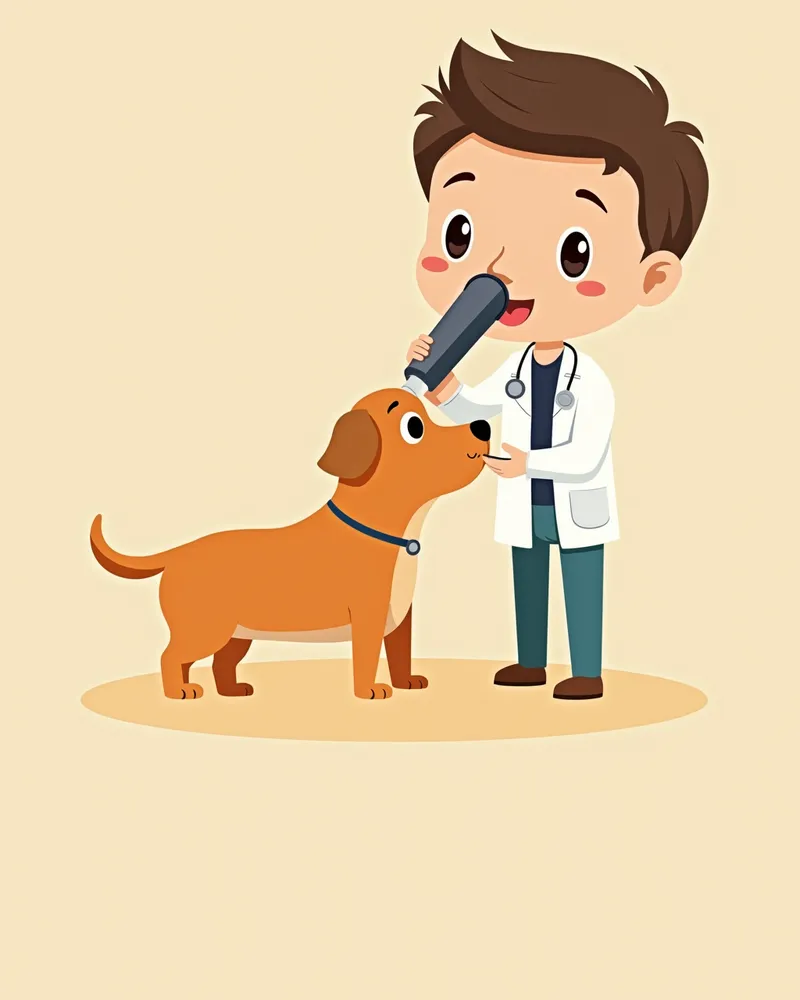
Diagnosing strabismus involves not only an ophthalmic examination but also a neurological assessment. - Neurological and cranial nerve examination: We evaluate pupillary reflexes, eye movements, and the presence of resting or positional strabismus and nystagmus to determine the location of the lesion. - Imaging studies (CT and MRI): Advanced imaging such as MRI and CT provides the most accurate information for identifying lesions in the orbit, tissues behind the eye, and within the skull. - Ophthalmic examination: We assess ocular structures and visual responses to determine the impact on vision. - Comprehensive health evaluation: Since strabismus can be a symptom of systemic disease, we also evaluate the overall health status. A professional assessment by a veterinarian is essential for an accurate diagnosis.
A veterinarian examining a puppy's eyes

Treatment Methods Vary Depending on the Cause, and Surgery May Be Required
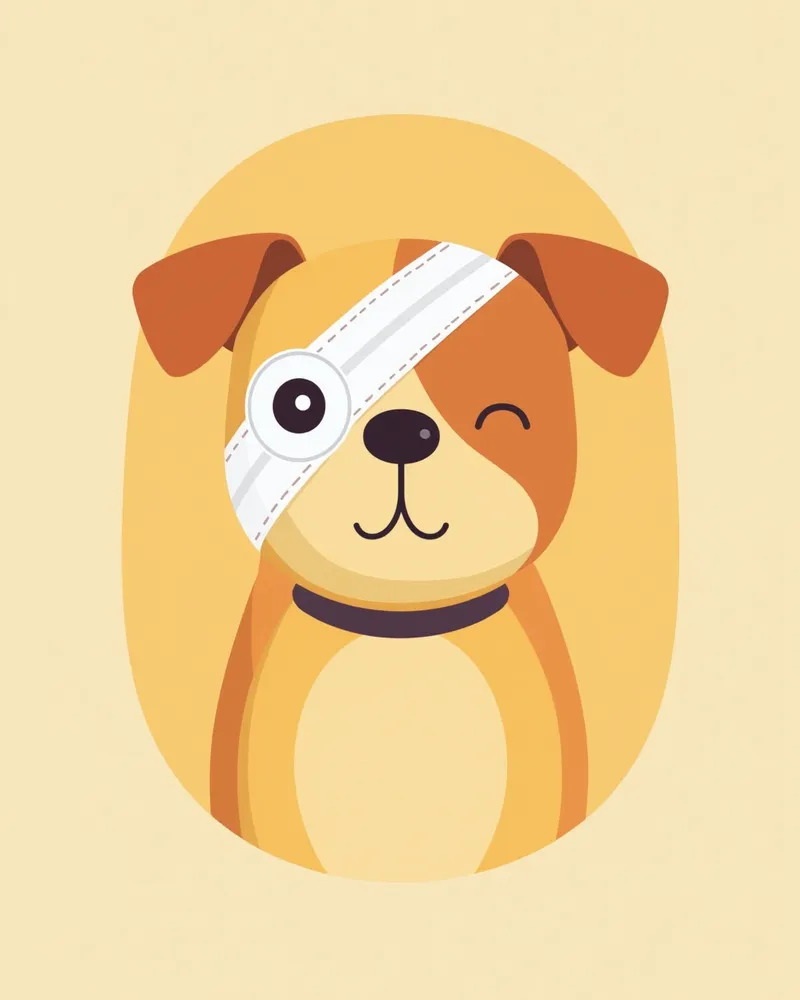
The key to treating strabismus is identifying and addressing the underlying cause. - Neurological causes: If the strabismus is caused by vestibular disease, intracranial conditions, or cranial nerve damage, the priority is to diagnose and treat the underlying condition. - Orbital disease causes: If inflammation or tumors in the orbit are the cause, treatment for those specific conditions is necessary. - Cause-specific approach: The treatment direction varies significantly depending on the cause and severity, so the veterinarian will develop a plan based on the examination results. - Re-evaluation and management: During treatment, neurological symptoms and changes in vision are regularly re-evaluated to monitor progress. The outcome depends on the type of underlying disease and whether it was diagnosed early.
A puppy recovering from strabismus surgery

In Home Care, It Is Important to Minimize Stimuli and Maintain a Stable Environment

For dogs with strabismus, the key to home care is maintaining a stable environment. - Minimize stimuli: Avoid sudden noises, bright lights, and interactions with other animals that could lead to conflict. - Secure the play area: Remove sharp objects and eliminate hazards that could cause falls from heights. - Manage activity levels: Since balance may be impaired, be cautious with activities involving excessive running or rolling around. - Medication administration: Give prescribed medications at the correct times and in the exact dosages. - Regular check-ups: Communicate regularly with your veterinarian to monitor recovery and progress. A stable environment greatly aids in healing.
A puppy with strabismus resting in a calm environment

Certain Breeds Have a Higher Risk of Developing Strabismus

Veterinary literature reports cases of strabismus in some mixed-breed Beagles and Huskies, as well as visual abnormalities associated with systemic conditions like mucopolysaccharidosis in breeds such as the Shiba Inu. Therefore, if there is a family history or suspicion of systemic disease, it is advisable to monitor eye health from an early age. Before adoption, carefully review the breed-specific characteristics and health records.

Reviewed by a veterinarian

Dr. Tony — Punnawat Phongkittirak

Dr. Tony — Punnawat Phongkittirak

Veterinarian

A veterinarian who majored in veterinary medicine at Khon Kaen University, Thailand, and completed the IVSA program at North Carolina State University in the United States. Drawing on clinical experience at animal hospitals, he works in the pet healthcare field and is dedicated to building a digital care environment that connects pet parents with veterinarians.

Frequently Asked Questions

Is treatment available for dogs with this condition?
The key to treating strabismus is identifying and addressing the underlying cause. Treatment approaches vary depending on the root issue—whether it’s a vestibular or intracranial disorder, or an orbital condition—so an accurate diagnosis by a veterinarian is essential.
Is strabismus hereditary?
Veterinary literature has reported strabismus in some mixed-breed Beagles and Huskies, while in breeds like the Shiba Inu, visual abnormalities have been documented alongside systemic conditions such as mucopolysaccharidosis. If there is a family history or suspicion of a systemic disease, it is advisable to also evaluate the condition of the eyes.
Does strabismus cause vision loss?
Strabismus can sometimes be accompanied by a decline in visual responsiveness. However, because it often signals vestibular dysfunction or disorders of the cranial nerves and brain, a neurological evaluation is necessary if you notice any changes in your pet's vision.
Can strabismus be corrected?
The likelihood and duration of recovery vary significantly depending on the type and severity of the underlying condition causing the strabismus, as well as whether it was diagnosed early. During treatment, neurological symptoms and changes in vision are regularly reassessed.
Does strabismus always require surgical treatment?
Strabismus is usually a sign of an underlying condition, so treating the primary disease comes first. The treatment plan varies depending on the cause and the pet’s condition, so your veterinarian will determine the best approach based on the specific situation.

Share

Related Guides

References

[1] BSAVA Manual of Canine and Feline Dermatology, 4th Ed, 2023

[2] Plumb's Veterinary Drug Handbook, 9th Ed, 2022

[3] Veterinary Ophthalmology, 5th Ed, 2021

This information is based on veterinary literature and does not replace diagnosis or treatment. Please consult a veterinarian for specific health concerns.

Metapet Co., Ltd. | CEO: Park Sung-yong | Business Reg. No. 417-88-02562 | Seoul, South Korea | Customer Center

Cross-Eyed Dogs: Causes of Strabismus & When to Treat | Meongsiljang