Like
Share
멍실장
고양이 요붕증 증상과 진단·치료, 평생 식이·관리 가이드

My Cat Drinks Too Much Water — From Diabetes Insipidus Diagnosis to Lifelong Care

EndocrineDiseasesMeongsiljang Veterinary Advisory Board

Feline diabetes insipidus is an endocrine disorder in which abnormal antidiuretic hormone levels prevent the kidneys from concentrating urine. Let’s take a detailed look at the symptoms, diagnosis, treatment, and daily care.

What Is Feline Diabetes Insipidus?
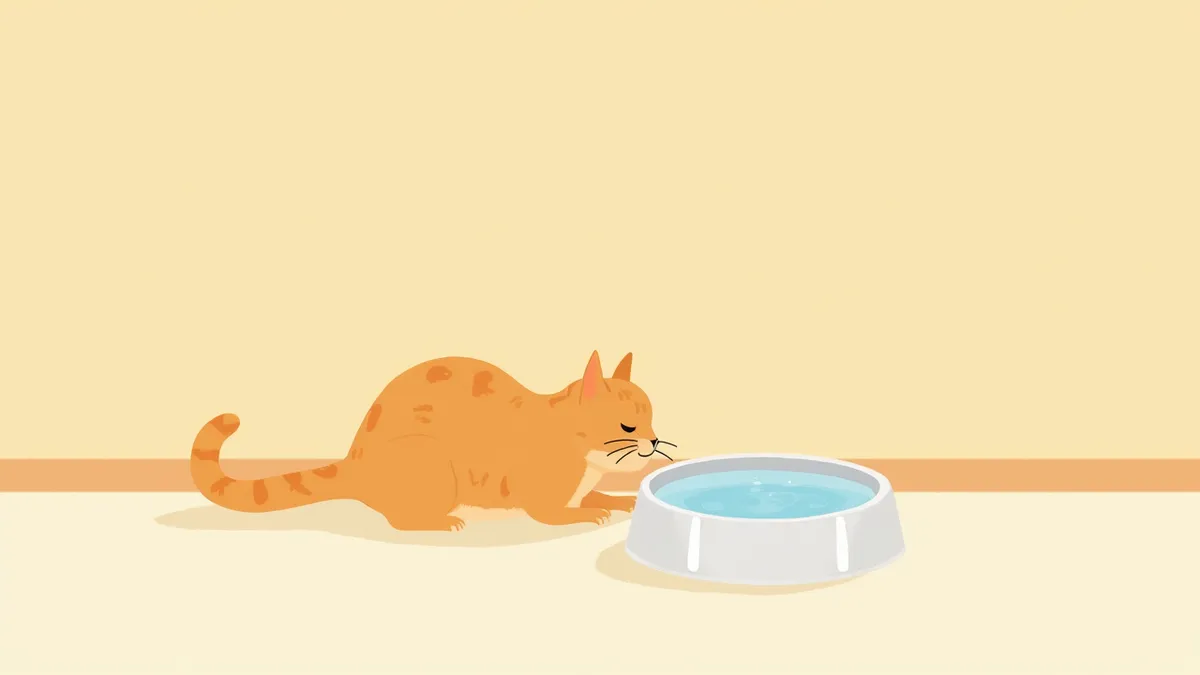
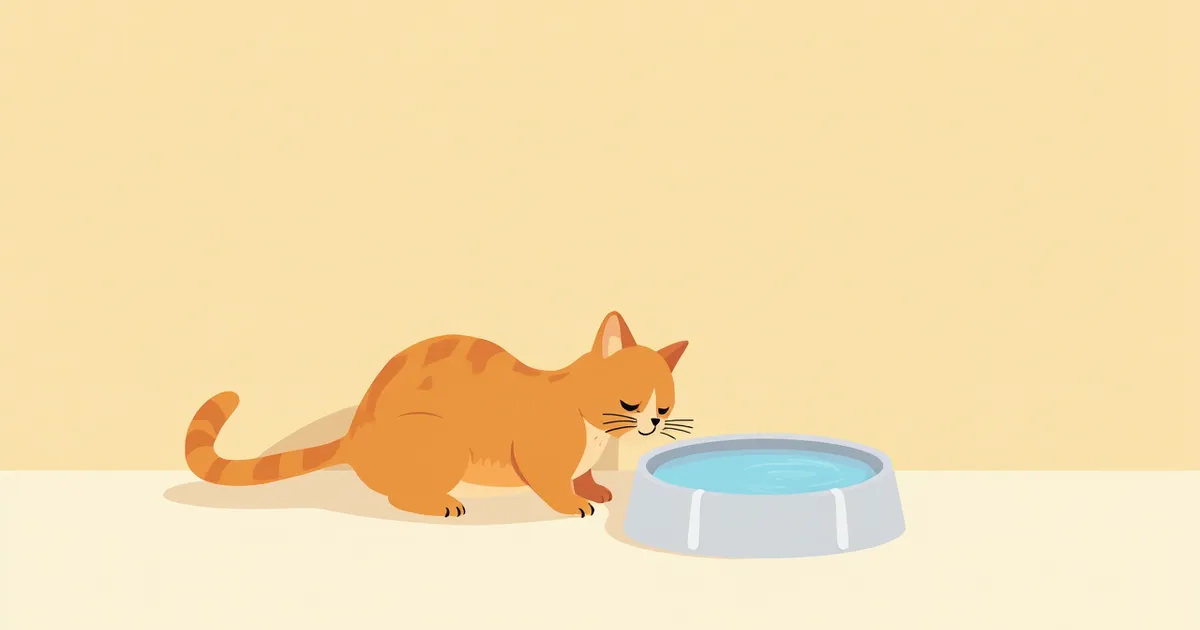
A cat sitting next to its water bowl
Feline diabetes insipidus is an endocrine disorder in which insufficient secretion of antidiuretic hormone (ADH) or renal unresponsiveness to the hormone impairs the kidney’s ability to concentrate urine. Early detection is crucial. If your cat is drinking abnormally large amounts of water or producing a sudden increase in urine volume, have a urine specific gravity test performed at a veterinary clinic right away. Left untreated, the condition can lead to severe dehydration and electrolyte imbalances. Although its name resembles that of diabetes mellitus, diabetes insipidus is a completely different disease, involving a problem with water-regulating hormones rather than blood sugar.

Causes of Diabetes Insipidus — Central vs. Nephrogenic

Diabetes insipidus is classified into two types, depending on where the problem with antidiuretic hormone occurs.
Central diabetes insipidus: This occurs when the pituitary gland or hypothalamus fails to produce or secrete enough antidiuretic hormone (vasopressin). Structural brain issues, such as pituitary tumors, can be the cause, as can congenital abnormalities in hormone production or secretion.
Nephrogenic diabetes insipidus: In this type, antidiuretic hormone is secreted normally, but the renal tubules do not respond properly to its signal. This can involve underlying kidney dysfunction or certain metabolic or drug-related factors.
Because treatment approaches differ significantly depending on the cause and type, accurate diagnostic testing by a veterinarian is essential.

Key Symptoms Checklist

Polyuria: Your pet’s daily urine output increases noticeably. They may need to go to the bathroom more often or have accidents outside.
Polydipsia: They quickly empty their water bowl or seek out water in places they usually ignore. Daily water intake can exceed 100 mL per kilogram of body weight.
Weight Loss: Despite drinking more water, fluids continue to leave the body, and a decreased appetite can lead to gradual weight loss.
Lethargy: They may show reduced activity levels and lose interest in play.
Signs of Dehydration: Even with increased thirst and water consumption, mild to moderate dehydration may persist. Skin elasticity may decrease, and gums may become dry.
If symptoms of polyuria and polydipsia last for several days or more, it is essential to have your pet examined at a veterinary clinic.
Cats drinking excessive amounts of water — a sign of diabetes

Signs That Require Immediate Veterinary Care

Seek veterinary care immediately if you notice any of the following symptoms: - Drinking little to no water for over 24 hours, or conversely, drinking excessively and continuously - Vomiting or diarrhea accompanied by suspected dehydration - Sudden collapse or unsteady gait - Seizures or apparent clouding of consciousness

Diagnosing Diabetes Insipidus

Urine specific gravity test: This is the most basic test. In cases of diabetes insipidus, the urine is extremely dilute, with a specific gravity of 1.001–1.007 (normal: 1.035 or higher).
Blood tests: These check electrolytes, kidney and liver function, blood sugar, and more to rule out other diseases.
Water deprivation test: After restricting water for a set period, this test evaluates the ability to concentrate urine. It must be performed under veterinary supervision.
Desmopressin response test: This test observes changes in urine concentration after administering synthetic antidiuretic hormone to differentiate between central and nephrogenic types.
Brain MRI: If central diabetes insipidus is suspected, an MRI is used to check for abnormalities in the hypothalamus or pituitary gland.

Treatment Approaches by Type

Central Diabetes Insipidus: Desmopressin (DDAVP), a synthetic antidiuretic hormone, is administered as eye drops or nasal drops. Lifelong medication is often required, and the dosage is individually adjusted by your veterinarian.
Nephrogenic Diabetes Insipidus: The underlying condition (such as chronic kidney disease or hypercalcemia) is treated first. Symptoms may improve with the resolution of the cause alone. If the condition is irreversible, management involves a low-sodium diet and ensuring adequate water intake.
Common Supportive Care: In cases of severe dehydration, hospitalization for intravenous fluid therapy and electrolyte supplementation is necessary.
A veterinarian examining a cat at an animal hospital

Home Care and Management Tips

Always provide fresh water: Since your pet will drink more, place water bowls in several locations and refresh the water multiple times a day. Using a circulating water fountain can encourage even greater intake.
Track water intake and urine output: Keeping a daily log of water consumption and litter box usage provides valuable information for regular check-ups.
Maintain a low-sodium diet: Consistently feeding a low-sodium diet helps reduce the burden on the kidneys.
Adhere to the medication schedule: If desmopressin has been prescribed, it must be administered at the designated times to maintain its effectiveness.
Regular check-ups: Monitor your pet’s condition every 3 to 6 months through urine specific gravity and blood tests.
A pet owner who prepares multiple water bowls for their cat

Breed-Specific Considerations and Recurrence Management

Central diabetes insipidus can recur or worsen with neurological signs as an underlying lesion, such as a pituitary tumor, grows. For cats with confirmed brain tumors or a history of neurological symptoms, it’s advisable to consult your veterinarian and monitor their condition through regular imaging studies. Since some cats may exhibit symptoms from a young age due to congenital factors, keeping track of water intake in cats that drink unusually large amounts can help detect abnormalities early.

Reviewed by a veterinarian

Dr. Tony — Punnawat Phongkittirak

Dr. Tony — Punnawat Phongkittirak

Veterinarian

A veterinarian who majored in veterinary medicine at Khon Kaen University, Thailand, and completed the IVSA program at North Carolina State University in the United States. Drawing on clinical experience at animal hospitals, he works in the pet healthcare field and is dedicated to building a digital care environment that connects pet parents with veterinarians.

Frequently Asked Questions

Can feline diabetes insipidus be cured?
In nephrogenic diabetes insipidus, symptoms may improve once the underlying cause—such as electrolyte imbalances or certain medications—is addressed. Central diabetes insipidus can be effectively managed with desmopressin, but depending on the cause, lifelong treatment is often necessary.
Does drinking a lot of water always mean your pet has diabetes insipidus?
Not necessarily. Other conditions, such as diabetes mellitus, chronic kidney disease, and hyperthyroidism, can also cause polyuria and polydipsia. It is essential to differentiate these through urine specific gravity and blood tests.
How is desmopressin administered?
Typically, the medication is administered as eye drops into the inner eyelid or as one or two drops into the nostrils. While it may feel unfamiliar at first, you'll become comfortable with the process and can easily administer it at home. The dosage is carefully adjusted by your veterinarian based on your pet's weight and response to treatment.
Is it okay to leave a cat with diabetes insipidus alone for long periods?
Make sure your pet always has access to plenty of water. Since dehydration can set in quickly when water runs out, it’s safest to provide an automatic water dispenser or multiple water bowls when you’re away.
Do cats with diabetes insipidus need to be fed a special diet?
If your pet has nephrogenic diabetes insipidus or a concurrent kidney disease, a low-sodium prescription diet can be helpful. For central diabetes insipidus alone, a specific prescription diet isn’t strictly necessary, but it’s best to consult your veterinarian to choose a diet that suits your pet’s current health status.

Share

Related Guides

References

[1] Feldman EC, Nelson RW. Canine and Feline Endocrinology and Reproduction, 3rd Ed. Saunders, 2004.

[2] Little SE (Ed.). The Cat: Clinical Medicine and Management, 2nd Ed. Elsevier, 2022.

[3] Ettinger SJ, Feldman EC, Cote E. Textbook of Veterinary Internal Medicine, 8th Ed. Elsevier, 2017.

This information is based on veterinary literature and does not replace diagnosis or treatment. Please consult a veterinarian for specific health concerns.

Metapet Co., Ltd. | CEO: Park Sung-yong | Business Reg. No. 417-88-02562 | Seoul, South Korea | Customer Center

My Cat Drinks Too Much Water? Diabetes Insipidus Care Guide | Meongsiljang