Like
Share
멍실장
고양이 요도 협착 증상과 원인, 진단·치료와 관리 포인트 총정리

Feline Urethral Stricture: Symptoms, Causes, Diagnosis, Treatment, and Management Essentials

UrinaryDiseasesMeongsiljang Veterinary Advisory Board

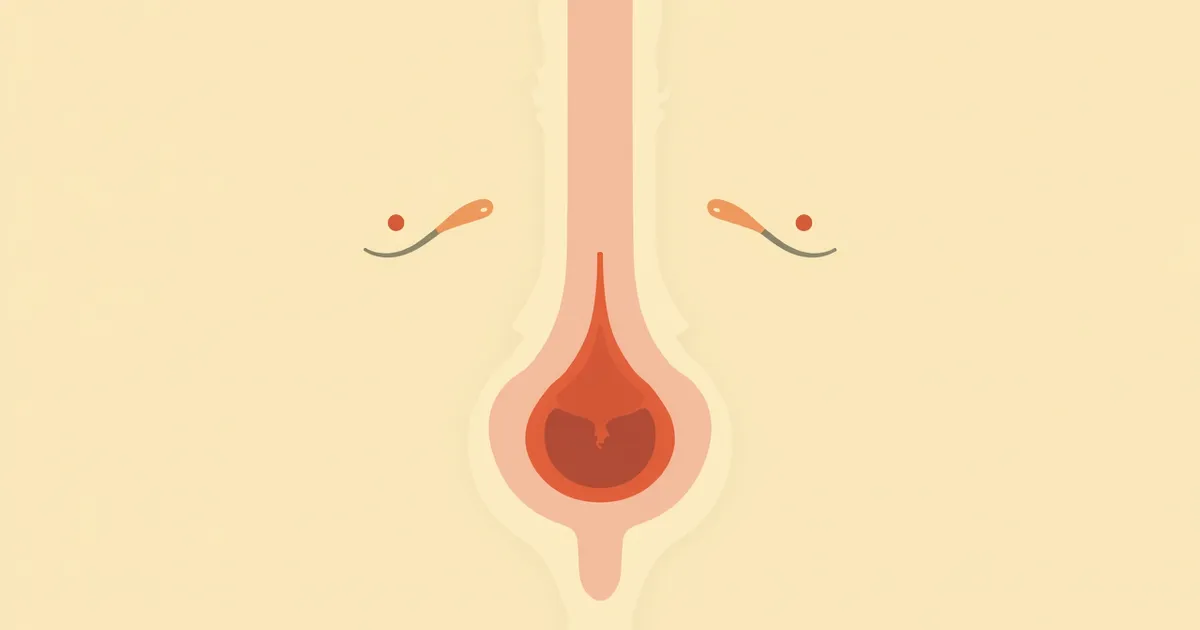
Feline urethral stricture is a condition in which the urethra narrows, making it difficult to pass urine. It can lead to acute pain and urinary obstruction, so immediate veterinary care is essential.

What is Feline Urethral Stricture?
A cat suffering from urethral stricture
Feline urethral stricture is a condition in which the urethra becomes abnormally narrowed, preventing proper urine flow. This condition causes severe pain in cats and, in severe cases, can lead to urinary obstruction, which is life-threatening. - Urethral stricture: A condition in which urine flow is impeded due to structural abnormalities, inflammation, or plugs composed of mucus and crystals within the urethra. - Acute pain: Cats exhibit repeated attempts to urinate with little to no output, causing significant distress. - Risk of urinary obstruction: Complete inability to urinate is life-threatening and requires immediate veterinary attention. - Vulnerability in male cats: Male cats have longer and narrower urethras, placing them at higher risk for urinary obstruction.

What are the Main Causes of Urethral Stricture?
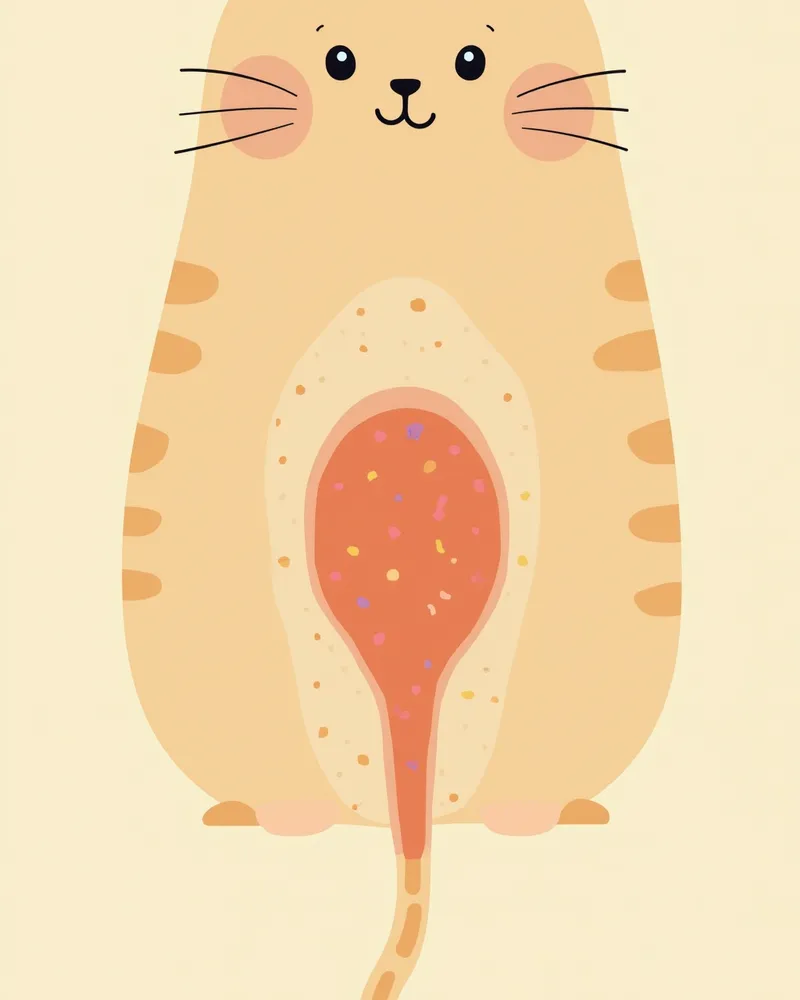
There are several potential causes of urethral stricture in cats. Common factors include inflammation within the urethra or urethritis, the formation of plugs composed of mucus mixed with struvite or calcium oxalate crystals, urinary tract stones (uroliths), urethral spasms, and anatomical characteristics. Male cats are at higher risk for stricture and obstruction because their urethras are longer and narrower. - Plug formation: One of the primary causes is the accumulation of inflammatory responses in the urethra, along with struvite and calcium oxalate crystals, which form mucous plugs. - Inflammatory response: Inflammation within the urethra, such as from urethritis, causes tissue swelling and narrowing, making it difficult for urine to pass. - Traumatic factors: Urethral damage from external trauma, stones, or catheter insertion can also lead to stricture. - Idiopathic factors: In many cases, no clear cause can be identified, classifying the condition as idiopathic. - Systemic and environmental factors: While a direct causal relationship is not always clear, stress, obesity, and indoor living can affect urinary tract health and increase the risk.
Anatomical image showing the causes of feline urethral stricture

Main Symptoms and Signs

The primary symptom of feline urethral stricture is the attempt to urinate with little to no output. This condition is painful and often results in repeated trips to the litter box.
Difficulty urinating: The cat goes to the litter box but produces little or no urine, may strain to pass only a few drops, or in severe cases, may be unable to pass any urine at all.
Repeated litter box visits: The cat frequently attempts to urinate (pollakiuria) but passes little to no urine.
Vocalization or signs of pain: The cat may cry out or crouch in discomfort while trying to urinate.
Excessive grooming of the genital area: Due to pain and discomfort, the cat may excessively lick the perineal or genital region.
Lethargy and decreased appetite: Pain or systemic deterioration can lead to reduced activity, decreased food intake, and vomiting.
If these symptoms appear, immediate veterinary attention is required.
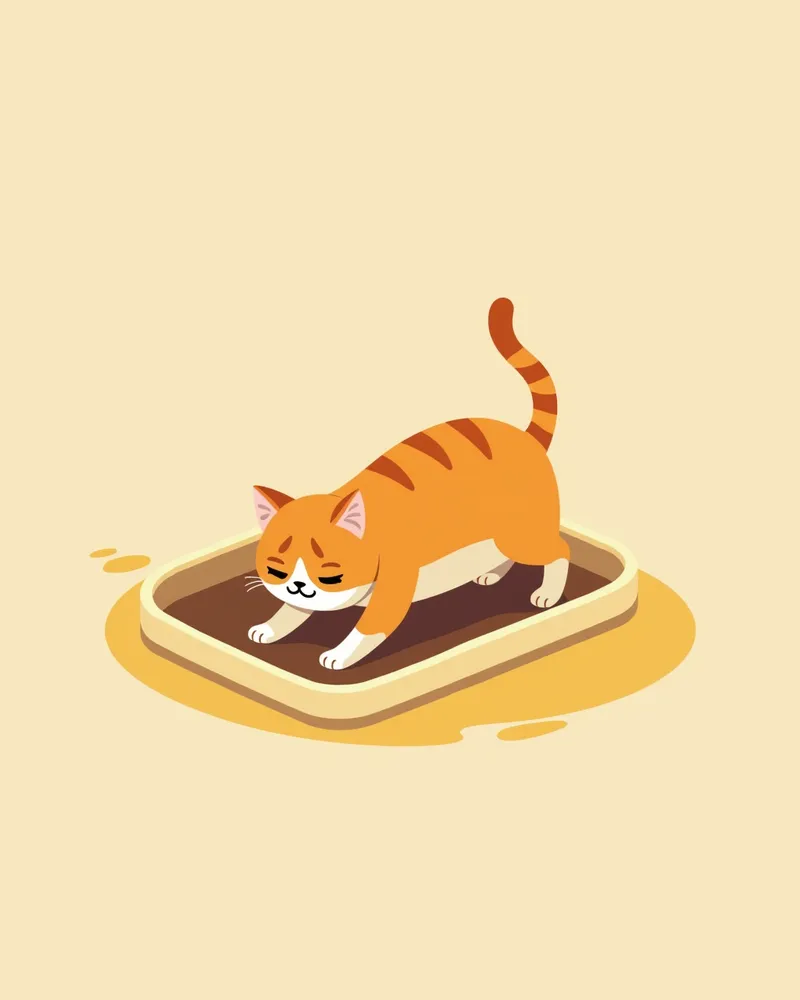
Behavioral signs of a cat suffering from urethral stricture

Symptoms Requiring Immediate Veterinary Visit

If your pet is unable to urinate at all and this persists, it can lead to a urinary tract obstruction. This condition can be life-threatening, so you should seek veterinary care immediately.

How is it Diagnosed?
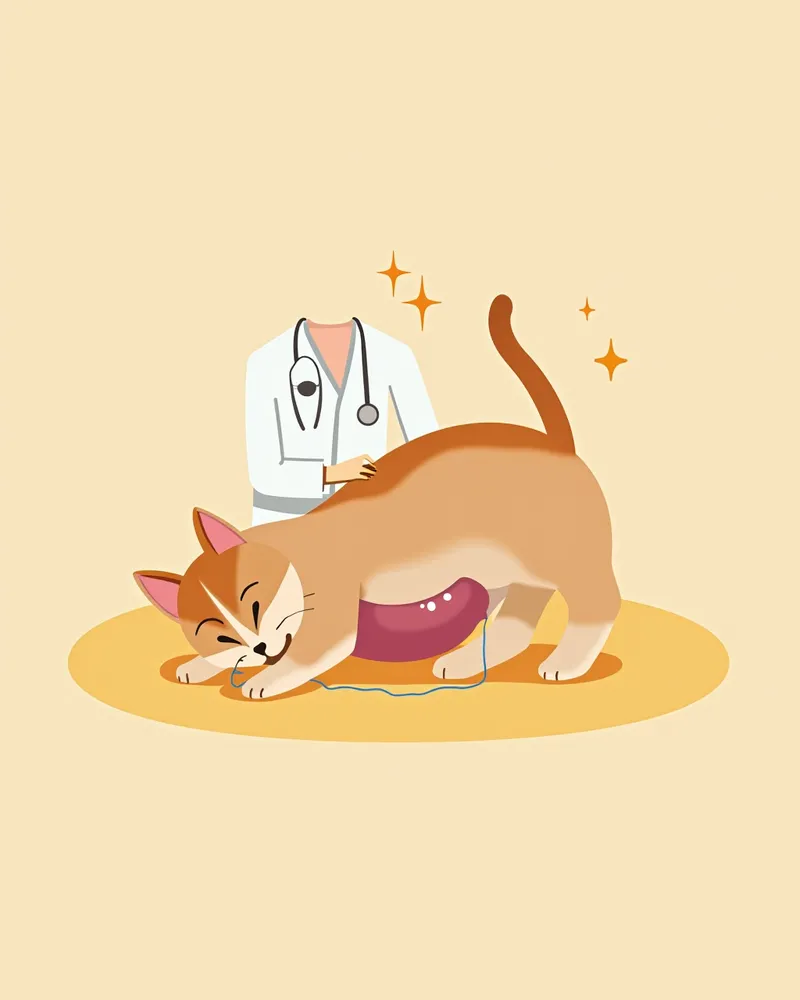
Feline urethral stricture is diagnosed based on clinical signs and in-clinic testing. First, the veterinarian will carefully assess your cat’s behavior and urination patterns, along with taking a thorough medical history. - Clinical examination and history: Evaluation of litter box usage patterns, difficulty or pain during urination, urine volume, and color. - Urinalysis and urine culture: A fundamental test to check for crystals, infection, and urine concentration. - Ultrasound and radiography: Imaging studies that help visualize the structure of the urethra and bladder, identifying stones or narrowed areas. - Urethroscopy: Direct visualization of the urethral interior to accurately locate the narrowed segment. - Blood tests: Assessment of kidney function and electrolyte levels (particularly potassium) to evaluate overall health status.
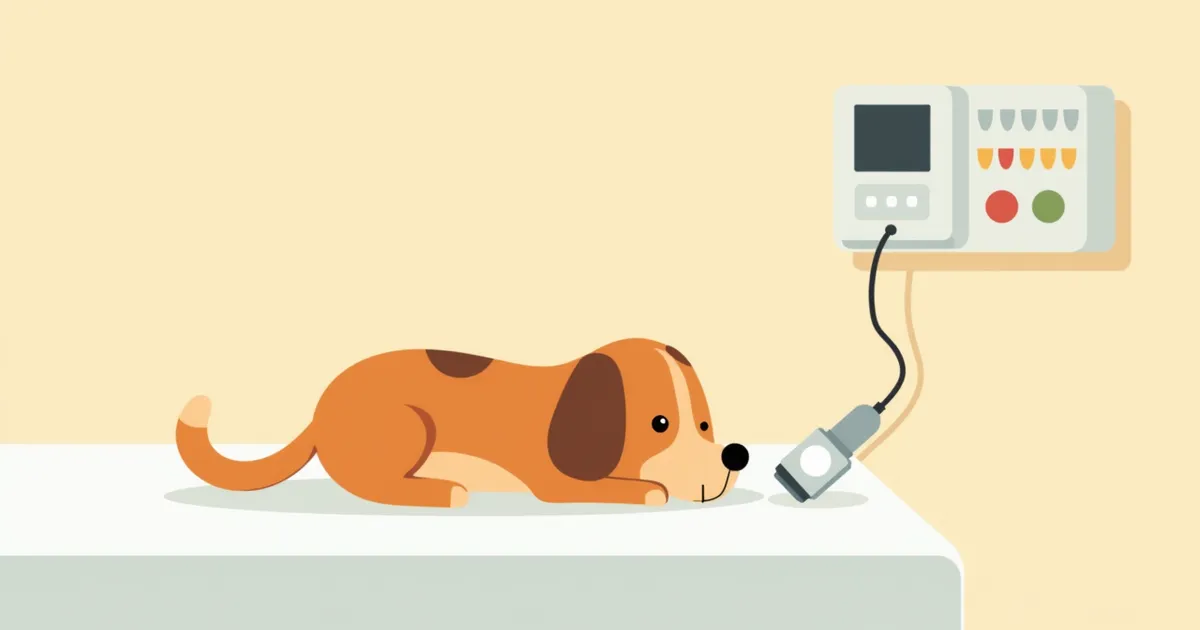
Ultrasound images for diagnosing urethral stricture in cats

Treatment Methods and Step-by-Step Approach
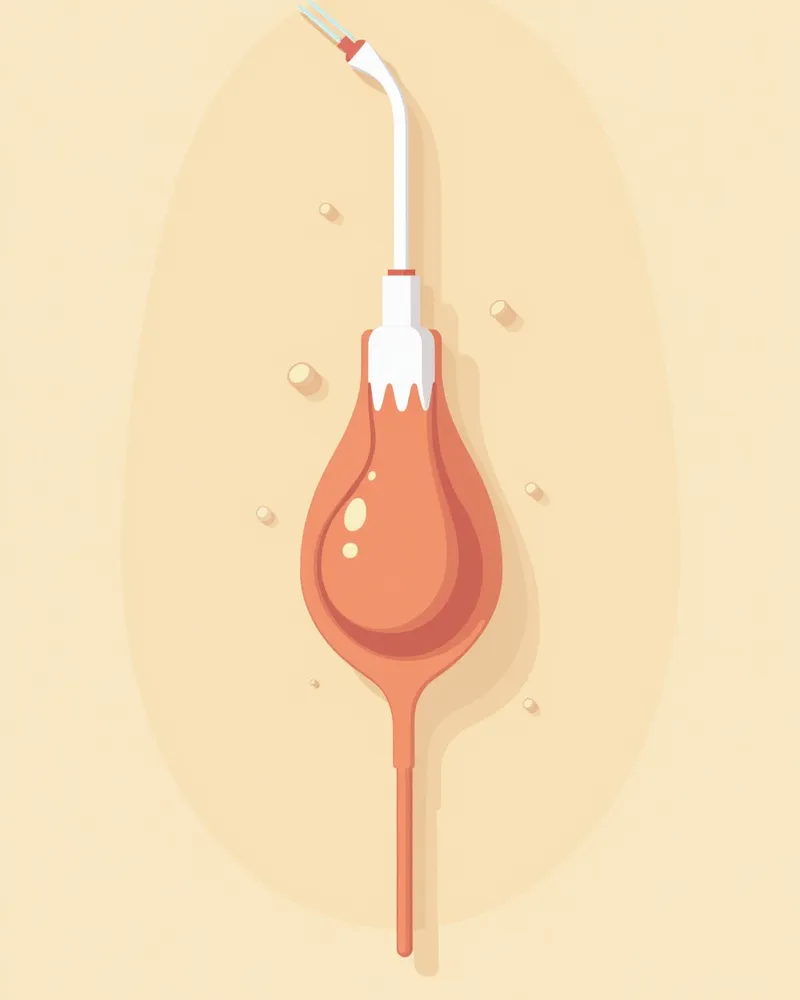
Treatment for feline urethral stricture and urinary obstruction varies depending on the severity of the condition. In the early stages, a urethral catheter is inserted to help facilitate urine flow, followed by pain management, inflammation reduction, and, if necessary, urethral dilation or reconstructive surgery.
Catheterization: Inserting a urethral catheter to immediately relieve urine retention is the standard treatment for urinary obstruction.
Fluid therapy and electrolyte correction: Fluid therapy is administered alongside catheterization to correct dehydration, hyperkalemia, and azotemia caused by the obstruction.
Anti-inflammatory medications: Anti-inflammatory drugs and analgesics are given to reduce pain and inflammation.
Urethral reconstructive surgery (perineal urethrostomy): In cases of recurrent obstruction, surgery to widen and reconstruct the urethra may be beneficial.
Treatment is carried out in stages, as determined by the veterinarian.
Image of a dilation surgery to treat urethral stricture in cats

Home Care Points

Proper home care after treatment is crucial for preventing recurrence. It’s important to carefully follow your veterinarian’s instructions for medication and environmental management.
Increase water intake: Encourage your pet to drink water frequently. Placing multiple water bowls around the house or regularly refreshing the water can help.
Dietary adjustments: Diets for urinary tract health may vary depending on the type of stones or crystals, so it’s best to choose food in consultation with your veterinarian.
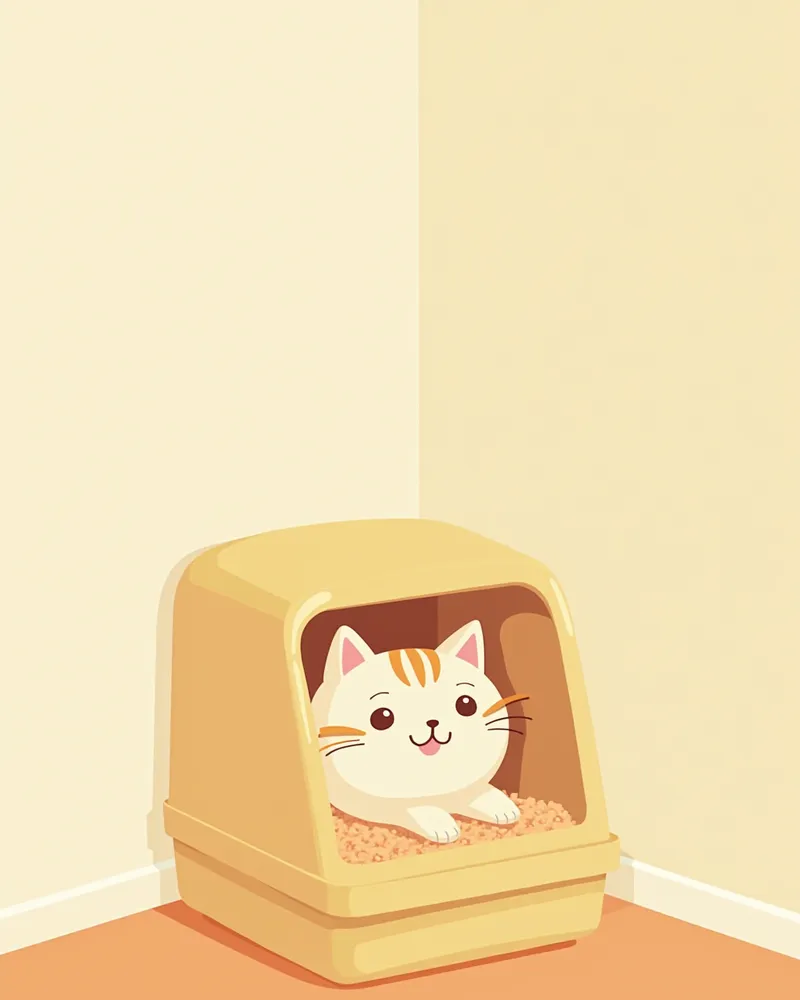
Improve litter box environment: Provide clean, quiet litter boxes in sufficient numbers and clean them regularly.
Reduce stress: Stress is a significant trigger for lower urinary tract diseases, so maintaining a consistent routine can help minimize stress.
Regular check-ups: Confirm whether the condition has recurred through regular check-ups and urinalysis with your veterinarian.
Image of a bathroom environment for managing feline urethral stricture

Male Cats and Recurrence Precautions

Male cats are more susceptible to urethral stricture and urinary tract obstruction because their urethra is longer and narrower. Cats who have experienced this condition once are at a higher risk of recurrence (re-obstruction), so close monitoring is essential.

Reviewed by a veterinarian

Dr. Tony — Punnawat Phongkittirak

Dr. Tony — Punnawat Phongkittirak

Veterinarian

A veterinarian who majored in veterinary medicine at Khon Kaen University, Thailand, and completed the IVSA program at North Carolina State University in the United States. Drawing on clinical experience at animal hospitals, he works in the pet healthcare field and is dedicated to building a digital care environment that connects pet parents with veterinarians.

Frequently Asked Questions

Can feline urethral stricture be completely cured?
After treatment, most cats are able to urinate normally. However, because there is a risk of recurrence, ongoing care and vigilance are essential.
Which cats are most prone to urethral strictures?
This condition is more common in male cats, overweight cats, indoor cats, and cats under significant stress. The main causes include inflammation, plugs formed from a mixture of mucus and crystals, or urinary tract stones.
How quickly should I go to the vet if my pet develops a urethral stricture?
If your pet is unable to urinate at all, it is crucial to seek immediate veterinary care. This condition can be life-threatening, so early diagnosis and treatment are essential.
How can I prevent urethral strictures?
Increasing water intake, reducing stress, and maintaining a urinary tract health diet recommended by your veterinarian can help prevent issues. Additionally, maintaining a consistent environment and scheduling regular check-ups are also important.
How long is the recovery period after urethral stricture surgery?
The recovery period after surgery varies depending on the cat’s condition and the extent of the procedure. Generally, you should monitor your cat for several days to one or two weeks, following your veterinarian’s instructions regarding medication and activity restrictions.

Share

Related Guides

References

[1] The Cat, Clinical Medicine and Management, 2nd Edition, 2023

[2] Feline Urology: Diagnosis and Management, 3rd ed., 2021

[3] American Association of Feline Practitioners (AAFP) Feline Urinary Health Guidelines, 2022

This information is based on veterinary literature and does not replace diagnosis or treatment. Please consult a veterinarian for specific health concerns.

Metapet Co., Ltd. | CEO: Park Sung-yong | Business Reg. No. 417-88-02562 | Seoul, South Korea | Customer Center

Feline Urethral Stricture: Symptoms, Causes, Treatment & Management | Meongsiljang