
Like
Share
멍실장
강아지 벼룩 감염·구제 증상과 원인, 진단·치료와 관리 포인트 총정리

Comprehensive Guide to Flea Infestation in Dogs: Symptoms, Causes, Diagnosis, Treatment, and Management

Infection/ParasitesDiseasesMeongsiljang Veterinary Advisory Board

Flea infestations in dogs can cause a range of symptoms, including skin itching, hair loss, and anemia. Early diagnosis and comprehensive management are essential.

Flea infestation in dogs is a parasitic disease that occurs easily due to the fleas' rapid reproduction and environmental contamination.
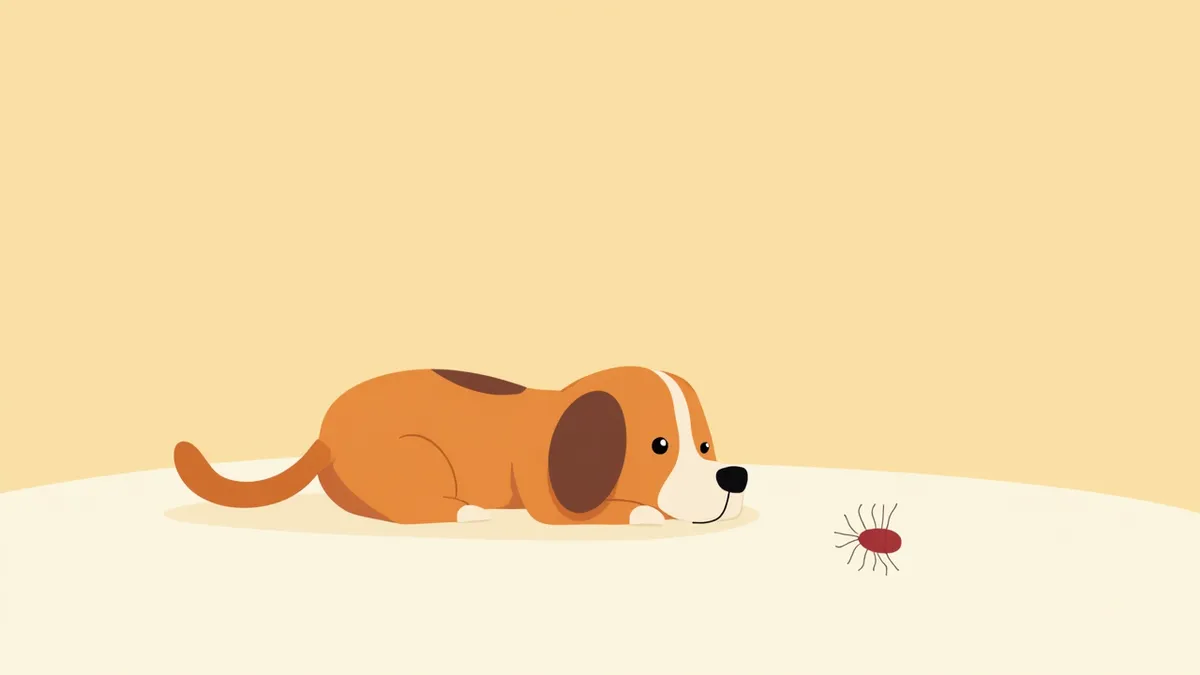
The appearance of fleas visible on a dog's fur
Flea infestation in dogs occurs when fleas parasitize the skin surface and feed on blood. After feeding on the host, fleas lay eggs in the fur, and most of these eggs fall from the fur into the environment shortly after being laid. The eggs that drop into the environment hatch into larvae within a few days. The larvae go through three stages before forming a cocoon and becoming pupae. Once mature inside the cocoon, adult fleas emerge in response to mechanical stimuli such as vibrations, completing their life cycle. - Flea Reproductive Capacity: Female fleas are highly prolific, laying dozens of eggs daily. This allows them to persist in the environment as eggs, larvae, and pupae, leading to reinfection. - Environmental Contamination: Most immature stages, including eggs, larvae, and pupae, reside in the environment. Inadequate cleaning can result in recurring infestations. - Transmission Routes: Infection is easily acquired through direct contact with already infested animals or by visiting areas with high concentrations of immature flea stages. - Importance of Prevention: Early detection and comprehensive management are essential. Effective control requires combining environmental cleaning with medical treatment.

The main causes of flea infestation are the fleas' rapid reproduction and the eggs, larvae, and pupae remaining in the environment.
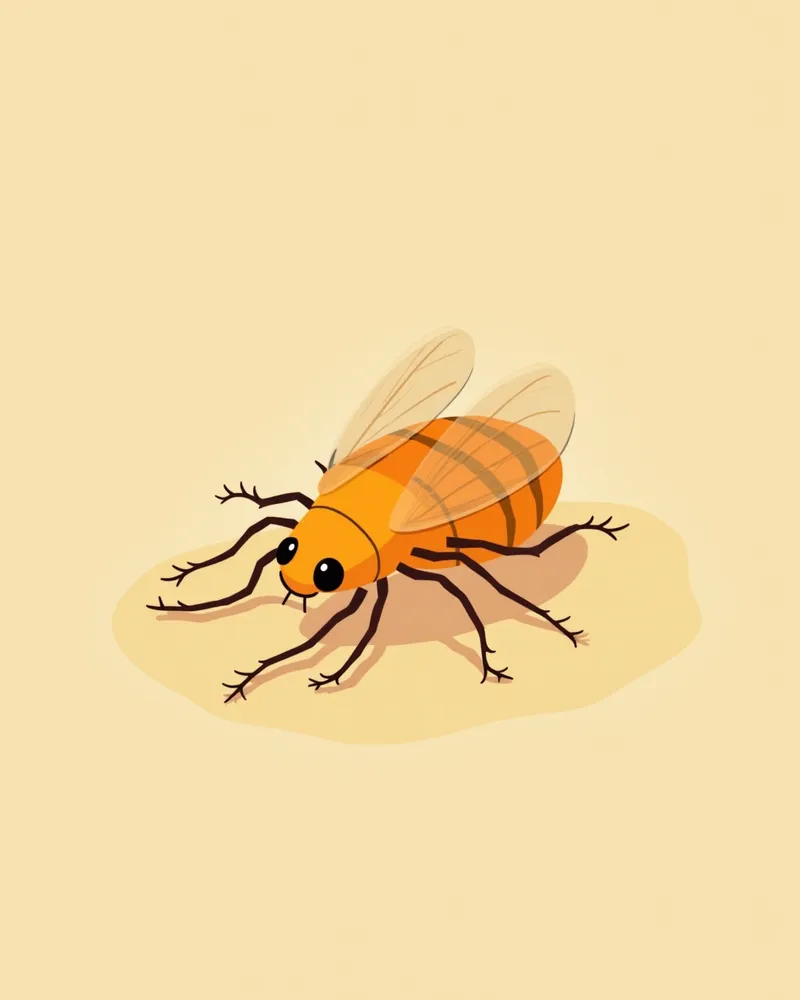
The main causes of flea infestations in dogs are the fleas' strong reproductive capacity and the eggs, larvae, and pupae remaining in the home environment. Female fleas lay eggs on the host's fur after feeding on blood, and their reproductive capacity is so strong that they can lay dozens of eggs every day. Most of the eggs fall off the fur and scatter into the environment shortly after being laid, and they hatch within a few days in warm environments. The hatched larvae hide in dark and humid places such as dust, carpets, and wall cracks, where they grow by feeding on organic matter and adult flea feces. The larvae go through three stages to form a cocoon and become pupae, and then emerge as adults when stimulated by vibrations. - Characteristics of eggs: Flea eggs fall from the fur into the environment shortly after being laid, and they hatch within a few days in warm environments. - Larval breeding environment: Larvae hide in dark and humid places such as dust, carpets, and wall cracks, where they grow by feeding on organic matter and adult flea feces. - Pupal stage: The duration of the pupal stage varies depending on environmental conditions, and adults emerge from the cocoon when stimulated by mechanical factors such as vibrations. - Risk of reinfection: If the environment is not properly cleaned, immature stages remain, leading to repeated infections. - Prevention strategy: Clean the entire home, manage all animals that come into contact, and continue medication treatment to the end.
The appearance of flea eggs and larvae inside a dog bed

You need to quickly identify the main symptoms and signs.
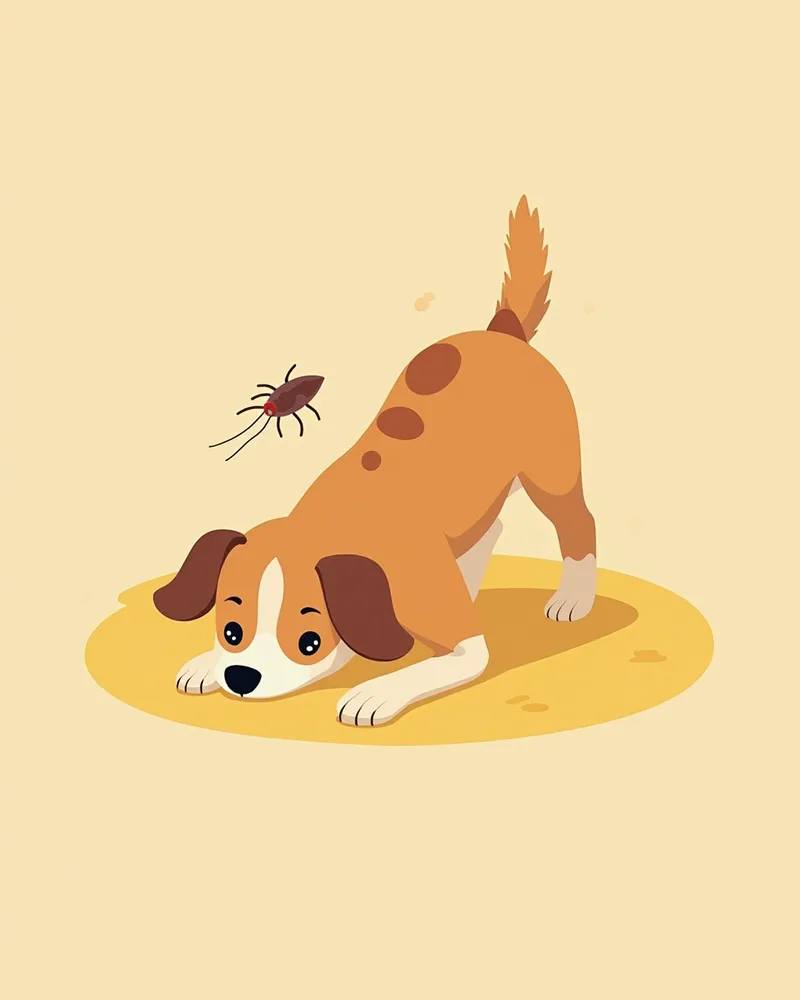
The main symptoms of a flea infestation in dogs include the following:
Itching: Dogs may repeatedly scratch or lick areas where fleas are present. Some dogs experience severe itching due to an allergic reaction.
Hair loss: Persistent scratching can lead to hair loss and skin irritation.
Skin rash: Red spots, blisters, and inflammation may develop, causing intense itching.
Anemia: In severe cases, heavy blood loss from flea bites can lead to weakness and rapid breathing.
Black specks: Flea feces may appear as small black dots on the fur.
If you notice any of these signs, consult your veterinarian immediately. Professional evaluation is especially important if the itching persists or the skin condition worsens.
A puppy scratching its ears with visible fleas

Situations requiring immediate veterinary care

If your dog shows severe weakness, difficulty breathing, signs of anemia (such as pale lips), or persistent vomiting or diarrhea, seek veterinary care immediately. Severe flea infestations can be life-threatening.

Diagnosis involves detecting fleas, skin examination, and blood tests if necessary.
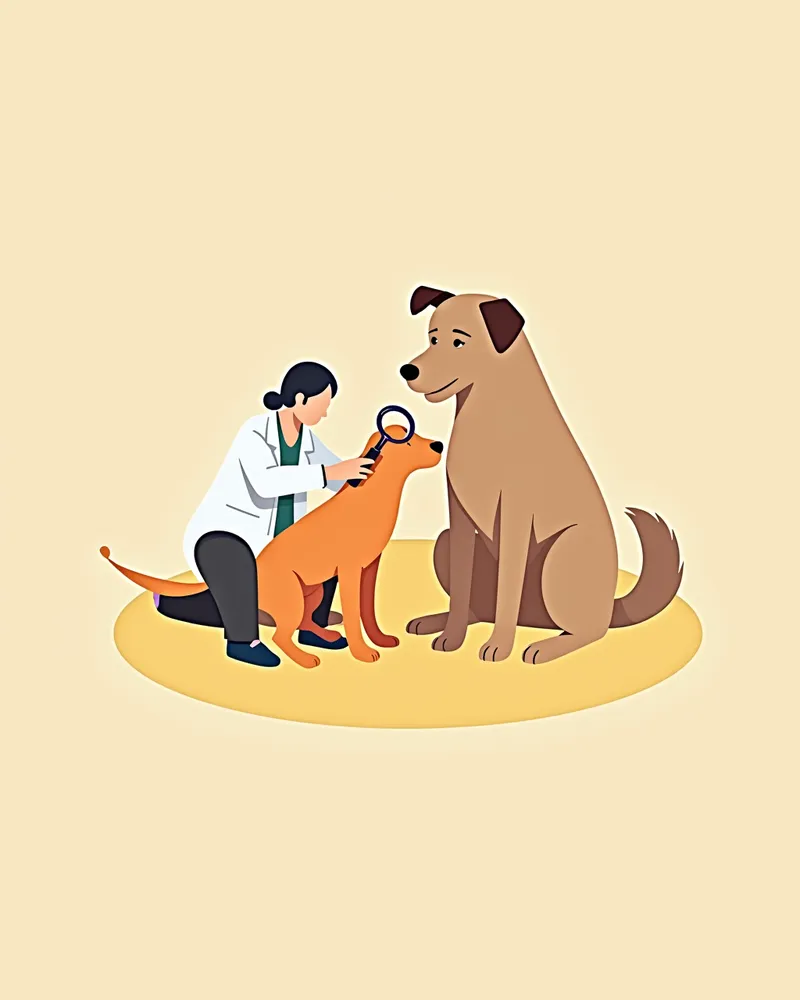
Veterinarians comb your dog’s fur over a white sheet or flat surface to directly check for adult fleas, eggs, and feces, while also examining the skin for rashes or inflammation. - Flea comb examination: All life stages of fleas and their feces are visible to the naked eye, so combing the fur or inspecting bedding can help identify adults, larvae, and pupae. - Additional skin tests: Skin scrapings, acetate tape tests, and microscopic examinations help rule out other external parasites. - Trial treatment: If flea allergy is suspected but no fleas or feces are found, a trial treatment may be administered to your pet, any animals they contact, and the environment. - Diagnostic criteria: Finding fleas or their feces strongly suggests infestation, but not seeing them doesn’t completely rule out an allergy. - Importance of early diagnosis: Early diagnosis is key to improving treatment success and preventing complications.
A veterinarian examining a puppy's skin with a magnifying lens

Treatment involves flea removal, environmental cleaning, and prevention.

Treating flea infestations in dogs involves three key steps.
Medication: A veterinarian will prescribe flea control products (such as Bravecto or Capstar). These medications quickly eliminate fleas and help prevent reinfestation.
Environmental Cleaning: Vacuum areas where your dog spends time, such as beds, rugs, and sofas, and apply flea control products.
Preventive Care: Regular use of flea preventatives and checking your dog after outdoor activities are essential.
All of these steps must be carried out together for complete treatment.
A veterinarian applying flea treatment to a puppy's back.

Consistent cleaning and regular prevention are key to home care.

Home care is crucial after your dog has been infested with fleas. Since flea eggs and larvae can persist in the environment for a long time, you should vacuum daily. - Wash bedding: Wash your dog’s bed in hot water or dry it on a high-heat setting. - Cleaning frequency: Thoroughly clean carpets, sofas, and wall crevices to eliminate flea habitats. - Medication use: Apply flea preventatives regularly and check your dog’s coat after going outside. - Limit contact: Avoid contact with other animals until the treatment course is complete. - Ongoing management: Continue preventive measures for 1–2 months even after the infestation has cleared.
Washing a dog bed in the washing machine

Certain breeds may be more sensitive to fleas.

Flea reactions vary from dog to dog. Some dogs show only small bumps or mild itching, while others may develop severe itching and dermatitis due to an allergic reaction to fleas. These differences are more closely related to individual sensitivity than to breed or coat length. Additionally, heavy infestations can lead to anemia due to significant blood loss, so it is important to respond promptly at the early stages of infestation. Since immature stages such as eggs, larvae, and pupae make up the majority of the flea population in the environment, regular cleaning of your home and bedding can greatly assist in flea management.

Reviewed by a veterinarian

Dr. Tony — Punnawat Phongkittirak

Dr. Tony — Punnawat Phongkittirak

Veterinarian

A veterinarian who majored in veterinary medicine at Khon Kaen University, Thailand, and completed the IVSA program at North Carolina State University in the United States. Drawing on clinical experience at animal hospitals, he works in the pet healthcare field and is dedicated to building a digital care environment that connects pet parents with veterinarians.

Frequently Asked Questions

My dog is itchy even though there are no fleas. Why is that?
Even if no fleas are present, other causes such as allergies, dry skin, or parasites may be responsible. In particular, allergic reactions to fleas can occur even when fleas aren’t visible, so please consult your veterinarian if the itching persists.
Why did my dog get fleas even though there are no fleas in the house?
Your dog may have brought fleas home after going outside or come into contact with other animals. Additionally, since flea eggs and larvae can hide in your home, you should suspect that fleas from outside have hatched indoors.
When should I use flea preventatives?
Flea preventatives have specific recommended application intervals depending on the product, so it’s best to use them regularly according to the product instructions and your veterinarian’s guidance. However, rather than applying them on a fixed schedule, it’s more advisable to determine whether and how often to use them based on your veterinarian’s risk assessment, taking into account your pet’s living environment and exposure risks.
Even after fleas die, black specks may remain on your pet’s fur. Why is that?
The black specks are flea feces. They can remain even after the fleas have died, and can be removed by vacuuming or washing.
Can fleas from dogs be transmitted to humans?
While direct infection in humans is rare, fleas may occasionally bite people. Be mindful, as this can cause itching.

Comparison Table of Flea Preventatives by Type

ItemDuration of EffectMethod of UseRecommended Breeds
Bravecto (capsule)At least 3 monthsOral administrationDose according to body weight
Capstar (tablet)Effective within 24 hoursOral administrationRapid kill
Frontline Plus (bath treatment)1 month or moreSpray on skinWater exposure possible

Follow the product and dosing method recommended by your veterinarian. Overuse can cause side effects. It is also important to determine whether to administer flea preventives based on ongoing risk assessment.

Share

Related Guides

References

[1] BSAVA Manual of Canine and Feline Dermatology, 4th Ed, 2003

[2] Thiemann T, Fielden LJ, Kelrick MI. Water uptake in the cat flea Ctenocephalides felis. Journal of Insect Physiology, 2003

[3] Shaw SE, Kenny MJ, Tasker S et al. Pathogen carriage by the cat flea Ctenocephalides felis in the United Kingdom. Veterinary Microbiology, 2004

This information is based on veterinary literature and does not replace diagnosis or treatment. Please consult a veterinarian for specific health concerns.

Metapet Co., Ltd. | CEO: Park Sung-yong | Business Reg. No. 417-88-02562 | Seoul, South Korea | Customer Center

Flea Infestation in Dogs: Symptoms to Treatment | Meongsiljang