Like
Share
멍실장
고양이 요도 카테터 삽입 관리 증상과 원인, 진단·치료와 관리 포인트 총정리

Cat Urethral Catheter Insertion Management: Symptoms, Causes, Diagnosis, Treatment, and Key Care Points

UrinaryDiseasesMeongsiljang Veterinary Advisory Board

Proper management of urinary catheterization in cats is an essential veterinary measure to reduce the risk of urinary obstruction. Without accurate care, the risk of infection or recurrence increases significantly.

Cat Urethral Catheter Insertion Management is an Essential Life-Saving Treatment Procedure
A veterinarian inserting a catheter into a cat's urethra under sterile conditions.
Urethral catheterization is a key treatment to prevent acute kidney failure caused by urinary obstruction. - Urinary obstruction: This procedure is performed when the bladder becomes overly distended and urine cannot be expelled. - Kidney protection: By draining urine externally through the catheter, pressure on the kidneys is reduced. - Aseptic technique: The veterinarian must insert the catheter using sterile gloves and under aseptic conditions to minimize the risk of infection. - Early intervention: If the obstruction is not relieved, blood urea nitrogen and creatinine levels will rise, making recovery difficult. - Treatment goal: The aim is not just simple drainage, but to establish a foundation for identifying the underlying cause and preventing recurrence. Urinary obstruction is relatively common in male cats and can occur due to the narrow structure of their urethra. Obstructions most frequently develop in the distal one-third of the urethra.

The Main Causes of Urethral Catheter Insertion are Urinary Obstruction and Threats to Kidney Function
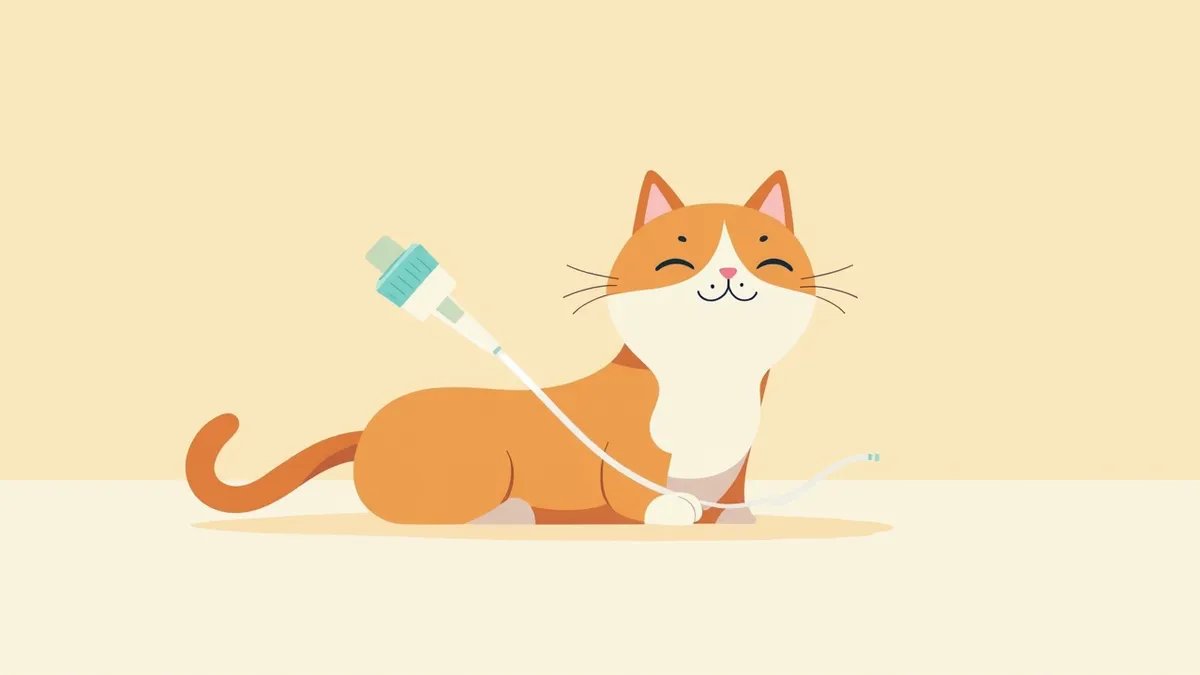
The primary reason a cat needs a urethral catheter is urinary obstruction. - Urinary Obstruction: Male cats are prone to blockages due to their narrow urethra, which can be obstructed by urethral plugs, stones, urethral spasms, tumors, or congenital abnormalities. - Risk of Kidney Damage: When urine cannot be expelled, pressure builds up in the kidneys, leading to impaired function. - Acute Kidney Failure: Urinary obstruction is the most common cause of acute kidney injury in cats; if the blockage is not relieved, it can quickly become life-threatening. - Need for Early Diagnosis: If your cat shows lower urinary tract signs such as difficulty urinating, blood in the urine, decreased urine output, or frequent attempts to urinate, immediate veterinary examination is essential. - Preventing Recurrence: It is crucial to identify the underlying cause and establish a management plan.
The narrow structure of the male cat's urethra and areas prone to blockages

Checklist of Major Symptoms That May Occur After Urethral Catheter Insertion

After inserting a urinary catheter, it’s important to closely monitor several signs, as early detection of complications is crucial.
Fever: If your pet’s body temperature rises above normal, suspect a urinary tract infection related to the catheter.
Poor Urination: Little or no urine may pass through the catheter, or the amount may suddenly decrease.
Hematuria: Blood may appear in the urine.
Restlessness: Pain at the catheter site may cause excessive licking or increased movement.
Swelling or Bleeding: The insertion site may become swollen or bleed.
These symptoms require immediate veterinary attention. Bleeding, swelling, odor, or changes in urine clarity at the catheter site may indicate an infection.
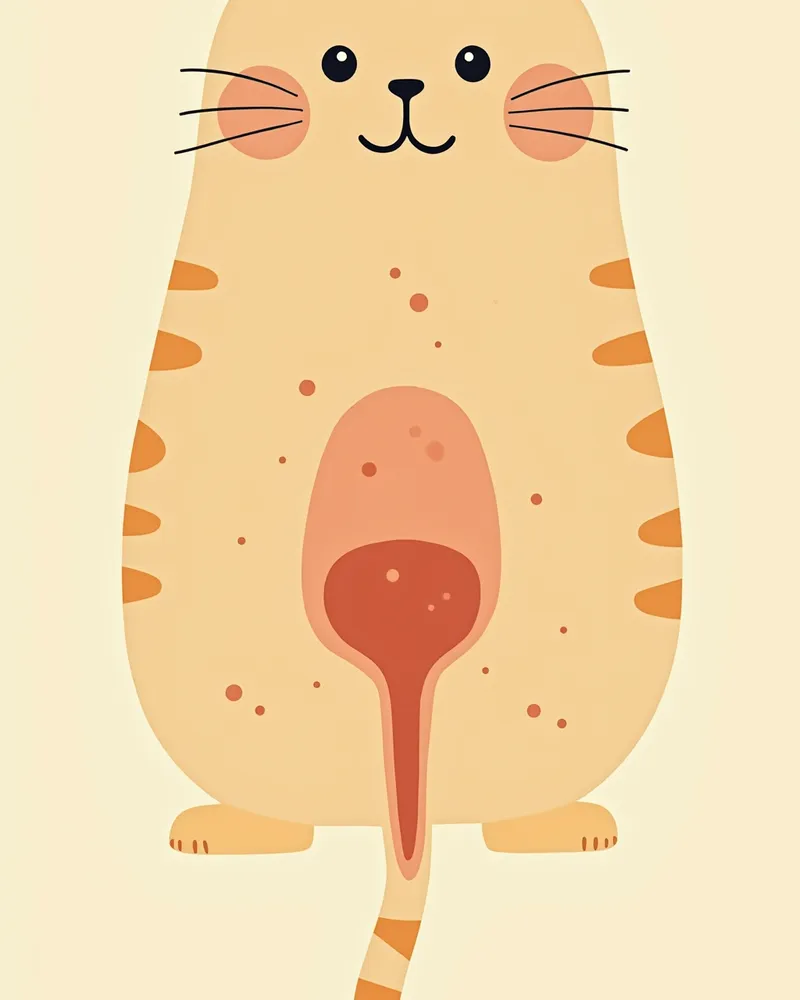
A cat appearing anxious at the site of urethral catheter insertion

Emergency Signals Requiring Immediate Veterinary Visit

If your pet develops a fever, blood in the urine, stops urinating, or shows signs of severe pain after a urinary catheter is placed, seek veterinary care immediately. These symptoms may indicate serious complications such as infection, catheter displacement, or urinary tract injury. Delaying treatment can lead to kidney damage or sepsis.

Tests and Evaluation Procedures for Accurate Diagnosis

Before inserting a urethral catheter, we conduct several tests to accurately assess the patient’s condition. - Blood tests: We check kidney function by measuring blood urea nitrogen and creatinine levels. - Urinalysis: We look for hematuria, inflammatory cells, and the presence of stones. - Ultrasound: We evaluate the degree of bladder distension and check for abnormalities in the urinary tract, such as stones or tumors. - Imaging: If necessary, we use imaging to help assess for cystitis or urethral strictures. - Overall assessment: We make a comprehensive judgment on the appropriateness and risks of catheter insertion.
Ultrasound images showing the distension of a cat’s bladder and signs of obstruction

Management Methods by Treatment Stage and Catheter Maintenance Strategies
Treatment after urethral catheter placement proceeds in stages. - Aseptic insertion: The veterinarian inserts the catheter under sterile conditions to prevent infection. - Monitoring drainage: We monitor whether urine flows smoothly through the catheter, tracking urine output on an hourly basis. - Antibiotic use: Rather than using antibiotics indiscriminately for prevention, we administer them only when necessary, based on urinalysis and culture and sensitivity test results. - Pain management: Pain relief measures are provided to ensure the cat remains comfortable. - Fluid supplementation: Intravenous fluids are administered to prevent dehydration and support kidney function recovery. - Catheter maintenance: The duration of catheterization is determined by the veterinarian based on urine output and bladder function recovery, rather than a fixed number of days.
A veterinarian records the drainage volume from a cat’s catheter.

Home Care Points and Daily Care Methods
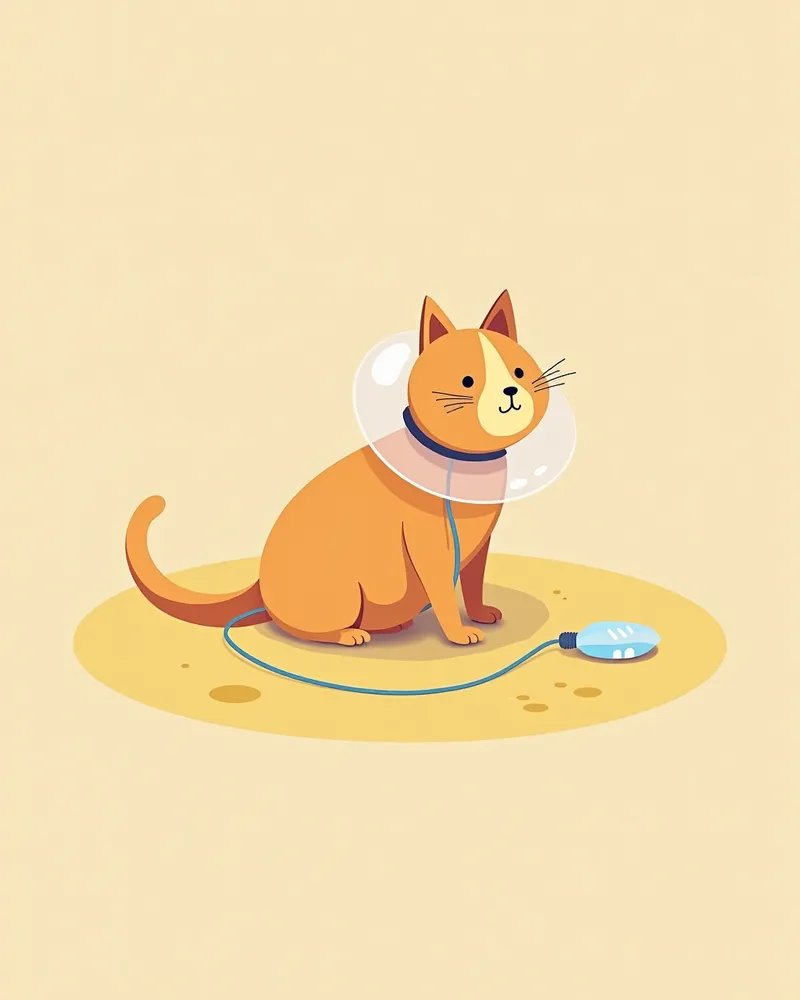
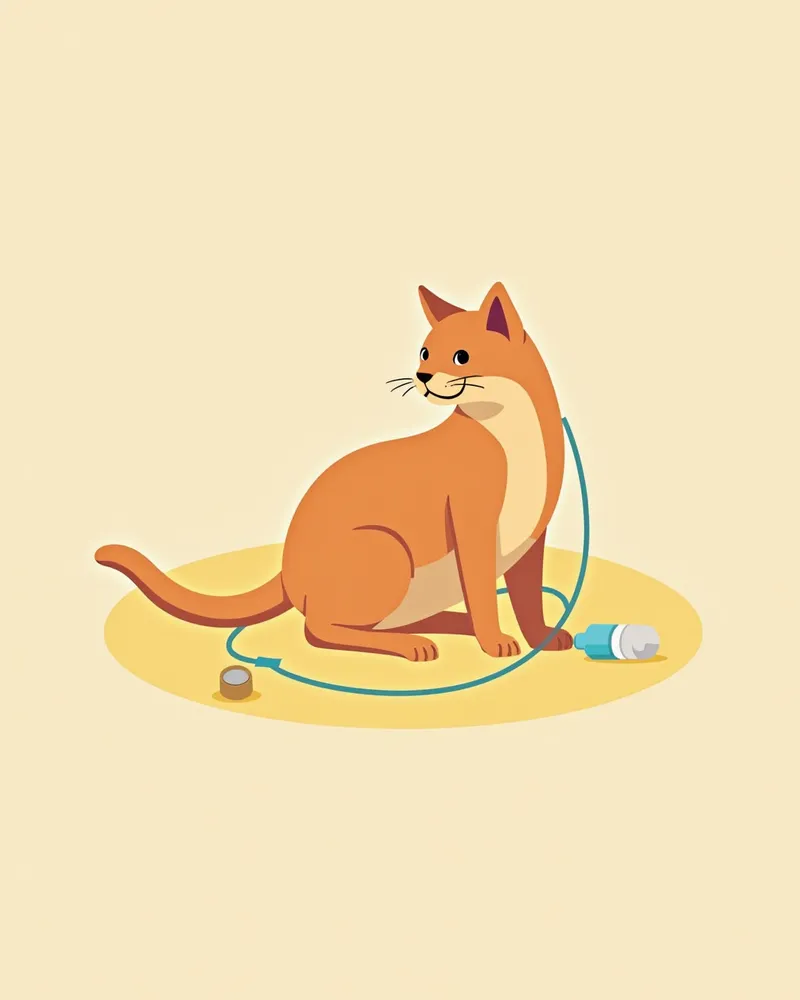
Proper home care after urethral catheter placement is crucial for a smooth recovery. - Catheter site care: Check the area daily for any bleeding, swelling, or unusual odor. - Drainage bag position: Keep the bag below the level of the bladder to ensure proper drainage. - Securing and protection: Secure the catheter to prevent dislodgement or breakage, and use an Elizabethan collar to stop your pet from licking the site. - Diet and hydration: Encourage water intake and offer wet food to support urinary tract health. - Bathroom environment: Provide a stable, safe space where the catheter won’t get caught or tangled. - Regular monitoring: Follow your veterinarian’s instructions for check-ups, and contact them immediately if you notice any concerning signs. Pay close attention to redness, swelling, odor, cloudy urine, or blood in the urine at the catheter insertion site.
A cat wearing a collar to prevent it from licking the area around its urinary catheter

Male Cats and Breeds with Genetic Predispositions Require Attention

Male cats have narrower urethras, putting them at higher risk for urinary obstruction, which most commonly occurs in the distal third of the urethra. Obstructions can also occur in cats with congenital urinary tract abnormalities. Because there is a risk of recurrence even after urethral catheterization, cats with recurrent obstructions may require a perineal urethrostomy. Therefore, it is essential to work with your veterinarian to develop a long-term management plan.

Reviewed by a veterinarian

Dr. Tony — Punnawat Phongkittirak

Dr. Tony — Punnawat Phongkittirak

Veterinarian

A veterinarian who majored in veterinary medicine at Khon Kaen University, Thailand, and completed the IVSA program at North Carolina State University in the United States. Drawing on clinical experience at animal hospitals, he works in the pet healthcare field and is dedicated to building a digital care environment that connects pet parents with veterinarians.

Frequently Asked Questions

Is inserting a urinary catheter very painful?
The procedure requires sedation or anesthesia, so your pet won’t feel any pain during insertion. However, some discomfort may occur at the site afterward, so pain-relief medication will be prescribed.
How long can a catheter be left in place?
The catheter isn’t removed after a set number of days; instead, your veterinarian will assess whether bladder function has recovered and determine the appropriate time for removal. In cases with a risk of recurrence, it may need to remain in place for a longer period.
Can it become blocked again after the catheter has been removed?
Yes, there is a risk of recurrence. This is especially true for male cats or those with congenital or genetic urinary tract abnormalities, so extra caution is warranted. Regular check-ups and dietary management are essential.
What should I do if managing the catheter at home is difficult?
For the safest care, we recommend having your veterinarian check and replace the catheter during clinic visits once or twice a week. This approach also helps reduce the burden of managing it at home.
What should I do if an infection develops after catheter insertion?
If you notice signs of infection such as fever, blood in the urine, difficulty urinating, bleeding, swelling, or odor at the catheter site, please visit the clinic immediately. Antibiotic treatment based on culture results may be necessary.

Comparison of Precautions by Stage After Urethral Catheter Insertion

ItemKey management pointsPrecautionsRequired actions
Immediately after insertion (0–24 hours)Maintain sterility, record drainage volume, check catheter fixationCheck for fever, pain, bleeding, and odorAdminister antibiotics and pain management medication based on culture results, observe under the veterinarian's guidance
Mid-term management (1–3 days)Check catheter fixation, verify drainage bag position, monitor the cat's behavioral changesCheck for changes in urine color and turbidity, and signs of inflammation at the catheter siteEncourage food and water intake, monitor according to the veterinarian's instructions
Before removal (bladder function recovery stage)Assess urine output status, confirm whether bladder function has recovered, check catheter fixation and positionReport immediately if the urine becomes cloudy or blood-tinged or other changes appearRemove the catheter based on the veterinarian's judgment, and establish a long-term management plan

Communication with the veterinarian is essential at each stage. Continuous observation and record-keeping are important for preventing recurrence.

Share

Related Guides

References

[1] Allaway D, Gilham MS, Colyer A, et al. Metabolic profiling reveals effects of age, sexual development and neutering in plasma of young male cats. PLoS One. 2016;11(12):e0168144.

[2] Advanced Monitoring for Small Animal Emergency and Critical Care, 2nd Edition. Chapter on Catheter Placement and Infection Control.

[3] Small Animal Critical Care Medicine, 3rd Ed. Section on Urinary Catheterization and Aseptic Technique.

This information is based on veterinary literature and does not replace diagnosis or treatment. Please consult a veterinarian for specific health concerns.

Metapet Co., Ltd. | CEO: Park Sung-yong | Business Reg. No. 417-88-02562 | Seoul, South Korea | Customer Center

Cat Urinary Catheter Care: Management Essentials | Meongsiljang