Like
Share
멍실장
강아지 음수량 증가 방법 증상과 원인, 진단·치료와 관리 포인트 총정리

Dog Increased Water Intake: Causes, Symptoms, Diagnosis, Treatment, and Management Tips

UrinaryDiseasesMeongsiljang Veterinary Advisory Board

Increased water intake in dogs can be caused by various factors, including dehydration, kidney disease, and diabetes. Early detection and accurate diagnosis are essential.

Increased Water Intake in Dogs Can Be a Sign of Disease
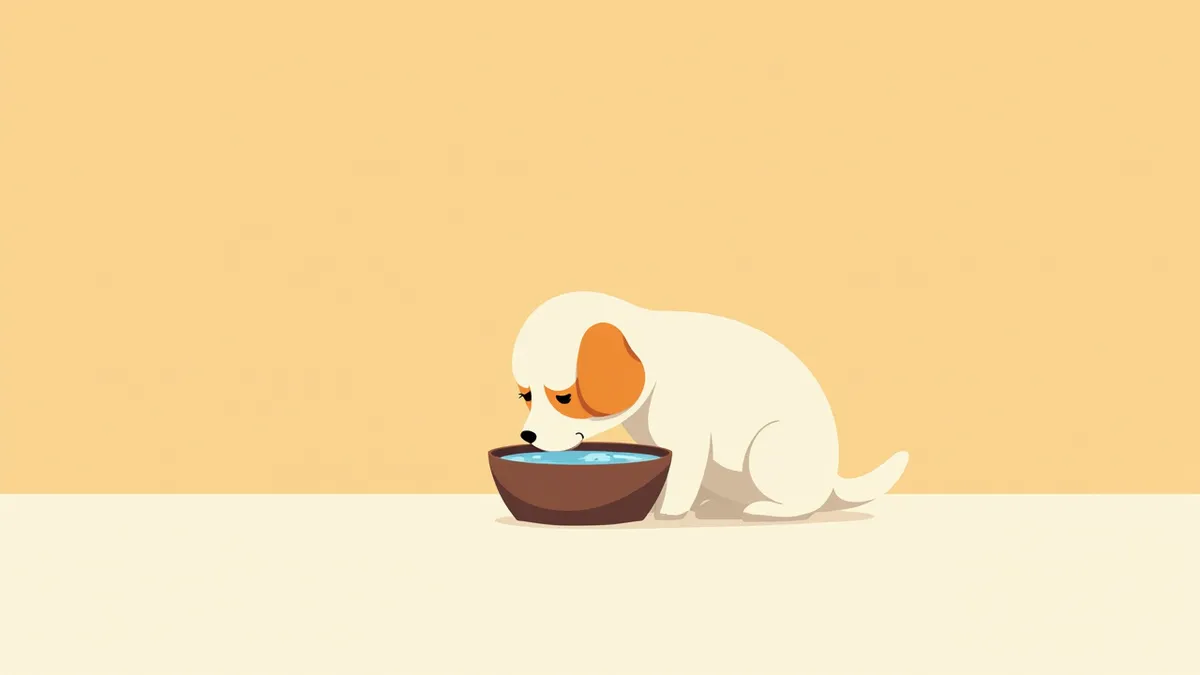
A puppy drinking water
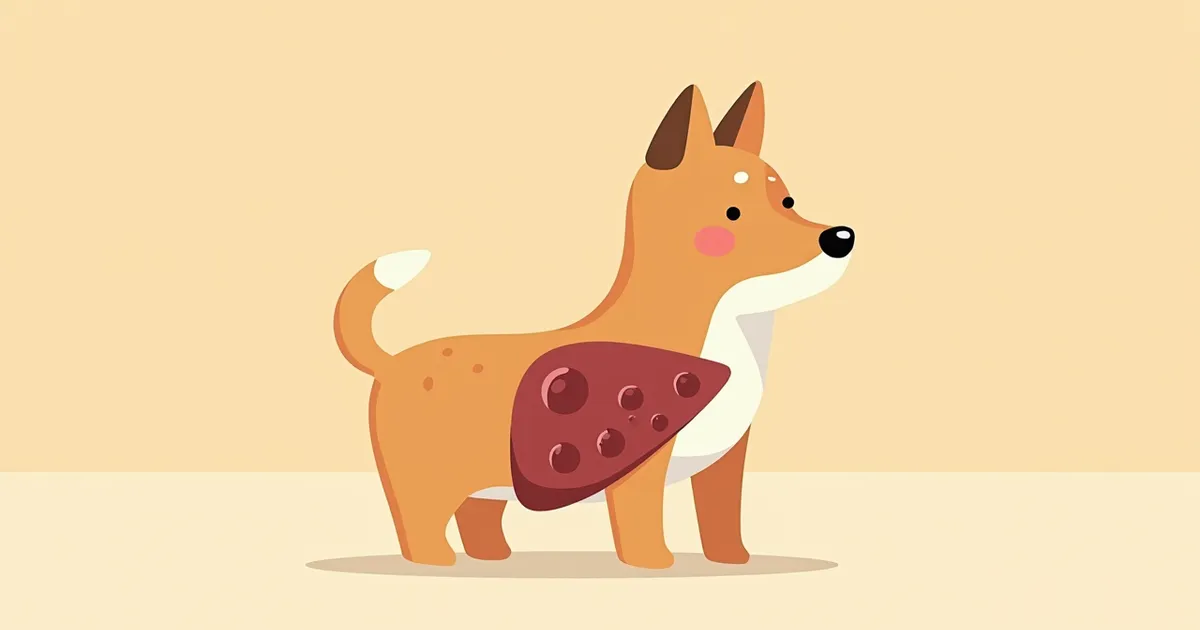
When a dog suddenly starts drinking excessive amounts of water, it may not just be a habit but a sign of an underlying health issue. Be especially cautious if your dog drinks more than 90 ml of water per kilogram of body weight per day or if their water intake consistently increases. - Compensatory polydipsia: When excessive fluid is lost through urine, the body may compensate by drinking more water to prevent dehydration. - Kidney dysfunction: In chronic kidney disease, the kidneys’ ability to concentrate urine diminishes, leading to increased water consumption. - Diabetes mellitus: Elevated blood sugar causes glucose to spill into the urine, triggering osmotic diuresis and resulting in excessive fluid loss. - Endocrine disorders: Conditions such as abnormal levels of adrenal cortex hormones (cortisol) or thyroid hormones can also cause increased water intake. It is essential to consult a veterinarian promptly to determine the exact cause.

Identify the Main Causes of Increased Water Intake
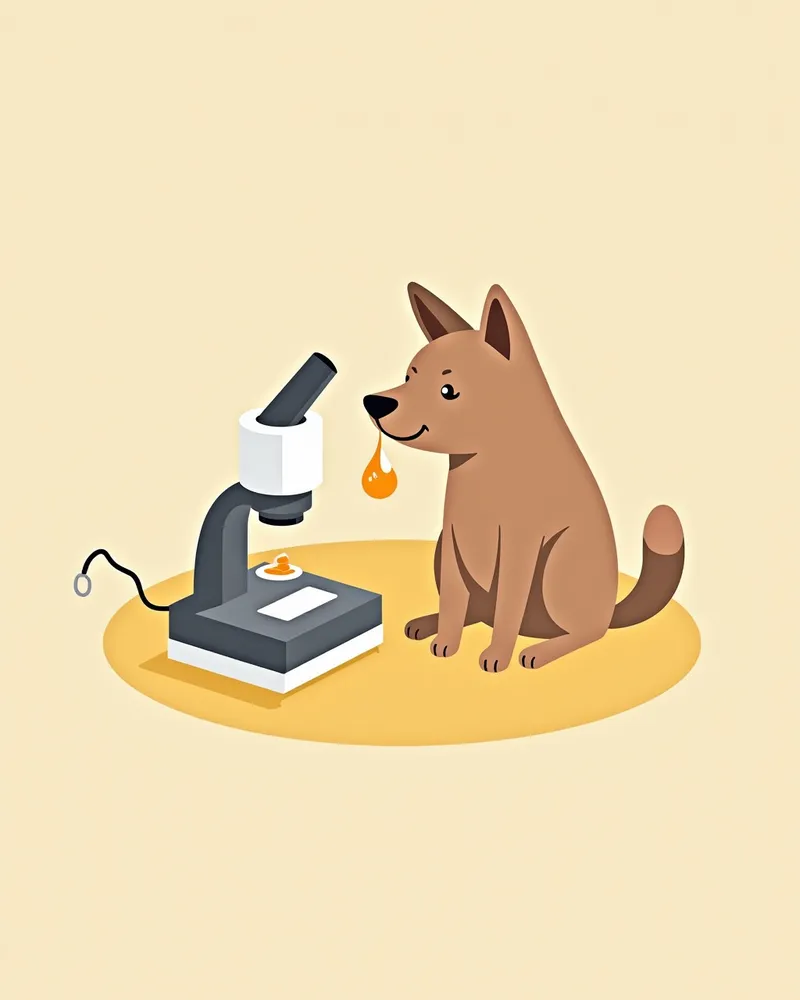
Increased water intake in dogs can stem from various underlying medical conditions. - Diabetes mellitus: Elevated blood sugar levels cause the kidneys to excrete excess fluid, leading to increased thirst. - Chronic kidney disease: Reduced kidney function necessitates higher water consumption to maintain hydration. - Hypercalcemia: High calcium levels can impair kidney function. - Hyperthyroidism: An increased metabolic rate leads to greater fluid loss. - Medication side effects: Certain drugs can increase water intake. Diagnostic testing is essential to identify the exact cause.
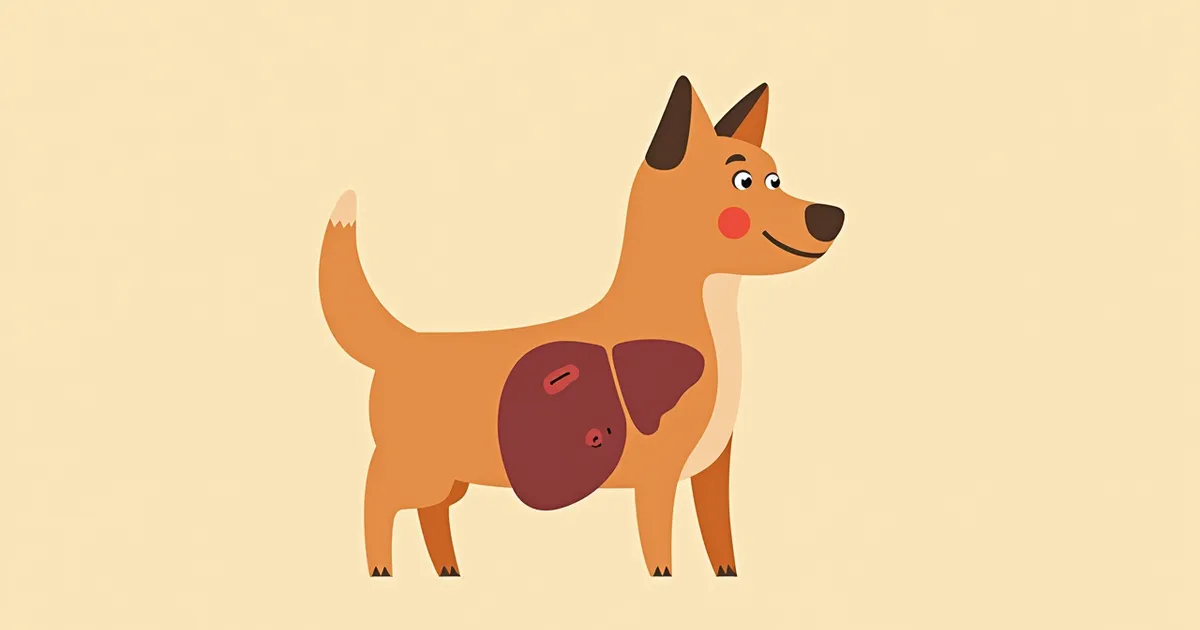
A veterinarian examining a puppy's urine.

Checklist of Key Symptoms Associated with Increased Water Intake

Excessive water intake: Your pet may drink noticeably more water than usual, sometimes exceeding 90 ml per kilogram of body weight per day.
Frequent and increased urination: They may urinate more often or in larger amounts, including waking up at night to go.
Signs of dehydration: Dry mouth or reduced skin elasticity may be observed.
Weight loss: Despite maintaining a normal appetite, your pet may lose weight.
Fatigue: Decreased activity levels or prolonged inactivity throughout the day may occur.
Vomiting or diarrhea: Gastrointestinal symptoms may also be present.
A tired dog lying down

Emergency Signs Requiring Immediate Veterinary Visit

If your dog drinks more than 90 ml of water per kilogram of body weight per day, or if you notice a significant increase in the frequency and volume of urination, it may be time to visit the vet. These symptoms can indicate serious conditions such as diabetes mellitus or chronic kidney disease. However, an accurate diagnosis requires test results like urinalysis and blood work, so rather than relying solely on home observations, it’s best to have your veterinarian evaluate your pet.

Diagnostic Tests for Accurate Diagnosis

To identify the cause of increased water intake, a systematic diagnostic workup is necessary. - Urinalysis: Measures urine concentration (specific gravity) to evaluate the kidneys’ concentrating ability and overall function. - Blood tests: Checks blood glucose, creatinine, and blood urea nitrogen (BUN) levels. - Endocrine testing: Measures cortisol (adrenal cortex) and thyroid hormone levels. - Ultrasound examination: Assesses for structural abnormalities in the kidneys, pancreas, and adrenal glands. - Cardiac evaluation: Evaluates heart function and electrolyte balance. - Water deprivation test: If other causes are ruled out, this test may be performed to differentiate diabetes insipidus; however, it is contraindicated in cases of dehydration, hypercalcemia, or azotemia. A comprehensive review of multiple test results is essential to accurately determine the underlying cause.
A veterinarian drawing blood from a puppy.

Treatment Varies Depending on the Underlying Cause

Treatment for increased water intake varies significantly depending on the underlying cause. - Diabetes: Insulin injections and dietary management are key. - Kidney disease: Specialized diets and medications help reduce the burden on the kidneys. - Hyperthyroidism: Medication is used to regulate hormone levels. - Hypercalcemia: Treatment focuses on lowering calcium levels. - Medication-induced: Adjust or replace the current medication. Accurately identifying the cause is the first step toward effective treatment.
A veterinarian administering medication to a puppy

Management Tips at Home

- Ensure a stable water supply: Provide clean, fresh water frequently and place water bowls in multiple locations. - Dietary management: Consistently feed the special diet recommended by your veterinarian. - Monitor urination: Keep a daily log of water intake and the number of times your pet urinates. - Reduce stress: A quiet environment and a consistent daily routine are essential. - Regular check-ups: Monitor your pet’s condition with urine and blood tests every three months. - Medication management: Strictly adhere to the dosing schedule and report any unusual symptoms immediately.
Puppy Water Intake and Urination Log

Breed-Specific Precautions and Recurrence Prevention

Dogs that repeatedly drink excessive amounts of water or struggle to concentrate their urine may have an underlying condition such as kidney disease. If increased water intake recurs, regular veterinary check-ups are essential, and ongoing management is necessary even after treatment is completed.

Reviewed by a veterinarian

Dr. Tony — Punnawat Phongkittirak

Dr. Tony — Punnawat Phongkittirak

Veterinarian

A veterinarian who majored in veterinary medicine at Khon Kaen University, Thailand, and completed the IVSA program at North Carolina State University in the United States. Drawing on clinical experience at animal hospitals, he works in the pet healthcare field and is dedicated to building a digital care environment that connects pet parents with veterinarians.

Frequently Asked Questions

My dog has suddenly started drinking a lot of water. I'm worried.
A sudden increase in water intake can be caused by underlying medical conditions such as diabetes or kidney disease. If your pet is drinking more than 90 ml of water per kilogram of body weight per day, please visit a veterinary clinic immediately for an accurate diagnosis.
How much water should my pet drink daily to be considered normal?
As a general rule, it’s normal for a dog to drink no more than 90 ml per kilogram of body weight per day. For example, a 10 kg dog should ideally consume up to 900 ml daily. Drinking more than 90 ml/kg may indicate polydipsia, or excessive thirst.
Can a pet still be healthy even if it drinks a lot of water?
A temporary increase may be normal due to changes in environment or increased activity levels. However, if it consistently exceeds 90 ml/kg per day, a veterinary check-up is necessary.
Is there a way to prevent excessive water intake?
Treating the underlying cause is the most effective approach. Follow your veterinarian’s instructions for dietary management and medication.
Is it a problem if my pet’s urine is pale?
If your pet's urine is pale, it may indicate dilution, which can be a sign of kidney dysfunction or diabetes. A veterinary examination is recommended.

Share

Related Guides

References

[1] Notes on Canine Internal Medicine, 4th Ed. (2023). Chapter 8: Urinary Concentrating Ability and Water Balance.

[2] Urinalysis in the Dog and Cat (2022). CRC Press. Section 5: Interpretation of Urine Specific Gravity.

[3] Plumb's Veterinary Drug Handbook, 9th Ed. (2021). Section on Hydration and Fluid Therapy.

This information is based on veterinary literature and does not replace diagnosis or treatment. Please consult a veterinarian for specific health concerns.

Metapet Co., Ltd. | CEO: Park Sung-yong | Business Reg. No. 417-88-02562 | Seoul, South Korea | Customer Center

Increased Water Intake in Dogs: Causes & Treatment Tips | Meongsiljang