Like
Share
멍실장
강아지 음수량 모니터링 증상과 원인, 진단·치료와 관리 포인트 총정리

Complete Guide to Monitoring Your Dog’s Water Intake: Symptoms, Causes, Diagnosis, Treatment, and Management

Lifestyle & Age CareDiseasesMeongsiljang Veterinary Advisory Board

Monitoring your dog’s water intake is a key indicator of their overall health. Changes in hydration levels can be an early sign of illness, so it’s important to observe them closely.

Monitoring Your Dog’s Water Intake Is a Key Indicator of Health Status
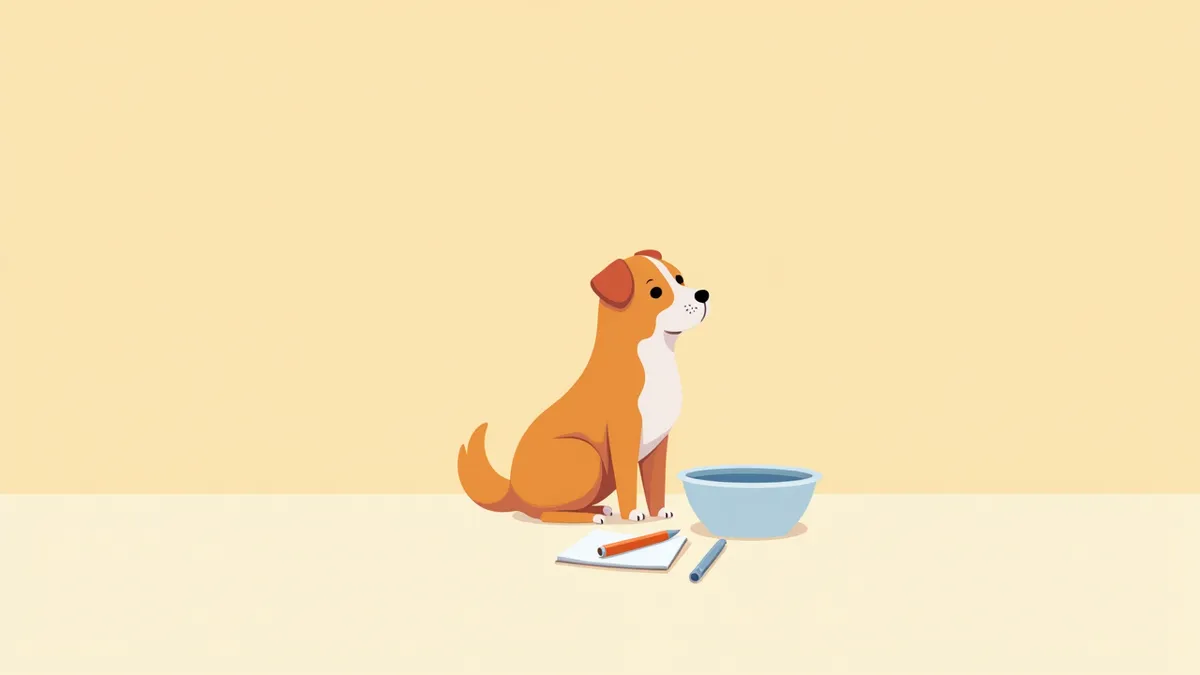
A pet owner recording their dog's water intake.
Your dog’s water intake is a key indicator of hydration balance and overall health. Sudden changes in drinking habits—especially when both water consumption and urine output increase—can be early signs of internal issues like kidney disease or diabetes. Conversely, in advanced kidney disease, the body may fail to retain fluids properly, leading to dehydration alongside altered water intake. Therefore, it’s important to monitor any change in drinking behavior, whether an increase or decrease. Senior dogs and those with chronic conditions are particularly sensitive to shifts in fluid intake, so close observation is essential. Make it a habit to regularly check the water bowl and record any changes. Early detection helps ensure timely treatment and supports your dog’s long-term health. Don’t hesitate to consult your veterinarian for guidance.

The Main Causes of Decreased Water Intake Are Disease and Environmental Changes
There are several reasons why a dog’s water intake may decrease. - Internal medical conditions: While kidney disease and diabetes often cause increased thirst, accompanying nausea or loss of appetite can lead to reduced water consumption. - Pain or stress: Pain in the mouth or throat may cause a dog to avoid drinking water. - Environmental changes: Alterations in water temperature, taste, or bowl location can reduce a dog’s willingness to drink. - Dietary changes: Feeding only dry food can naturally lower water intake. For an accurate diagnosis, it is safest to consult with a veterinarian.
A veterinarian checking a puppy's hydration status.

Checklist of Key Symptoms Related to Decreased Water Intake

Check for these warning signs when your dog’s water intake decreases.
Dry mouth and mucous membranes: The inside of the mouth feels sticky and dry, and the gum mucosa is so dry that your finger sticks to it when touched.
Decreased skin elasticity: When you pinch the skin on the back of the neck, it does not snap back quickly.
Sunken, dull eyes: As dehydration progresses, the eyes appear sunken and lose their luster.
Reduced activity and lethargy: The dog remains in the same spot all day, moves little, and appears weak.
Decreased urination frequency or dry feces: Urine output decreases, or stools become hard.
If these symptoms occur together, immediate veterinary care is necessary.
Comparing dogs with dehydration to healthy dogs

Emergency Signs Requiring Immediate Veterinary Visit

If your dog hasn’t drunk any water at all during the day, or if they’re experiencing vomiting, diarrhea, or lethargy, you should visit a veterinary clinic immediately. Dehydration can quickly lead to serious complications, so it’s important to seek veterinary care without delay.

Veterinarians Perform Several Tests for Diagnosis
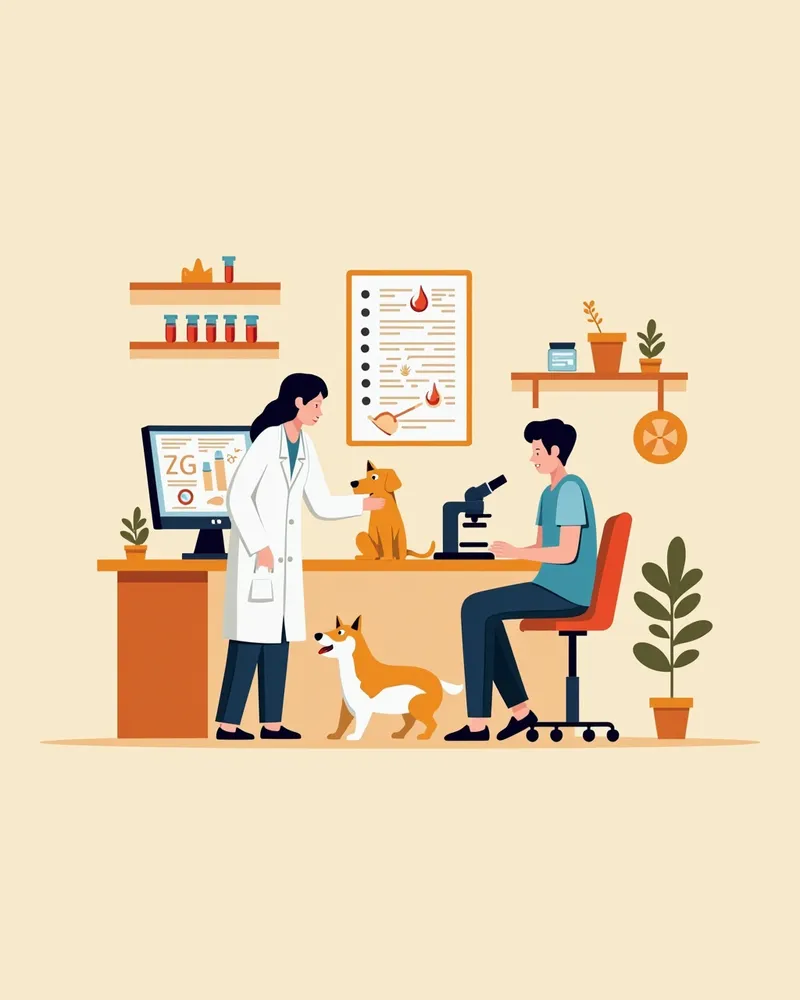
If you suspect your pet is drinking less water than usual, your veterinarian will perform several tests to identify the underlying cause. - Blood tests: These check kidney function, liver function, blood sugar levels, and other indicators to help determine whether an internal medical condition is present. - Urinalysis: This analyzes urine concentration, as well as the presence of protein and glucose, to assess kidney function. - Abdominal ultrasound: This allows for visual evaluation of the size and structural integrity of internal organs. - Electrocardiogram (ECG) and X-rays: These additional tests may be necessary to rule out heart disease or lung problems. A visit to the veterinary clinic is essential for an accurate diagnosis.
A veterinarian analyzing test results.

Treatment Varies by Underlying Cause, with Fluid Replenishment as the Core
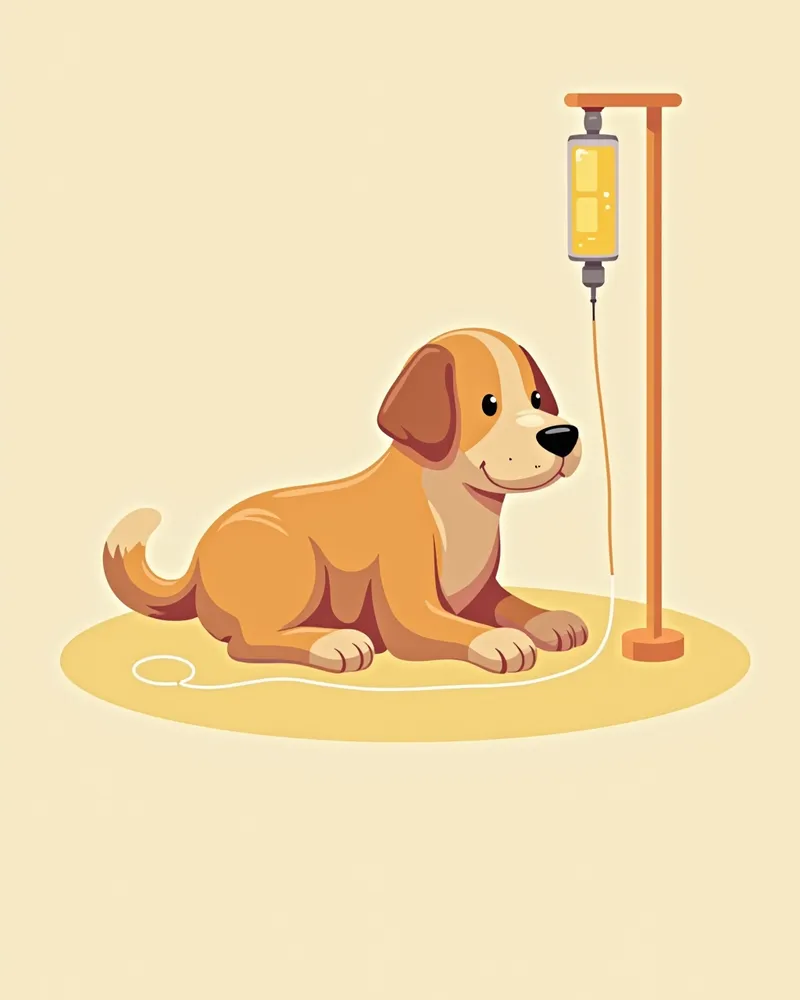
The treatment approach varies depending on the underlying cause. - Kidney disease: Treatment centers on medication and dietary management. - Diabetes: Insulin injections and meal management are required. - Severe dehydration: Intravenous fluids are necessary to restore hydration. Additionally, adjusting the water’s temperature or flavor, or placing multiple bowls around the home to improve accessibility, can be helpful. Your veterinarian will develop a tailored treatment plan based on your pet’s individual condition.
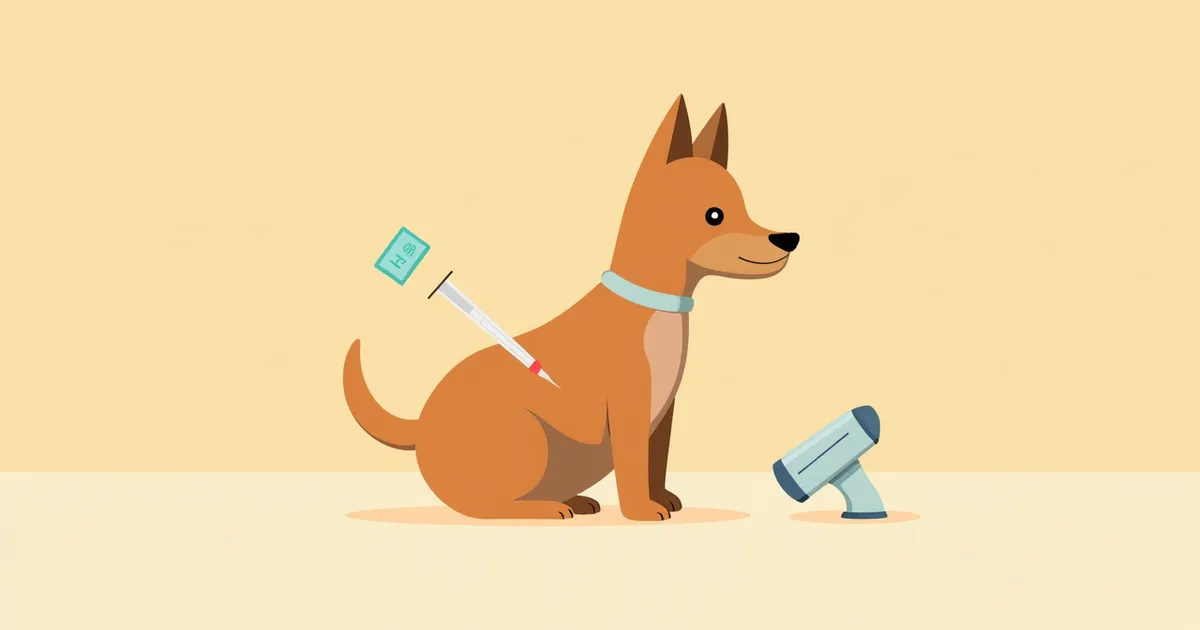
A veterinarian administering an intravenous injection.

Home Management Centers on Consistent Monitoring and Environmental Adjustment
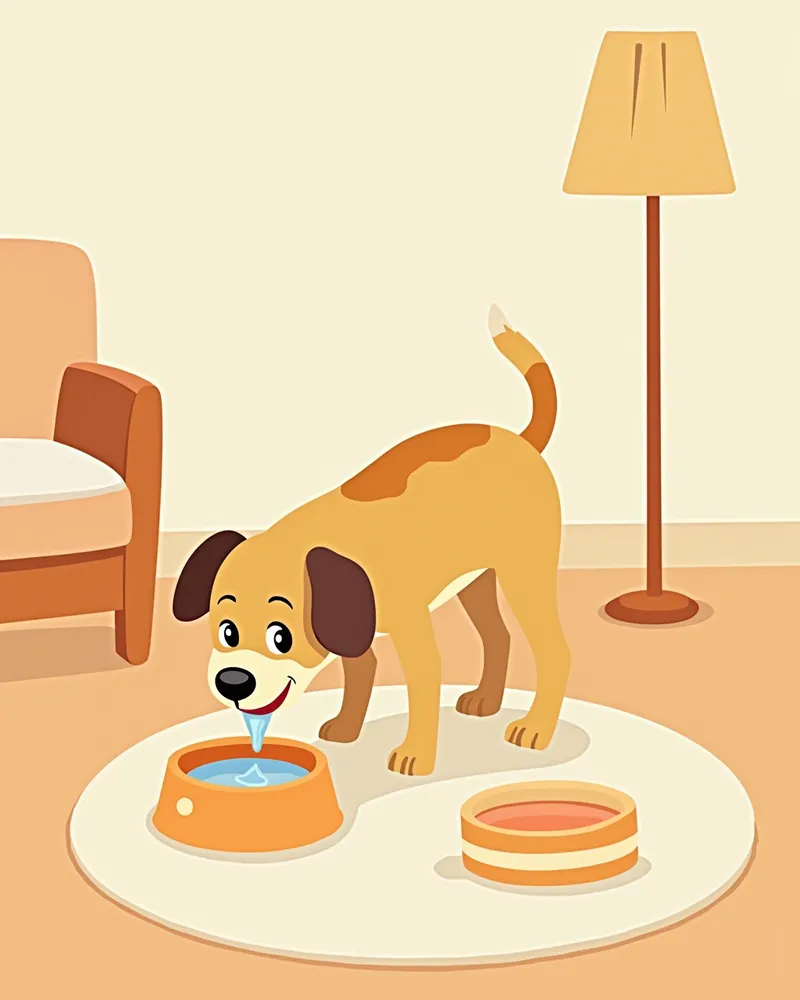
Keep a daily log of your dog’s water intake and watch closely for any changes. You should refresh the water in the bowl at least two to three times a day. Dogs may be reluctant to drink contaminated water, so providing clean water is essential. Room-temperature water is ideal. Water that is too cold may be rejected, while water that is too warm can feel uncomfortable. Placing bowls in multiple locations to improve accessibility is also effective. Additionally, consider methods to increase fluid intake, such as mixing wet food into their diet.
Placing water bowls in various spots around the house

Senior Dogs and Those with Chronic Conditions Require Closer Attention

Senior dogs and those with chronic conditions such as diabetes or kidney disease are more sensitive to changes in water intake. If you notice a significant decrease or increase in the amount of water your dog drinks compared to usual, consult your veterinarian immediately. Regular health check-ups and monitoring of hydration status are essential.

Reviewed by a veterinarian

Dr. Tony — Punnawat Phongkittirak

Dr. Tony — Punnawat Phongkittirak

Veterinarian

A veterinarian who majored in veterinary medicine at Khon Kaen University, Thailand, and completed the IVSA program at North Carolina State University in the United States. Drawing on clinical experience at animal hospitals, he works in the pet healthcare field and is dedicated to building a digital care environment that connects pet parents with veterinarians.

Frequently Asked Questions

How much water should a dog drink in a day?
The amount of water your dog needs each day varies depending on their weight, the type of food they eat, their activity level, and the weather. Dogs eating dry kibble typically drink more water, while those on wet food may drink less since they get some hydration from their meals. For the most accurate guidance, track your dog’s daily water intake over several days and discuss it with your veterinarian.
What should I do if my pet seems uninterested in drinking water?
To make the water more appealing, you can change it frequently or add a small amount of chicken or fish broth. However, be sure to avoid excessive salt.
Is it bad if the water is too cold?
The water temperature should be comfortable for your dog to drink. If your dog avoids cold water, try offering it at room temperature. Older dogs, in particular, may dislike cold water, so pay attention to their reactions.
What should I do if my dog doesn’t have a habit of drinking water?
Refresh your pet’s water bowl frequently, and consider using a water pump or fountain to make drinking easier. Mixing in wet food can also help encourage hydration.
Could stress be the reason your pet is drinking less water?
Yes, dogs may avoid drinking water when they're stressed or anxious. It's important to keep a close eye on them during times of environmental change or when a new family member joins the household.

Comparison of Response Methods Based on the Degree of Decreased Water Intake

ItemDegree of DecreaseKey SignsRecommended Action
Mild (slight decrease)Refresh the water bowl frequentlyAdjust water temperature or tastePlace water bowls in several locations
Moderate (noticeable decrease)Start recording daily water intakeMix in wet foodConsulting a veterinarian recommended
Severe (barely drinks)Daily water intake 0 mlVomiting, diarrhea, decreased consciousnessVisit the clinic immediately

Judge the degree of decrease based on the dog's weight and usual intake; for an accurate assessment, it is best to consult a veterinarian.

Share

Related Guides
References

[1] Advanced Monitoring for Small Animal Emergency and Critical Care, 2nd Ed. (2016)

[2] Small Animal Critical Care Medicine, 3rd Ed. (2020)

[3] Plumb's Veterinary Drug Handbook, 9th Ed. (2021)

This information is based on veterinary literature and does not replace diagnosis or treatment. Please consult a veterinarian for specific health concerns.

Metapet Co., Ltd. | CEO: Park Sung-yong | Business Reg. No. 417-88-02562 | Seoul, South Korea | Customer Center

Monitoring Your Dog's Water Intake: A Complete Guide | Meongsiljang