Like
Share
멍실장
강아지 요비중 검사 증상과 원인, 진단·치료와 관리 포인트 총정리

Dog Urine Specific Gravity Test: Symptoms, Causes, Diagnosis, Treatment, and Management Tips

UrinaryDiseasesMeongsiljang Veterinary Advisory Board

The urine specific gravity test is a key diagnostic tool for assessing kidney function and hydration status in dogs. If abnormalities are detected, prompt diagnosis and management are essential.

Urine specific gravity is a key test for assessing kidney function and hydration status in dogs.
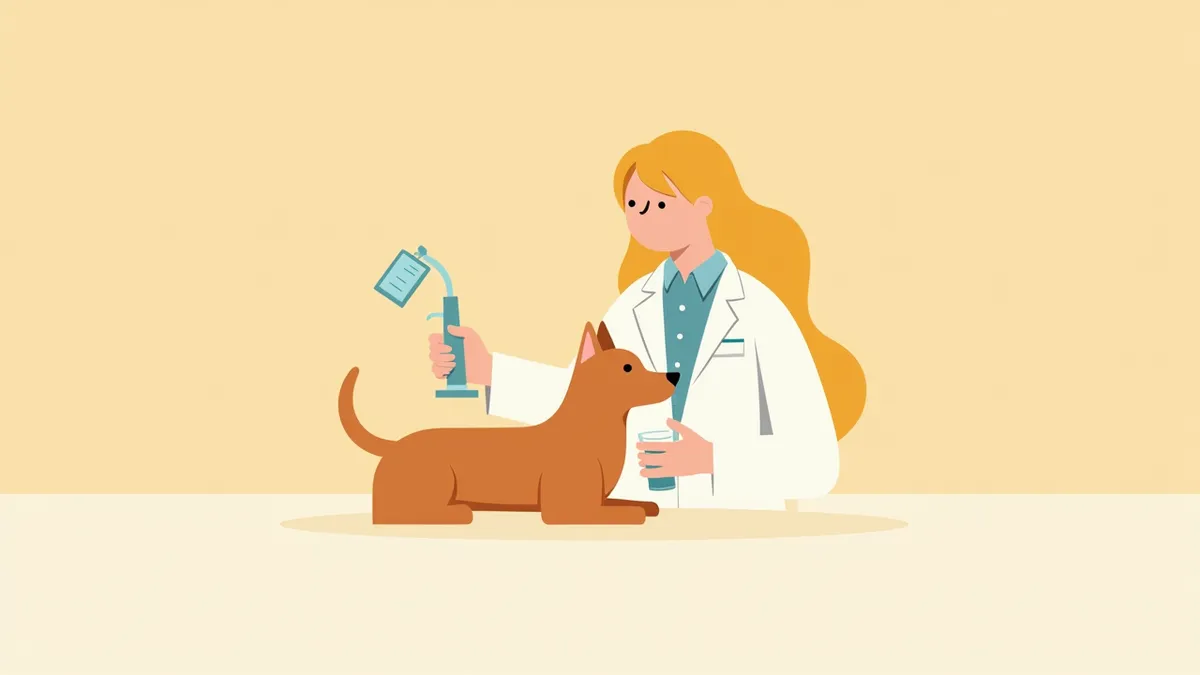
A veterinarian measuring the specific gravity of a dog's urine using a refractometer
Urine specific gravity is a key test that measures urine concentration to assess the kidney’s ability to concentrate urine. In healthy dogs, urine specific gravity is typically 1.030 or higher, though it can vary depending on hydration status and kidney function. When urine specific gravity drops to 1.008 or lower, it strongly suggests impaired renal concentrating ability, which may be associated with conditions such as chronic kidney disease, diabetes mellitus, or hyperadrenocorticism. This test plays an important role in the early detection and management of diseases, serving as a foundational diagnostic tool for veterinarians. Early diagnosis can significantly improve treatment outcomes.

The main causes of low urine specific gravity are decreased kidney function and excessive water intake.
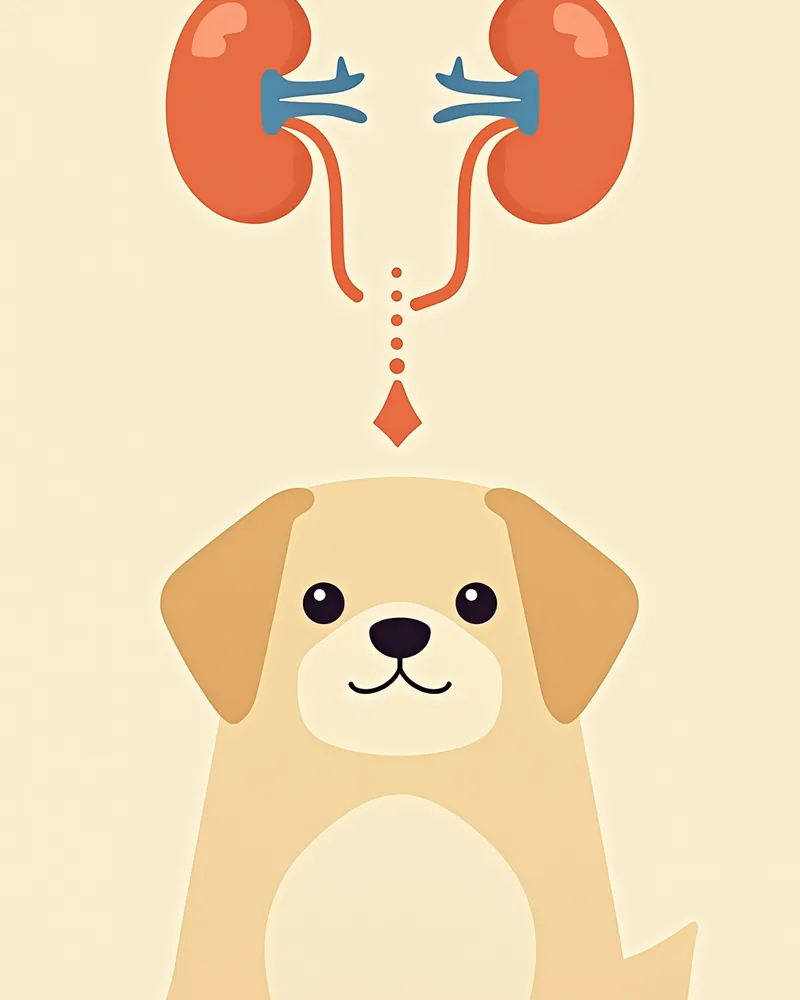
- Chronic kidney disease: The kidneys fail to concentrate urine properly, resulting in low urine specific gravity. This is a sign that the body’s ability to regulate fluids is impaired. - Excessive water intake: Drinking significantly more water than usual dilutes the urine, naturally lowering urine specific gravity. For reference, a healthy dog typically produces about 24–41 ml of urine per kilogram of body weight per day. - Diabetes mellitus: High blood sugar leads to glucose spilling into the urine and causes polyuria, which can affect urine specific gravity. However, the presence of glucose in the urine itself can sometimes slightly increase specific gravity. - Hyperadrenocorticism (Cushing’s disease): This condition can present with clinical signs similar to diabetes insipidus. Along with fluid retention, the urine may become diluted, leading to low urine specific gravity. Accurately identifying the underlying cause is the first step toward effective treatment.
A diagram explaining the relationship between decreased kidney function and reduced urine specific gravity

Check the main symptoms and signs that appear in urine specific gravity tests.
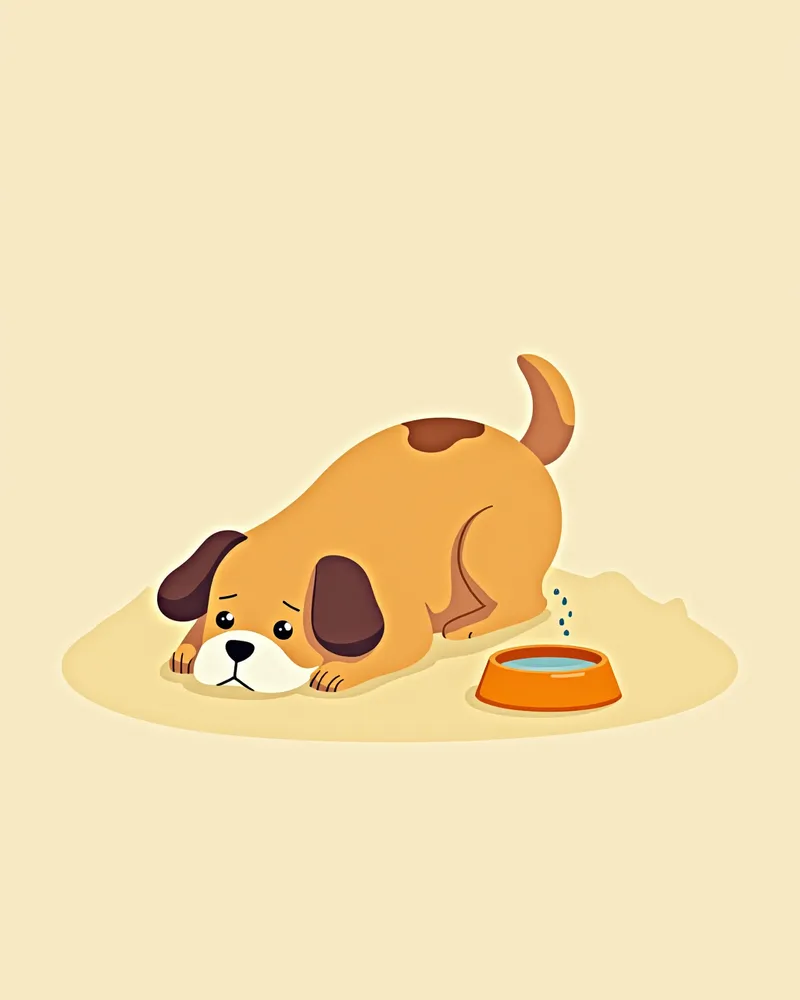
When urine specific gravity is low, common symptoms include frequent urination, excessive water intake, weight loss, lethargy, and vomiting. In particular, if your pet is visiting the litter box or going outside to eliminate multiple times a day or drinking significantly more water than usual, it may indicate a kidney issue. If these symptoms persist, consulting with a veterinarian is recommended, as early diagnosis is crucial for determining the appropriate treatment plan. Frequent urination refers to the need to urinate multiple times throughout the day, while excessive water intake involves consistently drinking larger amounts of water. Weight loss can result from a decreased appetite or metabolic abnormalities, and lethargy is characterized by prolonged periods of rest and reduced activity. Vomiting may be caused by gastrointestinal issues or declining kidney function.
A tired dog that only drinks water

When to visit the veterinary clinic immediately

If your dog is urinating frequently with a sudden increase in urine volume, drinking excessive amounts of water continuously, or experiencing vomiting, diarrhea, or lethargy, it is best to visit a veterinary clinic immediately. These symptoms may indicate a sudden change in kidney function, so early evaluation is important.

Urine specific gravity tests help with accurate diagnosis when combined with urinalysis.

Combining a urine smear test, blood work, and a renal ultrasound allows for a more accurate interpretation of urinalysis results. The urine smear checks for abnormal substances such as protein, blood, and cells, helping to assess whether kidney damage is present. Blood tests analyze serum creatinine and BUN levels to provide a comprehensive evaluation of kidney function. Renal ultrasound visually confirms abnormalities in kidney size, shape, and structure. By integrating the results from these multiple tests, diagnostic accuracy improves significantly. Early diagnosis can positively impact treatment outcomes and survival rates.
A veterinary technician conducting a urinalysis in a veterinary laboratory

Treatment varies depending on the underlying cause, with dietary management and medication at the core.
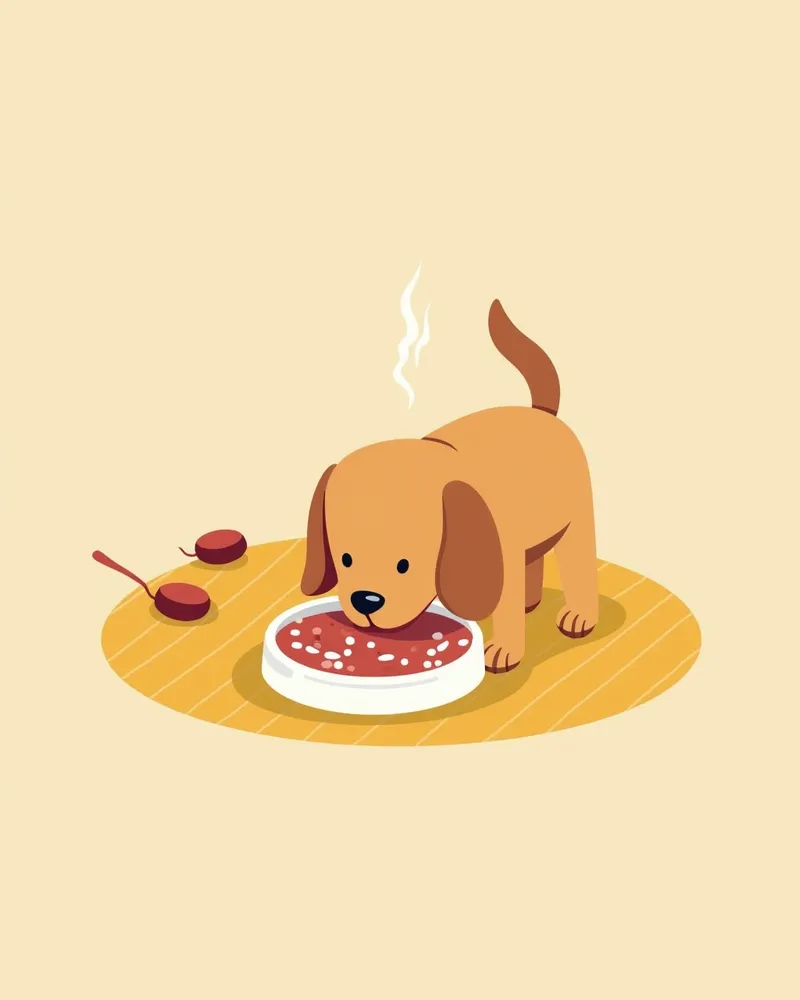
Treatment depends on the underlying cause, with dietary management and medication at the core. For chronic kidney disease, a low-protein, low-phosphorus diet is beneficial, as it effectively reduces the burden on the kidneys. In cases of diabetes, insulin injections are necessary to regulate blood sugar levels, and regular monitoring is essential. Cushing’s disease is managed with hormone-regulating medications, and adequate fluid supplementation is required if there is a risk of dehydration. The treatment plan should be individualized in consultation with your veterinarian based on the patient’s condition and underlying cause, which is crucial for maintaining long-term health.
A puppy eating special kidney food.

The key to management at home is hydration management and regular check-ups.
At home, the key to management is maintaining proper hydration and conducting regular check-ups. Provide a consistent amount of water daily, but avoid excessive intake, as this is crucial for maintaining stable urine specific gravity. Consistently feed veterinarian-recommended food and limit treats. Regular examinations help detect changes in kidney function early, and morning first-void urine is recommended for assessing concentrating ability. The frequency of check-ups should be determined in consultation with your veterinarian based on your dog’s condition. Recording daily weight and appetite changes allows for quick detection of abnormalities, and if symptoms worsen or new ones appear, consider visiting the clinic immediately. Early management is essential to prevent disease progression.
A notebook for tracking your dog’s water intake and bathroom habits

Certain breeds are more susceptible to urine specific gravity abnormalities.

Certain breeds may be more susceptible to kidney disease, and as dogs age, their urine specific gravity is more likely to decrease. For this reason, veterinary diagnosis and monitoring are essential. Dogs aged seven years and older are recommended to undergo regular health check-ups and urine tests for ongoing management. Early intervention can help slow the progression of the disease.

Reviewed by a veterinarian

Dr. Tony — Punnawat Phongkittirak

Dr. Tony — Punnawat Phongkittirak

Veterinarian

A veterinarian who majored in veterinary medicine at Khon Kaen University, Thailand, and completed the IVSA program at North Carolina State University in the United States. Drawing on clinical experience at animal hospitals, he works in the pet healthcare field and is dedicated to building a digital care environment that connects pet parents with veterinarians.

Frequently Asked Questions

When is the best time to have a urine specific gravity test?
We recommend annual check-ups, or 1-2 times a year for senior dogs (7 years and older), especially if they show symptoms like frequent urination or excessive drinking. Early detection through regular screenings can help identify health issues sooner.
Does a low urine specific gravity always mean I need to visit the vet?
If symptoms persist, please consult your veterinarian. While it may simply be increased water intake, there could also be an underlying condition such as kidney disease, so it’s important to confirm with diagnostic tests.
If the urine specific gravity test results are normal, can I rest assured?
Even if the urine specific gravity is within the normal range, additional testing may be necessary if symptoms persist. Diagnosis requires a comprehensive evaluation of symptoms, blood tests, urine tests, and other factors, so identifying the underlying cause is crucial.
Can dietary management alone improve urine specific gravity?
If the cause is diet-related, dietary changes may help. However, in cases of chronic kidney disease, medication is also necessary, so it’s best to consult with your veterinarian before making any decisions.
Does the urine specific gravity test cause pain?
No, there is no pain involved in collecting urine. The sample is collected while your dog is comfortably sitting, and the process is painless.

Response strategies for each condition based on urine specific gravity test results

ItemSuspected ConditionRecommended Action
1.001–1.007Loss of renal concentrating ability or active dilution (e.g., chronic kidney disease, diabetes insipidus due to antidiuretic hormone (vasopressin) deficiency)Visit the clinic immediately; perform a water deprivation test, blood tests, and imaging studies
1.008–1.014Possible impaired concentrating ability or isosthenuriaSymptom-based evaluation; perform a water deprivation test if needed and coordinate additional tests
1.015–1.030Fluctuation within the normal range (including possible changes in water intake)Record water intake, recheck after a week of observation, and check for symptoms
1.031 and aboveNormal renal concentrating ability or highly concentrated stateMaintain daily management; test early if symptoms occur

Urine specific gravity is not a standalone criterion; it must be assessed comprehensively together with symptoms and other test results.

Share

Related Guides

References

[1] Plumb's Veterinary Drug Handbook, 9th ed. (2022). Wiley-Blackwell.

[2] Ettinger, S.J. & Feldman, E.C. (2017). Textbook of Veterinary Internal Medicine, 8th ed. Elsevier.

[3] American College of Veterinary Internal Medicine (ACVIM). (2021). Consensus statement on canine chronic kidney disease.

This information is based on veterinary literature and does not replace diagnosis or treatment. Please consult a veterinarian for specific health concerns.

Metapet Co., Ltd. | CEO: Park Sung-yong | Business Reg. No. 417-88-02562 | Seoul, South Korea | Customer Center

Dog Urine Specific Gravity Test: Diagnosis & Care Tips | Meongsiljang