Like
Share
멍실장
고양이 소변 pH 관리 증상과 원인, 진단·치료와 관리 포인트 총정리

Cat Urine pH Management: Symptoms, Causes, Diagnosis, Treatment, and Care Points Summary

UrinaryDiseasesMeongsiljang Veterinary Advisory Board

A cat’s urine pH is a key indicator that directly impacts urinary tract health. If the balance is off, the risk of urinary stones and infections increases.

Cat Urine pH Management is Key to Urinary Tract Health

A cat urine sample being tested with a pH test strip.
Your cat’s urine pH plays a vital role in maintaining urinary tract health. The normal range is 5.0 to 7.5, and deviations from this range can increase the risk of stone formation. In particular, persistently low or high pH levels may promote the development of specific types of stones, so close attention is necessary. While dietary management and adequate hydration can help maintain pH balance, the complexity of urine composition and individual variations mean that professional evaluation is essential. Regular urine tests conducted with your veterinarian are highly beneficial for early detection of any abnormalities.

The Main Causes of Urine pH Imbalance are Diet and Health Status
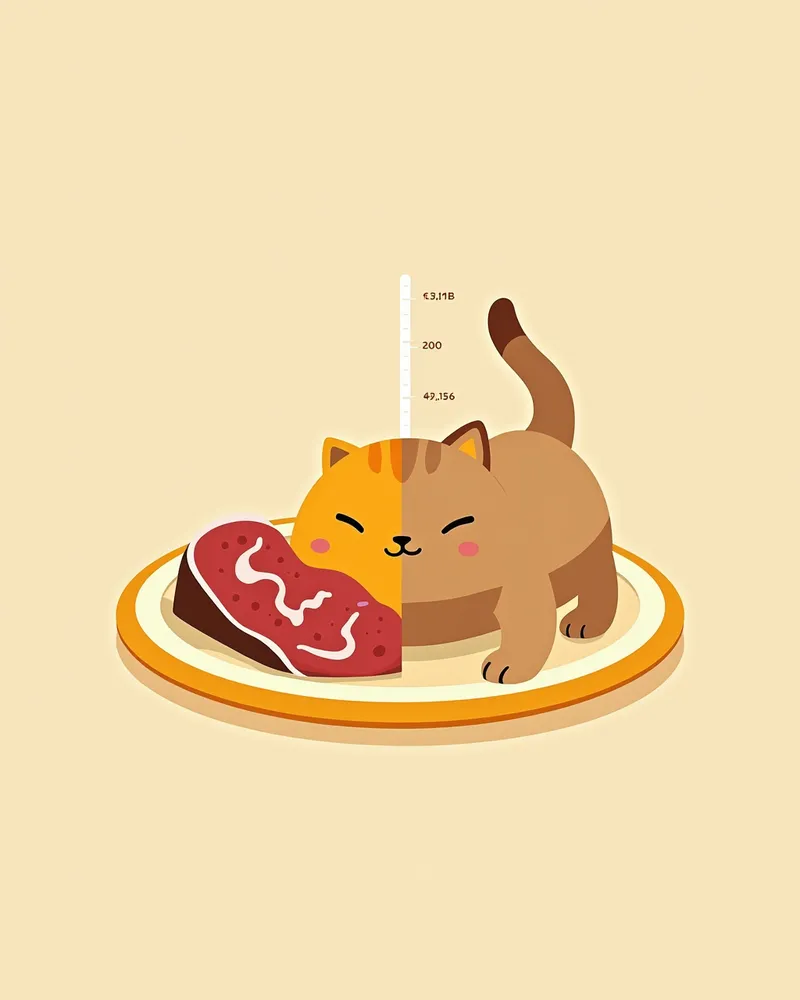
A cat’s urine pH is primarily influenced by the composition of its diet. High-protein, meat-based diets tend to make urine more acidic, while low-protein, grain-based diets are more likely to result in alkaline urine. Health issues such as dehydration, urinary tract infections, and reduced kidney function can also affect pH levels. Additionally, insufficient water intake and stress may contribute to changes in acidity. Since factors beyond diet—including living environment and overall health—interact in complex ways, a comprehensive evaluation by a veterinarian is necessary to accurately identify the underlying cause.
An image comparing meat-based and grain-based pet food, with a pH scale shown alongside.

Checklist of Main Symptoms of Urine pH Imbalance
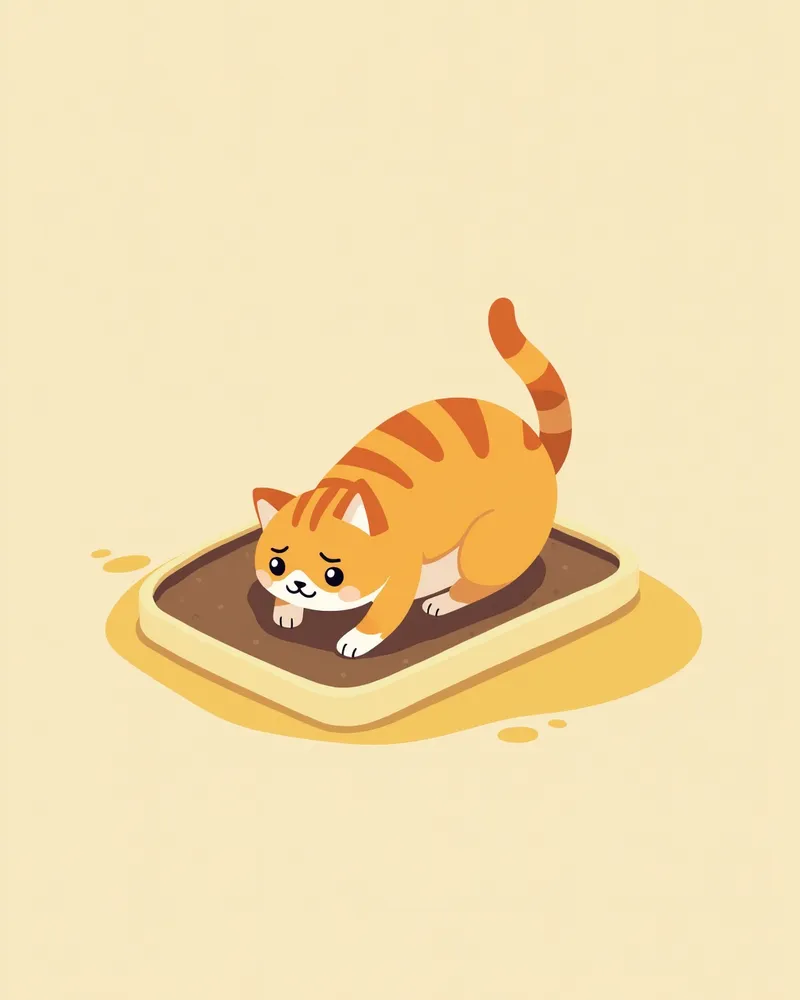
Don’t miss the warning signs of abnormal urine pH. These behaviors may be early indicators of urinary tract issues.
Frequent urination: Your pet visits the litter box or bathroom often but passes only small amounts of urine.
Painful urination: Your pet cries out or strains while urinating.
Hematuria: Blood is visible in the urine.
Urination outside the usual area: Your pet urinates or defecates outside the litter box or designated area.
Decreased appetite: Your pet eats less due to discomfort or pain.
Lethargy: Your pet remains inactive and stays in one place throughout the day.
A cat showing signs of anxiety near the litter box

Emergency Signs Requiring Immediate Veterinary Visit

If your cat strains to urinate without producing any urine, or shows severe pain while trying to urinate, take them to the vet immediately. This could be a sign of a urinary tract obstruction, which is especially common in male cats. Quick action can save their life.

Urine pH Diagnosis is Accurately Confirmed Through Urinalysis
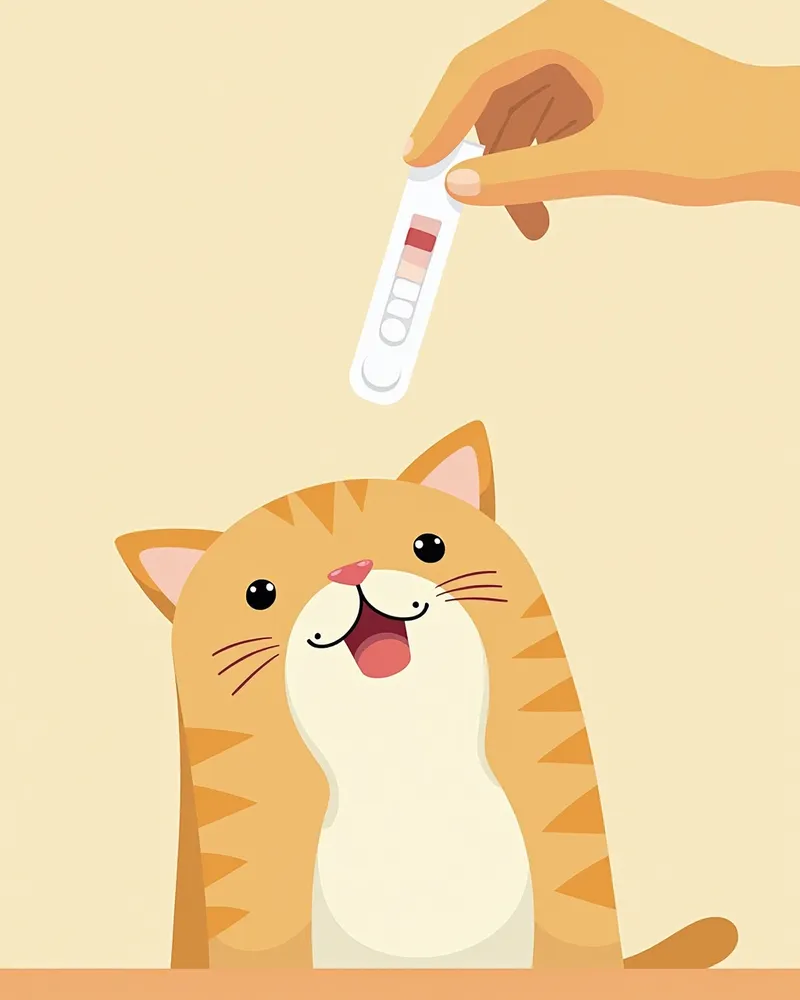
Urine pH can be checked through urinalysis using either test strips or a urine analyzer. However, because test strips tend to overestimate pH values, using a pH meter is recommended for more accurate measurements. Your veterinarian will analyze the urine sample to determine not only the pH level but also the presence of protein, blood, and bacteria. This information is crucial for identifying the type of urinary stones and detecting any infections. Rather than relying on a single test, follow-up examinations are necessary during treatment and preventive care. Regular testing helps detect issues early and assess treatment effectiveness. Urinalysis is a key tool for maintaining your cat’s urinary tract health.
A veterinarian using a test strip on a cat's urine sample

Treatment Proceeds Step-by-Step with Dietary Management and Medication

Dietary management is the cornerstone of treatment for urinary pH regulation. High-protein, meat-based diets can promote acidification, while low-protein, grain-based diets may lead to alkalization. When necessary, your veterinarian may prescribe supplements such as potassium citrate to help adjust the pH. Medications are used to encourage fluid intake, dissolve existing stones, or treat infections, and antibiotics are administered if an infection is present. Long-term management, rather than short-term intervention, is essential for successful treatment. Close collaboration with your veterinarian and regular check-ups are key to achieving positive outcomes.
A cat eating special pH-balanced food

Home Care Centers on Hydration and Dietary Management
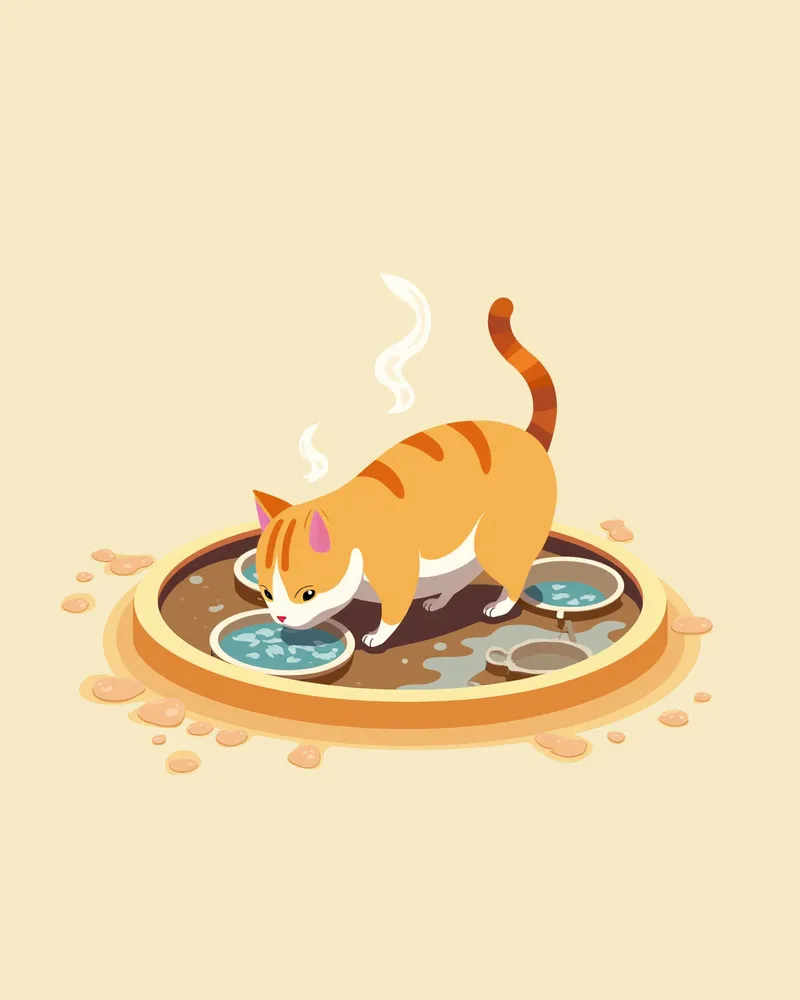
Maintaining a stable urine pH in cats requires careful home management. Keep their water fresh and place multiple bowls around the house to encourage hydration. Wet food or moisture-rich diets can also help. Any dietary changes should be made gradually, as sudden shifts can cause stress. Always consult your veterinarian before switching foods, and monitor your cat’s response. Regular check-ups allow you to track their condition and make adjustments when needed.
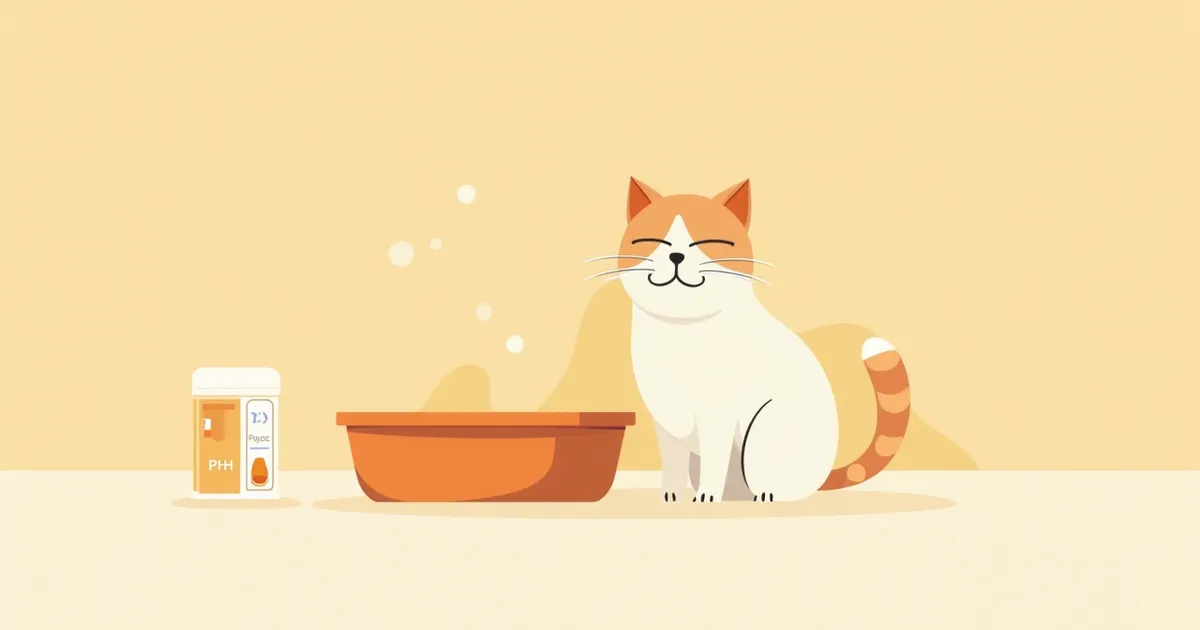
An indoor environment for cats featuring a water fountain and multiple water bowls

Certain Breeds Have a Higher Risk of Urinary Tract Stones

Urinary tract stones result from a combination of factors, including age, diet, water intake, and stress. Veterinary textbooks also note that certain breeds, such as Himalayans, Persians, Ragdolls, and Chartreux, are more susceptible to stone formation, and purebred cats are considered a risk factor for idiopathic cystitis. However, breed alone does not determine risk; environmental and health factors such as indoor living, obesity, and low water intake can significantly influence the likelihood of stone development. Therefore, regular urinalysis and dietary management are both essential, and it is helpful to research breed-specific traits and health risks before adopting a cat.

Reviewed by a veterinarian

Dr. Tony — Punnawat Phongkittirak

Dr. Tony — Punnawat Phongkittirak

Veterinarian

A veterinarian who majored in veterinary medicine at Khon Kaen University, Thailand, and completed the IVSA program at North Carolina State University in the United States. Drawing on clinical experience at animal hospitals, he works in the pet healthcare field and is dedicated to building a digital care environment that connects pet parents with veterinarians.

Frequently Asked Questions

Why is a cat’s urine pH important?
If the pH remains consistently too low or too high, it can promote the formation of certain types of urinary stones. Acidic urine is associated with calcium oxalate stone formation, while alkaline urine can increase the risk of struvite (magnesium ammonium phosphate) stones. However, it’s difficult to predict the exact type of stone in every case, so a comprehensive evaluation of diet and overall health status is essential.
Can diet help regulate urine pH?
Yes, diet plays a significant role in affecting pH levels. High-protein, meat-based diets tend to have an acidifying effect, while low-protein, grain-based diets may be more alkaline. However, precise pH management requires working closely with your veterinarian to appropriately adjust both diet and supplements.
Does a normal urine pH mean everything is okay?
If the value falls within the normal range (5.0–7.5), it is considered stable. However, since urinary tract diseases can have various causes and may fluctuate depending on individual differences and overall health, it’s important to monitor over time rather than relying on a single test result.
Does drinking water alone regulate urine pH?
Water dilutes urine and reduces the risk of stone formation, but it does not regulate pH itself. While adequate hydration is important, dietary management and consultation with a veterinarian are more critical for controlling pH.
Can urine pH be adjusted without medication?
In most cases, dietary management can help stabilize pH levels. However, in severe cases or when recurrences are frequent, your veterinarian may consider medication, including supplements such as potassium citrate.

Share

Related Guides

References

[1] Plumb, D.C. (2023). Plumb's Veterinary Drug Handbook, 10th Edition. Wiley-Blackwell.

[2] Lloyd, J.W. et al. (2021). Feline Emergency and Critical Care Medicine, 2nd Edition. Elsevier.

[3] Bartges, J.W. (2022). The Cat: Clinical Medicine and Management, 2nd Edition. Elsevier.

This information is based on veterinary literature and does not replace diagnosis or treatment. Please consult a veterinarian for specific health concerns.

Metapet Co., Ltd. | CEO: Park Sung-yong | Business Reg. No. 417-88-02562 | Seoul, South Korea | Customer Center

Cat Urine pH Management: Symptoms, Causes, and Treatment Strategies | Meongsiljang