
Feline Ureteral Stones: A Complete Guide to Symptoms, Causes, Diagnosis, Treatment, and Management
Feline ureteral obstruction is an acute condition in which stones block the ureter, making it difficult for urine to pass. It can cause significant pain and poses a risk of kidney damage. Early diagnosis and treatment are essential.
What Are Feline Ureteral Stones?
What Are the Main Causes of Ureteral Stones?
Check for Key Symptoms and Signs
Emergency Situations Requiring Immediate Veterinary Visit
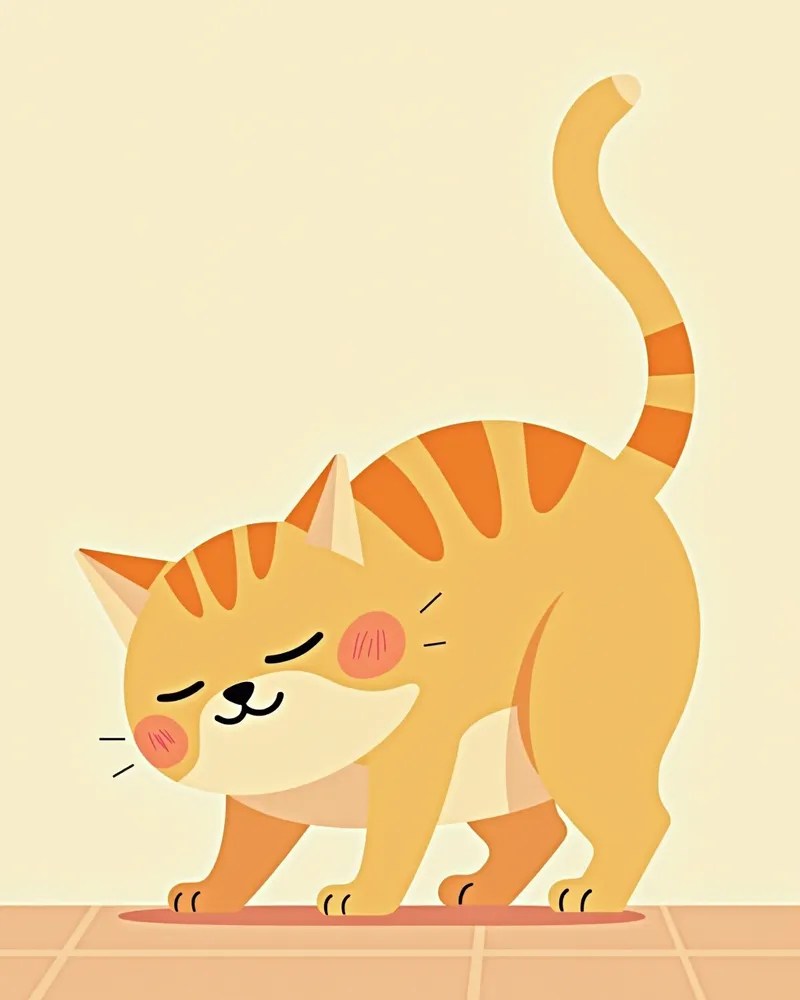
If your cat is unable to urinate at all and shows symptoms such as vomiting, lethargy, and abdominal distension, you should take them to the vet immediately. A complete blockage of the ureter can cause kidney damage and may be life-threatening.
Diagnostic Tests for Accurate Diagnosis
Treatment Methods and Step-by-Step Management
Home Care and Recovery Points
Preventing Recurrence and Breed-Specific Considerations
While certain breeds may have a slightly higher risk of lower urinary tract disease, the evidence presented does not clearly identify distinct breed-specific differences directly linked to ureteral stones. Urethral obstruction is more common in male cats due to their narrower urethra, and factors such as indoor living, stress, or environmental changes can trigger or worsen lower urinary tract symptoms. Therefore, it is advisable to consult with your veterinarian to develop a comprehensive plan that includes long-term dietary management, adequate hydration, and regular check-ups. Consistent care is crucial, as recurrent episodes can have a serious impact on kidney function.
Reviewed by a veterinarian

Dr. Tony — Punnawat Phongkittirak
VeterinarianA veterinarian who majored in veterinary medicine at Khon Kaen University, Thailand, and completed the IVSA program at North Carolina State University in the United States. Drawing on clinical experience at animal hospitals, he works in the pet healthcare field and is dedicated to building a digital care environment that connects pet parents with veterinarians.
Reviewed 2026-06-29
Frequently Asked Questions
Are ureteral stones common in cats?
What happens if a stone blocks the urinary tract?
Can stones pass on their own?
How can I prevent it from coming back?
Are ureteral stones and urinary tract stones different?
Share
Related Guides
Top 5 Prescription Diets for Feline FLUTD — Comparison by Struvite and Calcium Oxalate Stones

Top 7 Prescription Diets for Feline Bladder and Urinary Tract Health Recommended by Veterinarians — Including Selection Criteria

Top 5 Cranberry Urinary Supplements for Dogs — Preventing Cystitis
ACE Inhibitors for Cats: A Comprehensive Guide to Efficacy, Side Effects, and Administration Management

If Your Senior Dog Keeps Bumping Into Things in the Dark — Causes and Management of Retinal Degeneration

If a Red Lump Appears in Your Dog’s Eye Corner — Causes, Treatment, and Management Points for Cherry Eye

If Your Cat Suddenly Keeps Bumping Into Things — Causes of Retinal Detachment and Warning Signs of Blindness
If Your Cat’s Vision Is Blurring — A Complete Guide to Retinal Degeneration, Age-Related Retinal Changes, and Management

If Your Cat’s Eye Suddenly Becomes Cloudy — Symptoms of Lens Luxation and When to Seek Emergency Treatment
If Your Puppy Suddenly Stumbles or Has Seizures — Warning Signs of Tumor-Induced Hypoglycemia
References
[1] The Cat, Clinical Medicine and Management, 2nd Edition. Elsevier, 2023.
[2] Feline Emergency and Critical Care Medicine, 2nd Ed. Wiley-Blackwell, 2021.
[3] Plumb's Veterinary Drug Handbook, 9th Edition. Wiley-Blackwell, 2022.