Like
Share
멍실장
고양이 안검내반(눈꺼풀 말림) 증상과 원인, 진단·치료와 관리 포인트 총정리

If Your Cat Keeps Rubbing and Blinking Its Eyes — Symptoms, Treatment, and Management of Entropion

Eye HealthDiseasesMeongsiljang Veterinary Advisory Board

Feline entropion is a condition in which the eyelid rolls inward, causing irritation to the eye and potentially leading to pain and corneal damage. Early diagnosis and appropriate treatment are essential.

Feline Entropion Is a Condition in Which the Eyelid Rolls Inward, Causing Irritation to the Eye
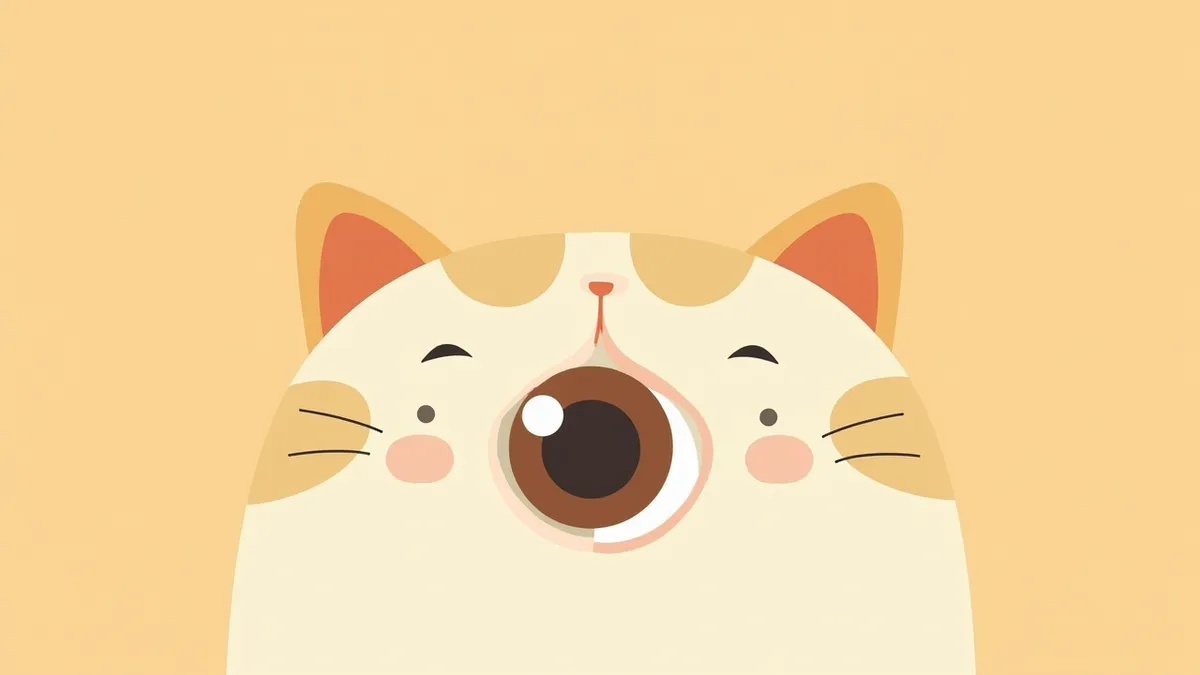
A cat showing signs of entropion
Feline entropion is a condition in which the eyelid rolls inward, causing persistent irritation to the cornea and potentially leading to pain and corneal damage. It is particularly common in flat-faced breeds and senior cats, making early detection crucial. Be alert if your cat exhibits excessive tearing or frequently squints and rubs its eyes. If left untreated, this condition can result in corneal ulcers or scarring. Prompt veterinary care is essential. Regular ophthalmic examinations can help identify risks at an early stage.

The Main Causes of Entropion Are Genetics, Aging, and Changes in the Structure Around the Eyes
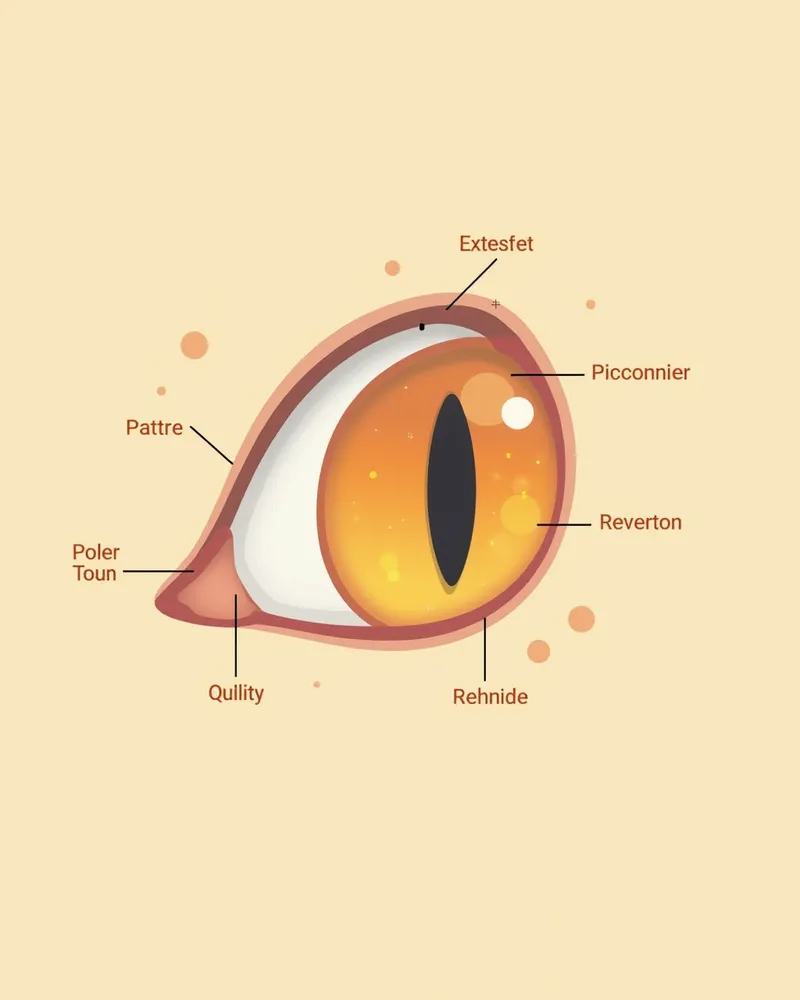
- Genetic and structural factors: Brachycephalic (flat-faced) cat breeds such as Persians and Himalayans are prone to entropion due to their unique eyelid anatomy. In these breeds, it is common for the inner lower eyelid to roll inward. - Aging: As cats age, the tissues around the eyes atrophy, causing the eyeball to sink backward. This can lead to the lower eyelid rolling inward, a condition relatively common in senior cats. - Enophthalmos: When the eyeball recedes into the orbit, the eyelid loses support and rolls inward. This is a frequent cause of lower eyelid entropion in cats. - Post-traumatic or post-inflammatory changes: Scarring from injuries or chronic inflammation around the eye can distort the eyelid structure, leading to entropion. Since these factors often interact, early diagnosis and identifying the underlying cause are key to effective treatment.
Explanation of the causes of entropion due to changes in the structures around the eyes

Main Symptoms Include Tearing, Squinting, and Photophobia
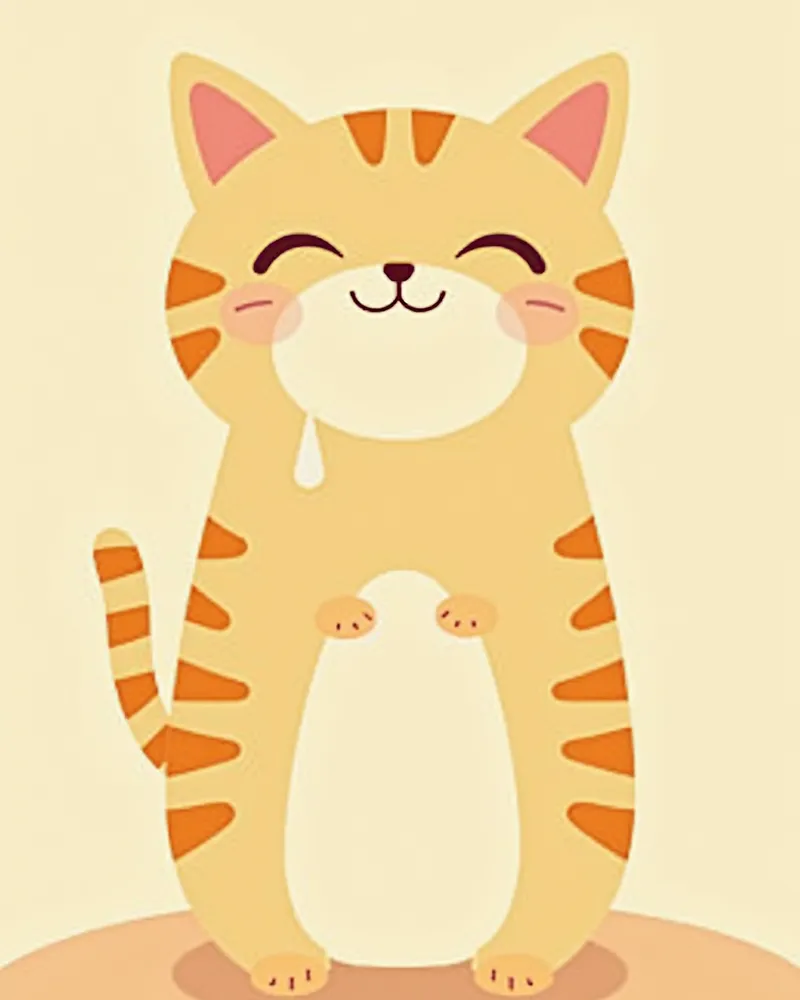
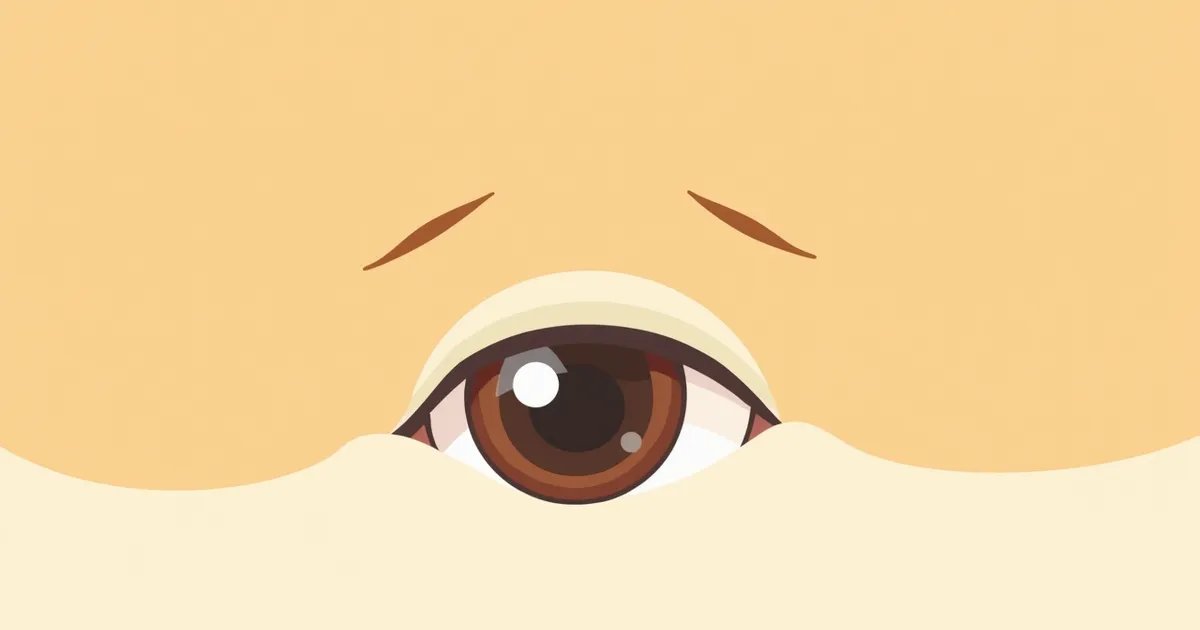
- Tearing: The eyes appear constantly watery. - Squinting: The pet frequently squints or keeps the eyes nearly closed. - Photophobia: The pet shows aversion to light or repeatedly rubs the eyes. - Redness: The eyes may appear red or cloudy. - Decreased Activity: Severe pain may cause the pet to remain immobile or refuse food. If these symptoms persist, immediate veterinary attention is required.
A cat with entropion, experiencing excessive tearing and squinting.

Emergency Signs Requiring Immediate Veterinary Visit

If your pet’s eyes appear red and swollen, if they struggle to keep them open, or if there is blood mixed with the tears, you should seek veterinary care immediately. These symptoms may indicate a progressing corneal ulcer or infection. Delaying treatment can lead to vision loss.

Diagnosis Is Performed Through Ophthalmic Examination and Assessment of Eye Condition
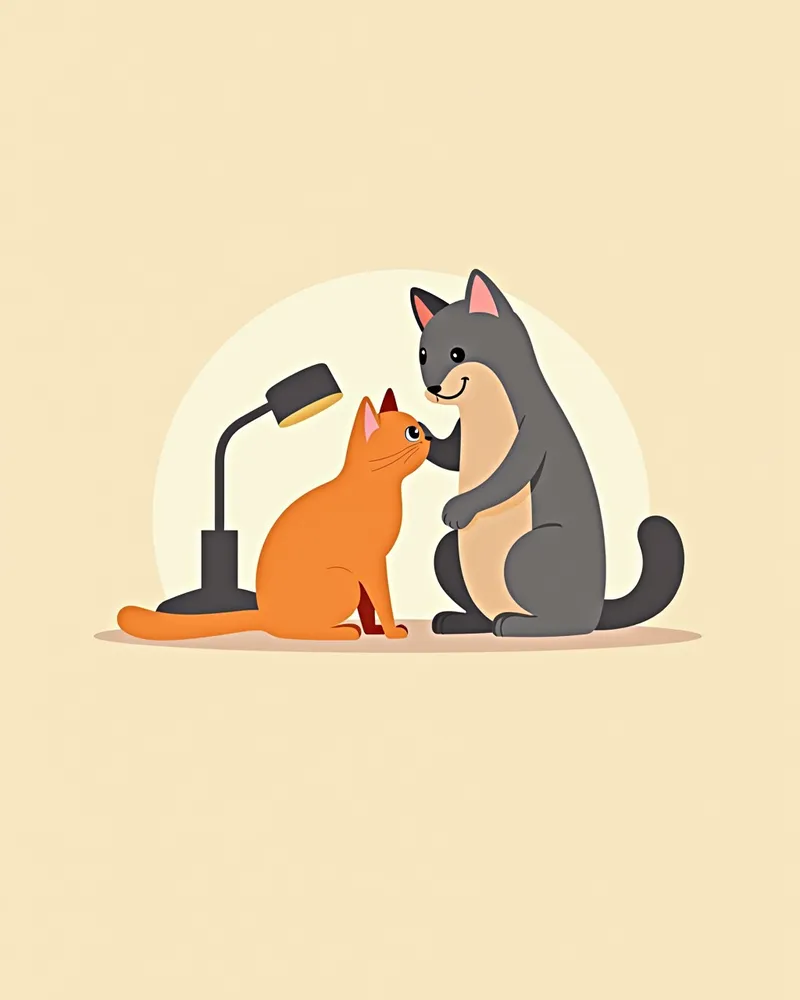
- Visual and ophthalmic examination: The veterinarian directly observes and palpates the cat’s eyelids to assess the location and severity of entropion. The inward-rolled eyelid margin can be confirmed by visual inspection. - Slit-lamp examination: Using magnified illumination, the eyelids and corneal surface are examined in detail to check for corneal irritation or damage. - Fluorescein staining: A dye is applied to the cornea to visually identify any ulcers or wounds. - Pain localization: If necessary, topical anesthetic drops are used to determine whether the pain originates from the eyelids, conjunctiva, or cornea. - Specialist consultation: In complex or recurrent cases, consultation with a veterinary ophthalmologist may be recommended. These examinations enable an accurate diagnosis and the development of an appropriate treatment plan.
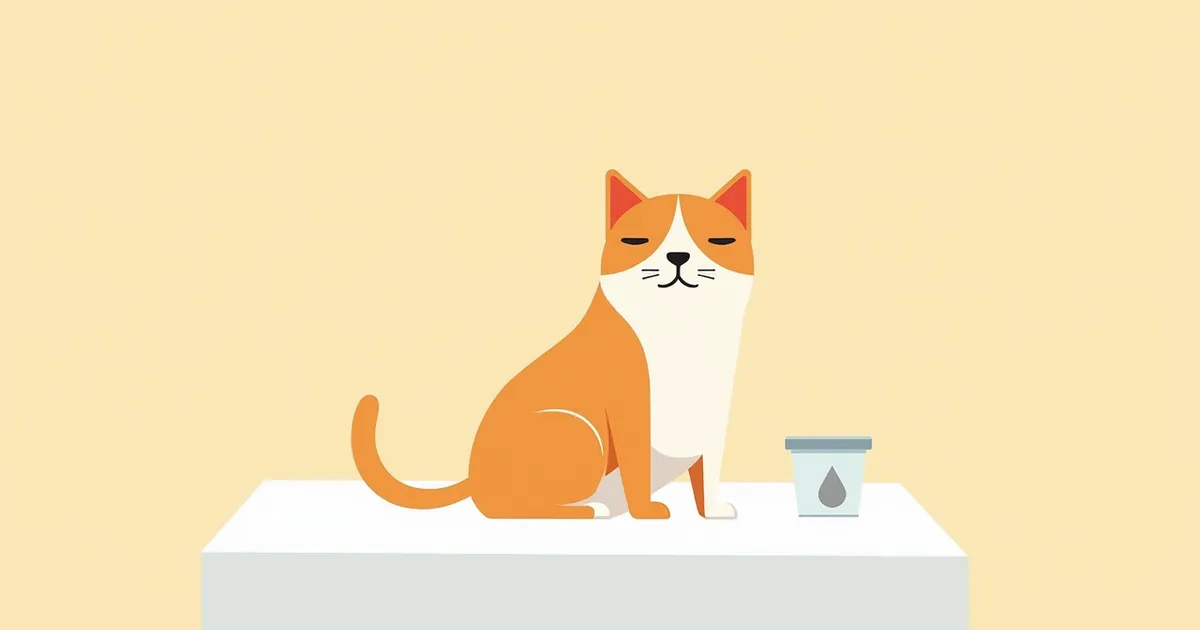
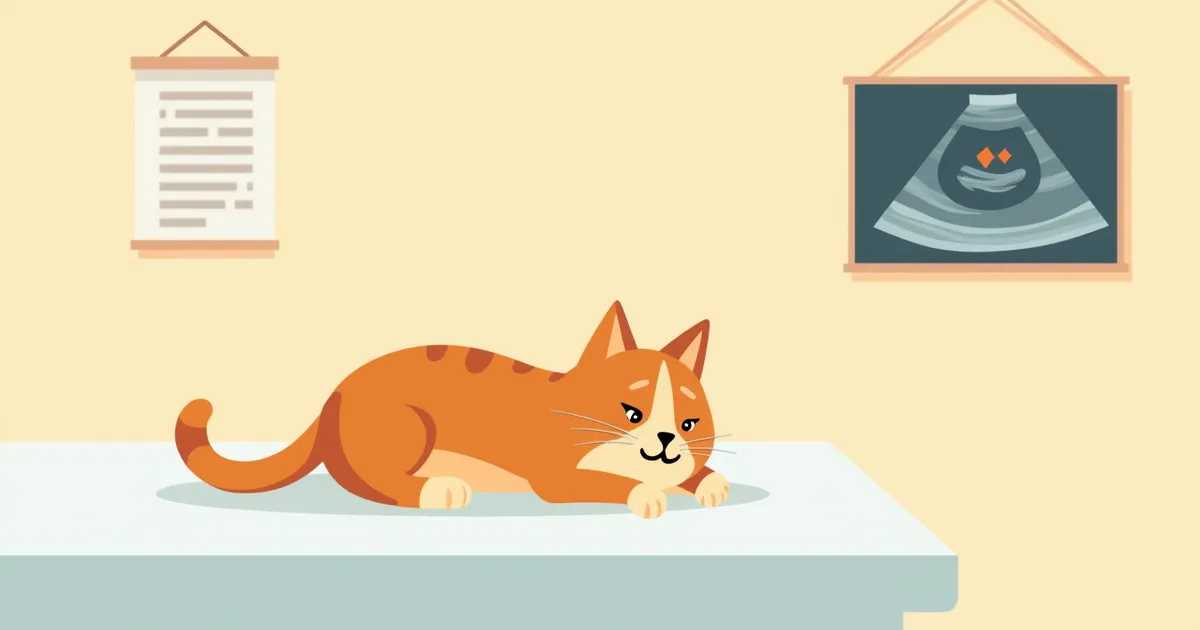
A veterinarian examining a cat's eye with a slit lamp

Treatment Is Conducted in Stages with Medication and Surgery
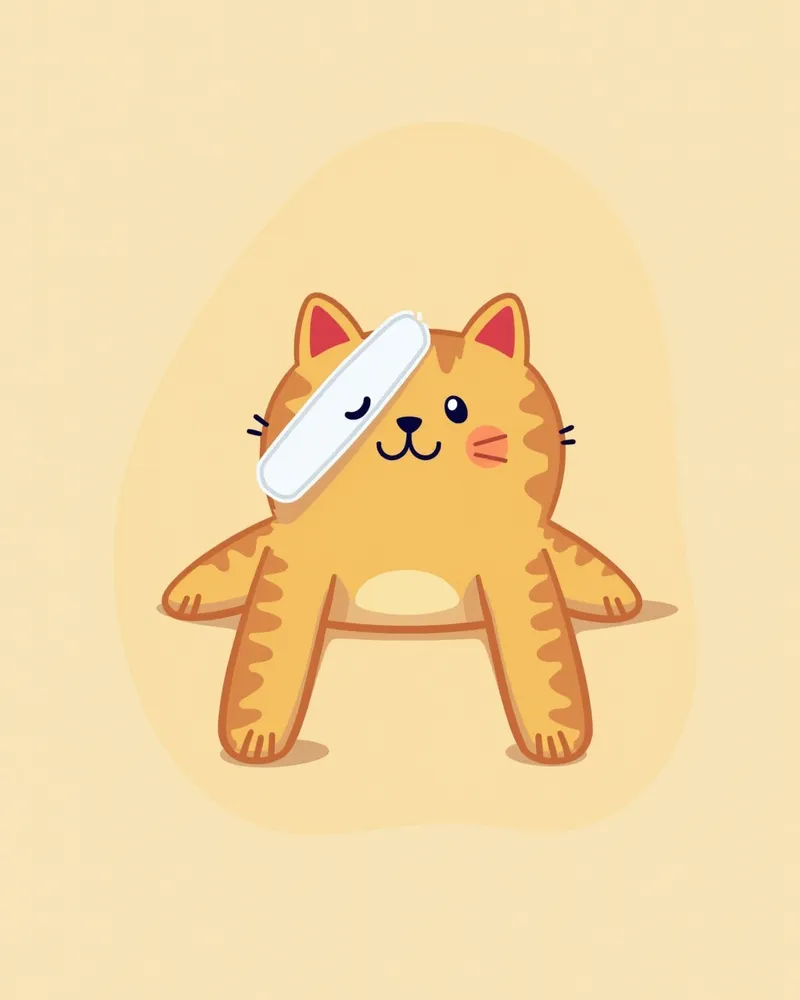
- Initial care: If the eye is severely irritated, anti-inflammatory medications or eye drops can help relieve pain and inflammation. - Surgical correction: The primary treatment involves surgery to restore the eyelid to its normal position. - Post-operative care: Antibiotics are prescribed to prevent infection. - Preventing recurrence: Regular check-ups after surgery are essential to monitor for any signs of recurrence. - Developing a treatment plan: The combination of medication and surgery is determined based on the patient’s condition. Early treatment is crucial for preserving vision.
A cat recovering from entropion surgery

Home Care Focuses on Post-Operative Precautions and Eye Management
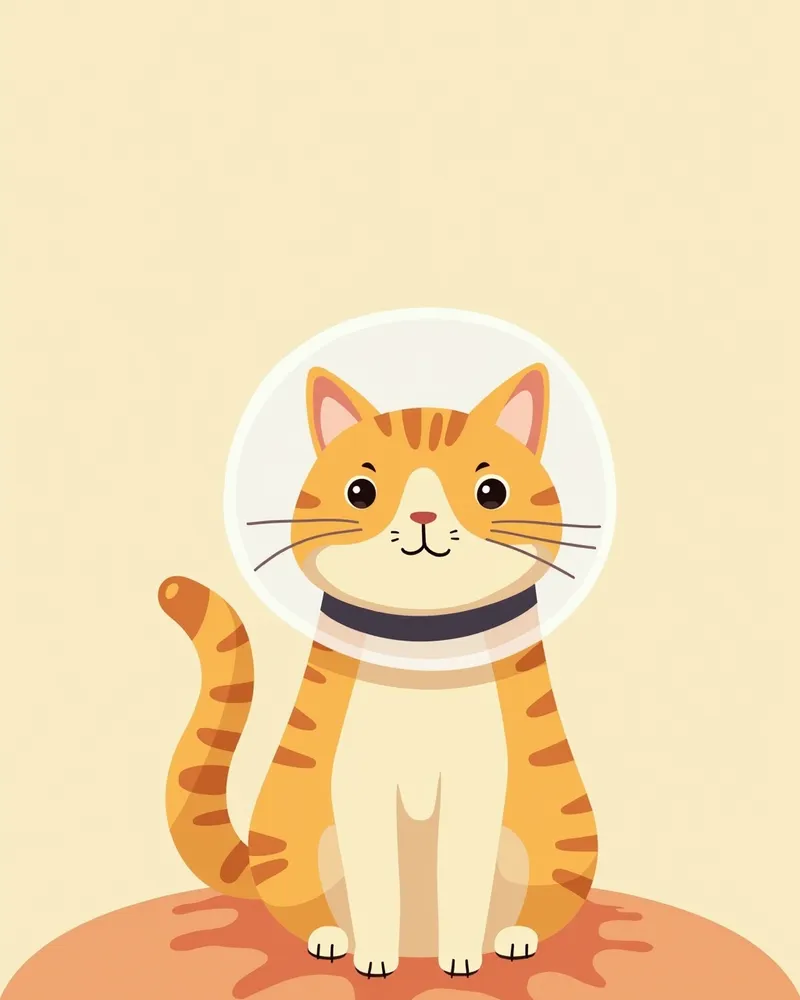
- Wear an Elizabethan collar: To prevent your cat from scratching its eyes after surgery, keep the protective collar on at all times. - Monitor the area around the eyes: Check daily for any swelling, discharge, or redness. - Administer eye drops: Use the prescribed eye drops exactly as directed by your veterinarian, adhering strictly to the recommended timing and dosage. - Limit activity: For the first one to two weeks after surgery, it is best to keep your cat indoors in a quiet environment to support recovery. - Nutritional care: Provide a balanced diet to help strengthen your cat’s immune system. - Regular check-ups: It is important to schedule follow-up ophthalmic examinations one month and three months after surgery.
A cat wearing a cone after surgery

Certain Breeds Have a High Risk of Recurrence

Brachycephalic cats with flat faces, such as Persians and Himalayans, are prone to entropion due to the unique structure of their eyelids. Even after surgery, the condition can recur as the tissues around the eyes change. Additionally, as cats age, the progression of enophthalmos (posterior displacement of the eyeball) can cause the eyelids to roll inward again, making regular ophthalmic examinations essential. Early detection is key to preventing recurrence.

Reviewed by a veterinarian

Dr. Tony — Punnawat Phongkittirak

Dr. Tony — Punnawat Phongkittirak

Veterinarian

A veterinarian who majored in veterinary medicine at Khon Kaen University, Thailand, and completed the IVSA program at North Carolina State University in the United States. Drawing on clinical experience at animal hospitals, he works in the pet healthcare field and is dedicated to building a digital care environment that connects pet parents with veterinarians.

Frequently Asked Questions

Does entropion occur naturally in cats as they age?
Entropion can occur as aging causes the tissues around the eyes to atrophy and the eyeball to sink backward, a condition known as enophthalmos. In fact, lower eyelid entropion in cats is relatively common in older individuals as a result of enophthalmos, so vigilance becomes increasingly important as cats age.
Can the eye dry out again after surgery?
While there is a possibility of recurrence, most cases can be sufficiently improved with surgery. Regular check-ups are especially important for breeds that are at higher risk of recurrence due to their genetic predispositions. Consult with your veterinarian to develop a strategy for preventing recurrence.
Can entropion be treated with medication alone?
Medications can help relieve pain and inflammation, but they have limited ability to correct eyelid structural abnormalities. In most cases, surgical correction is necessary. Medications are used as adjunctive therapy before and after surgery.
How long does entropion surgery take?
Entropion surgery is performed under general anesthesia or sedation to reposition the eyelid back to its normal position. The exact duration of the procedure and whether hospitalization is required depend on your cat’s condition and the extent of the affected area, so it’s best to discuss these details with your veterinarian in advance. After surgery, allow your cat to rest and closely monitor their recovery.
Is entropion strongly influenced by genetic factors?
Yes, particularly in brachycephalic breeds like Persians and Himalayans, the unique structure of their eyelids makes them more prone to entropion. In these cats, inward rolling of the lower eyelid is commonly observed. It’s a good idea to consider breed-specific traits and check the cat’s eye health before adoption.

Share

Related Guides

References

[1] Maggs DJ, Miller PE, Ofri R, Slatkin J. Clinical Atlas of Canine and Feline Ophthalmic Disease, 2nd Edition. Elsevier; 2020.

[2] Ettinger SJ, Feldman EC, Côté E. Textbook of Veterinary Internal Medicine: Diseases of the Dog and the Cat. 8th ed. Elsevier; 2017.

[3] Cullen CL, Njaa BL, Grahn BH. Ulcerative keratitis associated with qualitative tear film abnormalities. Vet Ophthalmol. 1999;2:197–204.

This information is based on veterinary literature and does not replace diagnosis or treatment. Please consult a veterinarian for specific health concerns.

Metapet Co., Ltd. | CEO: Park Sung-yong | Business Reg. No. 417-88-02562 | Seoul, South Korea | Customer Center

Cat Rubbing & Blinking? Entropion Symptoms & Treatment | Meongsiljang