Like
Share
멍실장
고양이 각막 부종 증상과 원인, 진단·치료와 관리 포인트 총정리

If Your Cat’s Eyes Are Cloudy and Hazy — Causes of Corneal Edema and When to Visit the Vet

Eye HealthDiseasesMeongsiljang Veterinary Advisory Board

Feline corneal edema is a condition in which the cornea of the eye becomes swollen, potentially causing pain and vision loss. Early detection and appropriate treatment are essential.

What Is Feline Corneal Edema?
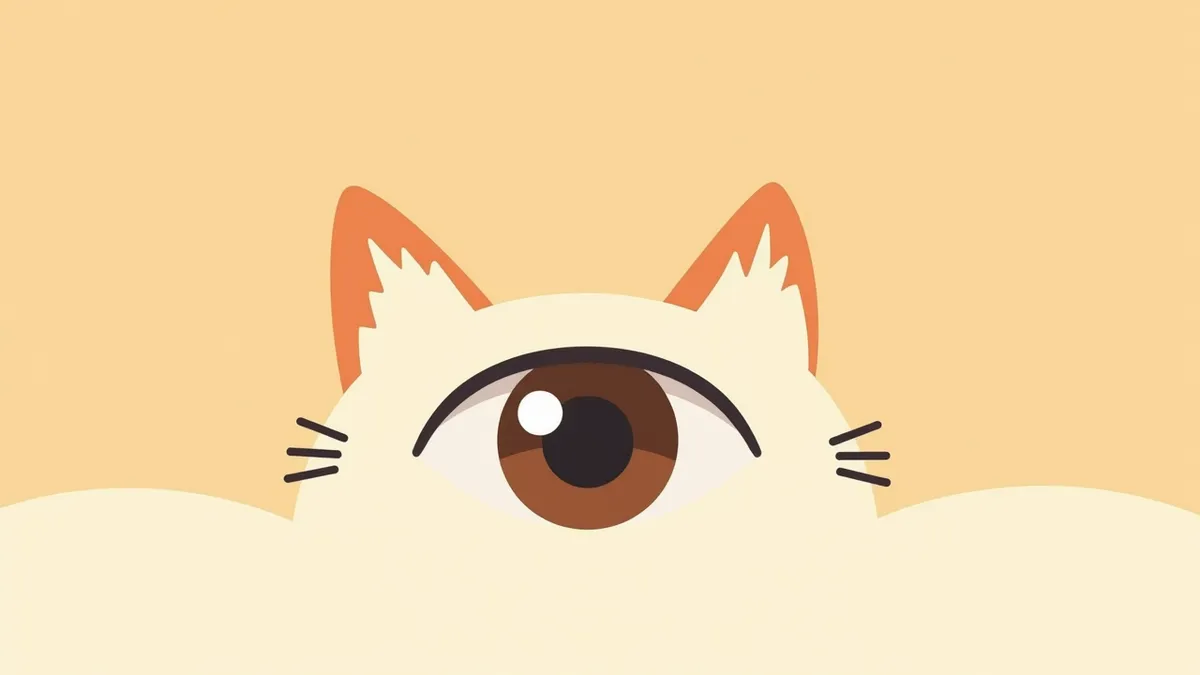
An anatomical diagram of a cat's eye with a swollen cornea
Corneal edema in cats is a condition where the cornea—the clear, outermost layer of the eye—becomes thickened and cloudy due to excessive fluid accumulation. When the cornea swells, its surface may appear hazy with a bluish or grayish tint, potentially blurring your cat’s vision. The cornea is designed to remain transparent, but if the outer epithelial cells or the inner endothelial cells are damaged or inflamed, its ability to regulate fluid is compromised, leading to swelling. In the early stages, there may be little to no discomfort or pain, but as the condition progresses, it can lead to blister-like (vesicular) changes or ulcers, causing pain and vision loss. Early detection is crucial. If you notice any symptoms, consult your veterinarian promptly. Left untreated, corneal edema can affect your cat’s vision, so timely intervention is essential.

What Are the Main Causes?

There are many possible causes of corneal edema in cats. - Trauma: Scratches or tears to the cornea from claws or objects can cause fluid to accumulate at the site of injury, leading to edema. - Infection and inflammation: Feline herpesvirus (FHV) can cause various ocular diseases, and when accompanied by bacterial keratitis, it can result in inflammation and edema. - Glaucoma (increased intraocular pressure): Corneal edema may occur alongside glaucoma, which is characterized by elevated intraocular pressure. - Corneal endothelial dysfunction: As the function and density of the inner endothelial cells responsible for pumping out fluid gradually decline, progressive corneal edema can develop. Endothelial cells do not regenerate once damaged. - Acute bullous keratopathy: This condition presents as sudden, widespread corneal edema with blister formation and has been reported in relatively young cats. Accurately identifying the underlying cause is the first step toward effective treatment.
The condition of a cat's injured eye

Main Symptoms and Signs

If you suspect corneal edema in your cat, it’s important to carefully observe for warning signs. You may notice the cornea becoming cloudy and hazy, along with behaviors such as avoiding light, rubbing or scratching at the eyes, and excessive tearing.
Corneal clouding: The cornea may take on a bluish or grayish haze, losing its clarity, and your cat may appear disoriented or have difficulty seeing its surroundings.
Photophobia: Your cat may avoid bright light, squint, or keep its eyes closed. If there is pain, the eyelids may twitch or spasm shut.
Increased tearing or discharge: There may be persistent tearing or sticky ocular discharge.
Corneal thickening: Due to swelling, the cornea itself may become thicker and appear raised; in severe cases, blisters (bullae) may form.
Squinting and third eyelid protrusion: Pain may cause frequent blinking or squinting, and the third eyelid (nictitating membrane) may become visible.
If these symptoms persist, immediate veterinary care is necessary.
A cat with swollen eyes that are closed

Signs That Require Immediate Veterinary Care

If your cat’s eyes are swollen, sensitive to light, or tearing up, seek veterinary care immediately. Vision loss can progress rapidly, so don’t delay.

Accurate Diagnostic Methods
To accurately diagnose corneal edema in cats, a thorough ophthalmic examination is essential. Most importantly, a meticulous eye exam during the initial visit is crucial for establishing an accurate diagnosis. - Intraocular pressure measurement: This checks for elevated pressure inside the eye. High intraocular pressure may indicate glaucoma. - Corneal fluorescein staining: A special dye is applied to identify areas of the cornea that are damaged or ulcerated. Affected areas will retain the dye. - Slit-lamp biomicroscopy: Using magnified illumination, this allows for detailed observation of corneal thickness, transparency, and the extent and depth of the edema. - Cytology and culture of ocular discharge: If infection is suspected, a sample of the discharge is collected for cytology, bacterial culture, and sensitivity testing to identify the causative pathogen. These tests are used in combination to accurately determine the underlying cause of the edema. If corneal perforation, deep ulcers, or significant uveitis are present, referral to a veterinary ophthalmologist should be considered.
A veterinarian examining a cat's eye with a slit lamp

Treatment Methods and Step-by-Step Management
Treatment for feline corneal edema depends on the underlying cause. If infection or inflammation is responsible, appropriate antibiotics or anti-inflammatory medications are used; if intraocular pressure is elevated, glaucoma treatment is administered concurrently.
Pharmacological treatment: Bacterial keratitis is treated with antibiotics selected based on cytology and culture results. Anti-inflammatory drugs and steroids must be used cautiously due to the risk of herpesvirus reactivation or ulcer exacerbation.
Conservative management: For edema caused by endothelial dysfunction, hypertonic saline ointment can help alleviate discomfort, though it does not address the root cause.
Surgical intervention: In cases of severe corneal damage or poor prognosis for recovery, surgical options such as keratectomy, conjunctival flap surgery, or corneal transplantation may be necessary.
Pain management: Analgesics are prescribed alongside other treatments if the cat is experiencing significant pain.
Throughout the treatment period, it is essential to protect your cat’s eyes and ensure accurate administration of eye medications.
A cat wearing a protective collar having eye drops administered

Home Care Points

It’s important to provide careful home care for your cat during treatment. To prevent them from touching or scratching their eyes, have them wear an Elizabethan collar. Eye drops should be administered regularly at the correct times. A quiet, dimly lit environment is ideal.
Wear an Elizabethan collar: Prevents eye scratching.
Administer eye drops accurately: Don’t miss the scheduled times or doses.
Maintain a quiet environment: Reduces stimulation and stress.
Manage diet and hydration: Ensuring adequate nutrition is key to supporting a healthy recovery.
Regular veterinary visits: Necessary to monitor treatment efficacy and make adjustments if needed.
A cat resting in a quiet environment

Breed-Specific Precautions and Prevention of Recurrence

Brachycephalic breeds with flat faces, such as Persians, are more prone to corneal sequestrum, a condition characterized by dark deposits on the cornea, which can be accompanied by corneal edema. Regular ophthalmic examinations are essential to prevent recurrence or worsening of the condition. If any adverse reactions occur after using eye drops, contact your veterinarian immediately.

Reviewed by a veterinarian

Dr. Tony — Punnawat Phongkittirak

Dr. Tony — Punnawat Phongkittirak

Veterinarian

A veterinarian who majored in veterinary medicine at Khon Kaen University, Thailand, and completed the IVSA program at North Carolina State University in the United States. Drawing on clinical experience at animal hospitals, he works in the pet healthcare field and is dedicated to building a digital care environment that connects pet parents with veterinarians.

Frequently Asked Questions

Can feline corneal edema be treated?
Yes, with appropriate treatment based on the underlying cause, most pets can make a full recovery. Early detection and treatment are key.
What happens if you miss a dose of eye drops?
The treatment may become less effective, and recovery could be delayed. It’s important to administer eye drops at the correct time.
Does wearing a protective collar make cats uncomfortable?
An Elizabethan collar (protective cone) prevents your cat from rubbing or scratching its eyes and causing further injury. Although your cat may seem uncomfortable at first, most cats gradually adjust to it, so please keep the collar on consistently until the cornea has fully healed.
Can it recur?
If the underlying cause isn’t addressed or care is inadequate, the condition may recur. Regular check-ups and attentive management are essential.
How do I administer eye drops at home?
Gently hold your cat's head, lift the lower eyelid slightly, and then administer the eye drops. Be careful not to let your fingers touch the eye.

Share

Related Guides

References

[1] Clinical Atlas of Canine and Feline Ophthalmic Disease, 2nd Ed. 2023

[2] Feline Emergency and Critical Care Medicine, 2nd Ed. 2021

[3] The Cat, Clinical Medicine and Management, 2nd Edition. 2020

This information is based on veterinary literature and does not replace diagnosis or treatment. Please consult a veterinarian for specific health concerns.

Metapet Co., Ltd. | CEO: Park Sung-yong | Business Reg. No. 417-88-02562 | Seoul, South Korea | Customer Center

Cloudy Cat Eyes: Causes of Corneal Edema and When to See a Vet | Meongsiljang