Like
Share
멍실장
고양이 간 질환과 응고 이상 증상과 원인, 진단·치료와 관리 포인트 총정리

Cat Bruising and Bleeding — Causes and Warning Signs of Liver Disease and Coagulation Abnormalities

Liver HealthDiseasesMeongsiljang Veterinary Advisory Board

Feline liver disease can lead to a deficiency in clotting factors due to impaired liver function, increasing the risk of bleeding. Early detection and proper management are essential.

What Are Feline Liver Disease and Coagulation Abnormalities?
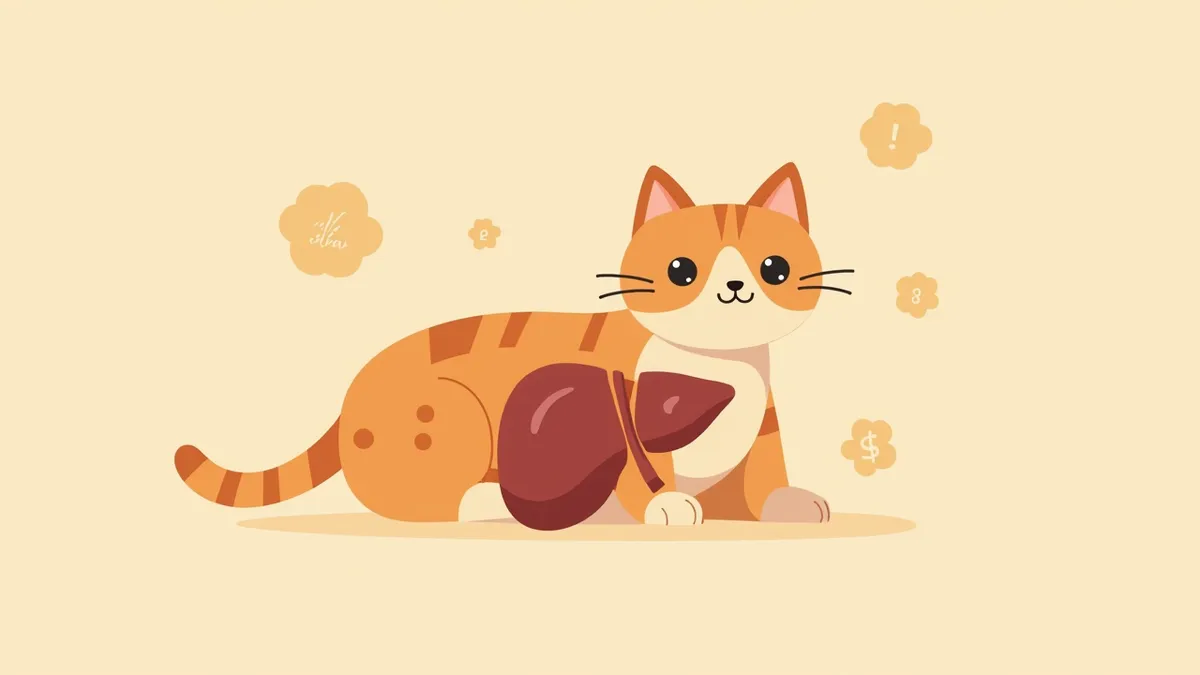
An image explaining the process of clotting factor production in a cat's liver.
Feline liver disease and coagulation abnormalities occur when declining liver function leads to a deficiency in the factors necessary for blood clotting. - Impaired liver function: The liver is the primary organ responsible for producing most coagulation factors; when it is damaged, blood clotting becomes impaired. - Deficiency of coagulation factors: There is a particular decrease in vitamin K–dependent coagulation factors (II, VII, IX, X, including prothrombin), along with a reduction in platelet count (thrombocytopenia), which increases the risk of bleeding. - Bleeding symptoms: Signs may include skin bruising, nosebleeds, blood in the stool, and internal bleeding. - Difficulty in early detection: Early stages often present only with mild, nonspecific signs such as loss of appetite, making early diagnosis challenging. Delaying diagnosis increases the risk significantly. - Key to treatment: Early diagnosis and appropriate management are crucial factors that determine the outcome.

What Are the Main Causes?

The main causes of liver disease and coagulation disorders in cats include severe liver disease, fatty liver (hepatic lipidosis), drugs or toxins, bile duct obstruction, and vitamin K deficiency. - Severe liver disease: When liver damage becomes severe, the production of clotting factors decreases, which can lead to a tendency to bleed. - Drugs and toxins: Medications such as phenobarbital or other hepatotoxic substances can place a burden on a cat’s liver. - Fatty liver (hepatic lipidosis): Even a few days of loss of appetite can cause fat to accumulate in the liver, so extra caution is needed in obese cats. - Bile duct obstruction and vitamin K deficiency: If bile flow is blocked, vitamin K absorption decreases, which can lead to a deficiency in clotting factors. - Other factors: Conditions such as pancreatic insufficiency or chronic inflammatory bowel disease can also secondarily contribute to coagulation abnormalities.
An image showing medication situations that can cause liver damage in cats.

What Are the Main Symptoms and Signs?
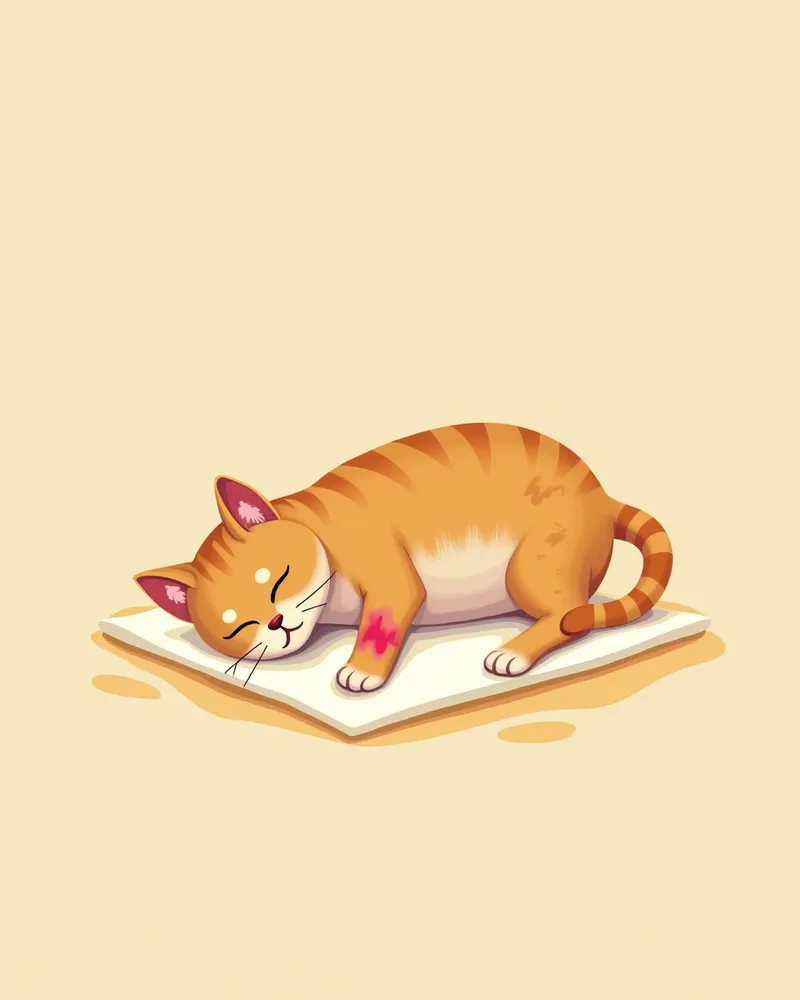
The main symptoms of feline liver disease and coagulation disorders include loss of appetite, vomiting, jaundice, and lethargy, along with bleeding, skin bruising, nosebleeds, and blood in the stool. - Bleeding symptoms: If your cat suddenly starts bleeding or develops severe bruising, immediate veterinary attention is required. - Signs of internal bleeding: You may notice blood in the stool or black, tarry stools. - Changes in daily behavior: Loss of appetite is the most common warning sign; if it persists for even a few days, it warrants attention, often accompanied by decreased activity and lethargy. - Gastrointestinal symptoms: Recurring loss of appetite and vomiting may occur, and drooling (ptyalism) may also be observed. - Signs of jaundice: Jaundice, characterized by a yellowish discoloration of the eyes, gums, or skin, is a significant indicator that liver disease has progressed. - Emergency situations: If bleeding does not stop or if your cat becomes disoriented or loses consciousness, consult your veterinarian immediately.
An image showing bleeding symptoms in a cat

Emergency Situations Requiring Immediate Veterinary Visit

If your cat suddenly starts bleeding, develops severe bruising, or experiences recurrent bloody stools or nosebleeds, seek veterinary care immediately. These signs indicate a serious clotting disorder that can be life-threatening. Prompt evaluation and treatment by a veterinarian are essential.

How Is It Diagnosed?
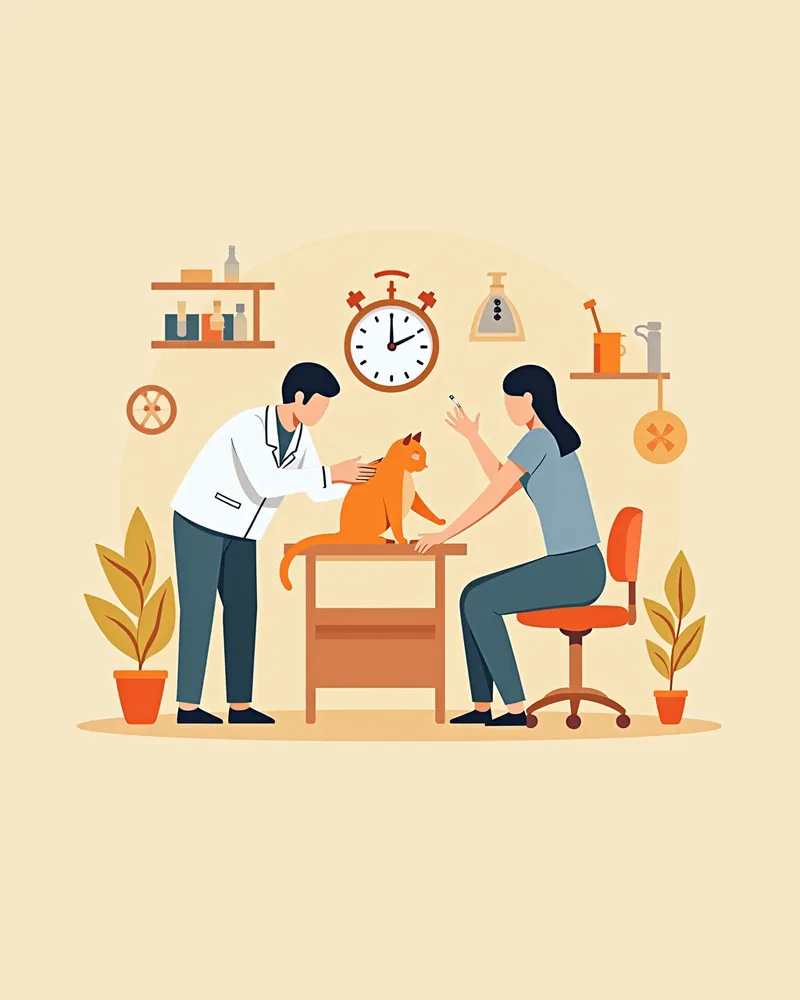
Feline liver disease and coagulation abnormalities are diagnosed through blood tests, liver function panels, coagulation time measurements, and ultrasound imaging. - Blood tests: Elevated levels of ALT, AST, ALP, and GGT, along with hyperbilirubinemia, indicate liver damage. - Coagulation tests: Measuring PT (prothrombin time) and aPTT assesses coagulation function, while blood ammonia levels help determine the presence of hepatic encephalopathy. - Ultrasound imaging: This visually confirms structural changes, enlargement, or lesions in the liver. - Biopsy: Liver tissue biopsy or fine-needle aspiration may be necessary to identify the exact cause. - Importance of regular check-ups: Routine blood tests help detect mild liver disease at an early stage.
An image showing a veterinarian performing a blood test on a cat.

Treatment Methods and Step-by-Step Management
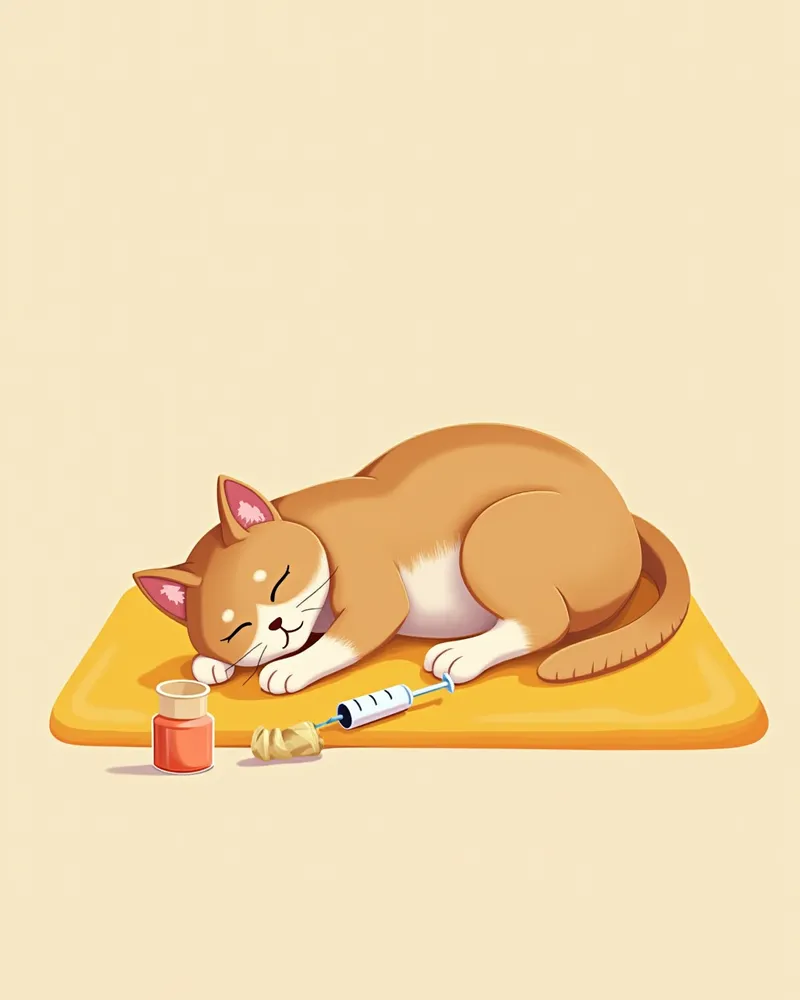
Treatment varies depending on the underlying cause and may include addressing the root issue, nutritional and fluid support, clotting factor supplementation, and vitamin K administration. - Treating the underlying cause: If medications or toxins are the culprit, we discontinue the offending agent, correct dehydration and electrolyte imbalances, and restore proper nutrition. - Clotting factor supplementation: In cases of severe bleeding, we replenish clotting factors through blood transfusions, such as plasma. - Vitamin K supplementation: If vitamin K deficiency is due to liver disease or bile duct obstruction, your veterinarian may prescribe vitamin K as appropriate. - Nutritional management: It’s important to consistently feed the diet recommended by your veterinarian to help correct negative energy balance. - Regular monitoring: We’ll continuously monitor your pet’s condition through blood tests and ultrasound. - Minimizing stress: A quiet environment and a consistent daily routine can aid in recovery.
An image showing the administration of medication during treatment for liver disease in cats.

Management Points at Home

The key to managing feline liver disease and coagulation disorders lies in reducing stress, maintaining a regular feeding schedule, adhering strictly to medication regimens, and attending regular veterinary check-ups. - Dietary Management: Consistently feed the special diet recommended by your veterinarian. - Food Precautions: Avoid fatty foods, organ meats, and raw meat, as these can place undue stress on the liver. - Environmental Safety: Prevent injuries by removing sharp objects and securing areas where your cat could fall from heights. - Activity Regulation: Prioritize rest over excessive running or jumping. - Medication Management: Administer medications precisely at the prescribed times and do not discontinue them without veterinary guidance. - Bleeding Monitoring: Carefully document any changes such as skin bruising, blood in the stool, or nosebleeds.
An image showing a safe environment for managing feline liver disease

Precautions for Specific Breeds and Ages

While it’s difficult to definitively say that certain breeds are more susceptible to liver disease, a few days of loss of appetite in any cat can be a risk factor for fatty liver disease (hepatic lipidosis), so caution is advised. If your cat shows a decreased appetite or signs of jaundice or bleeding, prompt evaluation along with regular check-ups can aid in early detection. The frequency of check-ups should be determined in consultation with your veterinarian, based on your cat’s age and health status.

Reviewed by a veterinarian

Dr. Tony — Punnawat Phongkittirak

Dr. Tony — Punnawat Phongkittirak

Veterinarian

A veterinarian who majored in veterinary medicine at Khon Kaen University, Thailand, and completed the IVSA program at North Carolina State University in the United States. Drawing on clinical experience at animal hospitals, he works in the pet healthcare field and is dedicated to building a digital care environment that connects pet parents with veterinarians.

Frequently Asked Questions

My cat suddenly developed a bruise. Should I go to an emergency vet clinic?
Yes, sudden bruising can be a sign of a clotting disorder. Immediate veterinary care is necessary.
What medications should I give my pet if it develops liver disease?
A veterinarian will prescribe vitamin K or clotting factor supplements (such as blood transfusions) based on your pet’s weight and condition. Never attempt to self-prescribe these treatments.
Is it safe to feed my cat a special diet?
Yes, the special liver-support diet recommended by veterinarians helps reduce the burden on the liver and aids in recovery.
Can clotting disorders be cured?
While the condition can improve by addressing the underlying cause and providing appropriate care, it may become chronic in some cases, requiring ongoing management.
How often should I schedule routine check-ups for my pet?
Regular blood tests help detect mild liver disease in its early stages. The frequency of check-ups should be determined in consultation with your veterinarian, based on your cat’s age and overall health. Early detection is key to effective treatment.

Share

Related Guides

References

[1] Braun, J.P. et al. (2020) Fundamentals of Veterinary Clinical Pathology, 3rd Edition. Wiley-Blackwell.

[2] Lloyd, D.H. et al. (2018) Notes on Canine and Feline Internal Medicine, 4th Edition. Elsevier.

[3] BSAVA Manual of Canine and Feline Dermatology, 4th Ed. (2021). British Small Animal Veterinary Association.

This information is based on veterinary literature and does not replace diagnosis or treatment. Please consult a veterinarian for specific health concerns.

Metapet Co., Ltd. | CEO: Park Sung-yong | Business Reg. No. 417-88-02562 | Seoul, South Korea | Customer Center

Cat Bruising & Bleeding: Liver Disease & Clotting Warning Signs | Meongsiljang