
Cats That Hide and Refuse to Eat After a Move — Causes of Environmental Change Stress and Adaptation Management
If your cat hides or refuses to eat after a move or other environmental change, it may be a stress response. We’ve compiled a symptom checklist and at-home care tips based on veterinary science.
What Is Cat Stress from Moving or Environmental Changes?
Why Cats Are Sensitive to Environmental Changes
Stress Signals to Watch For

When to Seek Immediate Veterinary Care
Seek immediate veterinary care if your cat hasn’t drunk water or eaten anything for more than 48 hours, is experiencing repeated vomiting or diarrhea, appears lethargic and collapsed, or seems to be struggling to breathe. Cats have a strong tendency to hide pain, making it easy for owners to miss early warning signs. Prolonged fasting can lead to rapid health deterioration, so if your cat refuses food and water for an extended period, prompt veterinary attention is the safest way to prevent complications.
How Veterinarians Diagnose Stress
Stress Treatment Methods — Step-by-Step Approach

At-Home Stress Management Tips
Multi-Cat Households and Preventing Recurrence — Key Takeaways
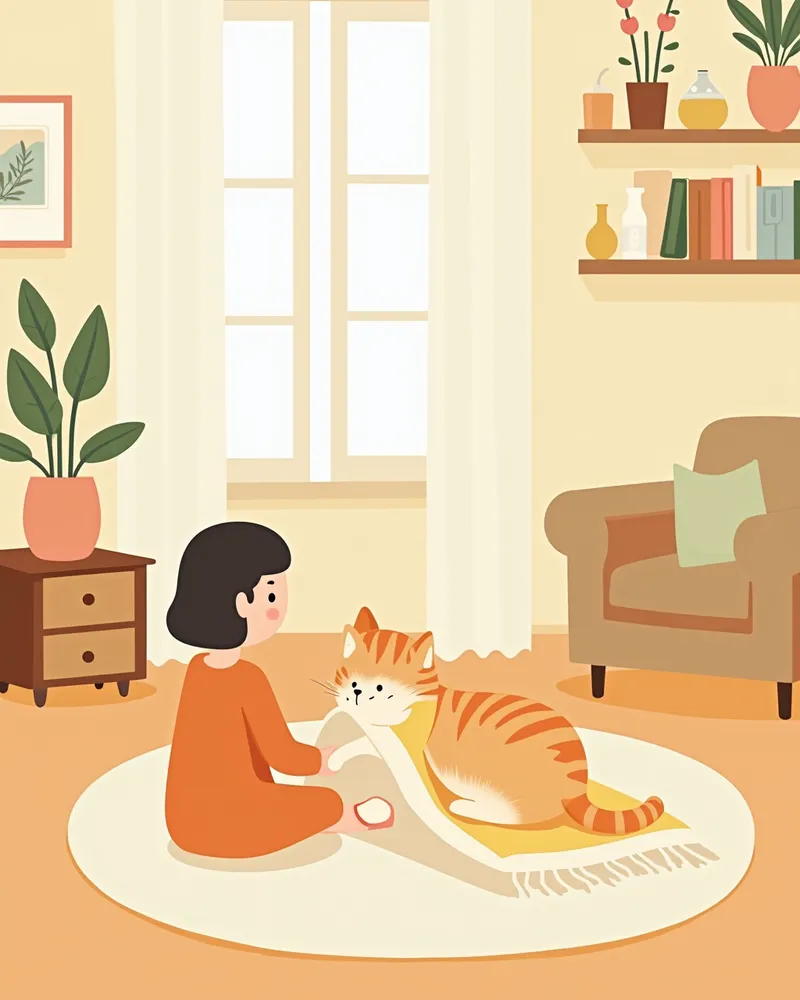
In multi-cat households, providing separate litter boxes, food bowls, and hiding spots for each cat helps prevent chronic stress caused by territorial conflicts. If you’re planning a move or home renovations, start using pheromone products one to two weeks in advance. When introducing a new pet, proceed gradually through scent exchange, then visual contact, and finally direct interaction.
Reviewed by a veterinarian

Dr. Tony — Punnawat Phongkittirak
VeterinarianA veterinarian who majored in veterinary medicine at Khon Kaen University, Thailand, and completed the IVSA program at North Carolina State University in the United States. Drawing on clinical experience at animal hospitals, he works in the pet healthcare field and is dedicated to building a digital care environment that connects pet parents with veterinarians.
Reviewed 2026-06-01
Frequently Asked Questions
Is it normal for a cat to hide for several days after moving?
Do pheromone diffusers really work?
My pet is having accidents outside the litter box after moving. What should I do?
Should I force my pet to eat when they’re stressed?
How long does it take for a cat to adjust after bringing home a new pet?
Share
Related Guides

7 Behavioral Enrichment Strategies for Mental Stimulation Recommended by Veterinarians
Top 5 Recommended Cognitive Supplements for Cats in 2026

Top 5 Calming Supplements for Dogs and Cats in 2026

Is Medication for Your Dog’s Behavior Truly Necessary? — Timing and Signs of Side Effects
Why Your Cat Trembles at the Vet — Causes of Feline Veterinary Hospital Fear and Desensitization Training
If Your Cat Repeats the Same Behavior — Causes and Warning Signs of Repetitive Behavior Disorder
Our Cat Changed After Bringing Home a New Family Member — Causes of Introduction Stress and When to Act
If Your Cat Is Avoiding the Litter Box — Causes from Urinary Tract Disease to Behavioral Issues
If Your Cat Is Constantly Sensitive — The Effects of Pheromone Therapy and When to Start
Why Is My Cat Suddenly Aggressive? — Causes and When to Act on Fear-Based Aggression
References
[1] Little, S.E. (ed.) (2012) The Cat: Clinical Medicine and Management, 2nd Edition. Elsevier Saunders.
[2] Bowen, J. and Heath, S. (2005) Behaviour Problems in Small Animals: Practical Advice for the Veterinary Team. Elsevier Saunders.
[3] Behnke, A.C., Vitale, K.R. and Udell, M.A.R. (2021) 'The effect of owner presence and scent on stress resilience in cats', Applied Animal Behaviour Science, 243, p. 105444.
[4] McCobb, E.C. et al. (2005) 'Assessment of stress levels among cats in four animal shelters', Journal of the American Veterinary Medical Association, 226(4), pp. 548–555.