Like
Share
멍실장
강아지 복수 천자(심장성 복수) 증상과 원인, 진단·치료와 관리 포인트 총정리

If Your Dog’s Abdomen Is Gradually Swelling — Symptoms of Cardiac Ascites and Paracentesis Treatment

HeartDiseasesMeongsiljang Veterinary Advisory Board

Canine ascites (cardiac ascites) is a condition in which fluid accumulates in the abdominal cavity due to impaired heart function, with difficulty breathing and abdominal distension being the main symptoms. Early diagnosis and proper management are essential.

What Is Abdominal Paracentesis for Dogs (Cardiac Ascites)?
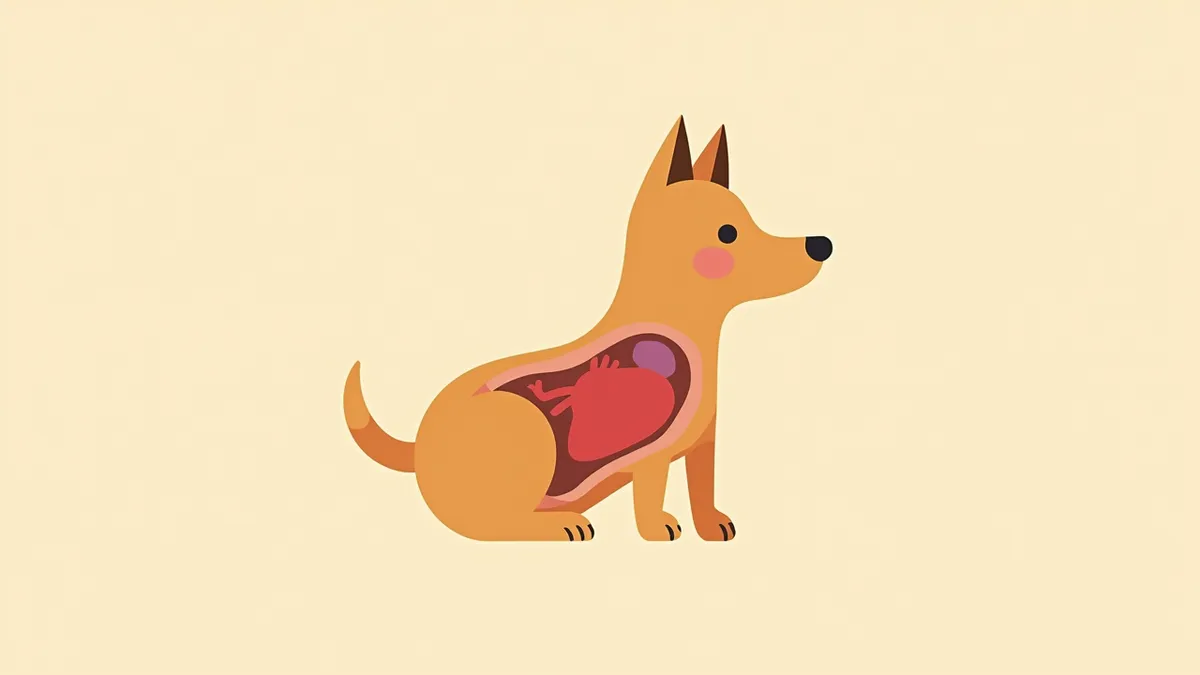
An anatomical illustration showing fluid accumulation in the abdominal cavity due to cardiac ascites
Abdominal paracentesis for dogs with cardiac ascites addresses a condition in which excess fluid accumulates in the abdominal cavity due to impaired heart function. This occurs when the heart cannot pump blood effectively, causing venous pressure to rise and fluid to leak into the abdomen. Ascites is not merely a symptom but a serious sign of heart disease, making early detection crucial. It is often caused by reduced cardiac output or structural abnormalities of the heart. Because ascites can lead to difficulty breathing and abdominal distension, prompt diagnosis and management are essential.

What Are the Primary Causes?

The primary cause of abdominal fluid accumulation (cardiac ascites) in dogs is impaired cardiac pumping function. When the heart fails to pump blood effectively, venous pressure rises, causing fluid to seep into the abdominal cavity. Common causes include valvular heart disease, cardiomyopathy, and cardiac hypertrophy, which are more prevalent in older dogs and certain breeds. Genetic predisposition can also play a role. Ascites is a significant indicator of declining heart function. Therefore, identifying the underlying cause and initiating appropriate treatment is essential.
Echocardiogram images showing cardiac hypertrophy

What Are the Primary Symptoms?

The primary symptom of abdominal paracentesis for cardiac ascites in dogs is rapid abdominal distension, a natural response to fluid accumulation within the abdominal cavity. Additional signs may include difficulty breathing, coughing, decreased activity, loss of appetite, and abdominal tenderness. In severe cases, dogs may adopt a sitting posture to ease labored breathing or exhibit cyanosis (bluish discoloration of the mouth). These are critical indicators of acute heart failure and require immediate veterinary attention. Early recognition and management are essential for saving your pet’s life.
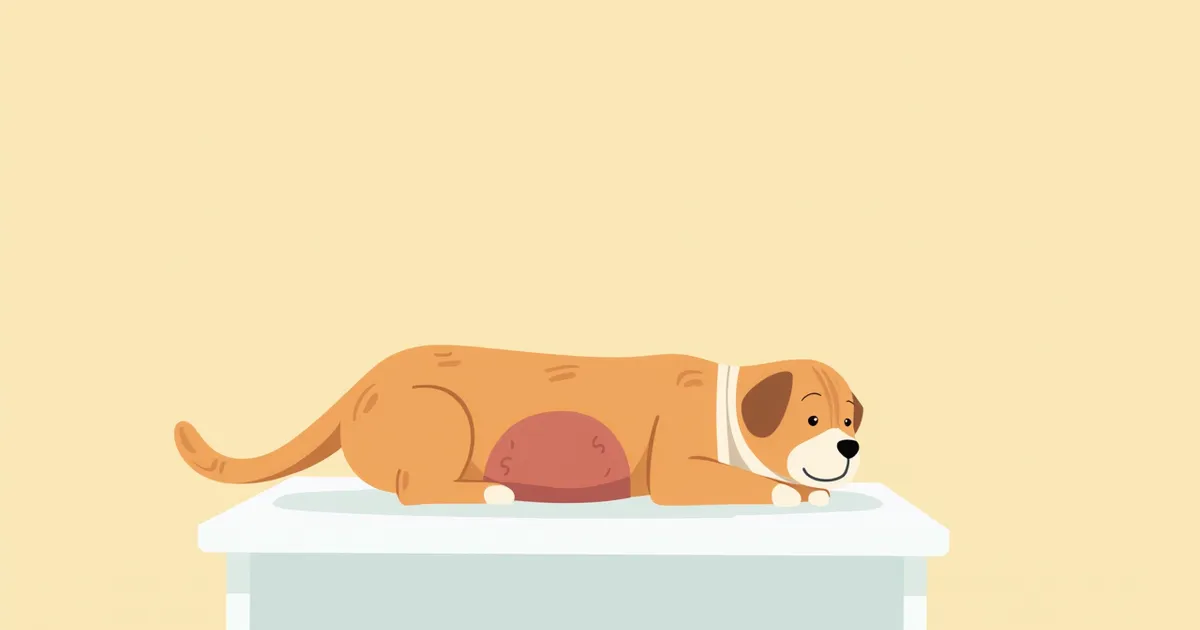
A dog with a distended abdomen due to ascites, showing an uncomfortable expression.

Symptoms Requiring Immediate Veterinary Visit

If your dog suddenly experiences difficulty breathing, has a bluish tint to its mouth, or appears to be on the verge of collapsing, you should seek veterinary care immediately. These are signs of a rapid decline in heart function and can be life-threatening. Emergency procedures such as abdominocentesis may also be required, making early intervention crucial.

What Are the Accurate Diagnostic Methods?
An accurate diagnosis of ascites in dogs (specifically cardiac ascites) requires a combination of several tests. Echocardiography allows for a precise assessment of heart structure and function. Chest X-rays help identify changes in the size of the heart and lungs, while blood tests evaluate overall health status. Analyzing a sample of the ascitic fluid helps rule out other causes, such as infection or cancer. Diagnostic evaluation can proceed simultaneously with the removal of fluid via abdominocentesis. Identifying the exact underlying cause is the first step toward effective treatment.
A veterinarian performing an ultrasound-guided abdominal paracentesis

How Is It Treated?

Treating abdominal fluid accumulation (cardiac ascites) in dogs focuses on improving heart function and removing the fluid from the abdominal cavity. Diuretics such as furosemide play a key role in reducing ascites, and veterinarians may gradually increase the dosage if symptoms recur. Cardiac medications like ACE inhibitors, pimobendan, and spironolactone help reduce the heart’s workload and stabilize its function by dilating blood vessels or enhancing myocardial contraction. In severe cases, abdominocentesis can be performed to directly drain fluid from the abdomen, but if the diuretic dosage isn’t increased, the fluid is likely to reaccumulate. Veterinarians adjust medication dosages and the frequency of fluid removal based on the dog’s weight and condition, preventing recurrence through consistent management and regular check-ups.
A veterinarian administering diuretics to a dog

Home Management Points

Managing abdominal fluid drainage (cardiac ascites) in dogs hinges on consistent medication and careful monitoring at home. Keep a detailed log of your dog’s weight, abdominal circumference, and activity level, and count their respiratory rate while they are resting or sleeping to ensure it hasn’t increased. An elevated respiratory rate may signal a recurrence of ascites or pulmonary congestion. While you should avoid strenuous activity, gentle, low-impact walks are beneficial. Follow the dietary plan recommended by your veterinarian. Contact your vet immediately if you notice abdominal distension or rapid breathing, never discontinue medication without professional advice, and maintain regular veterinary check-ups. Consistent daily care is essential to prevent recurrence and preserve your dog’s quality of life.
Low-sodium diet and a comfortable environment for managing heart disease

Breed-Specific Precautions and Prevention of Recurrence

The underlying heart disease causing cardiac ascites varies by breed. Myxomatous mitral valve disease, a common cause of ascites, is frequently seen in small breeds such as Cavalier King Charles Spaniels, Maltese, Yorkshire Terriers, and Dachshunds. In contrast, myocardial diseases like dilated cardiomyopathy primarily affect large and giant breeds, as well as Boxers. Because genetic predisposition may play a role, regular cardiac examinations are essential. Even after abdominocentesis to drain the fluid, do not stop prescribed medications; follow your veterinarian’s instructions for ongoing management to prevent recurrence.

Reviewed by a veterinarian

Dr. Tony — Punnawat Phongkittirak

Dr. Tony — Punnawat Phongkittirak

Veterinarian

A veterinarian who majored in veterinary medicine at Khon Kaen University, Thailand, and completed the IVSA program at North Carolina State University in the United States. Drawing on clinical experience at animal hospitals, he works in the pet healthcare field and is dedicated to building a digital care environment that connects pet parents with veterinarians.

Frequently Asked Questions

How often should abdominal paracentesis be performed?
There's no fixed schedule; your veterinarian will determine the frequency based on your puppy's condition and the amount of ascites. If diuretic dosing is adjusted to effectively manage the fluid buildup, the need for paracentesis may decrease. However, even if fluid is removed via paracentesis, a
Is paracentesis painful?
We use anesthesia and pain medication to minimize discomfort. Most dogs recover quickly after the procedure. The pain is temporary and much less than the discomfort caused by the fluid buildup.
What should I watch out for at home after abdominal paracentesis?
Keep the surgical site clean and restrict your pet’s activity for 24 hours. If you notice abdominal swelling or rapid breathing, seek veterinary care immediately.
Why is abdominal paracentesis necessary?
Ascites makes breathing difficult and puts a strain on the heart. Removing the fluid makes breathing easier, improves heart function, and significantly enhances your dog's quality of life.
Can cardiac ascites be completely cured?
While a complete cure may be difficult, symptoms can be well-managed with medication and care, allowing your pet to maintain a long-term quality of life. Early diagnosis and consistent management are key.

Comparison of Cardiac Ascites Treatment Methods

ItemOnset SpeedSide Effect RiskSustainability
Diuretic medicationModerateLowHigh
AbdominocentesisFastModerateLow
Cardiac drug therapySlowLowVery high

The veterinarian determines the optimal combination based on the severity of the disease and the individual's condition.

Share

Related Guides

References

[1] Bain, M.J. and Fan, C.M. (2012). Animal behavior case of the month. J. Am. Vet. Med. Assoc. 240 (6): 673–675.

[2] Textbook of Cardiovascular Medicine in Dogs and Cats. Elsevier, 2019.

[3] Miller WH, Griffin CE, Campbell KL, Muller GH, Scott DW. Muller and Kirk’s small animal dermatology. 7th ed. St. Louis, MO: Elsevier; 2013.

This information is based on veterinary literature and does not replace diagnosis or treatment. Please consult a veterinarian for specific health concerns.

Metapet Co., Ltd. | CEO: Park Sung-yong | Business Reg. No. 417-88-02562 | Seoul, South Korea | Customer Center

Dog's Abdomen Swelling? Cardiac Ascites Symptoms & Paracentesis | Meongsiljang