Like
Share
멍실장
고양이 흉부 X선 심장 크기 평가 증상과 원인, 진단·치료와 관리 포인트 총정리

Feline Thoracic X-ray Heart Size: From Cardiomegaly Warning Signs to Diagnosis and Treatment

HeartDiseasesMeongsiljang Veterinary Advisory Board

Evaluating heart size through chest X-rays is a key diagnostic tool for the early detection of heart disease in cats. An enlarged heart can signal serious conditions such as congestive heart failure.

Evaluating Heart Size via Feline Thoracic X-rays is Key to Early Detection of Heart Disease
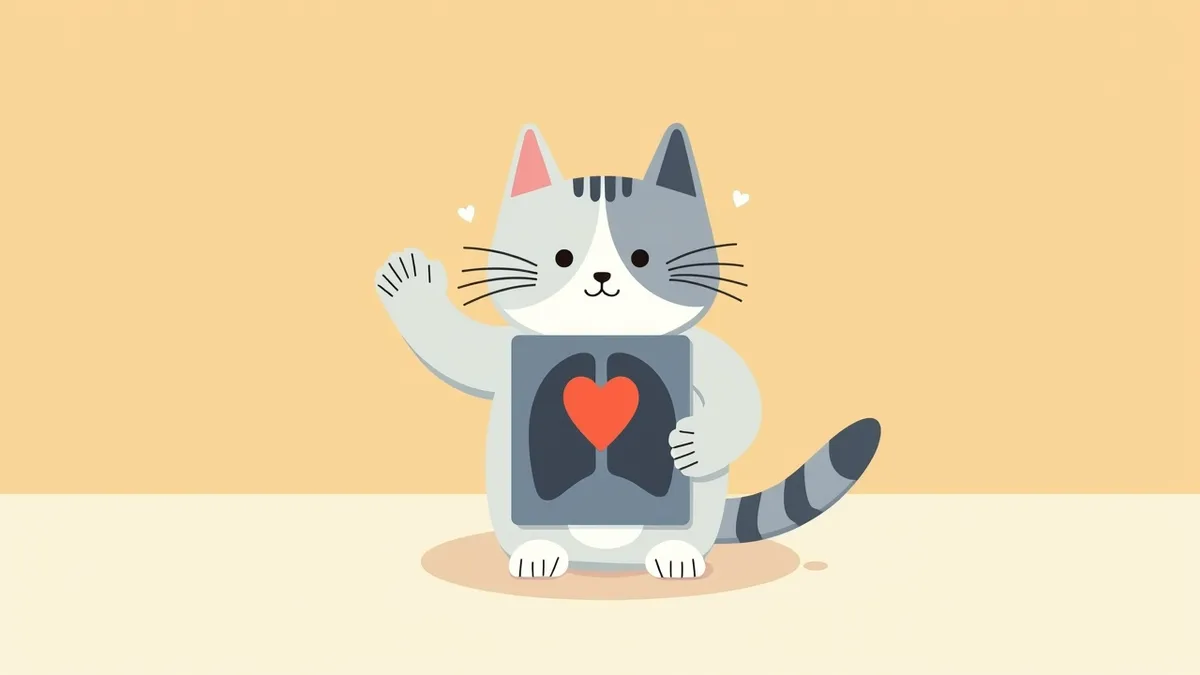
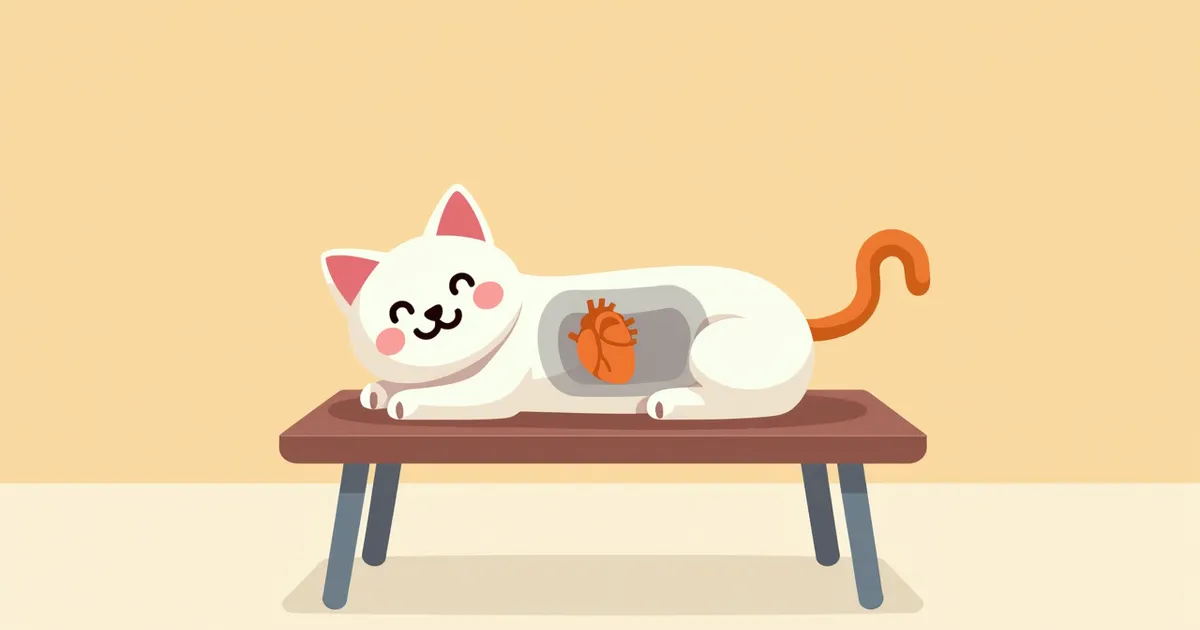
An image of a cat undergoing a chest X-ray, with the heart visible in the scan.
Evaluating heart size via thoracic radiographs in cats is a non-invasive test that allows us to visually assess the heart’s dimensions and shape. An enlarged cardiac silhouette can signal conditions such as cardiomyopathy or congestive heart failure. However, chest X-rays have limited sensitivity and may not detect early-stage or mild cardiac enlargement. Furthermore, a normal vertebral heart scale (VHS) measurement does not rule out hypertrophic cardiomyopathy. Therefore, echocardiography (cardiac ultrasound) is essential for a definitive diagnosis. Because cats often exhibit vague or nearly absent clinical signs even when suffering from heart disease, a comprehensive evaluation combining both radiographs and echocardiography is highly beneficial. - Heart Size Assessment: Thoracic radiographs provide a visual assessment of heart size and shape, but due to their limited sensitivity, they are used as a supplementary tool rather than a standalone diagnostic method. - Importance of Regular Check-ups: Given that cats often present with subtle or ambiguous symptoms, regular health screenings that incorporate both thoracic radiographs and cardiac echocardiography are strongly recommended.

The Main Causes of Changes in Heart Size are Related to Heart Disease
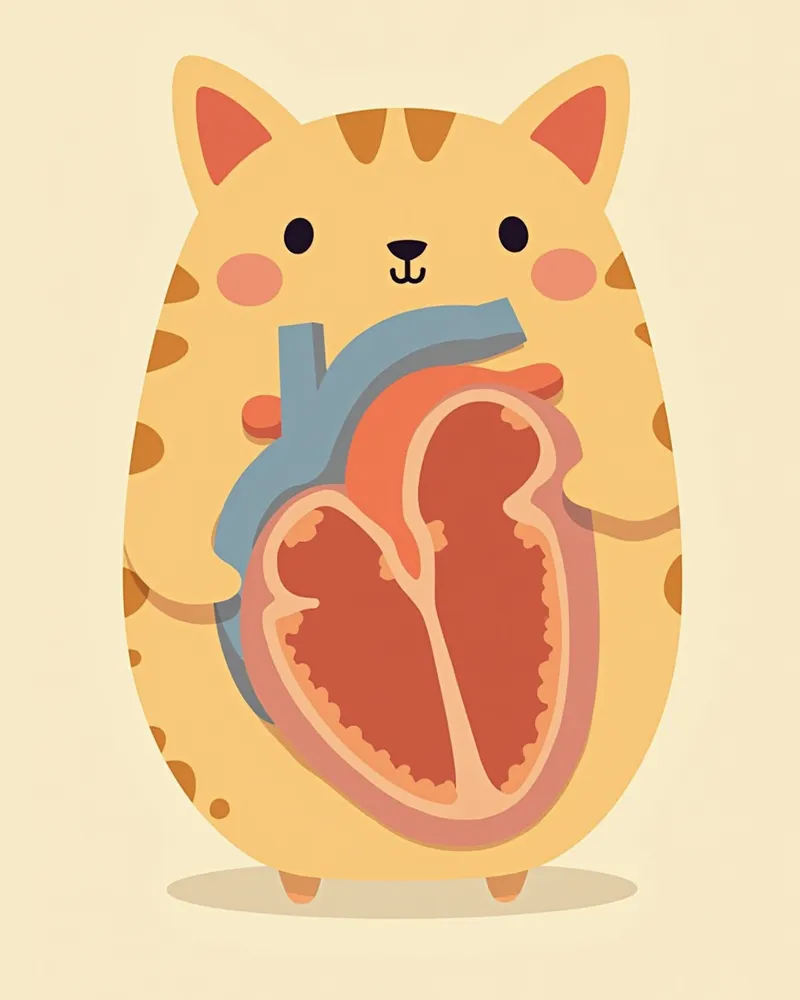
An enlarged heart in cats is most often caused by diseases affecting the heart muscle itself, such as cardiomyopathy. The most common form in cats is hypertrophic cardiomyopathy (HCM), though other types like restrictive cardiomyopathy (RCM) and dilated cardiomyopathy (DCM) also exist. As cardiac hypertrophy or heart failure progresses, changes such as left atrial enlargement tend to cause an increase in the overall heart silhouette. However, because chest X-rays alone cannot definitively determine the specific type or underlying cause, additional tests like echocardiography and blood work are necessary. - Cardiomyopathy: This accounts for the majority of feline heart diseases and includes various forms such as hypertrophic, restrictive, and dilated types. - Need for additional testing: Changes in heart size on X-rays are insufficient to confirm the cause, so echocardiographic evaluation is also required. - Importance of early diagnosis: Accurately identifying the type and cause to initiate treatment is essential for maintaining heart function.
An anatomical diagram of a cat's heart with cardiac hypertrophy

Key Symptoms to Watch For in Heart Size Assessment Include the Following

Symptoms related to changes in heart size are rarely noticeable in the early stages but tend to appear as the condition progresses. By the time symptoms become evident, the heart disease is often already at a relatively advanced stage. Common signs seen in cats include:
Difficulty breathing: Rapid or labored breathing (tachypnea) is one of the most critical indicators of feline heart failure.
Lethargy and exercise intolerance: Your cat may become less active, move less, or tire easily.
Fainting or weakness: Arrhythmias can cause sudden weakness or collapse.
Apathy: Your cat may remain in the same spot all day, showing little desire to move.
Hind limb paralysis: If an arterial thromboembolism occurs, your cat may suddenly lose strength in its hind legs.
Note that, unlike in dogs, coughing is not a common symptom of congestive heart failure in cats. If you notice any of these signs, seek veterinary care immediately.
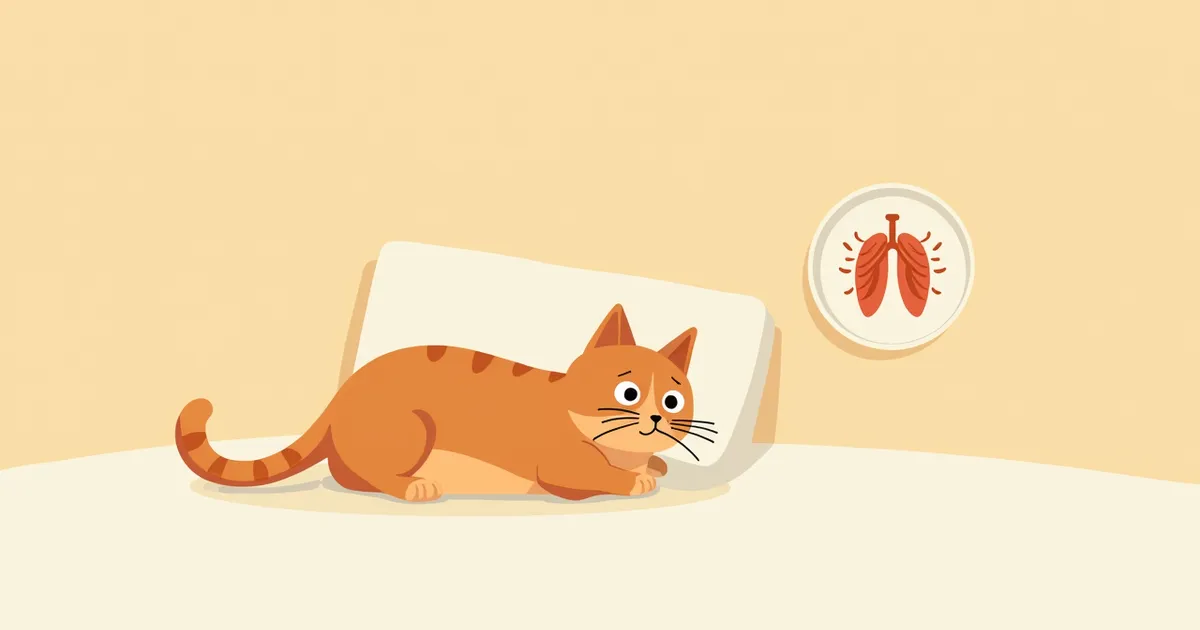
A cat showing signs of difficulty breathing

Abnormal Heart Size + Respiratory Distress Requires Immediate Veterinary Visit

If a cat with an enlarged heart exhibits rapid breathing or open-mouth breathing (panting), these may be signs of acute heart failure. In cats, rapid and labored breathing is a more critical emergency indicator than coughing. This condition can be life-threatening, so immediate consultation with a veterinarian and a visit to the clinic are necessary.

Heart Size Assessment is Accurately Confirmed via X-ray Imaging and VHS Measurement
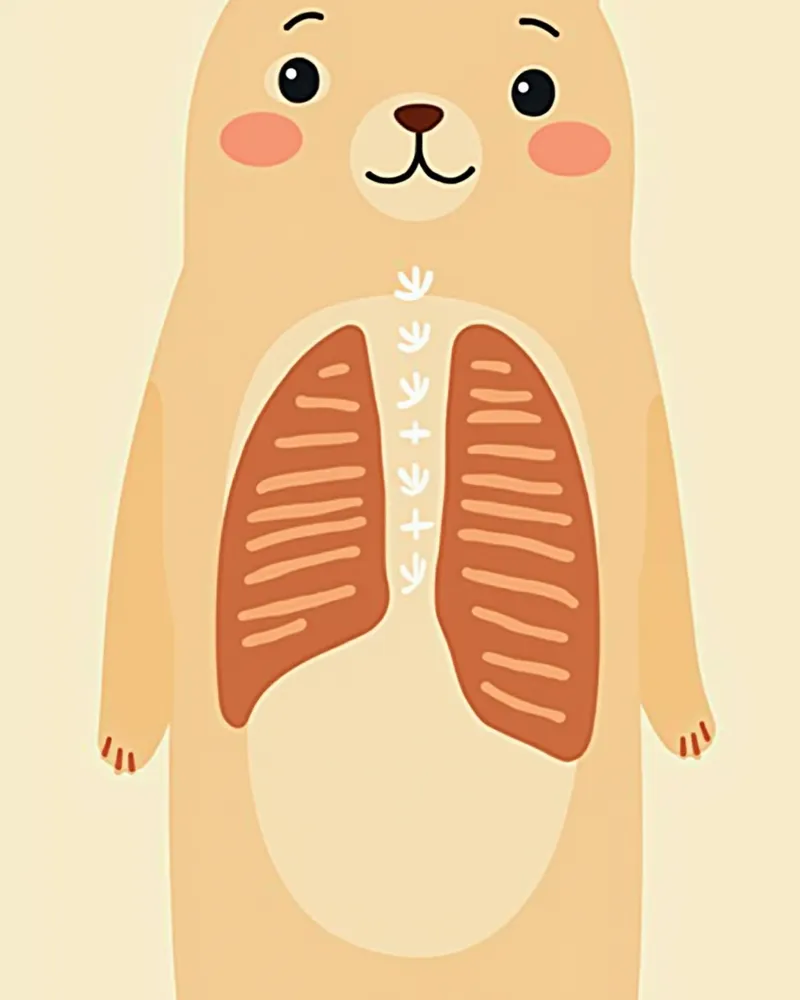
Feline thoracic radiographs are taken in lateral and dorsoventral (DV) views to assess heart size, with the vertebral heart score (VHS) used for quantitative evaluation. The long axis of the heart (from the carina to the cardiac apex) and the maximum short axis perpendicular to it are measured, then converted to the number of vertebral bodies starting from the cranial border of the fourth thoracic vertebra and summed. The normal VHS in cats is approximately 7.5 ± 0.3 vertebral lengths; one study suggested that a VHS exceeding 8.0 serves as a screening threshold for heart disease, while a value above 9.3 is considered specific for cardiac disease. However, a normal VHS does not completely rule out hypertrophic cardiomyopathy. - VHS measurement: Quantifies heart size relative to vertebral length to determine if it exceeds established reference values. - Multifaceted assessment: Rather than relying on a single radiograph, accuracy is improved by combining multiple views with cardiac echocardiography. - Ancillary testing: Because radiography has low sensitivity for detecting cardiac enlargement, echocardiography is required for definitive diagnosis.
A feline thoracic radiograph suitable for measuring vertebral heart size (VHS)

Treatment Varies by Cause, Centering on Medication and Lifestyle Management

If cardiomyopathy is the cause of the enlarged heart, veterinarians often prescribe diuretics (such as furosemide) and ACE inhibitors to alleviate symptoms of congestive heart failure, along with pimobendan to support heart contraction. If rapid heart rate or arrhythmias are present, beta-blockers or calcium channel blockers (such as diltiazem) are used to regulate the heart rate. Additionally, because cats are at risk for arterial thromboembolism, it is important to use antiplatelet medications like clopidogrel for prevention. Severe pulmonary edema or pleural effusion may require hospitalization. Treatment requires long-term management rather than short-term intervention, with regular check-ups and monitoring to assess the condition. - Medication: Consistent use of diuretics, ACE inhibitors, and pimobendan, tailored to the underlying cause and the cat’s condition. - Thromboembolism Prevention: Cats are at risk for arterial thromboembolism, so antiplatelet medications are highly beneficial. - Ongoing Management: Treatment is not temporary; it requires continuous adjustment based on the cat’s changing condition.
A veterinarian prescribing medication for a cat.

Home Management is Crucial for Maintaining Heart Health
Managing a cat with heart disease at home requires regular monitoring alongside daily care. Here are the key points to keep in mind:
Dietary Management: Provide a low-sodium diet to reduce the strain on the heart.
Weight Control: Obesity puts extra stress on the heart, so it’s important to maintain a healthy weight.
Minimize Stress: Changes in a cat’s routine can increase stress, which may affect the heart.
Regular Check-ups: Schedule chest X-rays or ultrasounds every 3 to 6 months.
Medication Adherence: Administer prescribed medications exactly as directed, at the correct times.
Consistent care like this can help slow the progression of the disease.
A cat resting comfortably in a calm and secure environment

Feline Thoracic X-ray Heart Size Assessment is Particularly Important for Senior Cats

Senior cats are at higher risk for heart disease, making regular evaluations important. However, chest X-rays have low sensitivity and may not detect early-stage cardiac enlargement, so it’s best to use echocardiography alongside heart size assessment. Since cats often show vague or subtle symptoms, consulting your veterinarian for routine check-ups to monitor heart health can greatly aid in early management.

Reviewed by a veterinarian

Dr. Tony — Punnawat Phongkittirak

Dr. Tony — Punnawat Phongkittirak

Veterinarian

A veterinarian who majored in veterinary medicine at Khon Kaen University, Thailand, and completed the IVSA program at North Carolina State University in the United States. Drawing on clinical experience at animal hospitals, he works in the pet healthcare field and is dedicated to building a digital care environment that connects pet parents with veterinarians.

Frequently Asked Questions

What is a feline thoracic radiograph for assessing heart size?
Chest X-rays are a non-invasive way to evaluate your cat’s heart size and shape. While they can help indicate whether the heart is enlarged, their sensitivity is limited, so an echocardiogram is also needed for a definitive diagnosis.
What is the normal heart size?
A normal vertebral heart score (VHS) for cats is approximately 7.5 ± 0.3 vertebral lengths. One study identified a VHS exceeding 8.0 as a screening threshold for heart disease and a VHS exceeding 9.3 as specific for heart disease. (The range of 8.5 to 10.5 is primarily used as a reference for dogs.)
Does an enlarged heart always mean a vet visit is necessary?
If your pet’s heart has enlarged, it’s essential to consult with a veterinarian. Early diagnosis and treatment are crucial in preventing the progression of the disease.
What preparations are needed when a cat undergoes a heart size assessment?
No special preparation is needed. However, it is best to have your cat wait in a quiet environment before the test to help keep them calm and relaxed.
After assessing heart size, is additional testing needed?
If abnormalities are suspected in the assessment of heart size, additional cardiac ultrasound (echocardiography) is necessary. While chest X-rays have low sensitivity for detecting cardiac enlargement, cardiac ultrasound provides a more precise evaluation of the heart's structure and function.

Share

Related Guides

References

[1] Small Animal Critical Care Medicine, 3rd Ed. (2023). Chapter 17: Cardiovascular Imaging in Cats.

[2] Textbook of Cardiovascular Medicine in Dogs and Cats. (2021). Section 11: Radiographic Assessment of Cardiac Size.

[3] American College of Veterinary Internal Medicine (ACVIM). Guidelines for Feline Cardiac Evaluation (2022).

This information is based on veterinary literature and does not replace diagnosis or treatment. Please consult a veterinarian for specific health concerns.

Metapet Co., Ltd. | CEO: Park Sung-yong | Business Reg. No. 417-88-02562 | Seoul, South Korea | Customer Center

Cat Chest X-ray Heart Size: Cardiomegaly Signs & Diagnosis | Meongsiljang