
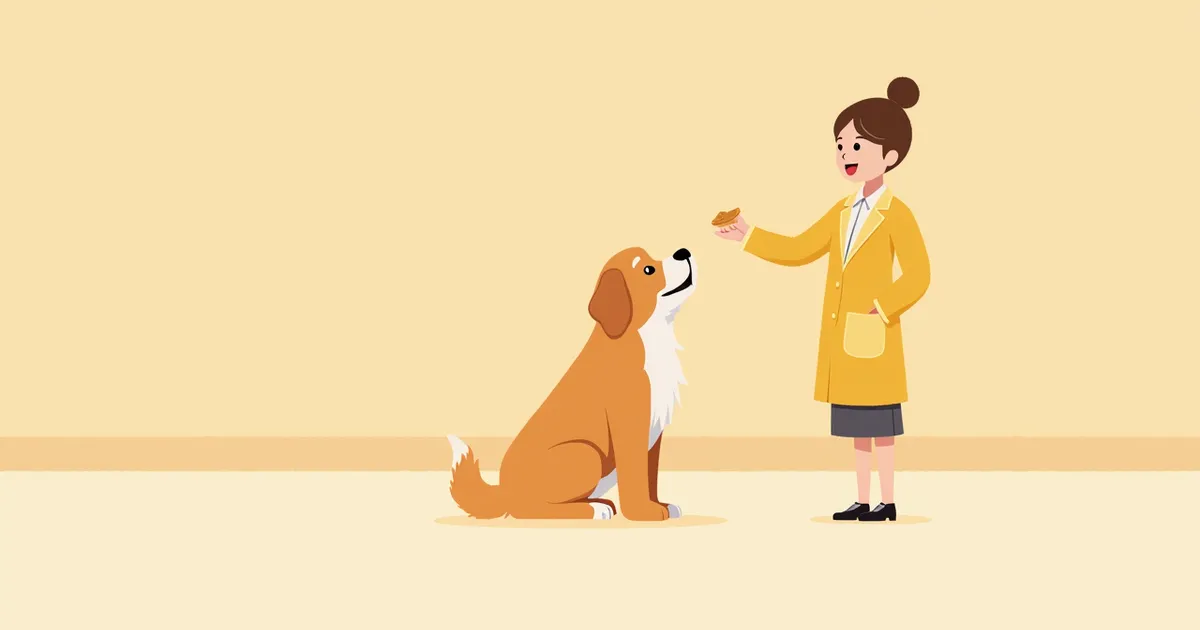
If Your Dog Keeps Biting Your Hand — Causes of Biting Behavior and Step-by-Step Bite Inhibition Training
We’ve compiled a comprehensive guide to help you distinguish between the medical and behavioral causes of dog biting, along with step-by-step correction methods and key home care tips.
What Is Dog Biting Behavior?
Main Causes of Biting Behavior
Bite Intensity and Type Checklist
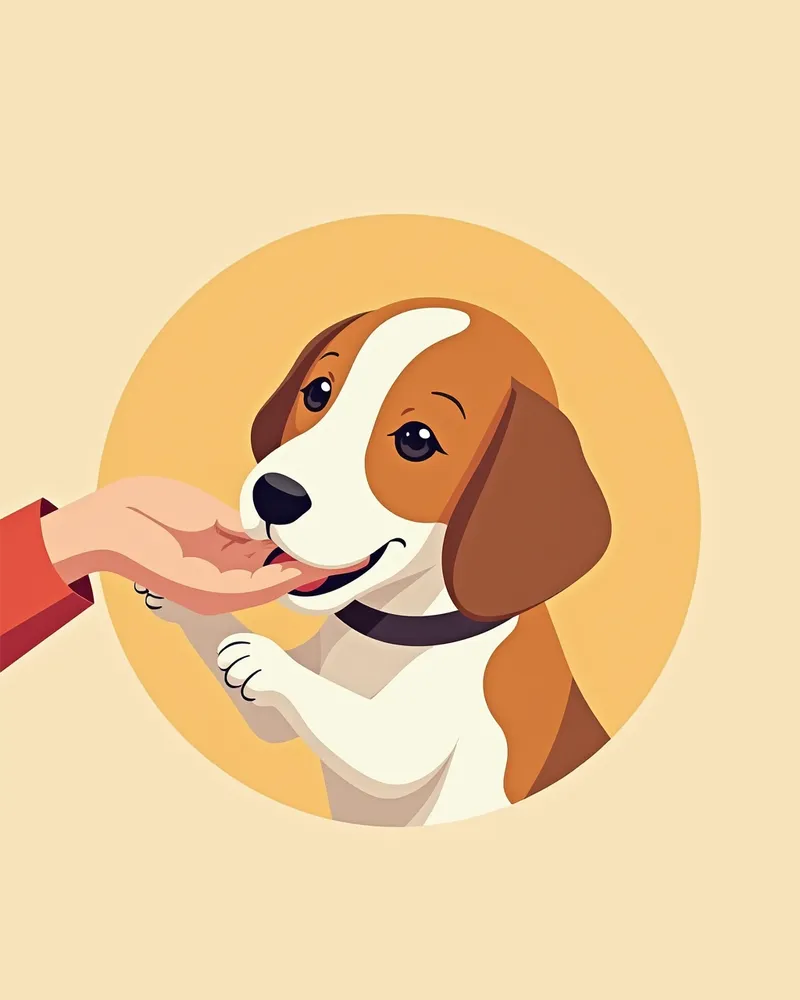
When to Visit the Vet Immediately
If you notice any of the following signs, please consult a veterinarian before starting behavior modification. • Sudden onset of biting or a rapid increase in its intensity • Biting only when specific body parts (such as the back, legs, or ears) are touched • Presence of neurological symptoms, such as seizures or stumbling • Accompanying loss of appetite or lethargy In these cases, pain or neurological issues may be the underlying cause of the biting. Behavior modification alone will not resolve the problem.
Veterinary Diagnostic Methods
Bite Correction Treatment Methods

Home Care Tips for Managing Biting
Additional Precautions by Breed and Age
Breed-specific traits: Daily behavioral tendencies can vary by breed. However, high-energy breeds are not necessarily more prone to biting. Aggression is a trait entirely separate from energy levels or manners, and breed tendencies do not apply uniformly to every individual. Therefore, avoid assuming that high activity levels automatically lead to biting; instead, focus on providing adequate exercise and observing each dog’s individual behavior. Senior dogs: Biting related to pain can appear suddenly. If you notice a change in your dog’s biting pattern, we recommend veterinary examinations to check for pain sources such as joint or nerve issues. Newly adopted puppies: Stress from environmental changes can increase biting. Chronic stress can lower the threshold for reacting to stimuli, so it is best to minimize stimulation and provide ample time for rest and adjustment during the initial adoption period.
Reviewed by a veterinarian

Dr. Tony — Punnawat Phongkittirak
VeterinarianA veterinarian who majored in veterinary medicine at Khon Kaen University, Thailand, and completed the IVSA program at North Carolina State University in the United States. Drawing on clinical experience at animal hospitals, he works in the pet healthcare field and is dedicated to building a digital care environment that connects pet parents with veterinarians.
Reviewed 2026-06-01
Frequently Asked Questions
What could be the reason my dog suddenly started biting?
Is it normal for puppies to bite?
Should I consult a trainer or a veterinary behaviorist?
Is it okay to correct biting behavior through punishment?
How long does it take to correct biting?
Share
Related Guides

7 Behavioral Enrichment Strategies for Mental Stimulation Recommended by Veterinarians

Top 5 Calming Supplements for Dogs and Cats in 2026

L-Theanine Effects and Calming Support
Feline Renal Prescription Diets: Complete Guide to Selection Criteria, Ingredients, and Feeding Points
Cat Kidney Biopsy: A Complete Guide to Procedures, Risks, Result Interpretation, and Management Points
If Your Cat’s Kidneys Keep Worsening — Causes of Amyloidosis and When to Visit the Vet
If Your Cat’s Kidney Failure Has Progressed — Timing for Starting Peritoneal Dialysis and Management Points
If Your Cat Has Proteinuria — Causes of Glomerulonephritis and Timing of Treatment
If Your Cat’s CKD Has Progressed — Key Palliative Care and Management to Preserve Quality of Life
Cat ACE Inhibitors and ARBs: Kidney Protection Effects and Timing for Initiation – A Complete Guide
References
[1] Overall K.L., Manual of Clinical Behavioral Medicine for Dogs and Cats, Elsevier, 2013
[2] Landsberg G., Hunthausen W., Ackerman L., Behavior Problems of the Dog and Cat, 3rd ed., Saunders Elsevier, 2013
[3] Herron M.E., Shreyer T., The pet-friendly veterinary practice: A guide for practitioners, Veterinary Clinics of North America: Small Animal Practice, 44(3):451-481, 2014