Like
Share
멍실장
강아지 항부정맥 약물 증상과 원인, 진단·치료와 관리 포인트 총정리

Complete Guide to Canine Antiarrhythmic Medications: Types, Effects, and Precautions for Administration

HeartDiseasesMeongsiljang Veterinary Advisory Board

Canine antiarrhythmic medications are used to treat conditions that cause irregular heartbeats. Accurate diagnosis and proper management are essential.

What Are Canine Antiarrhythmic Medications?

How medication helps regulate irregular electrical signals in the heart
Canine antiarrhythmic medications are used to manage arrhythmias, which are irregular or rapid heartbeats. These drugs stabilize the heart's electrical signals to maintain a normal rhythm. They are typically prescribed when structural heart abnormalities or issues with the electrical conduction system are present. Common causes include cardiomyopathy, cardiac hypertrophy, and valvular disease. Regular cardiac monitoring is necessary during treatment. These medications do not cure the underlying cause but rather help control symptoms as part of supportive therapy. Therefore, accurate diagnosis and ongoing management are essential.

What Are the Main Causes of Arrhythmia?
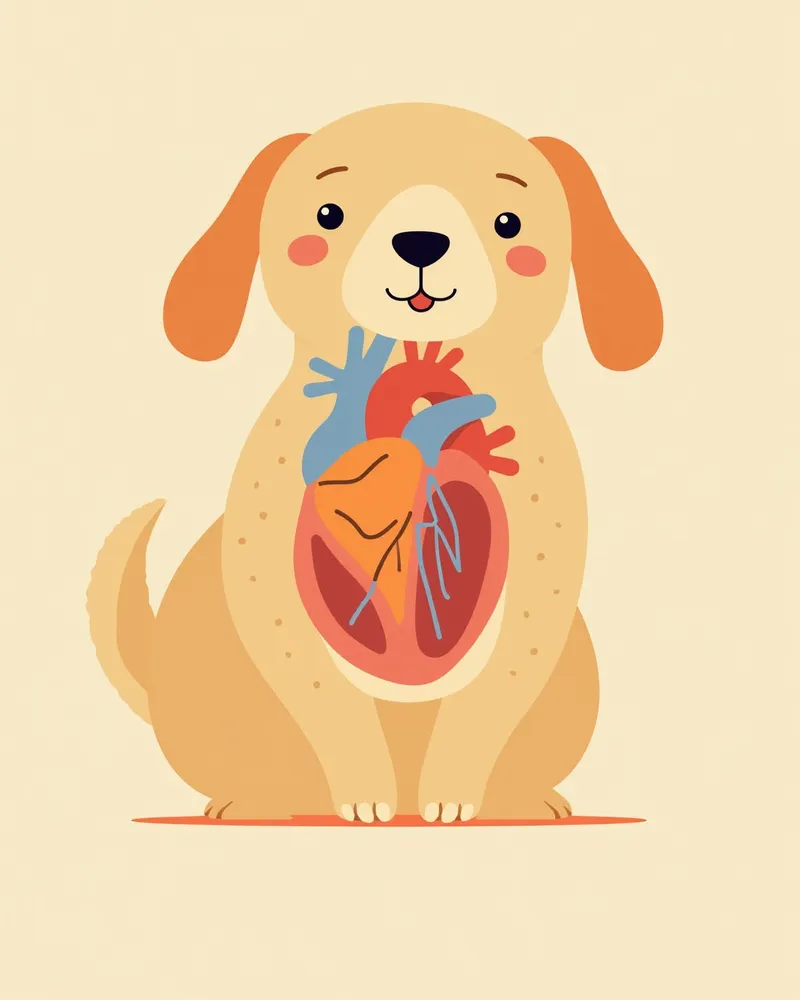
The main causes of arrhythmia in dogs are structural heart abnormalities or issues with the electrical conduction system. Common examples include heart valve disease, cardiomyopathy, cardiac hypertrophy, and congenital heart defects. Additionally, aging, hormonal imbalances, and electrolyte disturbances can also trigger arrhythmias. These factors interfere with the heart’s electrical signals, leading to an irregular rhythm. Antiarrhythmic medications do not treat the underlying cause but rather help manage symptoms as part of supportive care. Therefore, accurately identifying the root cause is the first step in treatment. Regular check-ups and cardiac ultrasound examinations are essential.
An anatomical diagram of a dog’s heart showing valvular abnormalities, cardiac hypertrophy, and electrical conduction disorders

Check for Key Symptoms and Signs

The main symptoms that may occur in dogs while taking antiarrhythmic medications are as follows. Be sure to check for these signs before visiting the clinic.
Fainting or collapse: This occurs when the heart rate becomes abnormally fast or slow, temporarily reducing blood flow to the brain, and is commonly a secondary effect of ventricular arrhythmia.
Difficulty breathing: If the heart fails to pump blood effectively, congestion can develop in the lungs, leading to rapid breathing (tachypnea) or difficulty breathing.
Exercise intolerance and lethargy: The dog may tire easily during daily activities and show reduced movement, which is one of the most commonly reported signs.
Rapid heart rate: The pulse may beat faster than usual, and the gums may appear pale.
Palpitations: The heartbeat may feel irregular or unusually strong.
If these symptoms persist, consult your veterinarian immediately. Special caution is required, especially if fainting occurs, as there is a risk of sudden death.
A puppy in shock due to an irregular heartbeat

Emergency Situations Requiring Immediate Veterinary Care

If you notice symptoms suggesting shock—such as fainting, difficulty breathing, pale gums, and delayed capillary refill time—or if your dog’s heart is beating abnormally fast, seek veterinary care immediately. This indicates that the heart is not functioning properly and can be life-threatening; in some dogs, sudden death has been reported. Leaving this condition untreated without emergency care is extremely dangerous, so please do not delay getting professional medical attention.

Diagnostic Tests for Accurate Diagnosis
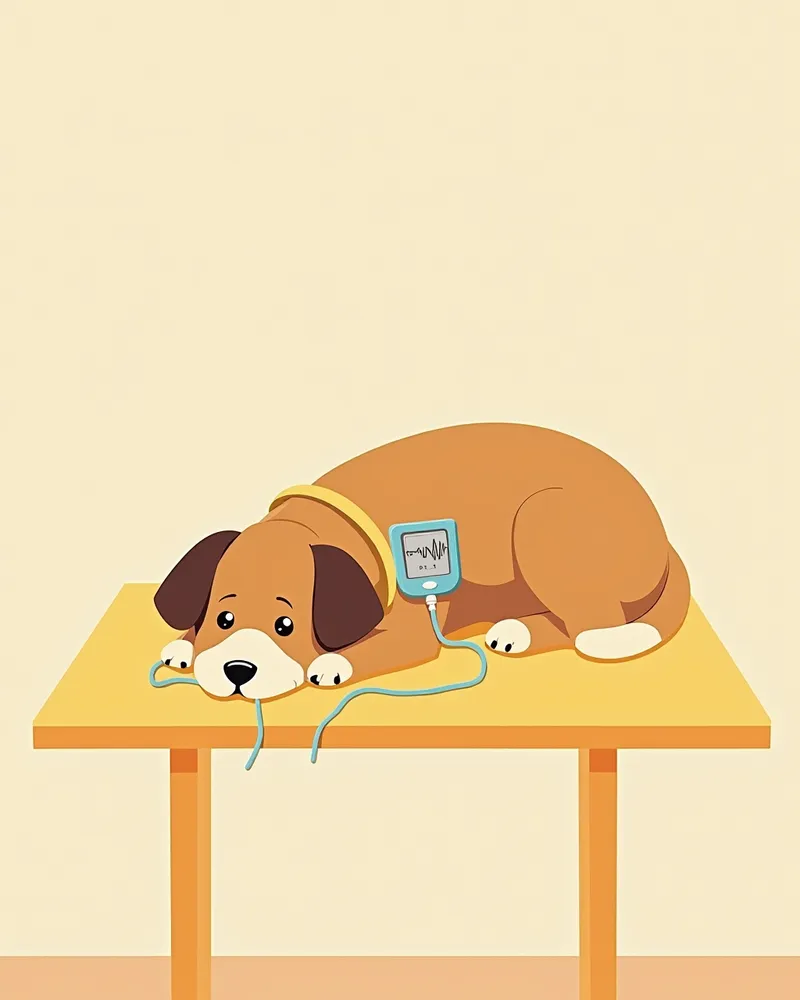
Diagnosing arrhythmias in dogs involves a series of tests. The most fundamental test is an echocardiogram (ultrasound of the heart), which evaluates the structure and function of the heart. Additionally, an electrocardiogram (ECG) is used to check for irregularities in electrical signals, and if necessary, 24-hour Holter monitoring is performed to record the heart's activity throughout the day. Blood tests and hormone tests are also conducted to help identify the underlying cause.
A puppy wearing a Holter monitor to record its heart rate for 24 hours.

Stepwise Approach to Treatment

Antiarrhythmic drug therapy is administered in a stepwise manner. We begin with the lowest possible dose and type of medication to observe the patient’s response, then adjust the regimen based on symptom improvement and any side effects. One commonly used drug is atenolol, a beta-blocker that slows the heart rate, reduces myocardial oxygen demand, and prolongs atrioventricular conduction time. In dogs, combining beta-blockers with Class I antiarrhythmic drugs (such as lidocaine or mexiletine) often provides superior suppression of arrhythmias compared to using either class alone. Medication is typically considered when a 24-hour Holter monitor reveals a high burden of ventricular premature contractions, complex ventricular arrhythmias, or syncope. Because most antiarrhythmic drugs carry an inherent risk of inducing arrhythmias themselves, veterinarians carefully weigh the risks and benefits to tailor treatment and ensure regular monitoring. The ultimate goal of therapy is to alleviate symptoms and improve quality of life.
A veterinarian reviewing a puppy’s electrocardiogram and medication administration records.

Home Care and Precautions

While your pet is taking antiarrhythmic medication, daily care is crucial. Provide a consistent routine with regular meals and exercise, and create a low-stress environment. Administer the medication at the same time each day to ensure no doses are missed. Closely monitor for potential side effects, such as severe fatigue, vomiting, loss of appetite, or difficulty breathing, and contact your veterinarian immediately if any of these symptoms occur. Regular veterinary check-ups are also essential.
A puppy taking medication in a calm, stable environment.

Breed-Specific Precautions and Prevention of Recurrence

Certain breeds are known to be particularly susceptible to heart disease. Textbooks report cases of atrial fibrillation, ventricular arrhythmias, and dilated cardiomyopathy in large breeds such as the Irish Wolfhound, as well as in Boxers and West Highland White Terriers. However, even with the same type of arrhythmia, drug responses and side effects can vary depending on the breed and individual dog, so medication selection and dosage must always be determined individually by a veterinarian. Additionally, abruptly stopping medication on your own can disrupt arrhythmia control, so any discontinuation or changes must be carried out strictly under veterinary guidance.

Reviewed by a veterinarian

Dr. Tony — Punnawat Phongkittirak

Dr. Tony — Punnawat Phongkittirak

Veterinarian

A veterinarian who majored in veterinary medicine at Khon Kaen University, Thailand, and completed the IVSA program at North Carolina State University in the United States. Drawing on clinical experience at animal hospitals, he works in the pet healthcare field and is dedicated to building a digital care environment that connects pet parents with veterinarians.

Frequently Asked Questions

Why should antiarrhythmic medications be taken every day?
Medications help stabilize the heart's electrical signals, so missing doses can cause arrhythmias to return. Consistent administration is key to maintaining their effectiveness.
What are the possible side effects of the medication?
While side effects vary depending on the medication, beta-blockers slow the heart rate, which can lead to fatigue or bradycardia. Other possible symptoms include vomiting and loss of appetite. If you suspect any serious adverse reactions, please consult your veterinarian immediately.
When can I stop the medication?
Any changes to or discontinuation of medication should only be made under the guidance of your veterinarian. Stopping medication abruptly on your own can disrupt heart rhythm control, so please consult with your vet based on regular check-up results.
Why is the MDR1 gene test important?
Every dog can respond to medications differently, and their sensitivity may vary. Some breeds or individual dogs may be more sensitive to certain drugs, so it’s important for your veterinarian to assess each dog’s risk factors before prescribing any medication. Whether genetic testing is necessary depends on the specific drug and breed, so please consult with your vet to make the best decision for your pet.
Can antiarrhythmic medications cure the condition?
Medications serve as supportive treatments to help manage symptoms. If the underlying cause can be treated, it's best to seek care at a veterinary clinic, while medications can assist in symptom management.

Comparison Table of Major Antiarrhythmic Medications

ItemMain ActionMain Side EffectsConsiderations When Prescribing
Atenolol (beta-blocker)Slows heart rate, reduces myocardial oxygen demand, and prolongs atrioventricular conduction timeFatigue, bradycardia, hypotensionDetermined by veterinarian based on arrhythmia type and individual condition
SotalolStabilizes heart rhythm (used for ventricular arrhythmias)Vomiting, decreased appetite, fatigueDetermined by veterinarian based on arrhythmia type and individual condition
AmiodaroneRegulates the heart's electrical signalsLiver dysfunction, pulmonary-related side effects, etc.Determined by veterinarian based on arrhythmia type and individual condition

The type and dosage of the drug vary depending on the type of arrhythmia and the individual's condition, so be sure to obtain a prescription after consulting a veterinarian.

Share

Related Guides

References

[1] Plumb's Veterinary Drug Handbook, 9th Edition, 2022

[2] Textbook of Cardiovascular Medicine in Dogs and Cats, 2020

[3] Clinical Medicine of the Dog and Cat, 4th Edition, 2021

This information is based on veterinary literature and does not replace diagnosis or treatment. Please consult a veterinarian for specific health concerns.

Metapet Co., Ltd. | CEO: Park Sung-yong | Business Reg. No. 417-88-02562 | Seoul, South Korea | Customer Center

Canine Antiarrhythmic Drugs: Types, Effects & Precautions | Meongsiljang