Like
Share
멍실장
강아지 방광 게실 증상과 원인, 진단·치료와 관리 포인트 총정리

Dog Bladder Diverticulum: Symptoms, Causes, Diagnosis, Treatment, and Management Essentials

UrinaryDiseasesMeongsiljang Veterinary Advisory Board

A bladder diverticulum in dogs is a condition where an abnormal pouch forms in the bladder wall, potentially caused by infection, urinary tract obstruction, or chronic inflammation. Early detection and appropriate treatment are essential.

A Dog Bladder Diverticulum Is an Abnormal Pouch-Like Lesion in the Bladder Wall
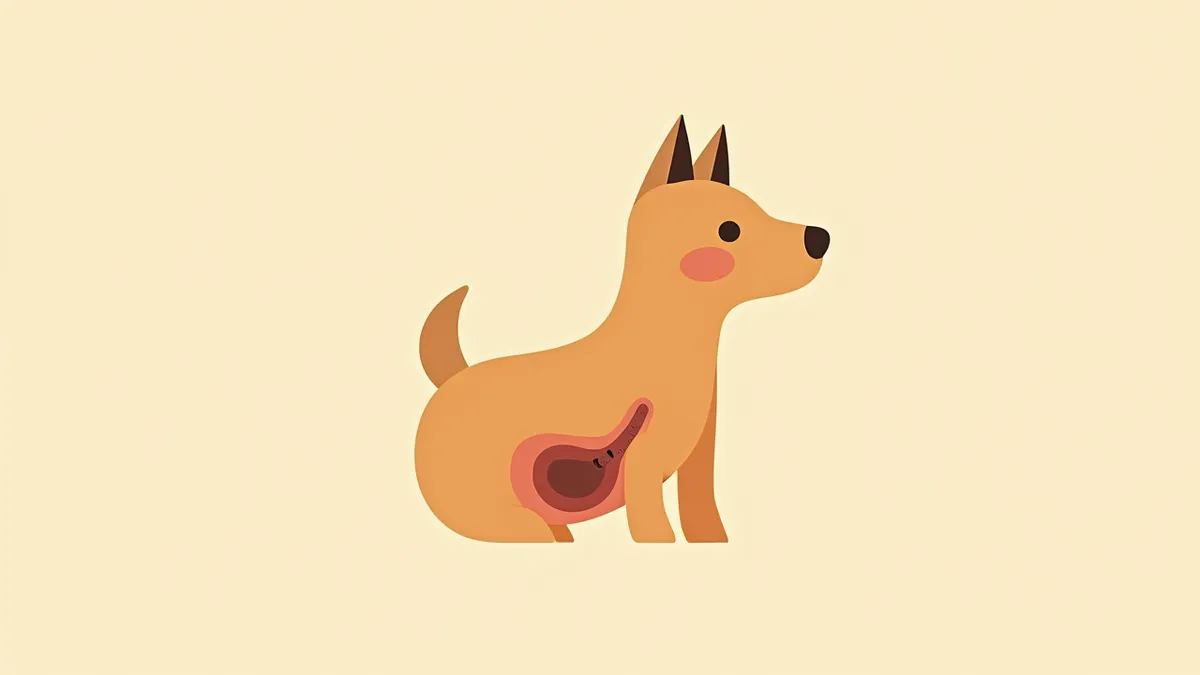
An illustration showing the anatomical location of a diverticulum lesion in a dog's bladder.
A bladder diverticulum in dogs is a condition where a weakened section of the bladder wall bulges outward, forming a pouch-like structure. When urine stagnates in this pouch, it creates an environment conducive to bacterial growth, which can lead to recurrent lower urinary tract infections such as cystitis. Often, the accompanying infections or urinary abnormalities present more prominent clinical signs than the diverticulum itself. - Bladder Diverticulum: A pouch-like protrusion of the weakened bladder wall that can trap urine, facilitating bacterial proliferation and leading to recurrent infections. - Associated Factors: Conditions that cause chronic irritation to the bladder, such as chronic cystitis or urinary stones, are often observed concurrently. - When to Seek Diagnosis: Consult your veterinarian if your dog exhibits lower urinary tract symptoms such as difficulty urinating (straining, frequent small-volume urination), hematuria (blood in the urine), or recurrent urinary tract infections. Early detection significantly simplifies management and care.

The Main Causes of Bladder Diverticula Are Bladder Wall Weakness and Chronic Urinary Tract Irritation
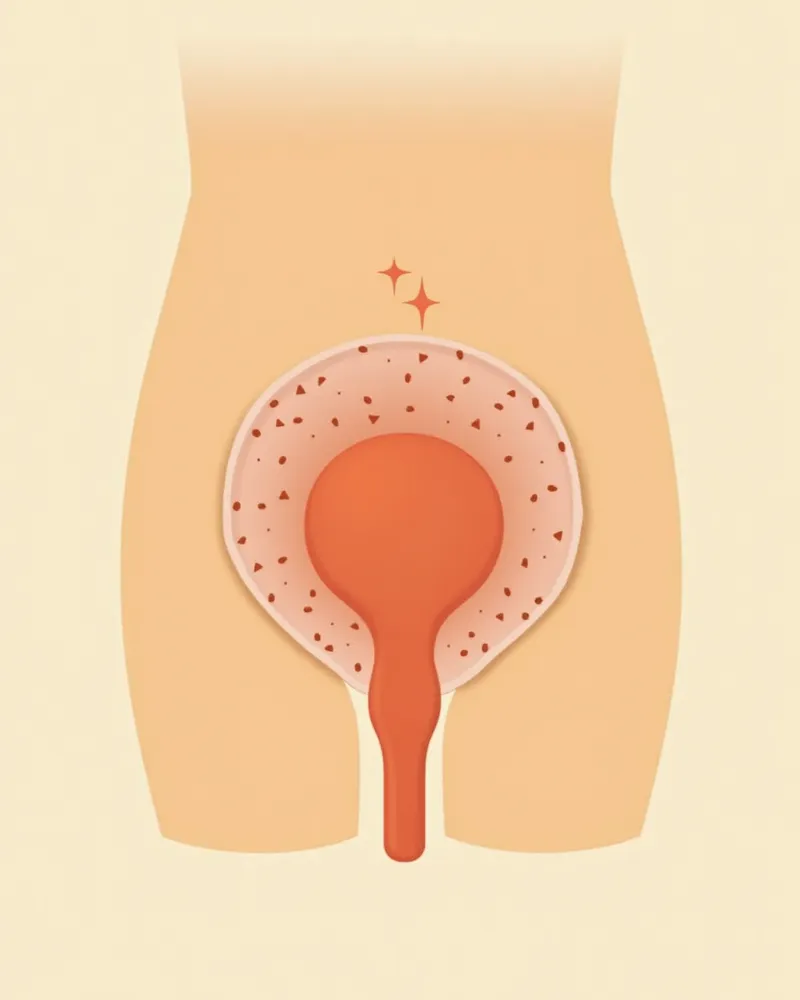
Bladder diverticula are known to develop when the bladder wall is congenitally weak or becomes damaged over time. Conditions that repeatedly irritate the bladder, such as chronic urinary tract infections, urinary stones, or cystitis, can weaken the bladder wall. - Chronic inflammation: Recurrent bladder inflammation can continuously irritate the bladder wall, potentially worsening its condition. - Internal bladder irritation: Factors that persistently irritate the inside of the bladder, such as stones or chronic cystitis, can increase the burden on the bladder. - Age-related factors: Difficulty urinating is frequently assessed in older patients, as overall tissue condition can change with age. Veterinarians comprehensively evaluate factors such as age, medical history, and urination patterns to identify the underlying cause.
An illustration showing how chronic urinary tract infections weaken the bladder wall and lead to the formation of diverticula.

Key Symptoms Include Dysuria, Recurrent Infections, Hematuria, and Post-Voiding Pain
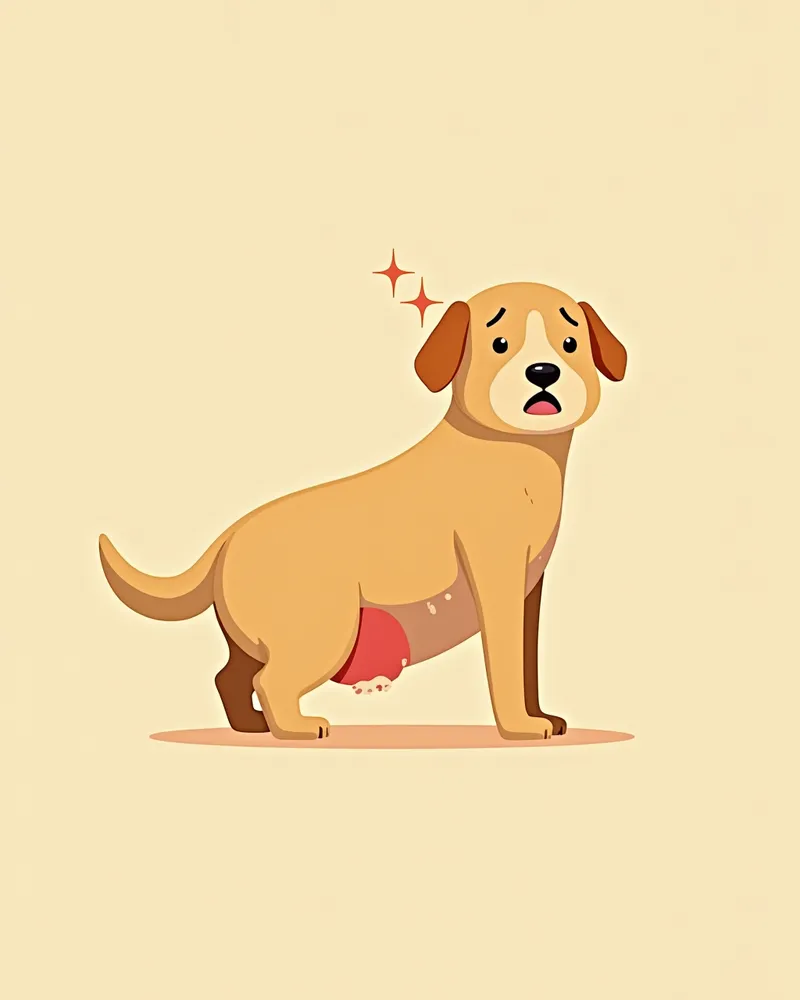
The hallmark signs of a bladder diverticulum in dogs include pain during urination, recurrent urinary tract infections, blood in the urine, and discomfort after voiding. Because urine can pool inside the diverticulum, bacteria multiply easily, leading to repeated infections. In some cases, abdominal pain, frequent urination, and sudden interruption of the urine stream may also occur. When symptoms are mild, owners may struggle to notice them, making early diagnosis difficult. - Recurrent infections: The interior of a diverticulum provides an environment where bacteria thrive, so the likelihood of recurrence remains high even after treatment. - Difficulty urinating: Your dog may have trouble passing urine and might sit or tremble as a result. Immediate veterinary attention is required.
A dog showing signs of pain while urinating

Symptoms Requiring Immediate Veterinary Visit

If your dog shows severe pain while urinating, has recurring blood in the urine, or continues to sit or tremble after urination, you should visit a vet immediately. This could indicate a worsening infection or urinary obstruction. The veterinarian will use ultrasound or X-ray imaging to assess the size and condition of the diverticulum.

Diagnosis Is Made Through Ultrasound, Radiography, and Urography
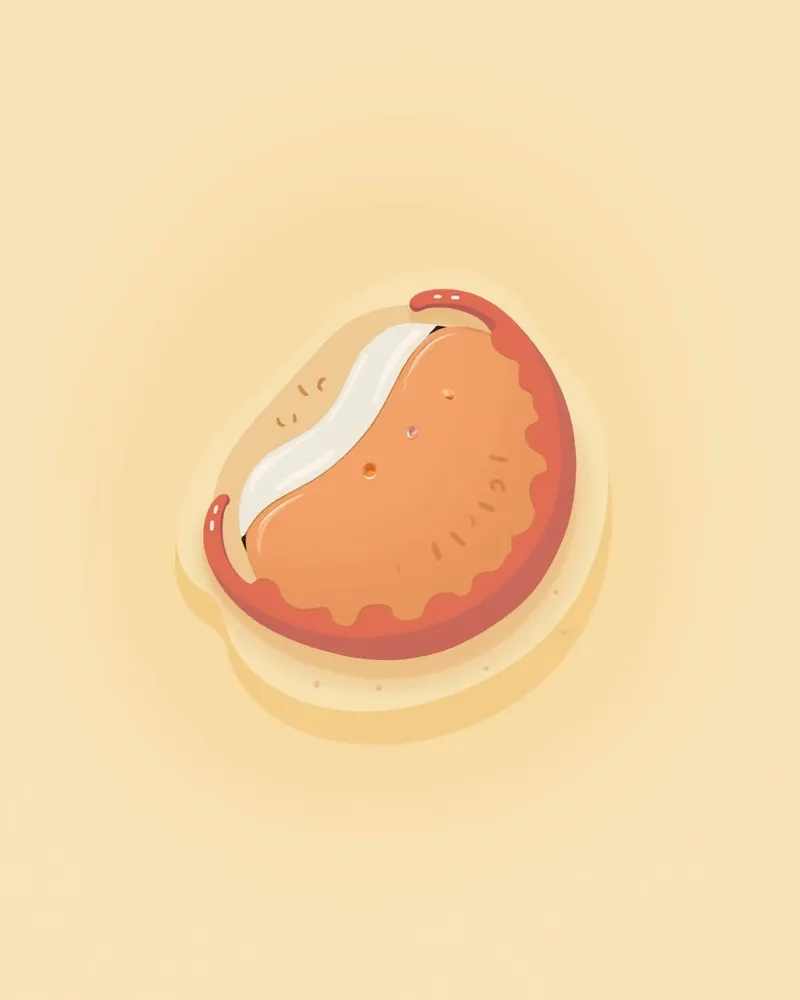
Diagnosis of a bladder diverticulum is primarily confirmed through ultrasound examination. Ultrasound allows for precise assessment of the diverticulum’s size, location, and the condition of its internal contents. - Ultrasound examination: Evaluates the shape and wall thickness of the diverticulum, while also checking for signs of infection. - Urography: Visualizes urine flow and the connection between the diverticulum and the urinary tract to analyze lesion characteristics. - Radiography: Helps identify stones or abnormal structures. The veterinarian will synthesize the results from these various tests to reach an accurate diagnosis.
Ultrasound image confirming a bladder diverticulum

Treatment Is Selected Based on Condition: Medication or Surgery

The treatment approach for a bladder diverticulum depends on the presence of concurrent infection, the severity of symptoms, and the size of the diverticulum. If bacterial cystitis is present, antibiotics are prescribed based on urine culture and susceptibility test results to control the infection. - Medical management: When infection is present or symptoms are mild, medications are used to manage the infection and inflammation. However, this approach does not eliminate the diverticulum itself. - Surgical consideration: Surgery may be considered if the diverticulum is large or if infections recur, making medical management alone insufficient. - Individual assessment: The decision to perform surgery and the specific surgical method are determined by evaluating the diverticulum’s size and location, as well as any concurrent conditions. During recovery, it is important to follow your veterinarian’s instructions regarding rest and medication.
Diagram of the surgical procedure for removing a bladder diverticulum in dogs

Home Care Is Key to Post-Surgical Recovery and Preventing Recurrence
After surgery or medication treatment, it’s important to carefully follow your veterinarian’s guidance on activity restriction and medication administration. Encourage adequate water intake and monitor urination patterns for any abnormalities. - Recovery Care: Avoid strenuous activity and adjust rest and exercise within the limits set by your veterinarian. - Recurrence Monitoring: Regular urinalysis (including sediment examination) and, if necessary, urine culture can help detect infections or hematuria. - Dietary Management: If there are concurrent conditions such as uroliths, follow the diet recommended by your veterinarian. Consistent monitoring and regular check-ups are key to stable management.
A puppy drinking plenty of water

Certain Breeds Are at Higher Risk for Bladder Diverticula

Bladder diverticula can develop when the bladder wall is congenitally weak or becomes weakened over time due to chronic urinary tract disease. However, based on current evidence, it is difficult to definitively state that specific breeds are at higher risk. For dogs with recurrent lower urinary tract symptoms or those who are older, early detection through regular health check-ups and urinalysis is important.

Reviewed by a veterinarian

Dr. Tony — Punnawat Phongkittirak

Dr. Tony — Punnawat Phongkittirak

Veterinarian

A veterinarian who majored in veterinary medicine at Khon Kaen University, Thailand, and completed the IVSA program at North Carolina State University in the United States. Drawing on clinical experience at animal hospitals, he works in the pet healthcare field and is dedicated to building a digital care environment that connects pet parents with veterinarians.

Frequently Asked Questions

Is a bladder diverticulum untreatable?
Rather than being incurable, this condition is managed according to any accompanying infections or symptoms. Depending on the severity, medical management or surgery may be considered, with the veterinarian determining the most appropriate treatment plan.
Does a cyst always require surgery?
If infections recur or symptoms are severe, surgery may be considered. However, for mild cases, the condition can often be managed with medications to control infection and inflammation. A veterinarian’s assessment is essential.
Can cecal impaction recur?
Yes, if the infection recurs after treatment, it can become a problem again. Regular check-ups and urine tests are necessary for proper management.
Does a diverticulum prevent urination?
While urination is generally possible, it can become difficult if the cat experiences pain or discomfort during urination, or if urine accumulates in the diverticulum.
Can an abscess be life-threatening?
While not immediately life-threatening, recurrent infections or urinary tract obstructions can lead to serious complications. Early detection and proper management are key.

Share

Related Guides

References

[1] Plumb's Veterinary Drug Handbook, 9th ed. 2022. Wiley-Blackwell.

[2] Fossum, T. W. (2018). Small Animal Surgery, 5th ed. Elsevier.

[3] Holt, P. E. et al. (2020). Canine bladder diverticulum: A retrospective study of 45 cases. Journal of Veterinary Internal Medicine, 34(3), 1120–1127.

This information is based on veterinary literature and does not replace diagnosis or treatment. Please consult a veterinarian for specific health concerns.

Metapet Co., Ltd. | CEO: Park Sung-yong | Business Reg. No. 417-88-02562 | Seoul, South Korea | Customer Center

Dog Bladder Diverticulum: Symptoms, Causes, Treatment & Care | Meongsiljang