Like
Share
멍실장
고양이 당뇨병 증상과 진단·치료, 평생 식이·관리 가이드

Feline Diabetes: Symptoms, Diagnosis, Treatment, and a Lifetime Guide to Diet and Management

EndocrineDiseasesMeongsiljang Veterinary Advisory Board

We’ve compiled a comprehensive, evidence-based overview of feline diabetes, covering everything from key symptoms (polyuria, polydipsia, and weight loss) to insulin therapy, low-carbohydrate diets, at-home blood glucose monitoring, and the conditions for achieving remission.

What is Feline Diabetes?

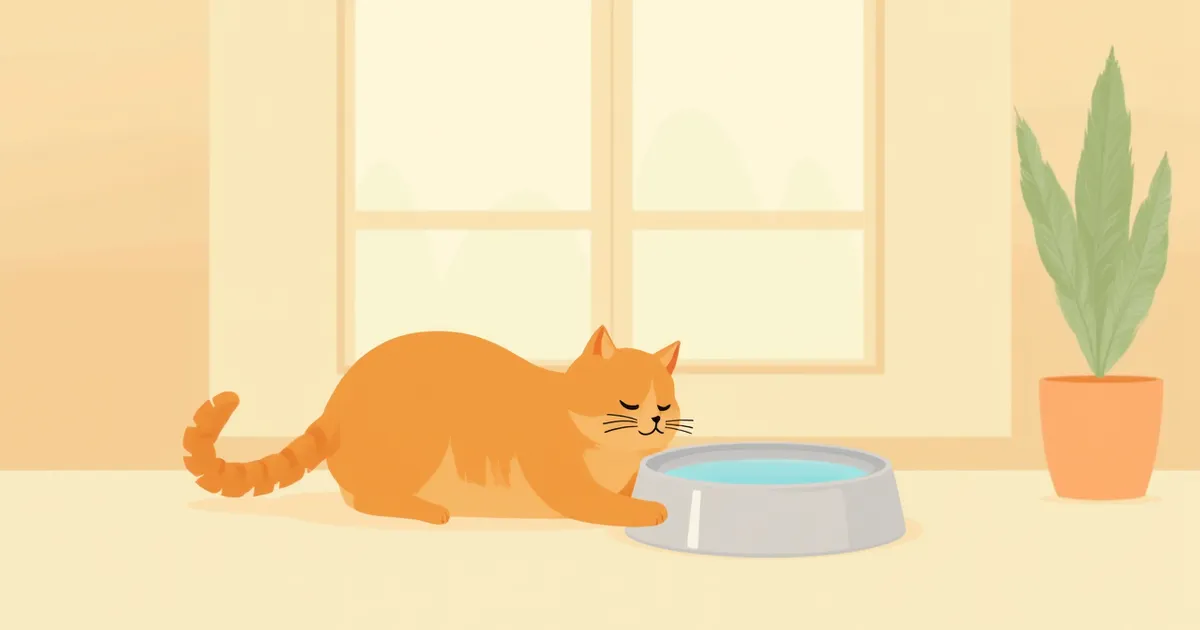
Cats that frequently drink water as a symptom of diabetes
Feline diabetes is an endocrine disorder characterized by chronically elevated blood glucose levels due to insufficient insulin secretion or insulin resistance. Early detection is crucial. If your cat suddenly drinks excessive amounts of water, produces more urine, or loses weight despite a good appetite, seek veterinary care immediately. Obesity is the primary risk factor, and the condition is more common in male cats over eight years of age. With appropriate insulin therapy and a low-carbohydrate diet, some cats can achieve remission, maintaining normal blood glucose levels without insulin.

Causes of Feline Diabetes

Feline diabetes is similar to type 2 diabetes in humans, with insulin resistance as the primary underlying factor. - Obesity: Substances secreted by fat tissue interfere with insulin action, making blood sugar control more difficult. - Chronic steroid use: Steroids used for allergy or skin treatments can increase insulin resistance and trigger diabetes in susceptible cats. - High-carbohydrate diet: A diet primarily consisting of dry food high in carbohydrates can be unfavorable for blood sugar management. - Chronic hyperglycemia (glucotoxicity): Persistently high blood sugar damages the pancreatic beta cells that secrete insulin, worsening diabetes. The condition is more common in neutered males, senior cats over 8 years of age, and obese cats. Burmese cats are a breed genetically predisposed to this disease.

Feline Diabetes Symptoms You Must Not Miss
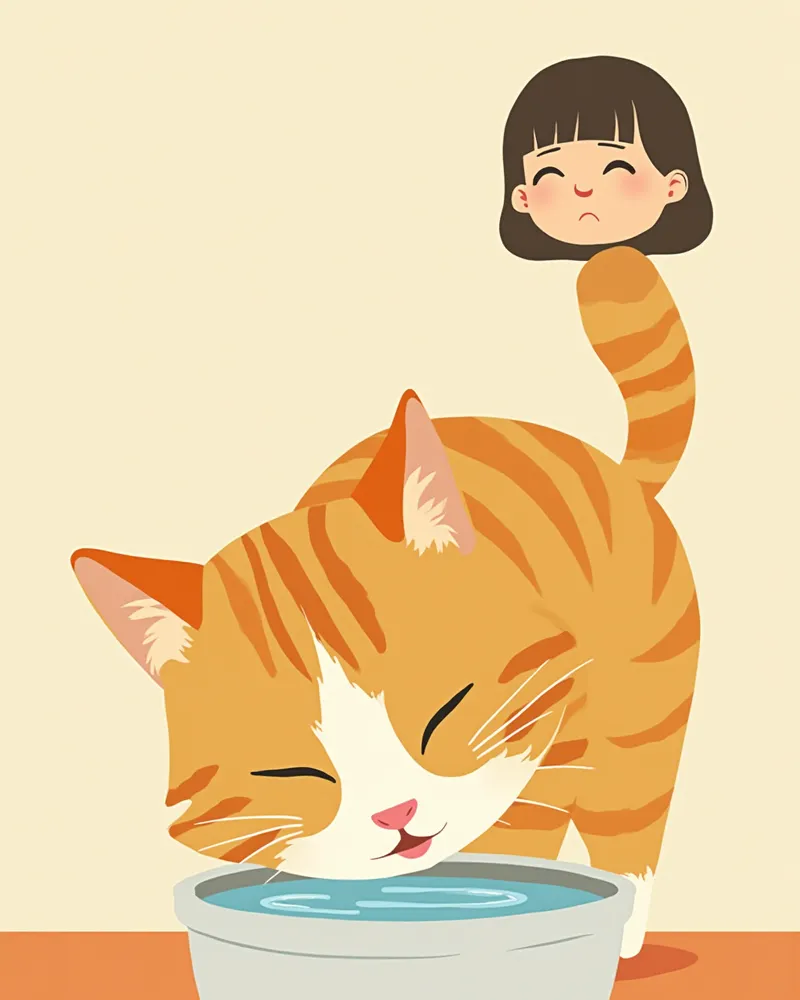
Polyuria (excessive urination): Your pet suddenly produces more urine and needs to go to the bathroom much more frequently. Polydipsia (excessive thirst): Your pet drinks significantly more water than usual. Weight loss: Despite eating well, your pet noticeably loses weight. Changes in appetite: Appetite may initially increase, but it can decrease as the disease progresses. Lethargy: Your pet lies down more often and shows a marked drop in interest in play. Diabetic neuropathy: A distinctive walking pattern where the hind paws touch the ground (plantigrade gait) may appear. This is a sign of nerve complications that can develop as diabetes progresses.
Cats drinking excessive amounts of water — a hallmark symptom of diabetes

If These Symptoms Appear, Go to the Emergency Room Immediately

Diabetic ketoacidosis (DKA) is a life-threatening emergency. If your pet shows vomiting, complete loss of appetite, severe lethargy, a sweet (acetone-like) odor on their breath, or abnormal breathing, take them to a 24-hour veterinary hospital immediately. Hypoglycemic shock from excessive insulin administration is also an emergency. If you notice dilated pupils, stumbling, or seizures, go to the emergency room without delay.

How is Feline Diabetes Diagnosed?

An accurate diagnosis requires both blood and urine tests. Diabetes is suspected when blood glucose levels remain consistently elevated, glucose is detected in the urine, and clinical signs consistent with diabetes are present. In cats, stress alone can cause a temporary but significant spike in blood glucose, sometimes exceeding 270 mg/dL (stress-induced hyperglycemia); therefore, diabetes should not be diagnosed based on a single blood glucose reading. In such cases, a serum fructosamine test is helpful, as it reflects average blood glucose levels over a specific period, allowing us to distinguish between transient hyperglycemia and true diabetes. It is also advisable to perform tests assessing kidney and pancreatic function.

Insulin Therapy — How to Administer It at Home
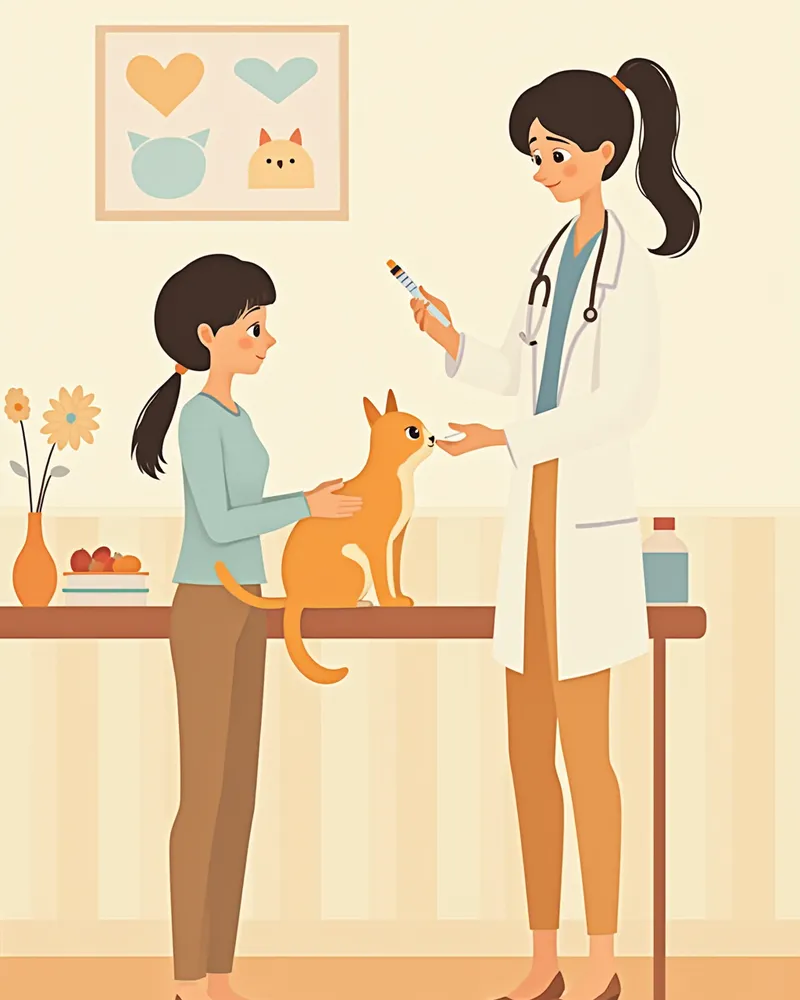
Insulin is typically administered via subcutaneous injection (under the skin) every 12 hours, ideally right after meals. For cats, long-acting insulins such as glargine and detemir are commonly used, with dosages carefully determined by your veterinarian based on your cat’s weight and blood glucose levels. Never adjust the dose without veterinary guidance, as this can lead to dangerous hypoglycemia. Always store insulin in the refrigerator, and before each use, gently roll the vial between your palms to mix it; avoid shaking it vigorously, as this can denature the insulin.
A pet owner learning how to administer insulin injections from a veterinarian

Dietary Management for Diabetic Cats

For diabetic cats, a low-carbohydrate, high-protein wet diet is the most beneficial for blood sugar control. Dry food tends to be high in carbohydrates and can cause rapid spikes in post-meal blood glucose levels. Feed twice daily, timed to coincide with insulin injections, and keep treats to a minimum. If your cat is overweight, weight loss is the most effective way to reduce insulin resistance. However, sudden fasting can lead to fatty liver disease (hepatic lipidosis), so any dietary changes should be made gradually under veterinary guidance.

At-Home Blood Glucose Monitoring

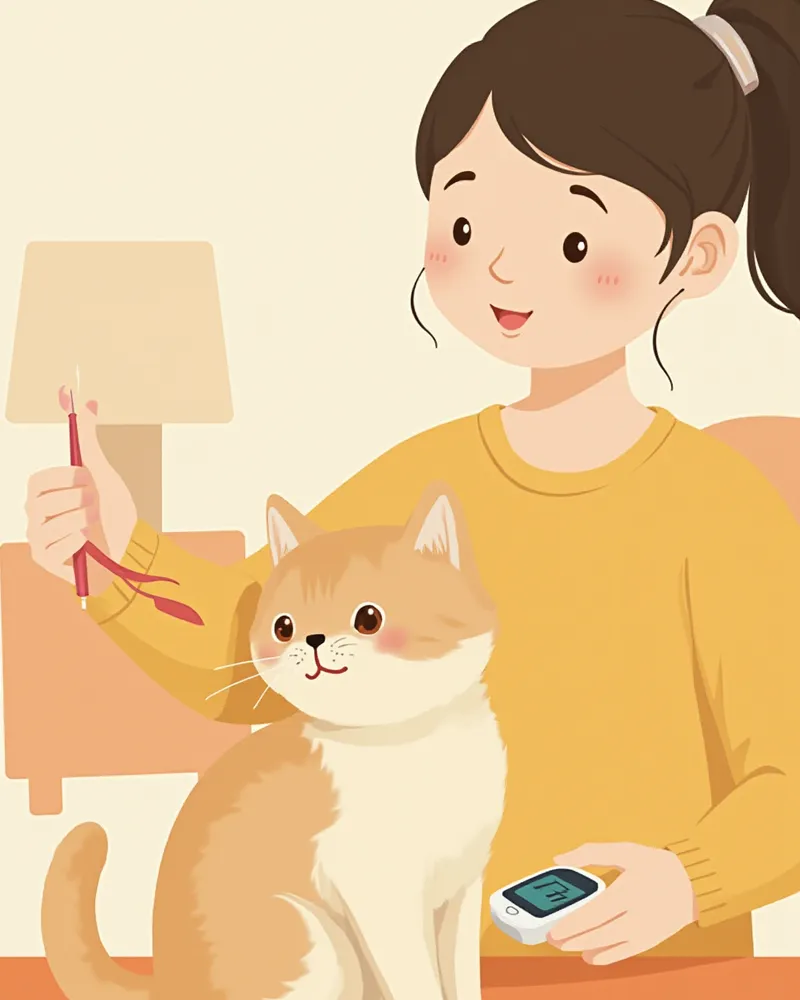
Home blood glucose monitoring: You can take a small blood sample from the tip of the ear or the paw pads and check it directly with a glucometer. Sharing this data with your veterinarian allows for more precise adjustments to the insulin dosage.
Blood glucose curve logging: Measure blood glucose several times a day to identify patterns in its fluctuations. Your veterinarian will use this information to adjust the dosage.
Monitoring for warning signs: Drinking more water than usual or producing more urine may indicate that blood glucose levels have risen again.
Regular check-ups: Have blood tests every 3 to 6 months to detect complications such as kidney disease and diabetic neuropathy at an early stage.
A pet owner measuring their cat's blood sugar at home

Management Is Still Necessary After Remission

Even if your cat reaches a remission state where blood sugar levels remain normal without insulin, this does not mean the disease is cured. Diabetes can recur if your cat gains weight or is administered steroids. Burmese cats have a higher genetic predisposition to diabetes, so they require more frequent monitoring even after remission. Continue to have blood tests performed at least every three to six months and maintain a consistent low-carbohydrate diet.

Reviewed by a veterinarian

Dr. Tony — Punnawat Phongkittirak

Dr. Tony — Punnawat Phongkittirak

Veterinarian

A veterinarian who majored in veterinary medicine at Khon Kaen University, Thailand, and completed the IVSA program at North Carolina State University in the United States. Drawing on clinical experience at animal hospitals, he works in the pet healthcare field and is dedicated to building a digital care environment that connects pet parents with veterinarians.

Frequently Asked Questions

Can feline diabetes be cured?
It’s more accurate to think of remission rather than a complete cure. With early detection, consistent insulin therapy, and a low-carbohydrate diet, some cats can reach a state where their blood sugar levels remain normal even without insulin. However, because there’s a risk of relapse, lifelong monitoring is essential.
Can I administer insulin injections at home?
Yes, in most cases, pet owners administer subcutaneous injections at home every 12 hours. While it may seem challenging at first, most owners can do it well with proper training from their veterinarian. Always confirm the injection site, dosage, and precautions directly with your veterinarian.
What kind of food should I feed my diabetic cat?
Wet food that is low in carbohydrates and high in protein and fat is beneficial for blood sugar control. Dry food, which tends to have a higher carbohydrate content, is not recommended for diabetic cats. Always consult your veterinarian before switching your cat’s diet.
What should I do if I miss the scheduled time for my pet’s insulin injection?
If you remember a missed dose, administer it right away. However, if the next scheduled dose is due within four hours, skip the missed dose and simply give the regular dose at the next scheduled time. Never administer two doses at once. If you're unsure, the safest option is to call your veterinarian for guidance.
How long can a diabetic cat live?
Well-managed diabetic cats can maintain a normal lifespan and quality of life. With consistent blood sugar control and prevention of complications like kidney disease and infections, they can live much like any other cat. Regular vet visits and home care are key.

Share

Related Guides

References

[1] Rand JS, Feline diabetes mellitus. In: Ettinger SJ, Feldman EC (eds), Textbook of Veterinary Internal Medicine, 8th Ed, Elsevier, 2017

[2] Sparkes AH et al., ISFM consensus guidelines on the practical management of diabetes mellitus in cats. J Feline Med Surg, 2015

[3] Mooney CT, Peterson ME (eds), BSAVA Manual of Canine and Feline Endocrinology, 4th Ed, BSAVA, 2012

[4] Schaer M (ed), Clinical Medicine of the Dog and Cat, 4th Ed, CRC Press, 2022

[5] Little S (ed), The Cat: Clinical Medicine and Management, 1st Ed, Elsevier Saunders, 2012

This information is based on veterinary literature and does not replace diagnosis or treatment. Please consult a veterinarian for specific health concerns.

Metapet Co., Ltd. | CEO: Park Sung-yong | Business Reg. No. 417-88-02562 | Seoul, South Korea | Customer Center

Feline Diabetes: Symptoms, Diagnosis, Treatment & Diet | Meongsiljang