Like
Share
멍실장
고양이 폐동맥 협착 증상과 원인, 진단·치료와 관리 포인트 총정리

Why Does My Cat Get Tired So Easily? — Causes, Diagnosis, and Treatment Timing for Pulmonary Artery Stenosis

HeartDiseasesMeongsiljang Veterinary Advisory Board

Feline pulmonary artery stenosis is a congenital heart condition in which the pulmonary artery is narrowed, placing extra strain on the heart. Early detection and proper management are essential to prevent serious complications.

What Is Feline Pulmonary Artery Stenosis?
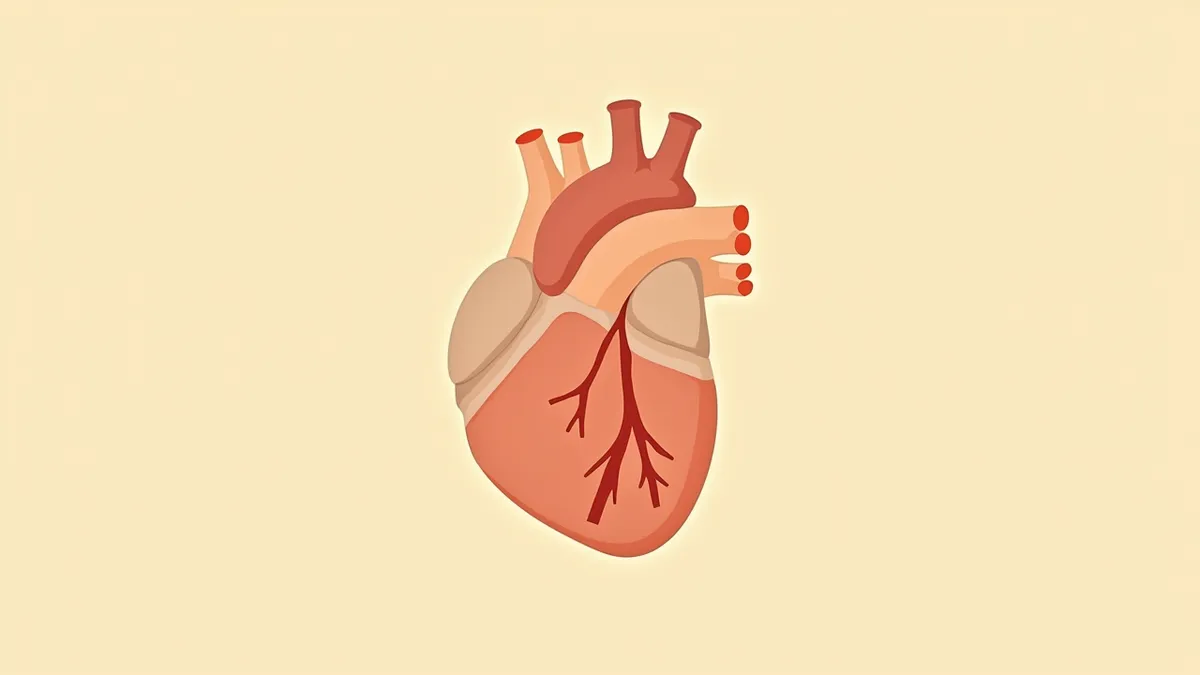
An anatomical illustration highlighting the narrowed section of the pulmonary artery in a cat's heart.
Feline pulmonary artery stenosis is a congenital heart condition in which blood flow from the right ventricle to the pulmonary artery is obstructed by a narrowed segment, placing increased strain on the right side of the heart as it pumps blood to the lungs. It is relatively uncommon in cats. - Pulmonary artery stenosis: The pulmonary valve, the area just below it (subvalvular), or, rarely, the area above it (supravalvular) becomes abnormally narrow, restricting blood flow. This forces the right side of the heart to contract more forcefully, which can lead to thickening of the right ventricular muscle over time. - Increased cardiac workload: Restricted blood flow through the narrowed area places a continuous burden on the right side of the heart. - Generally well-tolerated: Many cats live for years without showing any noticeable symptoms. However, the severity varies depending on the degree of stenosis, so early detection and consistent management are key to preventing complications.

Main Causes and Pathogenesis

Feline pulmonary artery stenosis is most commonly a congenital malformation present from birth. - Congenital malformation: The pulmonary valve or the area beneath it develops abnormally narrow during fetal development. This structural abnormality obstructs blood flow from the right ventricular outflow tract into the pulmonary artery. - Associated with other heart defects: It can occur alongside other congenital anomalies, such as atrial or ventricular septal defects, tricuspid valve dysplasia, and Tetralogy of Fallot. - Changes in heart muscle: Because blood flow is restricted through the narrowed area, the right side of the heart must contract more forcefully. Over time, this can lead to thickening of the right ventricular muscle. - Breed and sex predispositions: There is no established evidence in veterinary literature that feline pulmonary artery stenosis occurs more frequently in specific sexes or breeds. Early diagnosis and management are key to slowing disease progression.
A cross-sectional image of the heart showing right ventricular hypertrophy caused by pulmonary artery stenosis.

Main Symptoms and Signs

The symptoms of feline pulmonary artery stenosis vary depending on the severity of the condition. Many cats live for years without obvious signs, with clinical signals appearing only as the disease progresses.
Heart murmur: This is the most common finding during a physical exam, characterized by a loud murmur heard over the left base of the heart, above the pulmonary valve.
Fatigue: Your cat may show reluctance to exercise and spend extended periods resting.
Respiratory changes: In advanced cases, you may notice changes in your cat’s breathing pattern.
Syncope: Although rare, fainting episodes can occur in severe, advanced cases.
Asymptomatic period: Since early stages are often symptom-free, the condition is frequently discovered incidentally during routine check-ups or when a heart murmur is detected.
A cat showing signs of difficulty breathing

Signs Requiring Immediate Veterinary Visit

If your cat suddenly faints, has a very rapid heartbeat, or develops blue discoloration in the mouth or lips, seek veterinary care immediately. These are signs of a sudden and severe decline in heart function that can be life-threatening.

Accurate Diagnostic Methods

Feline pulmonary artery stenosis is accurately diagnosed using an echocardiogram (heart ultrasound). - Echocardiogram: This test provides real-time visualization of heart structure and blood flow velocity. It is the most important and sensitive diagnostic tool for determining the severity and location of the stenosis. - Electrocardiogram (ECG): This evaluates the electrical activity of the heart. - Thoracic Radiographs (X-rays): These images allow us to assess heart size and changes in the pulmonary arteries. In severe cases, signs such as dilation of the main pulmonary artery may be visible. - Routine Health Screenings: Since early-stage cases often show no symptoms and are discovered incidentally, regular check-ups are essential. Early detection significantly aids in effective management.
A veterinarian performing an echocardiogram on a cat

Treatment Methods and Step-by-Step Management

Treatment depends on the severity of the narrowing. In mild cases, regular monitoring alone may be sufficient, as many cats live comfortably without any noticeable symptoms. For moderate to severe cases, or when symptoms appear, we consider medication or surgical intervention.
Medication: If symptoms such as congestive heart failure develop, we manage them with medications like diuretics to alleviate the condition.
Surgical/Interventional Treatment: Balloon angioplasty, an interventional procedure using a catheter, can be used to widen the narrowed area.
Pre- and Post-Procedure Evaluation: Detailed assessments, including echocardiograms, are necessary before and after the procedure.
Regular Check-ups: Even after treatment, regular cardiac exams are essential to monitor the cat's progress.
A cat recovering after catheter treatment

Home Care Points

Managing feline pulmonary artery stenosis requires careful daily attention. It is essential to minimize stress and avoid excessive physical exertion.
Activity Management: Limit play sessions to short intervals, one to two times per day, to control overall activity levels.
Environmental Stability: Provide a quiet space where your cat can rest comfortably.
Dietary Management: A low-sodium diet is recommended, along with heart-specific food prescribed by your veterinarian.
Regular Check-ups: Schedule cardiac examinations every three to six months to promptly detect any changes in symptoms.
Medication Management: Administer medication at the correct times and dosages. Consistent, uninterrupted adherence to the treatment plan is crucial.
A cat enjoying a heart-healthy meal and rest

Breed-Specific Precautions and Prevention of Recurrence

Feline pulmonary artery stenosis is a relatively rare congenital condition in cats. There is no documented predisposition for specific breeds or sexes. However, since it is a congenital heart defect, it is advisable to have your cat’s heart evaluated at the time of adoption. Regular cardiac check-ups, along with maintaining a stable environment and managing stress, can help monitor the progression of the disease.

Reviewed by a veterinarian

Dr. Tony — Punnawat Phongkittirak

Dr. Tony — Punnawat Phongkittirak

Veterinarian

A veterinarian who majored in veterinary medicine at Khon Kaen University, Thailand, and completed the IVSA program at North Carolina State University in the United States. Drawing on clinical experience at animal hospitals, he works in the pet healthcare field and is dedicated to building a digital care environment that connects pet parents with veterinarians.

Frequently Asked Questions

Can feline pulmonary artery stenosis be treated?
Yes, mild cases can be managed with regular care alone, while moderate to severe cases can be treated with medication or balloon dilation (catheter-based intervention).
Will this condition affect my cat's lifespan?
With proper management, many cats can live comfortably into adulthood. However, if congestive heart failure develops, the prognosis may become guarded.
How long does recovery take after surgery?
The recovery period varies depending on the cat’s condition and the procedure performed. After the procedure, regular check-ups and ongoing monitoring are necessary as directed by your veterinarian.
My cat has pulmonary artery stenosis. Is it safe for them to play?
Short, quiet play sessions are fine, but excessive exercise can strain the heart, so caution is advised.
Is this condition hereditary?
Textbooks don’t report a clear tendency for feline pulmonary artery stenosis to be more common in specific breeds or sexes. However, since it’s a congenital defect, it’s a good idea to have your cat’s heart checked when adopting.

Share

Related Guides

References

[1] The Cat, Clinical Medicine and Management, 2nd Edition, 2020

[2] Textbook of Cardiovascular Medicine in Dogs and Cats, 2018

[3] Small Animal Critical Care Medicine, 3rd Ed, 2021

This information is based on veterinary literature and does not replace diagnosis or treatment. Please consult a veterinarian for specific health concerns.

Metapet Co., Ltd. | CEO: Park Sung-yong | Business Reg. No. 417-88-02562 | Seoul, South Korea | Customer Center

Why Is My Cat So Easily Tired? Pulmonary Artery Stenosis | Meongsiljang