
Lethargy and Vomiting in Dogs — Signs of Leptospiral Kidney Involvement and When to Visit the Vet
Leptospiral kidney involvement in dogs is a condition where infection with Leptospira bacteria leads to kidney damage, with increased water intake and frequent urination being the main symptoms. Early diagnosis and appropriate treatment are essential.
What is Leptospiral Kidney Involvement in Dogs?
What are the Causes and Routes of Infection?

What are the Main Symptoms and Signs?

Symptoms Requiring Immediate Veterinary Care
If your dog experiences repeated vomiting, is unable to urinate at all, or suddenly becomes lethargic with clouded consciousness, immediate veterinary care is necessary. These symptoms may indicate a rapid decline in kidney function, which can be life-threatening. Additionally, leptospirosis can be transmitted to humans, so exercise caution when handling an infected dog.
How is it Diagnosed?
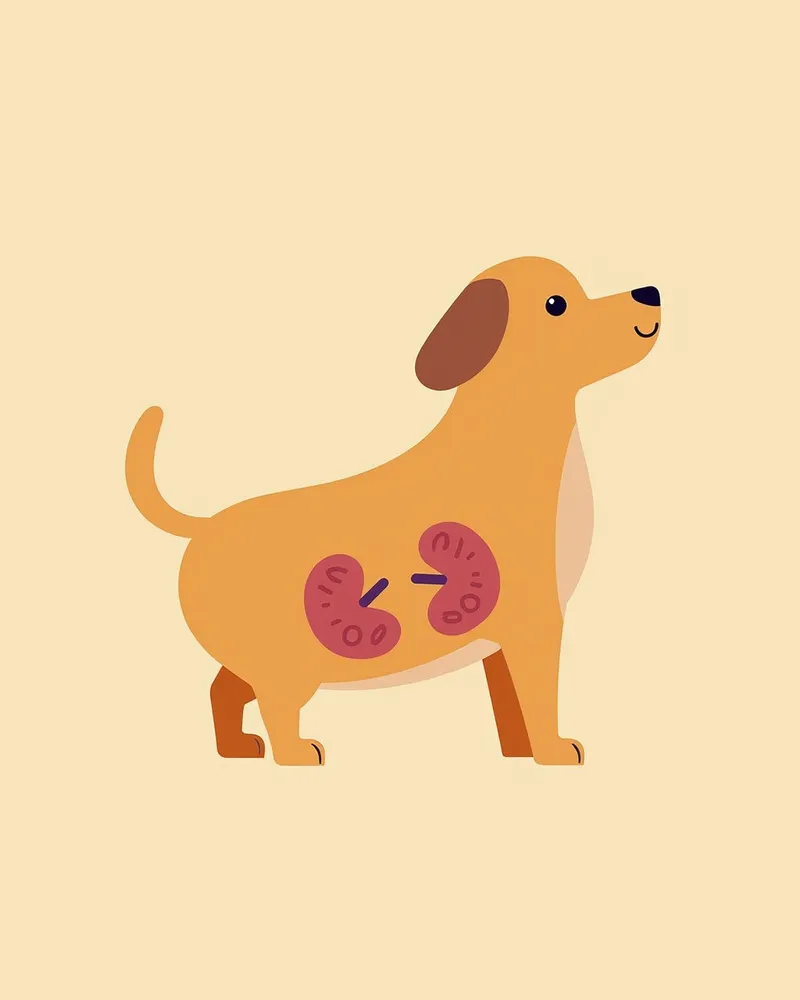
Treatment Methods and Step-by-Step Management
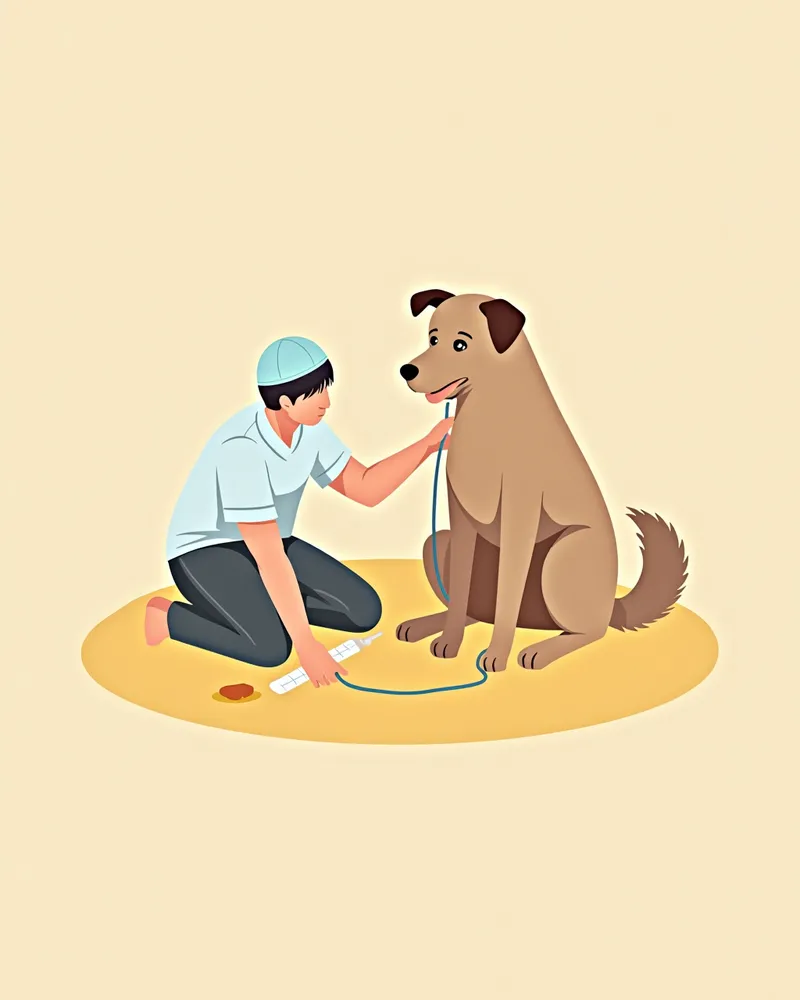
Home Care Points
Preventing Recurrence and Breed Considerations
Even after recovery, dogs can be reinfected with Leptospira upon re-exposure, so it’s important to keep up with regular vaccinations. Dogs living in rural areas or near rivers and wetlands, as well as those with frequent contact with rodents or wildlife, are at higher risk of exposure and are strongly recommended to receive the vaccine. However, even vaccinated dogs can become infected and shed the bacteria in their urine, so don’t rely solely on vaccination—also minimize contact with potentially contaminated water or environments. Additionally, some dogs may develop chronic kidney disease after recovery, so regular kidney function tests are essential for ongoing health management.
Reviewed by a veterinarian

Dr. Tony — Punnawat Phongkittirak
VeterinarianA veterinarian who majored in veterinary medicine at Khon Kaen University, Thailand, and completed the IVSA program at North Carolina State University in the United States. Drawing on clinical experience at animal hospitals, he works in the pet healthcare field and is dedicated to building a digital care environment that connects pet parents with veterinarians.
Reviewed 2026-06-05
Frequently Asked Questions
Can leptospira infection be transmitted to humans?
When should I start vaccinating my pet?
Will kidney function recover after the infection?
Can leptospirosis still be transmitted after treatment?
What should you do if you suspect your dog has leptospirosis at home?
Step-by-Step Symptoms and Management of Leptospira Infection
| Item | Main symptoms | Treatment direction | Prognosis |
|---|---|---|---|
| Mild | Intermittent vomiting, slightly increased thirst | Oral antibiotics, fluid supplementation | Good |
| Moderate | Persistent vomiting, polyuria, lethargy | Intravenous injection, potent antibiotics | Fair |
| Severe | No urine, decreased consciousness, jaundice | Intensive care, fluid therapy, renal support treatment | Uncertain |
Because the treatment method and prognosis vary with the severity of symptoms, early detection is important.
Share
Related Guides

Top 5 Prescription Diets for Cats with Chronic Kidney Disease — Stage-Specific Protein Adjustment
7 Emergency Signs and Causes of Acute Kidney Failure in Dogs You Must Not Miss

Top 5 Cat Kidney Supplements Recommended for 2026
If Your Cat Suddenly Loses Energy — Acute Kidney Injury (AKI) Symptoms and Treatment Timing
Dog Chest X-ray Heart Size — A Complete Guide from Normal Values to Abnormal Findings

If Your Dog Collapses Suddenly — Emergency Signs and Response for Pericardial Effusion and Cardiac Tamponade
If Your Dog Frequently Faints — When to Implant a Pacemaker and Key Management Points
What Should I Feed My Dog with Heart Disease? — Key Points of Prescription Heart Diets and Management
When Are Beta-Blockers Needed for Dogs? — From Effects to Side Effects and Management
If Your Cat Keeps Having a Fever — Causes of Endocarditis and Timing for Treatment
References
[1] Plumb's Veterinary Drug Handbook, 9th Edition, 2022
[2] The Merck Veterinary Manual, 12th Edition, 2021
[3] Small Animal Internal Medicine, 5th Edition, 2020