Like
Share
멍실장
고양이 건성 각결막염(KCS) 증상과 원인, 진단·치료와 관리 포인트 총정리

If Your Cat Keeps Having Sticky Eye Discharge — Causes and Lifelong Management of Keratoconjunctivitis Sicca (KCS)

Eye HealthDiseasesMeongsiljang Veterinary Advisory Board

Feline dry eye, or keratoconjunctivitis sicca (KCS), is a condition in which insufficient tear production leads to dry, inflamed eyes, making early detection and proper management essential.

What Is Feline Keratoconjunctivitis Sicca (KCS)?

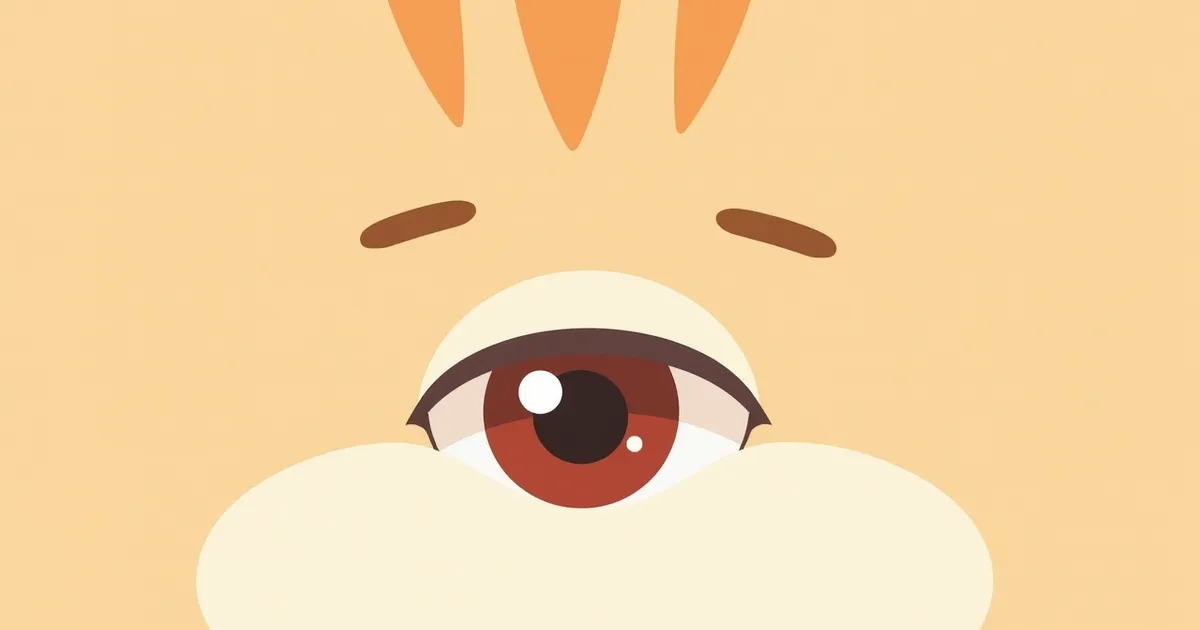
The eyes of a cat suffering from dry keratoconjunctivitis
Feline dry eye, or keratoconjunctivitis sicca (KCS), is a condition in which reduced tear gland function leads to insufficient tear production. This causes the eyes to become dry, resulting in inflammation of the cornea and conjunctiva, as well as pain and discomfort. - Insufficient tears: Inadequate tear production leaves the surface of the eye unprotected. - Risk of corneal damage: Over time, this can lead to corneal ulcers or decreased corneal clarity. - Potential vision loss: In severe cases, vision may be impaired, making early detection crucial. - Risk of chronic progression: If left untreated, symptoms can worsen, making it difficult to restore normal eye function. Since this is one of the most common eye conditions in cats, careful observation is essential.

What Are the Main Causes?

The most common cause of feline dry keratoconjunctivitis is immune system dysfunction that damages the lacrimal glands. Viral infections, trauma, and drug reactions can also be contributing factors.
Immune-mediated damage: Autoimmune responses frequently lead to the destruction of the tear glands.
Viral infection: Infection with feline herpesvirus-1 (FHV-1) can be a cause.
Drug-induced: Certain antibiotics or anti-inflammatory medications may suppress tear production.
Post-trauma or post-surgery: Injuries around the eye or surgery can result in reduced tear gland function.
An anatomical diagram of a cat’s eye with a damaged tear duct

What Are the Main Symptoms and Signs?
Feline dry keratoconjunctivitis causes dryness and discomfort in the eyes, leading to the following signs:
Insufficient tear production: Little to no tears are produced.
Red eyes: The conjunctiva becomes red and swollen.
Mucous discharge: White or clear mucus is discharged from the eyes.
Eye rubbing or squinting: The cat frequently rubs or squints its eyes due to discomfort.
Sticky tear film: Sticky discharge accumulates around the eyes.
Vision loss: If left untreated for a long time, corneal damage can lead to decreased vision.
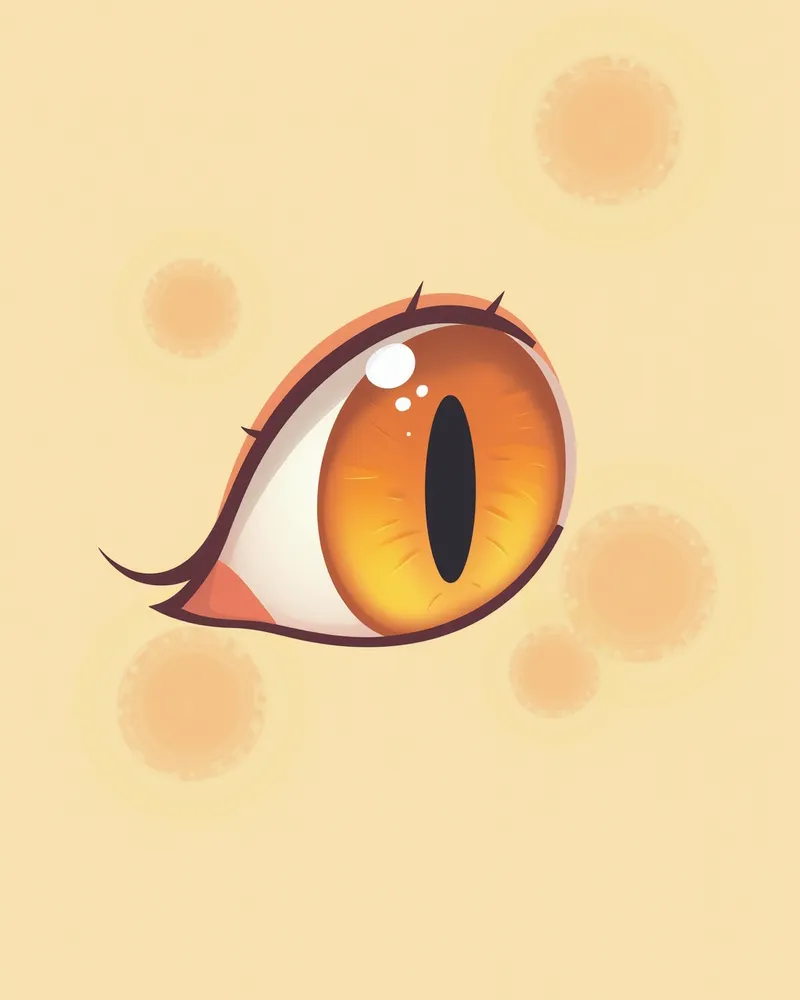
A cat’s eye that appears red and has discharge due to dry keratoconjunctivitis

When to Visit the Vet Immediately

If your cat is constantly rubbing its eyes, has severely red eyes, sticky discharge, or appears to have diminished vision, consult a veterinarian immediately. Corneal ulcers can lead to rapid vision loss.

How Is It Accurately Diagnosed?
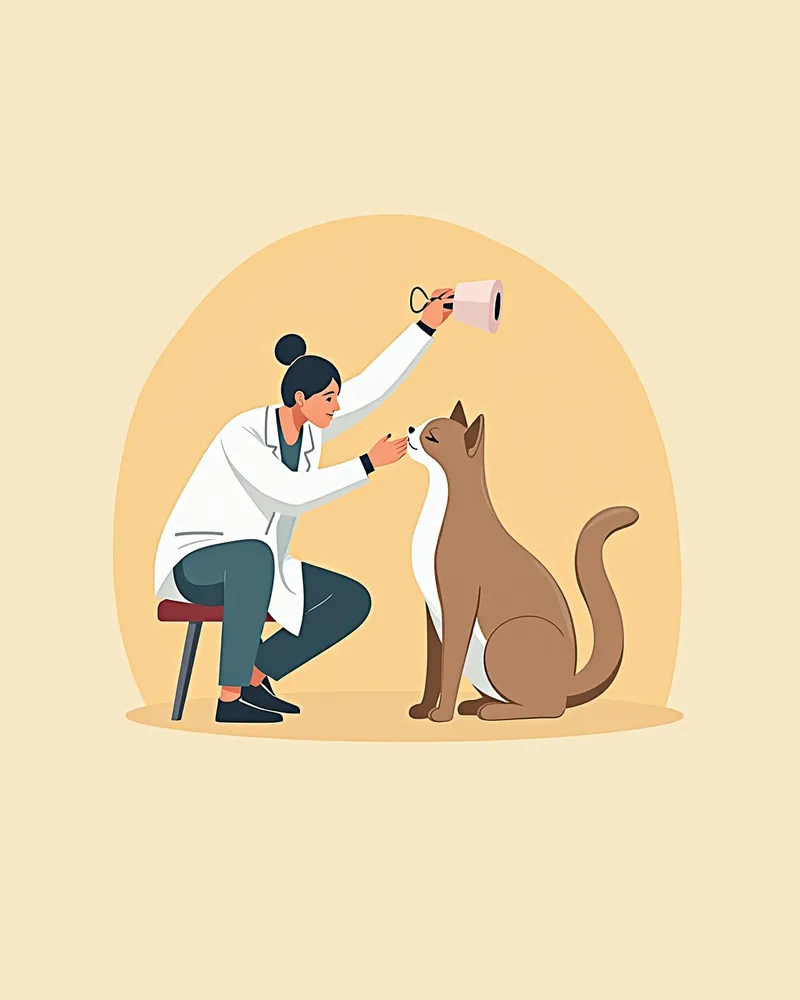
Feline dry eye, or keratoconjunctivitis sicca (KCS), is diagnosed using the Schirmer tear test, which measures tear production. This test provides a quantitative assessment of tear volume.
Schirmer Tear Test: A special strip of paper with a scale is placed in the lower conjunctival sac (inside the lower eyelid), and the amount of tear wetting is measured after one minute (approximately 60 seconds). Lower values indicate a higher likelihood of KCS. However, cats may show low test results even with normal tear production, so diagnosis is made by combining test values with clinical signs for a comprehensive assessment.
Conjunctival Biopsy: If an immune-mediated response is suspected, a tissue sample is collected for examination.
Viral Testing: PCR testing is performed to check for infection with feline herpesvirus type 1 (FHV-1).
Ophthalmic Examination: The cornea is closely examined using a magnifying lens (such as a slit lamp) to check for damage.
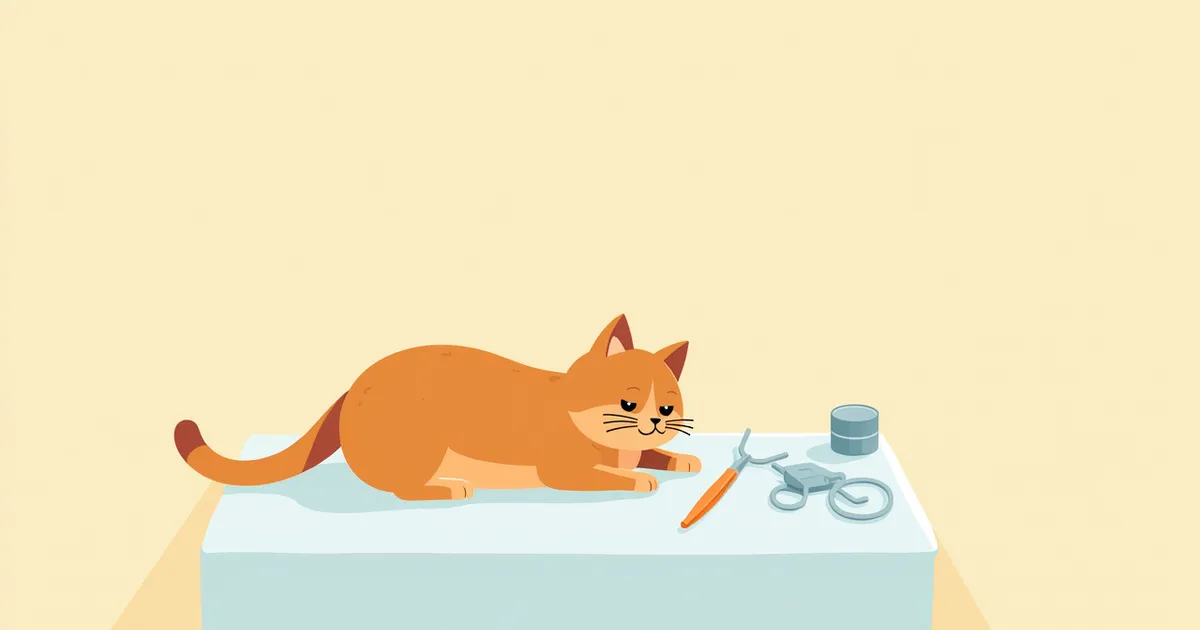
The Schirmer test, which veterinarians use to measure tear production in cats

Treatment Methods and Step-by-Step Management
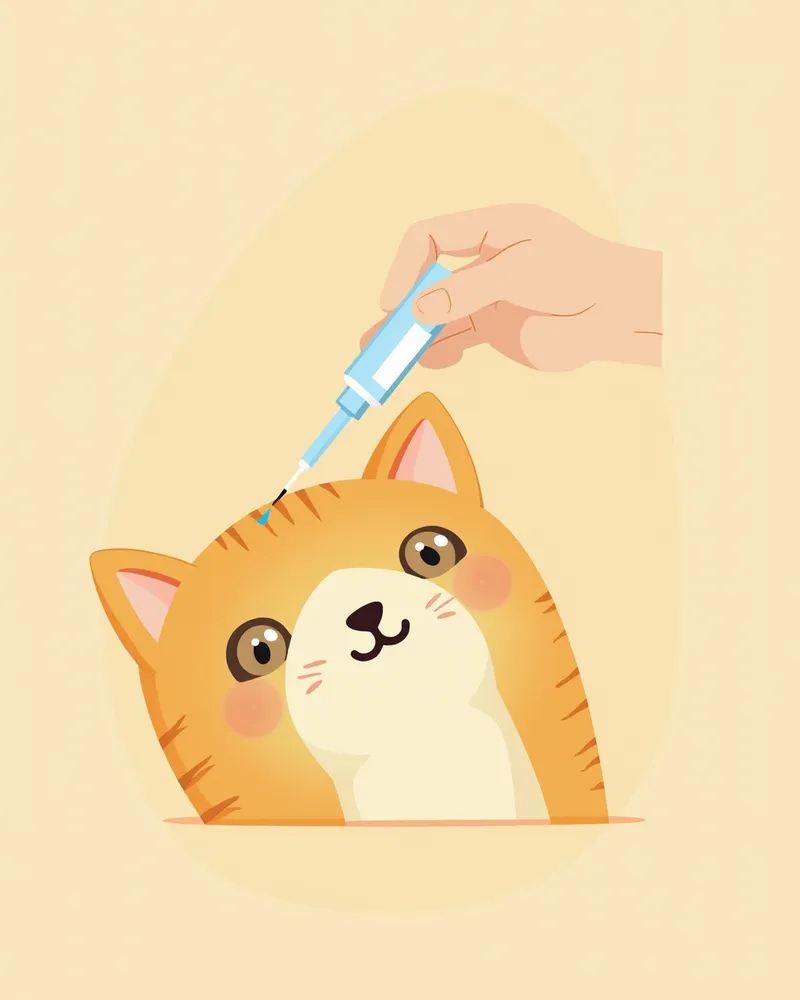
Feline dry eye (keratoconjunctivitis sicca) requires medication and ongoing management. Treatment is approached in stages.
Eye drops: Medications that stimulate tear production and modulate the immune response, such as cyclosporine, are administered as eye drops.
Anti-inflammatory agents: While eye drops may be used to reduce ocular inflammation, steroid eye drops must be used with caution and only under veterinary guidance if corneal ulcers are present or feline herpesvirus (FHV-1) infection is suspected.
Moisturizing and artificial tears: Eye drops, such as artificial tears, are used regularly to protect the eyes and alleviate dryness.
Antibiotics: Antibiotics are prescribed if a secondary bacterial infection is suspected.
Surgical treatment: In severe cases that do not respond adequately to medication, surgical options such as salivary gland (parotid duct) transplantation to replace or supplement tears may be considered.
A veterinarian administering eye drops to a cat.

Home Care Points

Home care is the key to successful treatment, and it requires consistent attention.
Regular eye drops: Administer medication at precise times, 2–3 times daily.
Cleaning around the eyes: Gently wipe away mucus discharge using a clean cloth.
Environmental control: Maintain indoor humidity and use an air purifier to reduce dust.
Stress reduction: Ensure your cat lives in a calm, stable environment.
Medication adherence: Establish a consistent schedule to prevent missed doses.
Regular check-ups: Visit your veterinarian for follow-up appointments every 1–2 months.
A cat resting comfortably at home

Preventing Recurrence and Breed Considerations

Feline dry keratoconjunctivitis is a condition prone to recurrence, so ongoing management is essential. Long-haired breeds like Persians are especially susceptible because their facial hair obscures the eye area, allowing secretions to accumulate. Regular cleaning and care are crucial.

Reviewed by a veterinarian

Dr. Tony — Punnawat Phongkittirak

Dr. Tony — Punnawat Phongkittirak

Veterinarian

A veterinarian who majored in veterinary medicine at Khon Kaen University, Thailand, and completed the IVSA program at North Carolina State University in the United States. Drawing on clinical experience at animal hospitals, he works in the pet healthcare field and is dedicated to building a digital care environment that connects pet parents with veterinarians.

Frequently Asked Questions

Can feline dry keratoconjunctivitis be cured?
While some cases can be fully resolved with medication, most require ongoing management. With early treatment and consistent care, symptoms can be stabilized.
What happens if you miss a dose of eye drops?
If you miss a dose of eye drops, tear production may decrease again and symptoms could worsen. Please be sure to administer them regularly.
My cat hates eye drops. What should I do?
You can try giving eye drops alongside a small treat, as if it were a pill, or train your pet by offering a treat immediately after administering the drops. Consult with your veterinarian to find the best approach for your pet.
Can dry keratoconjunctivitis cause vision loss?
If left untreated for a long time, it can lead to corneal ulcers and vision loss. Early diagnosis and treatment are essential.
Is feline dry keratoconjunctivitis contagious?
Dry keratoconjunctivitis itself is not contagious, but the underlying virus (such as FHV-1) can be. Please be cautious about contact with other cats.

Share

Related Guides

References

[1] Clinical Medicine of the Dog and Cat, 4th Ed, 2021

[2] Clinical Atlas of Canine and Feline Ophthalmic Disease, 2nd Ed, 2022

[3] The Veterinary Workbook of Small Animal Clinical Cases, 2020

This information is based on veterinary literature and does not replace diagnosis or treatment. Please consult a veterinarian for specific health concerns.

Metapet Co., Ltd. | CEO: Park Sung-yong | Business Reg. No. 417-88-02562 | Seoul, South Korea | Customer Center

Cat's Sticky Eye Discharge? KCS Causes & Lifelong Management | Meongsiljang