Like
Share
멍실장
고양이 내분비 고혈압 증상과 원인, 진단·치료와 관리 포인트 총정리

If Your Cat Suddenly Loses Vision — Causes, Diagnosis, and Treatment of Feline Endocrine Hypertension

EndocrineDiseasesMeongsiljang Veterinary Advisory Board

Feline endocrine hypertension is a condition in which blood pressure remains persistently elevated due to hormonal imbalances, and it can cause serious damage to the eyes, kidneys, and brain. Early diagnosis and management are essential.

What Is Feline Endocrine Hypertension?
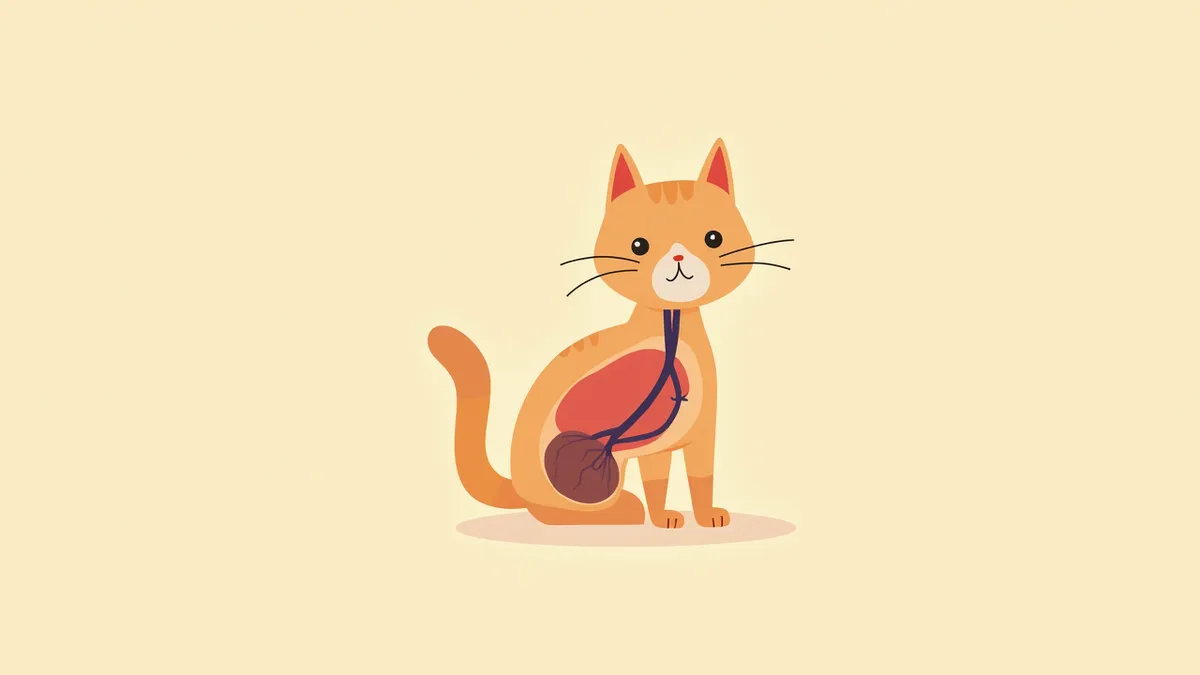
An anatomical illustration of a cat’s endocrine system, highlighting the adrenal cortex and vascular structures.
Feline hypertension is a condition characterized by chronically elevated blood pressure. It most commonly occurs secondary to underlying diseases, with chronic kidney disease and hyperthyroidism being the most frequent causes in cats. Other endocrine disorders, such as primary aldosteronism, pheochromocytoma, hyperadrenocorticism, and acromegaly, can also raise blood pressure. Hypertension increases systemic vascular resistance, leading to sustained high blood pressure, and the risk rises with age, making it more commonly reported in cats over nine years old. Over time, it can cause severe damage to target organs such as the heart, kidneys, brain, and eyes, making early detection crucial. A key challenge is that early stages often present no obvious symptoms, complicating timely diagnosis. Therefore, regular health screenings are essential to identify risks proactively.

What Are the Main Causes?

Feline hypertension is most often secondary, meaning it occurs alongside an underlying disease. The most common causes in cats are chronic kidney disease and hyperthyroidism. Endocrine disorders such as primary aldosteronism, hyperadrenocorticism, pheochromocytoma, and acromegaly are also closely linked to elevated blood pressure. Although primary (essential) hypertension, which develops without a clear underlying condition, is less common, it is now believed to be more prevalent in cats than previously thought. Other risk factors include advanced age, obesity, high-salt diets, and chronic anemia. Diagnosis can be complicated by the frequent occurrence of multiple hormonal imbalances simultaneously. Therefore, thorough diagnostic testing is essential to identify the underlying causes, and early management significantly influences the prognosis.
A close-up image highlighting the adrenal cortex of a cat with active hormonal activity.

Main Symptoms and Signs

Feline endocrine hypertension is often asymptomatic in its early stages. However, as the condition progresses, the following signs may appear:
Vision impairment: The cat may suddenly become afraid of dark areas or bump into walls.
Dizziness: The cat may shake its head or lose balance.
Intermittent seizures: The cat may experience sudden trembling or temporary loss of movement.
Increased urination: The cat may drink more water and urinate more frequently.
Decreased appetite: The cat may suddenly eat less.
If any of these symptoms appear, immediate veterinary attention is necessary.
A cat’s dilated pupils and unsteady gait may indicate vision loss.

Symptoms Requiring Immediate Veterinary Visit

Cats can suddenly lose their vision, experience seizures, or lose consciousness. These are signs of a brain hemorrhage or retinal detachment, and it is essential to visit a veterinary clinic within 24 hours.

Accurate Diagnostic Methods
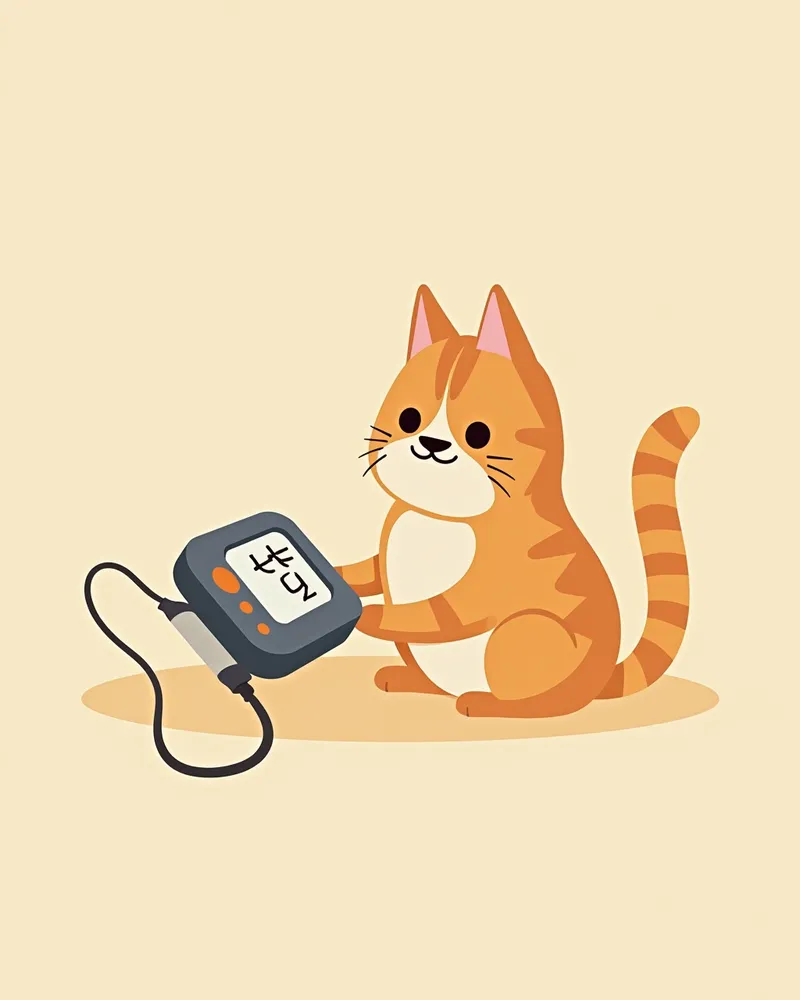
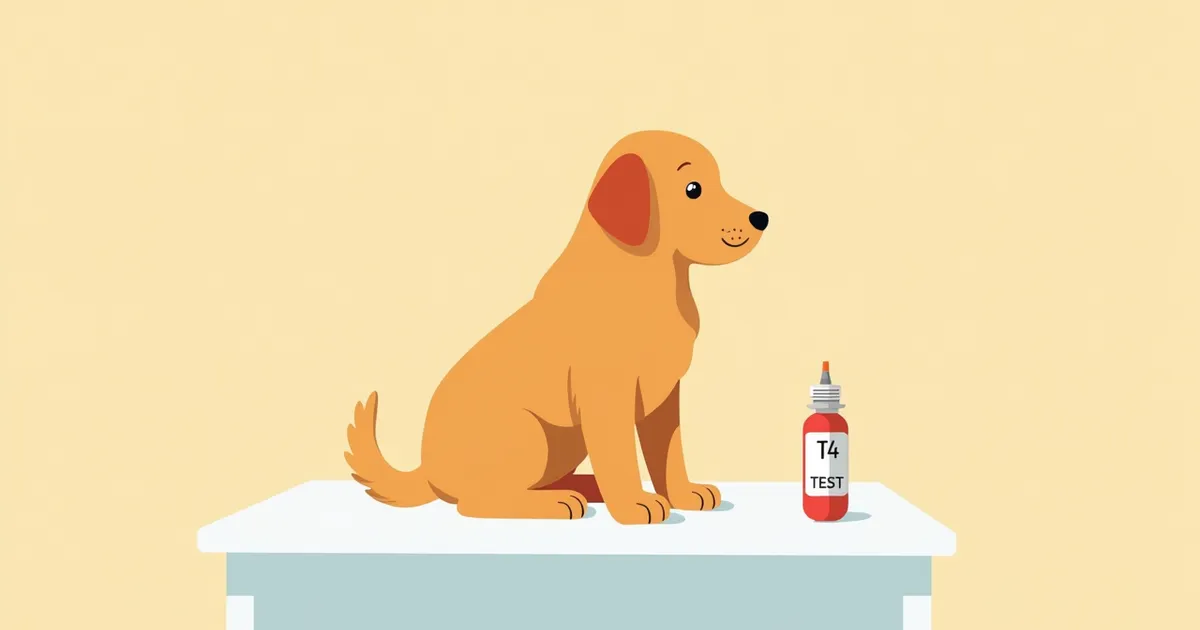
Feline hypertension is diagnosed through accurate blood pressure measurements. Indirect sphygmomanometers using either Doppler or oscillometric methods are employed, and repeated measurements in a quiet environment are necessary to minimize stress. Since "white-coat hypertension," where blood pressure temporarily rises due to the clinical setting, is common, it is more accurate to base the diagnosis on a comprehensive assessment of multiple readings rather than a single measurement. Additionally, underlying diseases and causes are identified through renal function tests, thyroid hormone (T4) tests, urinalysis, and, when necessary, adrenal-related tests. Because hypertension usually occurs alongside other conditions, identifying the underlying disease is crucial. Sharing detailed information about your cat's behavior during the clinic visit and its usual home environment can also aid in the diagnostic process.
A veterinarian using a Doppler blood pressure monitor on a cat's paw

Treatment Methods and Step-by-Step Management
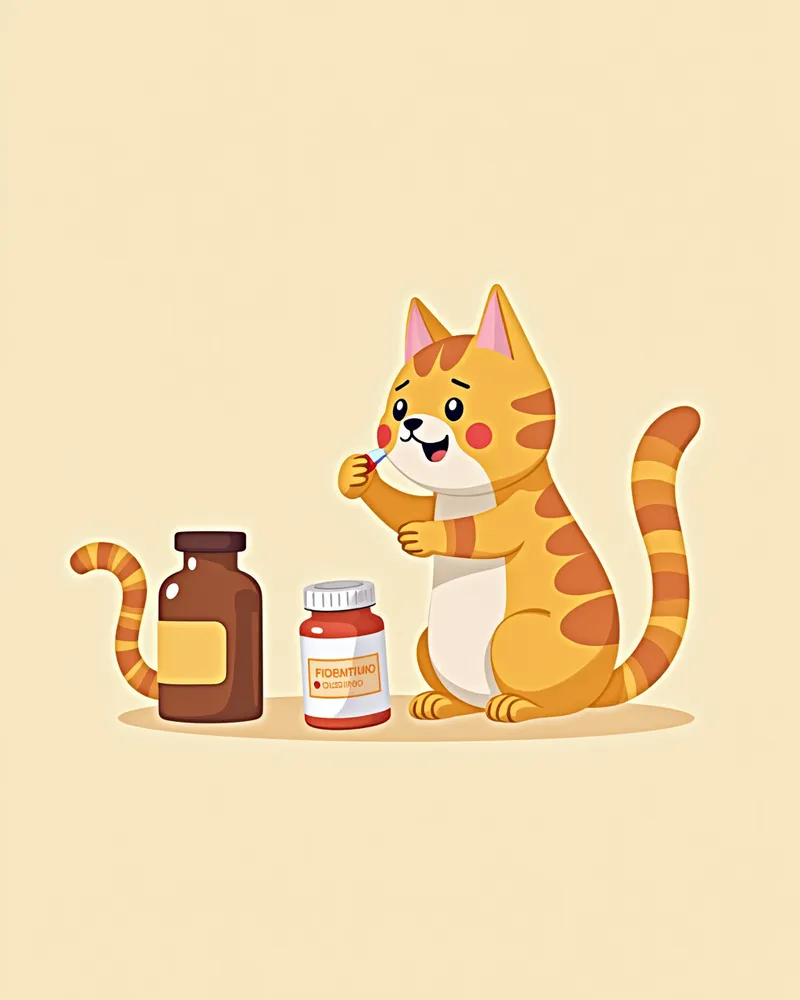
Treatment depends on the underlying cause, and if there is an underlying condition, managing that condition (such as hyperthyroidism or chronic kidney disease) is fundamental. To lower blood pressure, antihypertensive medications are used, with the calcium channel blocker amlodipine and ACE inhibitors being the most widely used in cats and dogs. Research has also shown that telmisartan, an angiotensin receptor blocker, to be effective. Treatment usually continues for life, making regular blood pressure monitoring and follow-up tests for underlying conditions essential. Missing doses can cause blood pressure to rise again, so it’s important to establish a habit of administering medication at the same time every day. Additionally, maintaining a quiet environment and a consistent daily routine helps reduce stress in cats. The effectiveness of treatment largely depends on consistent management and the owner’s cooperation.
An image of a veterinarian administering medication to a cat, with a medicine bottle nearby.

Management Points at Home

Managing feline hypertension hinges on attentive daily care.
Consistent medication: Administer medication at the same time every day. Missing a dose can cause blood pressure to rise again.
Minimizing stress: Maintain a quiet environment and avoid sudden noises or changes.
Dietary management: The blood pressure-lowering effect of low-sodium diets is unclear, and some reports suggest they may even raise blood pressure. Avoid high-sodium diets, but follow your veterinarian’s dietary recommendations.
Regular check-ups: Have blood pressure measured and blood tests performed according to the schedule set by your veterinarian.
Water intake management: Change the water frequently and always provide clean water.
These management practices enhance treatment effectiveness.
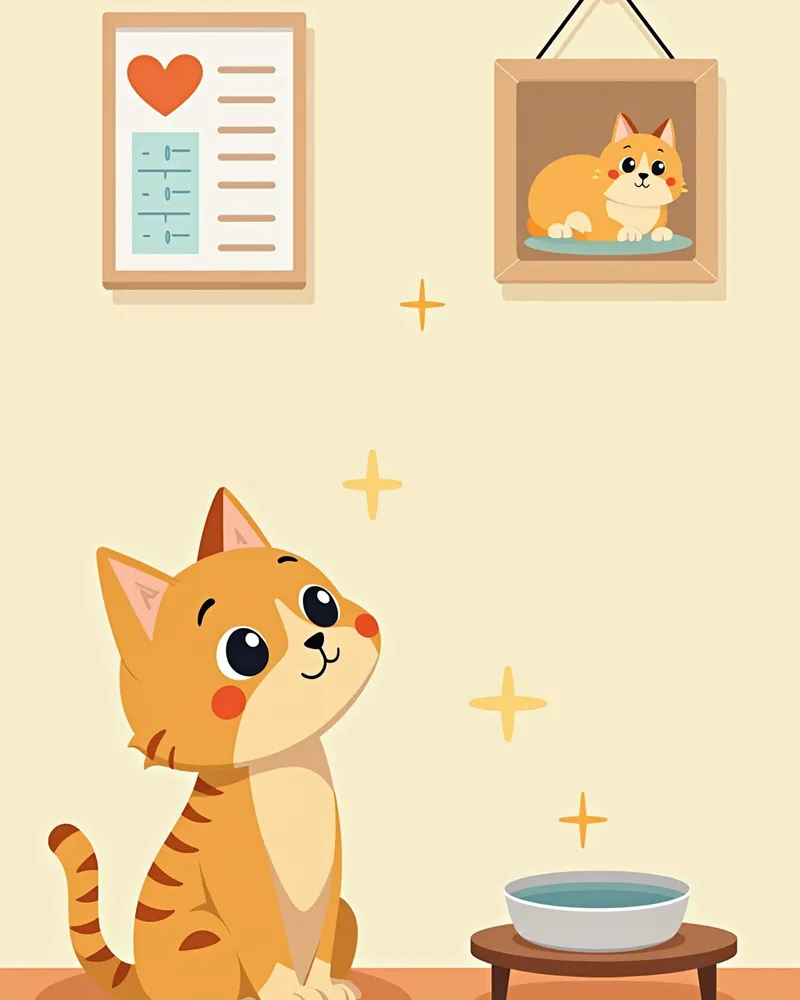
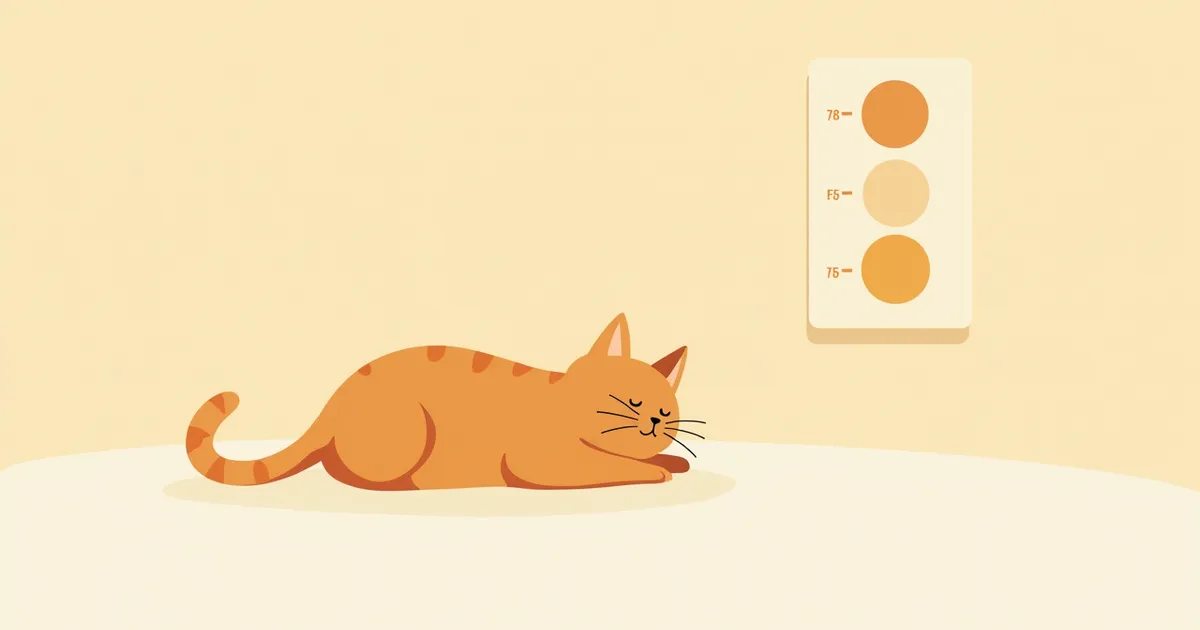
An image showing a quiet space where a cat can relax comfortably, along with a water bowl and a medication schedule chart.

Breed-Specific Considerations for Feline Endocrine Hypertension

There is no clear evidence that endocrine hypertension occurs more frequently in specific breeds. However, the risk increases with age, and cats with underlying conditions such as chronic kidney disease or hyperthyroidism are more likely to develop concurrent hypertension. Therefore, regular blood pressure monitoring is essential for senior cats or those with these conditions.

Reviewed by a veterinarian

Dr. Tony — Punnawat Phongkittirak

Dr. Tony — Punnawat Phongkittirak

Veterinarian

A veterinarian who majored in veterinary medicine at Khon Kaen University, Thailand, and completed the IVSA program at North Carolina State University in the United States. Drawing on clinical experience at animal hospitals, he works in the pet healthcare field and is dedicated to building a digital care environment that connects pet parents with veterinarians.

Frequently Asked Questions

Can feline endocrine hypertension be treated?
Yes, most cases of secondary hypertension are associated with underlying conditions, so it can be effectively managed with antihypertensive medications such as amlodipine or ACE inhibitors while treating the primary disease (e.g., chronic kidney disease, hyperthyroidism). Although lifelong management is typically required, your pet can maintain a good quality of life.
My cat has high blood pressure. Is it safe to stop the medication?
No. Stopping medication abruptly can cause a sudden spike in blood pressure, increasing the risk of cerebral hemorrhage or retinal detachment. The dosage should be gradually adjusted under veterinary guidance.
My cat has high blood pressure, but shows no symptoms. Is that okay?
No. Hypertension is often called a "silent disease" because it may not show any symptoms in its mild stages. However, early diagnosis and management are crucial because it can cause damage to the eyes, kidneys, heart, and brain.
Are there any side effects associated with blood pressure medication?
Some medications may cause side effects, but most cats tolerate them well. Your veterinarian will carefully select the appropriate medication and dosage, and regularly monitor your cat’s condition to minimize any potential side effects.
Can high blood pressure in cats be prevented?
Early detection is more important than prevention. Older cats and those with kidney or thyroid disease can benefit from regular blood pressure checks to catch issues early. Avoiding high-sodium diets and managing stress can also help.

Share

Related Guides

References

[1] Taylor SS, Sparkes AH, Briscoe K, et al. ISFM consensus guidelines on the diagnosis and management of hypertension in cats. J Feline Med Surg. 2017;19(3):28-42.

[2] Brown SA, Henik RA. Diagnosis and treatment of systemic hypertension. Vet Clin North Am Small Anim Pract. 1998;28(6):1481-1494.

[3] Glaus, T.M., Elliott, J., Herberich, E. et al. Efficacy of long-term oral telmisartan treatment in cats with hypertension: results of a prospective European clinical trial. J Vet Intern Med. 2019;33:413-422.

This information is based on veterinary literature and does not replace diagnosis or treatment. Please consult a veterinarian for specific health concerns.

Metapet Co., Ltd. | CEO: Park Sung-yong | Business Reg. No. 417-88-02562 | Seoul, South Korea | Customer Center

Cat Sudden Vision Loss? Feline Endocrine Hypertension Explained | Meongsiljang