Like
Share
멍실장
강아지 촌충감염 증상과 감염 경로, 치료·예방법 총정리

Dog Tapeworm Infection: Symptoms, Transmission Routes, and Treatment & Prevention Guide

Infection/ParasitesDiseasesMeongsiljang Veterinary Advisory Board

Tapeworm infection in dogs is primarily transmitted through fleas, with hallmark symptoms including anal itching and rice-grain-like segments in the stool. To prevent reinfection, it’s essential to combine deworming treatment with proper flea control.

What Is Dog Tapeworm Infection?
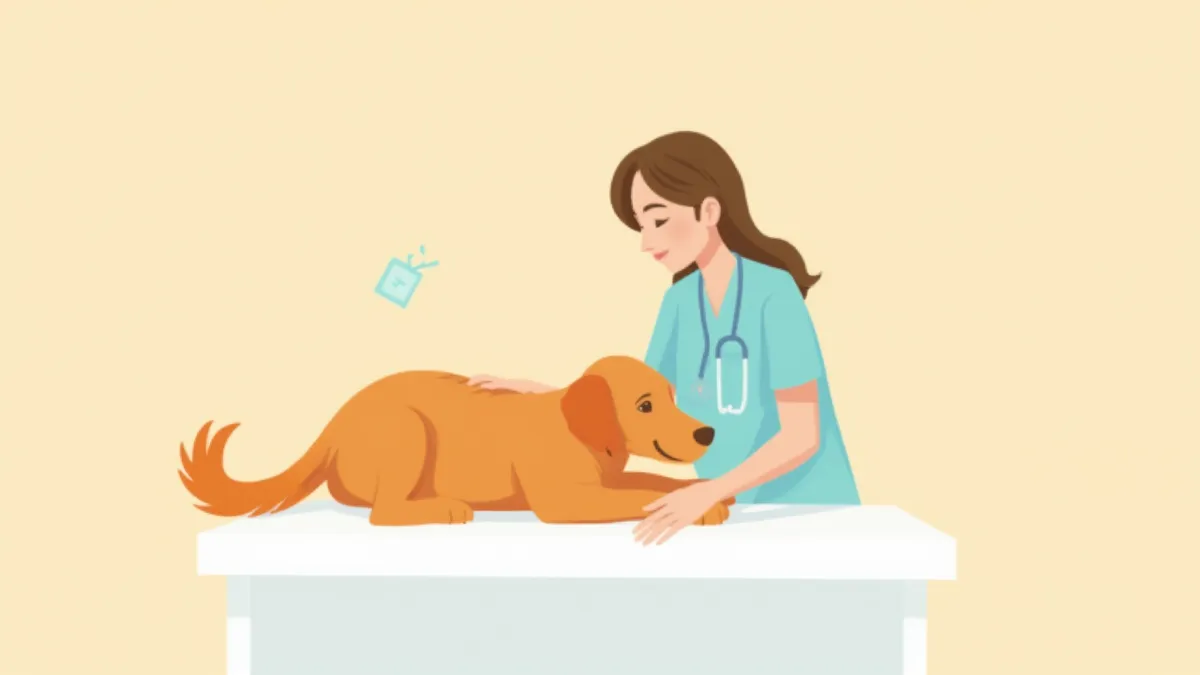
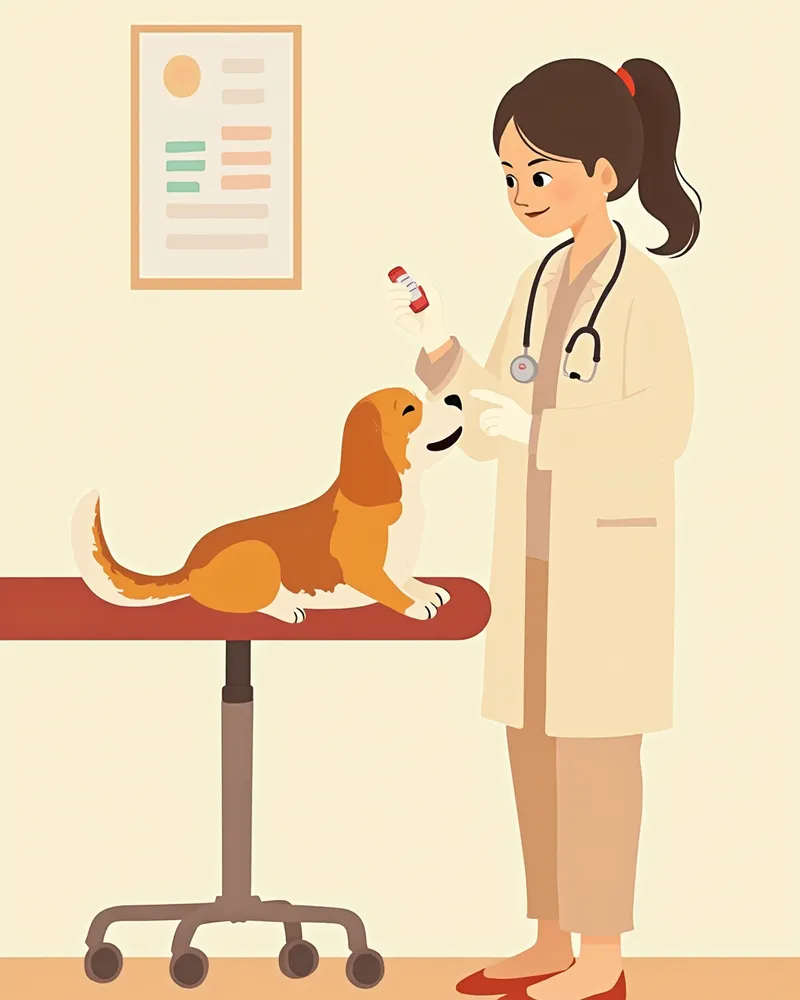
A veterinarian performing an abdominal examination on a dog at the animal hospital.
Tapeworm infection in dogs is an internal parasitic disease caused by tapeworms (cestodes) parasitizing the small intestine, leading to digestive disturbances, weight loss, and anal pruritus. The most critical point is that fleas are the most common intermediate hosts; therefore, if fleas are not completely eliminated, reinfection can recur even after treatment. If you notice rice-grain-like white segments around the anus or in the feces, suspect tapeworm infection and visit a veterinary clinic promptly.

Main Transmission Routes of Dog Tapeworm Infection

There are two main ways dogs can become infected with tapeworms.
Dipylidium caninum: Flea larvae ingest tapeworm eggs, and when they mature into adult fleas, dogs can become infected by accidentally swallowing these fleas while grooming. This is one of the most commonly reported tapeworms in dogs and cats.
Taenia taeniaeformis: Infection occurs when dogs consume infected rodents like mice. This type of tapeworm is more common in dogs that spend a lot of time outdoors or have a strong hunting instinct.

Checklist of Main Symptoms of Dog Tapeworm Infection
Anal itching: Your pet may repeatedly rub its rear end on the floor (scooting) or lick the area around the anus.
Rice-like segments: You may notice small, white fragments in the stool or around the anus. These are tapeworm segments (proglottids).
Weight loss: Your pet may lose weight despite eating normally, as the tapeworms steal nutrients from its diet.
Abdominal distension: The belly may appear bloated or feel gassy.
Vomiting and lethargy: In severe cases, gastrointestinal irritation can lead to vomiting and a lack of energy.
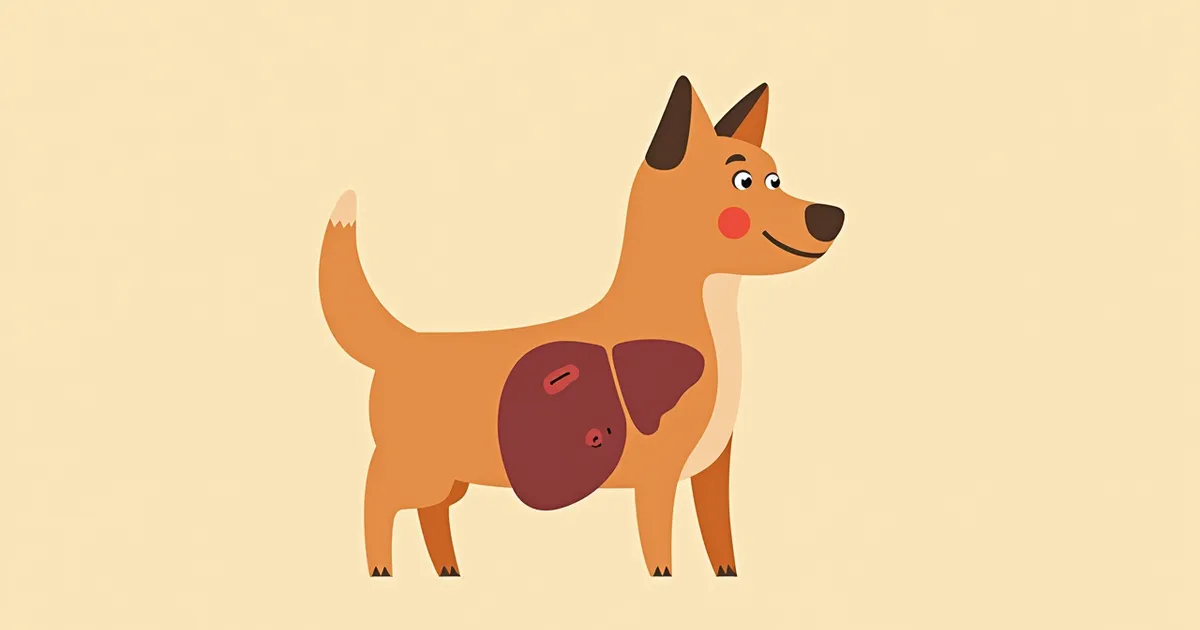
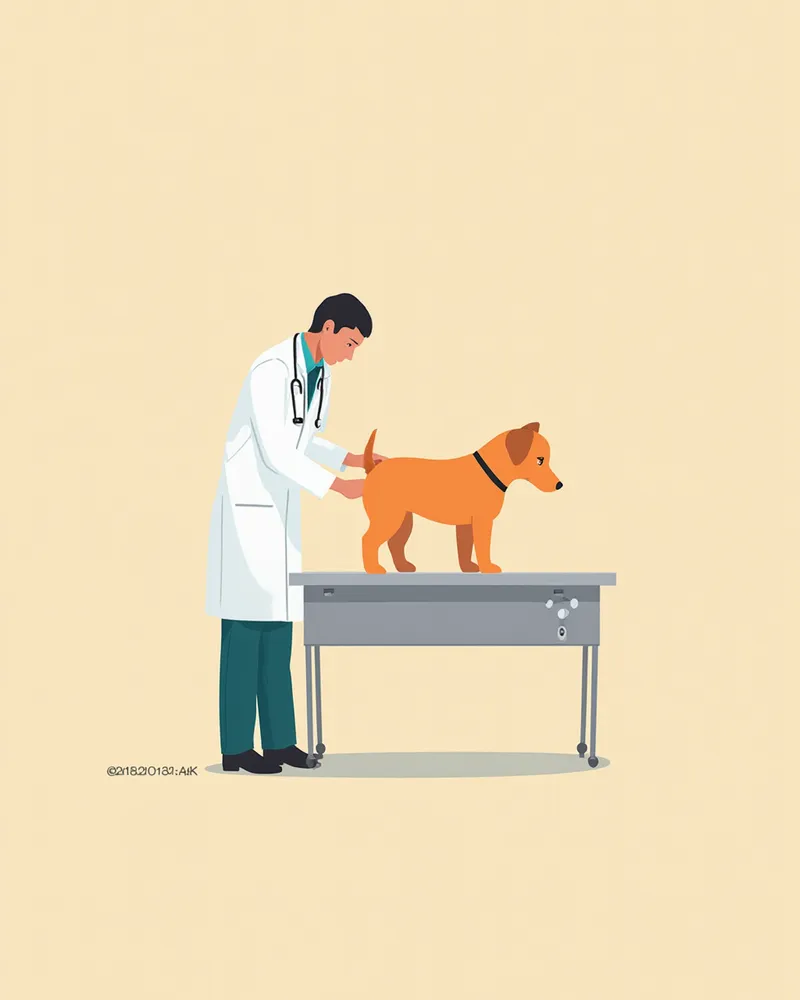
A veterinarian examining the area around a dog's anus

Seek Immediate Veterinary Care If You Notice These Symptoms

If your dog experiences noticeable weight loss, repeated vomiting, or extreme lethargy, seek veterinary care immediately. Puppies under six months old and senior dogs are especially vulnerable, as rapid nutrient depletion can quickly worsen their health. Additionally, persistent diarrhea or any significant change in stool consistency warrants prompt veterinary evaluation.

Diagnostic Methods for Tapeworm Infection

Fecal flotation test: This is the most basic diagnostic method, in which stool is diluted in a special flotation solution to allow microscopic examination for tapeworm eggs or segments.
Direct smear test: In this method, stool is directly smeared onto a slide for observation, enabling rapid result confirmation.
Segment submission for diagnosis: If you find rice-grain-like segments around your pet’s anus, placing them in a sealed container and bringing them to the clinic can help identify the specific tapeworm species.
Handling negative results: Even if test results are negative, veterinarians may still assess the likelihood of tapeworm infection by considering clinical signs, living environment, and flea exposure history. It is also common to initiate treatment without identifying the specific species.
Stool collection tips: The fresher the stool sample, the higher the accuracy in detecting eggs or segments, so it’s best to bring the sample to the veterinary clinic as soon as possible after collection.

Treatment for Dog Tapeworm Infection

Tapeworm treatment uses praziquantel, an anthelmintic recommended in veterinary pharmacology textbooks. It is effective against both adult and immature tapeworms and can be administered alone or in combination with other deworming agents. However, if the source of infection—such as fleas or rodents—is not eliminated, reinfection can occur even after treatment. Therefore, it is essential to combine deworming with thorough flea control. The dosage and administration schedule should be determined by a veterinarian based on your pet’s body weight.
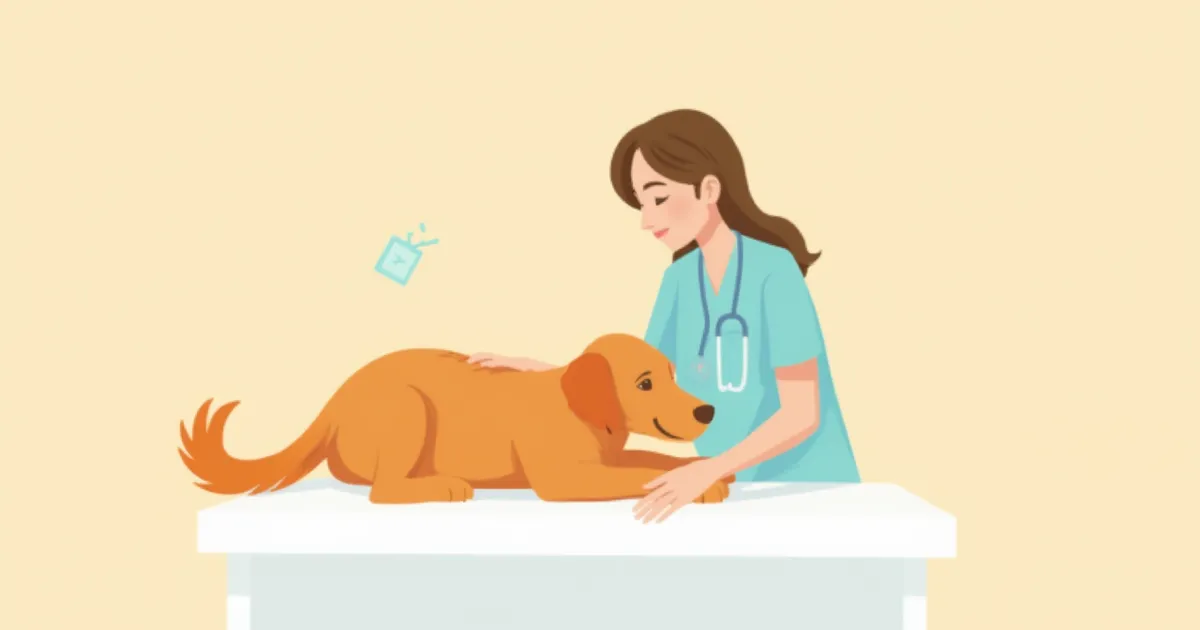
A veterinarian administering deworming medication to a puppy.

Home Care and Prevention of Reinfection

Wash bedding and carpets: Tapeworm eggs may be present, so wash items in hot water or replace them entirely.
Continue using flea preventatives: Preventing reinfection with *Dipylidium* hinges on effective flea control. Consistent monthly use of flea preventatives is essential.
Promptly clean up feces: Dispose of stool immediately to prevent tapeworm segments from spreading into the environment.
Prevent hunting opportunities: To avoid reinfection with *Taenia*, it’s important to stop your pet from catching and eating rodents.
Pet owners who maintain a clean living environment for their dogs

Small-Breed Dogs and Puppies Require Special Attention

Small-breed dogs with low body weight and puppies under six months of age whose immune systems are not yet fully developed may experience significant nutritional loss when infected with tapeworms. Additionally, if fleas infest your home, there is a rare possibility that Dipylidium caninum can be transmitted to humans, so households with young children should pay particular attention to flea control.

Reviewed by a veterinarian

Dr. Tony — Punnawat Phongkittirak

Dr. Tony — Punnawat Phongkittirak

Veterinarian

A veterinarian who majored in veterinary medicine at Khon Kaen University, Thailand, and completed the IVSA program at North Carolina State University in the United States. Drawing on clinical experience at animal hospitals, he works in the pet healthcare field and is dedicated to building a digital care environment that connects pet parents with veterinarians.

Frequently Asked Questions

Can tapeworms in dogs be transmitted to humans?
Although rare, it is possible. If a person accidentally swallows an infected flea, they can contract Dipylidium. Young children are especially at risk, but the infection can be completely cured with deworming treatment.
How often should I give deworming medication?
Regular deworming is recommended for dogs that are frequently exposed to fleas or spend a lot of time outdoors, as they are at higher risk of reinfection. However, the exact interval and type of medication should be determined in consultation with a veterinarian, who will assess your dog’s living environment and risk level.
Does seeing rice-like grains around the anus always mean it's tapeworms?
That’s the most likely explanation. When tapeworm segments dry out, they can look like grains of rice. However, it could also be another type of parasite or a skin issue, so it’s best to have a veterinarian examine your pet for an accurate diagnosis.
How soon can reinfection occur after treatment?
If you don’t eliminate sources of infection like fleas or rodents, reinfection can occur. For complete treatment, it’s important to combine deworming with flea prevention and environmental management.
Can cats and dogs infect each other if they live together in the same household?
If fleas are present in your home, your cat may also be infected with Dipylidium. In households with multiple cats and dogs, it’s important to test and treat all pets together.

Share

Related Guides

References

[1] Meredith A., The Veterinary Workbook of Small Animal Clinical Cases, Case 14: Gastrointestinal Parasites — Dipylidium caninum and Taenia taeniaeformis life cycles and treatment, 2015

[2] Riviere JE, Papich MG., Handbook of Veterinary Pharmacology, Chapter IV: Anticestodal Drugs — Praziquantel, Dichlorophene, Fenbendazole mechanisms and spectrum, 2nd Ed, 2009

[3] Plumb DC., Plumb's Veterinary Drug Handbook, 10th Ed, Praziquantel monograph (Droncit®, Drontal®, Drontal® Plus dosing tables), 2023

This information is based on veterinary literature and does not replace diagnosis or treatment. Please consult a veterinarian for specific health concerns.

Metapet Co., Ltd. | CEO: Park Sung-yong | Business Reg. No. 417-88-02562 | Seoul, South Korea | Customer Center

Dog Tapeworm: Symptoms, Transmission & Treatment Guide | Meongsiljang