

When Your Cat Keeps Coughing — Feline Pneumonia: Symptoms, Causes, Treatment, and Care
We’ve compiled a comprehensive guide on feline pneumonia, covering causes and symptoms, diagnostic methods, treatment options, and home care tips, all based on veterinary evidence.
What Is Feline Pneumonia?

Causes of Feline Pneumonia
Key Symptoms Checklist

When to Go to the Emergency Vet Immediately
• When your pet is panting with an open mouth or showing severe abdominal breathing • When the gums or tongue turn blue or pale (a sign of oxygen deficiency) • When your pet refuses to eat or drink for more than 24 hours • When there are wheezing or gurgling sounds during breathing • When your pet suddenly collapses or is unable to stand up
Diagnostic Methods
Treatment Options
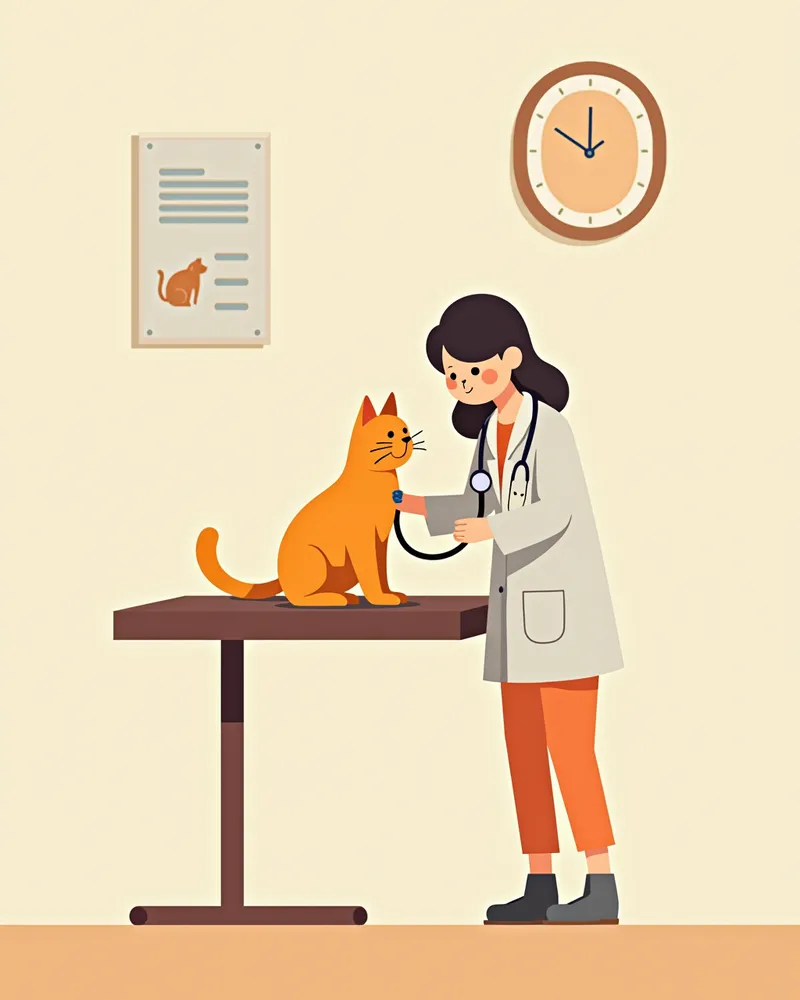
Home Care Tips

Cats That Require Special Attention
• Kittens — Their immune systems are still developing, so infections can progress rapidly. Kittens under 10 weeks of age are especially prone to severe bronchopneumonia. • Senior cats — Their overall respiratory defense mechanisms are weakened, which may lead to slower recovery. • Cats testing positive for Feline Immunodeficiency Virus (FIV) or Feline Leukemia Virus (FeLV) — Their compromised immune systems make them more susceptible to secondary infections. Cats diagnosed with pneumonia should also be tested for FIV and FeLV. • Cats from shelters or hospital stays — These environments increase exposure to pathogens. Please monitor your cat closely for respiratory symptoms for two weeks after bringing them home.
Reviewed by a veterinarian

Dr. Tony — Punnawat Phongkittirak
VeterinarianA veterinarian who majored in veterinary medicine at Khon Kaen University, Thailand, and completed the IVSA program at North Carolina State University in the United States. Drawing on clinical experience at animal hospitals, he works in the pet healthcare field and is dedicated to building a digital care environment that connects pet parents with veterinarians.
Reviewed 2026-06-01
Frequently Asked Questions
Can feline pneumonia be transmitted to humans?
Can it be completely cured with treatment?
Can vaccinations prevent pneumonia?
Can I perform steam inhalation at home?
How long does the treatment take?
Share
Related Guides

Top Recommended Feline Bronchodilators and Selection Criteria: A Complete Guide

Best Recommendations and Selection Criteria for Monitoring Your Cat’s Respiratory Rate (RR) During Sleep for Heart Care

Best Recommendations and Selection Criteria for Monitoring Your Dog’s Respiratory Rate (RR) During Sleep for Heart Care

Symptoms and Treatment of Canine Cervical Disc Disease (Cervical IVDD)
Dog Urethral Obstruction: Symptoms, Causes, Diagnosis, Treatment, and Management Essentials

Proteinuria in Dogs: Symptoms, Causes, Diagnosis, Treatment, and Management Essentials

Hematuria in Dogs: Symptoms, Causes, Diagnosis, Treatment, and Care Essentials

Dog Bladder Polyps and Growths: Symptoms, Causes, Diagnosis, Treatment, and Management Essentials

Canine Bacterial Cystitis: Symptoms, Causes, Diagnosis, Treatment, and Management Essentials

Feline Urine Culture Test: Symptoms, Causes, Diagnosis, Treatment, and Management Essentials
References
[1] Padrid P. Canine and Feline Respiratory Medicine, 3rd Edition. Wiley-Blackwell, 2022.
[2] Schaer M, Gaschen F. Clinical Medicine of the Dog and Cat, 4th Edition. CRC Press, 2022.
[3] Drobatz KJ, et al. Small Animal Critical Care Medicine, 3rd Edition. Elsevier, 2022.