

Feline Eosinophilic Granuloma: Symptoms, Causes, Diagnosis, Treatment, and Management Essentials
Feline eosinophilic granuloma is a skin condition in which excessive accumulation of eosinophils in the skin causes chronic inflammatory lesions. Here’s a summary of the symptoms, causes, diagnosis and treatment methods, and management strategies to prevent recurrence for each of the three forms.
What is Feline Eosinophilic Granuloma?

Why Does It Occur? — Causes and Background
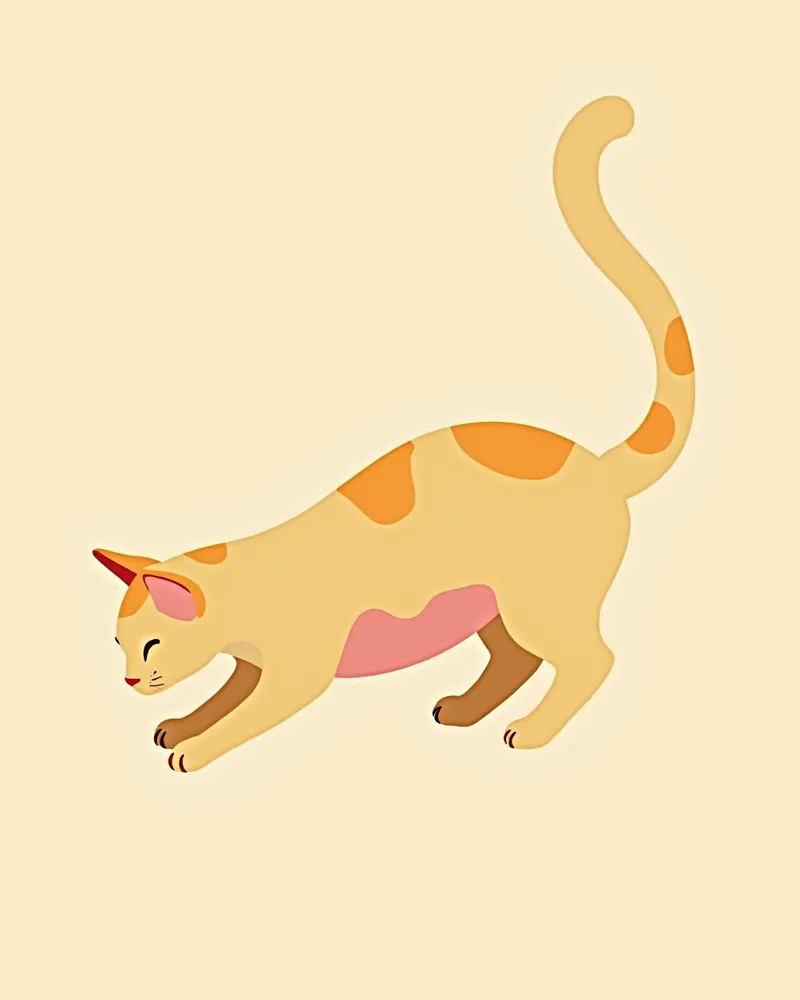
Symptom Checklist by the Three Forms
Signs That Require an Immediate Veterinary Visit
If you notice any of the following signs, please visit a veterinary clinic as soon as possible: • Sores or lesions in the mouth or throat that make it difficult for your pet to eat • Lesions that grow rapidly or begin to ooze fluid or bleed • Excessive licking resulting in pus or a foul odor (possible secondary bacterial infection) • No improvement after more than two weeks of steroid treatment
Diagnostic Methods — How Is It Confirmed?
Treatment Methods — A Step-by-Step Guide
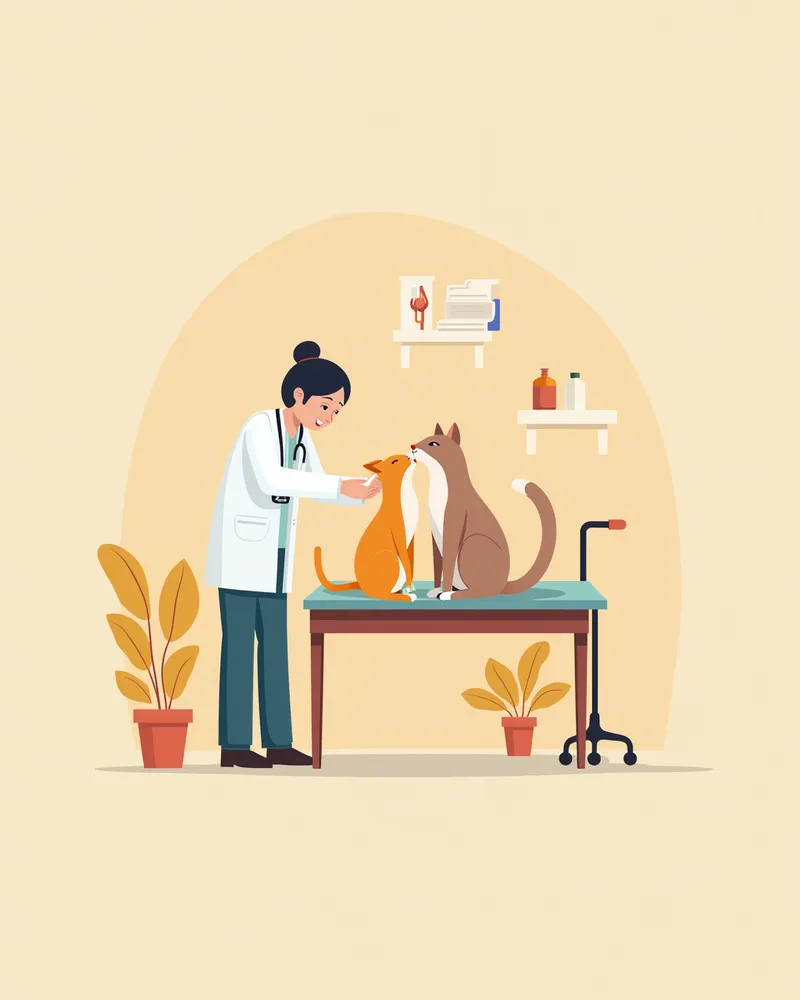
Home Management Essentials

Preventing Recurrence and Long-Term Management
Eosinophilic granulomas tend to recur frequently if the underlying allergic trigger isn’t resolved. Since allergies and genetic factors may play a role together, lifelong management may be necessary when it’s difficult to completely eliminate the cause. It’s important not to stop steroid medications without your veterinarian’s guidance and to contact your clinic promptly if you notice any signs of recurrence.
Reviewed by a veterinarian

Dr. Tony — Punnawat Phongkittirak
VeterinarianA veterinarian who majored in veterinary medicine at Khon Kaen University, Thailand, and completed the IVSA program at North Carolina State University in the United States. Drawing on clinical experience at animal hospitals, he works in the pet healthcare field and is dedicated to building a digital care environment that connects pet parents with veterinarians.
Reviewed 2026-06-01
Frequently Asked Questions
Can eosinophilic granulomas be transmitted to humans?
Do I need to keep giving my pet steroids?
Is the lesion on my cat's lip cancer?
How is a food allergy test performed?
The lesion has healed—can I stop the medication?
Share
Related Guides

Top 5 Medicated Dog Shampoos — For Pyoderma and Bacterial Infections

Veterinarian-Recommended Top 5 Medicated Shampoos for Canine Yeast Dermatitis — Relieves Itching and Greasiness

Top 5 Medicated Cat Shampoos Recommended by Veterinarians — Fungal Dermatitis and Fungal Care
Worried About Your Cat’s Dehydration? Causes of Kidney Damage and When to Visit the Vet

A Complete Guide to Feline Anemia and CKD (EPO Deficiency): Symptoms, Causes, Diagnosis, Treatment, and Management
If Your Dog Suddenly Collapses — Warning Signs of Ventricular Tachycardia and Emergency Response
If Your Dog Is Constantly Short of Breath or Collapsing — Causes and Warning Signs of Pulmonary Arterial Hypertension

If Your Dog Suddenly Loses Energy — Causes of Myocarditis and When to Visit the Vet

If Grain-Free Dog Food Is Dangerous for Your Dog’s Heart — The Causes and Truth Behind the DCM Controversy

Furosemide for Our Dogs: Effects, Side Effects, and When to Visit the Vet
References
[1] Miller WH Jr, Griffin CE, Campbell KL. Muller and Kirk's Small Animal Dermatology, 7th Edition. Elsevier, 2013.
[2] Gross TL, Ihrke PJ, Walder EJ, Affolter VK. Skin Diseases of the Dog and Cat: Clinical and Histopathologic Diagnosis, 2nd Edition. Blackwell Publishing, 2005.
[3] Little SE (Ed.). The Cat: Clinical Medicine and Management, 2nd Edition. Elsevier, 2022.
[4] Favrot C, Steffan J, Seewald W, et al. Establishment of diagnostic criteria for feline nonflea-induced hypersensitivity dermatitis. Vet Dermatol. 2012;23(1):45-e11.