Like
Share
멍실장
강아지 역재채기 증상과 원인, 진단·치료와 관리 포인트 총정리

Reverse Sneezing in Dogs: Symptoms, Causes, Diagnosis, Treatment, and Management Essentials

RespiratoryDiseasesMeongsiljang Veterinary Advisory Board

Reverse sneezing in dogs is a temporary condition caused by airway irritation or stress, leading to sudden contractions of the airways. While it’s usually harmless, frequent episodes warrant a veterinary check-up.

Reverse Sneezing in Dogs is a Temporary Reflex Triggered by Airway Irritation or Stress
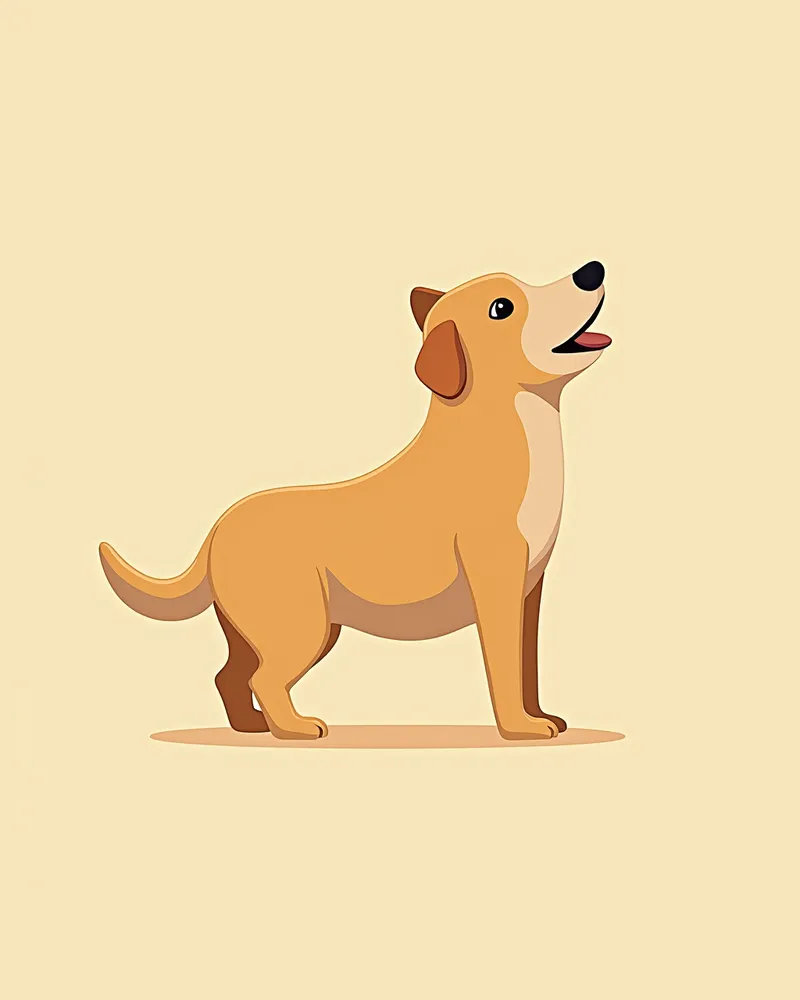
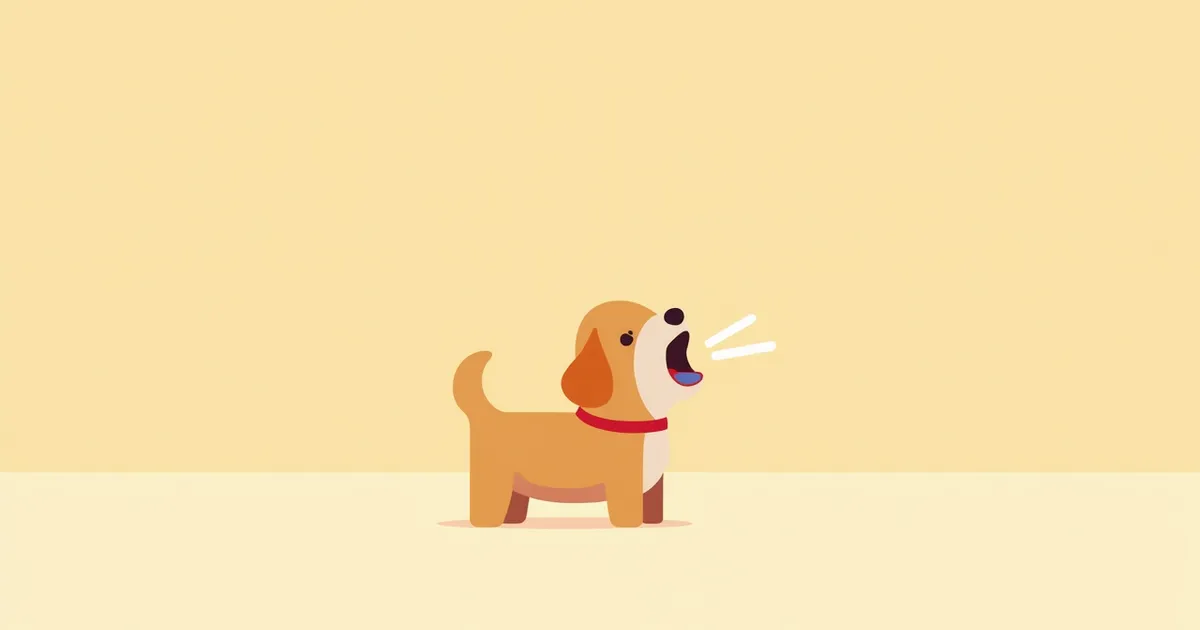
A puppy experiencing reverse sneezing
Reverse sneezing in dogs is a temporary reflex in which they forcefully inhale air through their nose while the glottis is closed, and it can occur in repetitive, seizure-like episodes. - Airborne irritants: Fine particles such as dust and pollen, as well as allergens, can irritate the nasal passages and trigger reverse sneezing. - Airway lesions: Foreign bodies in the nasal cavity (such as grass awns), polyps, chronic rhinitis, and tumors located in the posterior nasal area are prone to manifesting as reverse sneezing. - Breed predisposition: Brachycephalic breeds with elongated soft palates, such as Cavalier King Charles Spaniels, are more susceptible to reverse sneezing due to their anatomical structure. While most episodes are brief and the dog behaves normally between them, an increase in frequency may indicate an underlying condition. Therefore, it is important to consult a veterinarian if the symptoms recur.

Main Causes Include Irritants, Stress, and Genetic Predisposition
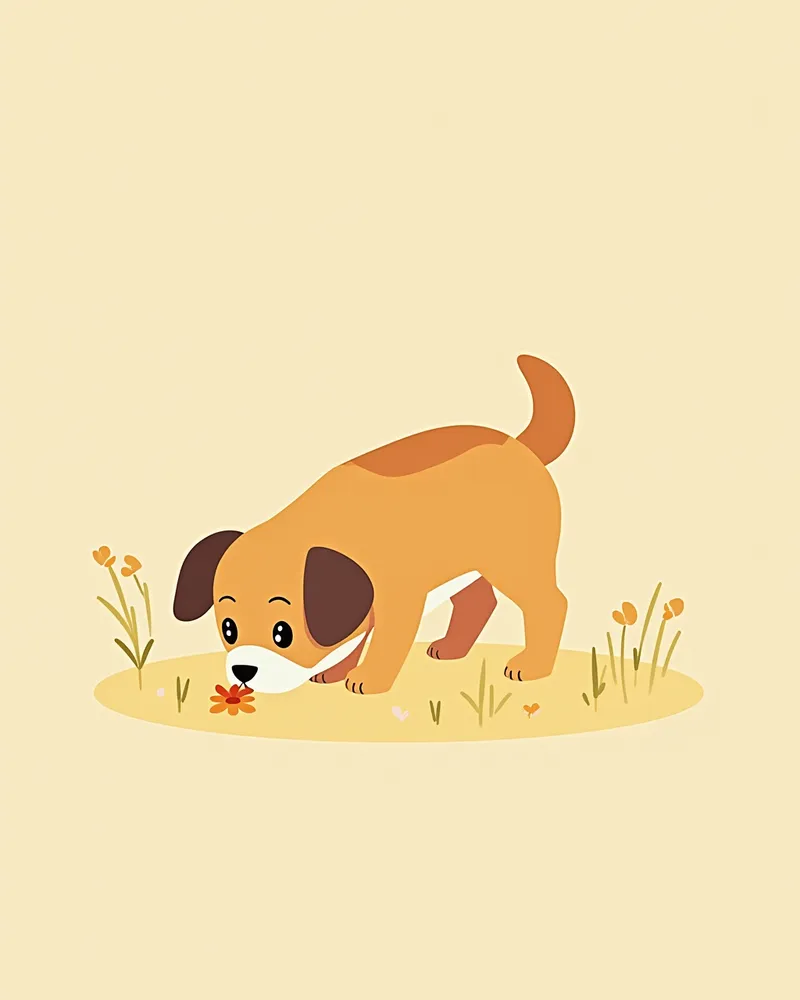
The main causes of reverse sneezing in dogs are microscopic particles that irritate the nasal cavity or lesions in the airways behind the nose. - Exposure to irritants: Microscopic particles such as dust and pollen, or allergens, can irritate the nasal cavity and trigger spasms. - Foreign bodies and lesions: Foreign objects like grass awns, nasal polyps, chronic rhinitis, and tumors can all cause reverse sneezing. - Parasitic factors: Nasal parasites, including nasal mites and Capillaria boehmi, can also be a cause. - Breed predisposition: Brachycephalic breeds with elongated soft palates and Cavalier King Charles Spaniels may have a higher risk of reverse sneezing due to their anatomical structure. Veterinarians determine the underlying cause by comprehensively evaluating the frequency and context of the symptoms.
A small dog sniffing flowers

Check for Key Symptoms and Signs

Reverse sneezing in dogs starts suddenly, with the dog stretching its neck out and splaying its elbows while making loud, labored inhalations through the nose. Episodes are usually brief, and the dog returns to normal between them. However, if the reverse sneezing persists or is accompanied by other symptoms, a veterinary visit is necessary.
Frequent reverse sneezing: If episodes occur often, an underlying condition may be suspected.
Difficulty breathing: If your dog is panting heavily or its gums and tongue turn blue, seek immediate veterinary care.
Coughing and discharge: If accompanied by coughing, fever, or nasal discharge, an infection may be present.
Decreased activity: Reduced movement or lethargy compared to usual behavior is a warning sign.
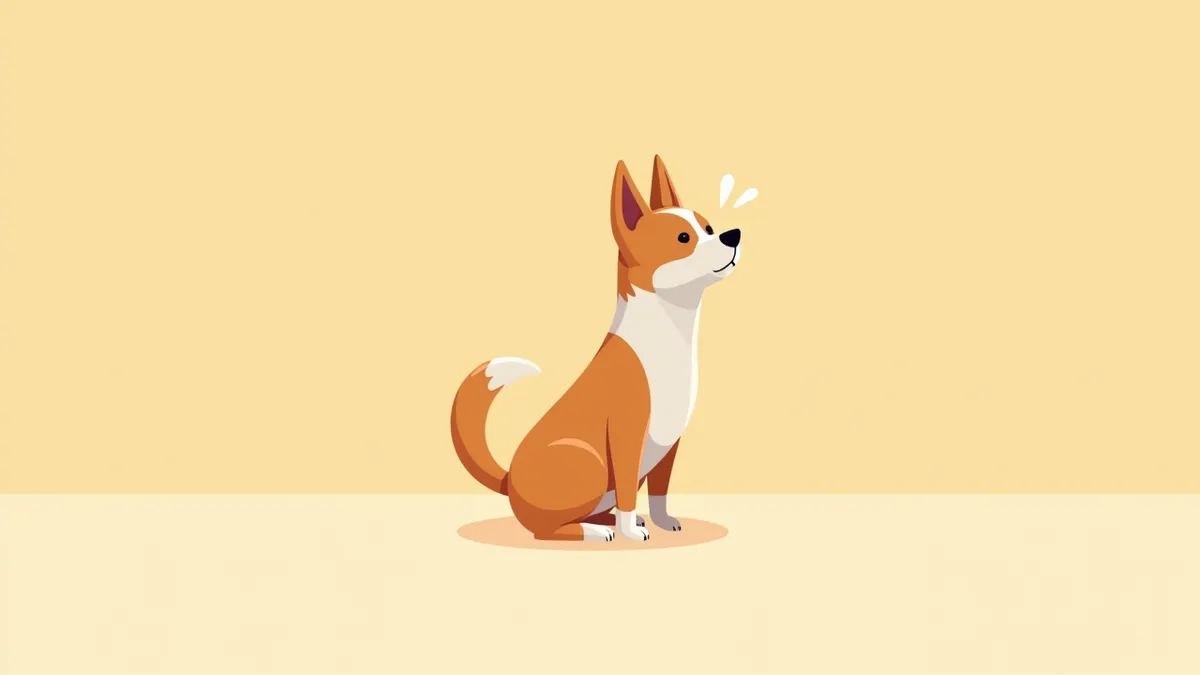
A dog in the middle of a reverse sneeze

Diagnosis is Based on Medical History and Physical Examination

Diagnosing reverse sneezing in dogs begins with your veterinarian taking a detailed medical history. - Frequency and context of episodes: It’s important to record when the episodes occur, under what environmental conditions, and how often they happen. - Physical examination: The vet will listen to the lungs and airways with a stethoscope to check for any abnormalities. - Imaging tests: A chest X-ray may be used to identify any structural issues in the airways or lungs. - Advanced diagnostics: If symptoms are recurrent or severe, further tests such as airway endoscopy or blood work may be recommended. Environmental factors and behavioral patterns are also evaluated to ensure an accurate diagnosis.

Diagnosis is Based on Medical History and Physical Examination
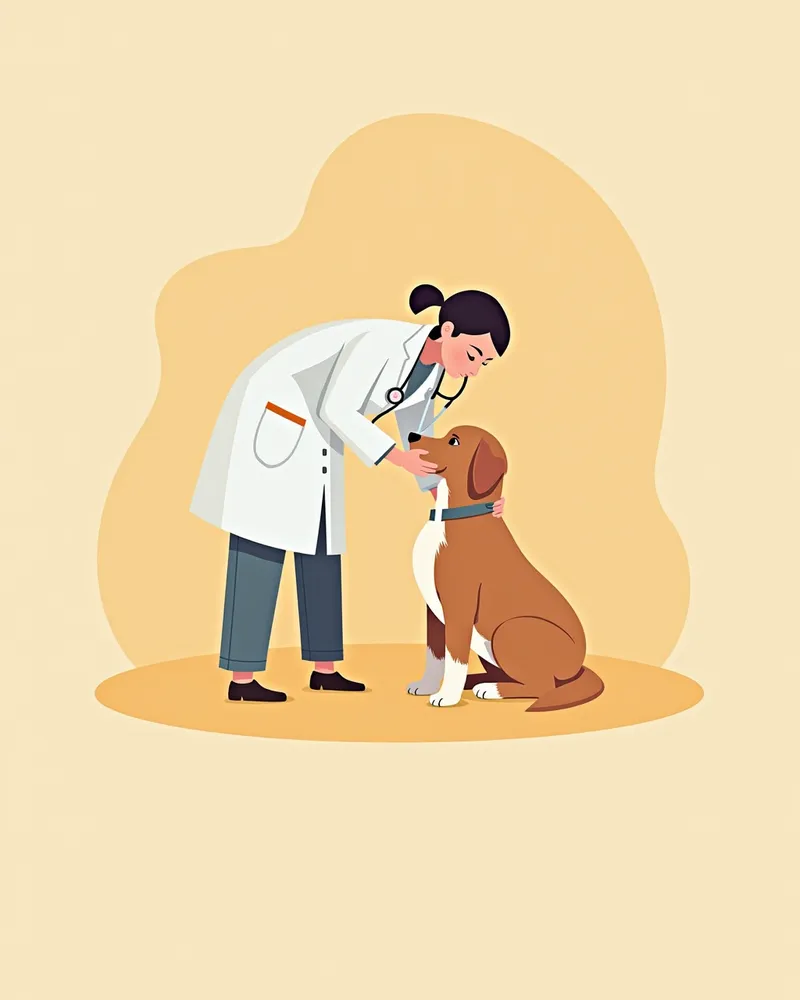
Diagnosing reverse sneezing in dogs begins with your veterinarian taking a detailed medical history. - Frequency and context of episodes: It is important to record when the episodes occur, under what environmental conditions, and how often they happen. - Physical examination: The veterinarian listens to the lungs and airways with a stethoscope to check for any abnormalities. - Chest X-rays: These are taken to check for any issues in the airways or lungs. - Blood tests: These can help evaluate for inflammation or allergic reactions. - Airway endoscopy: If symptoms are recurrent or severe, this procedure may be considered to directly observe the condition inside the airways. All of these tests help accurately identify the cause of the reverse sneezing.
A veterinarian examining a puppy's lungs

Treatment Focuses on Eliminating the Underlying Cause and Alleviating Symptoms

The top priority in treating reverse sneezing is to identify and eliminate the underlying cause. - Environmental management: Minimize exposure to nasal irritants such as dust, pollen, and other stimulating particles. - Treatment of lesions: If underlying issues like nasal polyps, foreign bodies, chronic rhinitis, or tumors are identified, appropriate removal or treatment should be considered. - Parasite treatment: If nasal mites are the cause, dewormers such as selamectin should be used under veterinary prescription. - Monitoring: Since reverse sneezing is a normal defensive reflex, it does not necessarily need to be suppressed unless it is excessive or interferes with daily life. - If infection is suspected: Medications should only be used under veterinary guidance. Consistent care helps maintain your pet’s overall health and well-being.
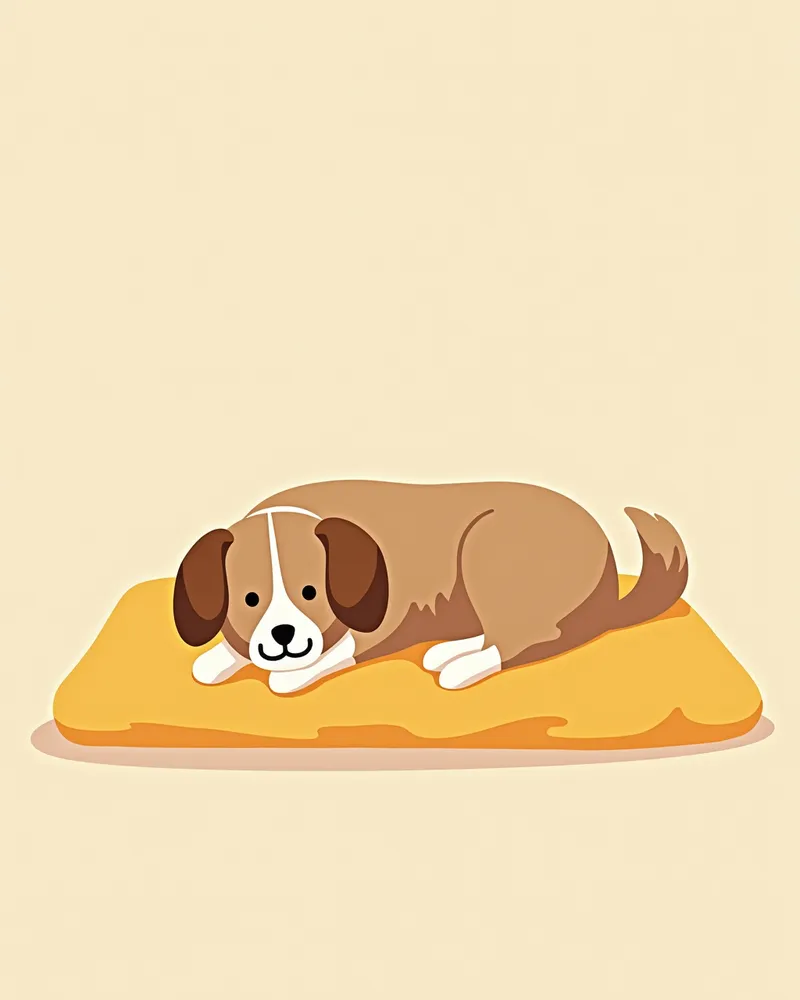
A puppy resting comfortably in a quiet environment.

Management Tips You Can Do at Home

To help prevent reverse sneezing in dogs, keep their environment clean and avoid exposing them to perfumes or cigarette smoke. When walking, steer clear of dusty paths, and allow plenty of rest after exercise. If your dog is stressed, provide a calm, comfortable space and maintain a consistent daily routine.
Use an air purifier: Keep indoor air clean.
Adjust walk times: Walk during off-peak hours.
Reduce stress: Offer a calm environment and engaging play.
Dietary management: Avoid foods that may trigger allergies.
A puppy resting comfortably next to an air purifier.

Small Breeds Are at Higher Risk for Reverse Sneezing

Brachycephalic breeds with elongated soft palates, and Cavalier King Charles Spaniels are at higher risk for reverse sneezing due to their nasal and pharyngeal anatomy. Particular caution is needed when they are exposed to irritants or environmental changes, as these can easily trigger airway irritation. Conversely, dolichocephalic breeds with long muzzles may be more susceptible to nasal conditions such as fungal rhinitis (Aspergillus), so it’s important to monitor for those issues as well.

Reviewed by a veterinarian

Dr. Tony — Punnawat Phongkittirak

Dr. Tony — Punnawat Phongkittirak

Veterinarian

A veterinarian who majored in veterinary medicine at Khon Kaen University, Thailand, and completed the IVSA program at North Carolina State University in the United States. Drawing on clinical experience at animal hospitals, he works in the pet healthcare field and is dedicated to building a digital care environment that connects pet parents with veterinarians.

Frequently Asked Questions

Is reverse sneezing in dogs dangerous?
Most episodes are temporary and harmless, with your pet returning to normal between them. However, if they occur frequently or are accompanied by difficulty breathing, a veterinary visit is necessary.
How do reverse sneezing and coughing differ?
Reverse sneezing is a sound caused by forcefully inhaling air through the nose while the glottis is closed. In contrast, coughing is the sound of air being suddenly expelled from the lungs. Repeated coughing may indicate inflammation in the airways.
How can I handle this at home?
Moving your dog to a quiet place and helping them calm down usually allows the episode to subside on its own. However, if seizures occur frequently or last for an extended period, it is advisable to consult with a veterinarian.
Should I give my pet medication?
A veterinarian will prescribe medication only after confirming the cause and determining it is necessary. Pet owners should never administer medication on their own.
What should I do if my pet keeps having reverse sneezing episodes?
If seizures occur frequently or are accompanied by other symptoms, consult your veterinarian, as there may be an underlying condition.

Share

Related Guides

References

[1] Plumb's Veterinary Drug Handbook, 9th Edition, 2022

[2] The Cat, Clinical Medicine and Management, 2nd Edition, 2020

[3] American Veterinary Medical Association (AVMA) Guidelines on Canine Respiratory Health, 2021

This information is based on veterinary literature and does not replace diagnosis or treatment. Please consult a veterinarian for specific health concerns.

Metapet Co., Ltd. | CEO: Park Sung-yong | Business Reg. No. 417-88-02562 | Seoul, South Korea | Customer Center

Reverse Sneezing in Dogs: Causes, Diagnosis & Vet Tips | Meongsiljang