Like
Share
멍실장
고양이 요로결석 예방 식이 증상과 원인, 진단·치료와 관리 포인트 총정리

Feline Urinary Tract Stones: A Complete Guide to Prevention, Diet, Symptoms, Causes, Diagnosis, Treatment, and Management

UrinaryDiseasesMeongsiljang Veterinary Advisory Board

Feline urinary tract stones are a condition where stones form in the urinary tract, and dietary management is key to prevention and care. Early detection and tailored management are essential.

What Are Feline Urinary Tract Stones?
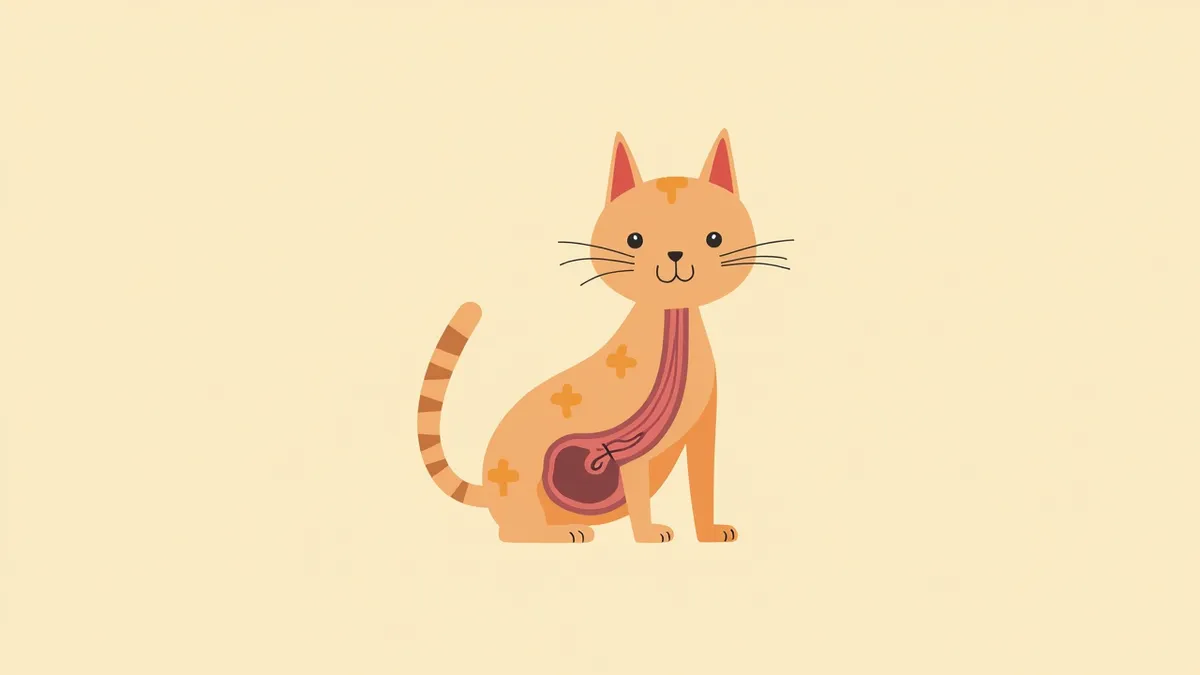
An anatomical illustration showing the location of urinary tract stones in cats
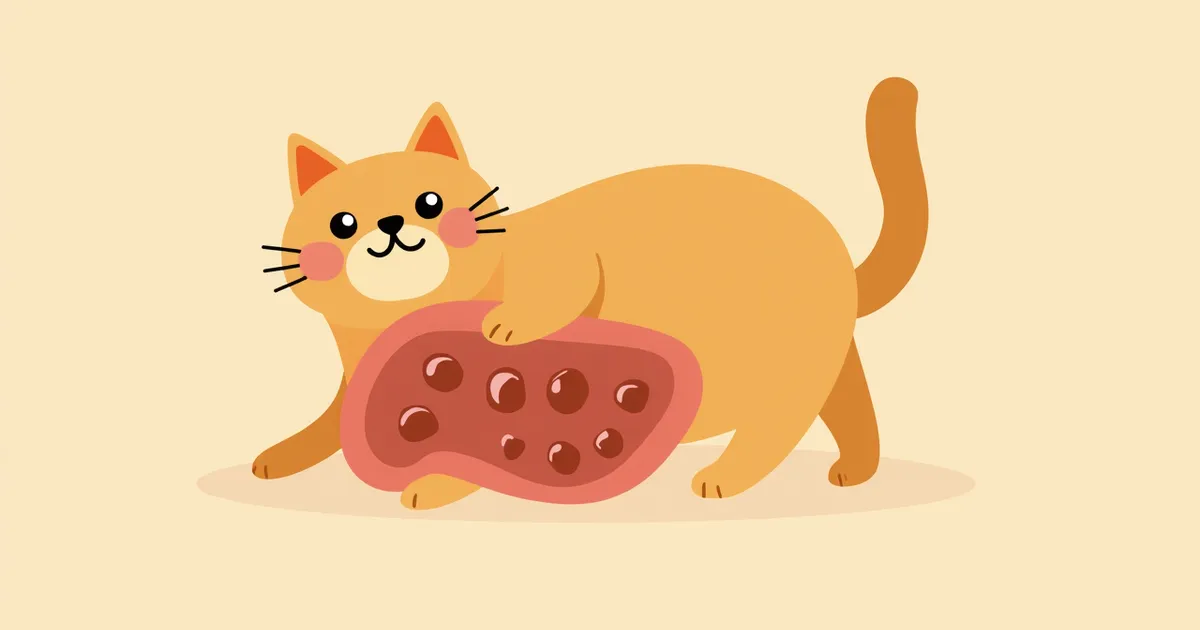
Feline urinary tract stones are stone-like masses formed when mineral components concentrate and crystallize within the urinary tract, such as the bladder or ureters, causing pain and urination difficulties. - Main causes of urinary tract stones: A combination of factors including insufficient water intake, dietary imbalance, and stress contributes to stone formation. The most common types of stones in cats are struvite and calcium oxalate (calcium oxalate) stones, which tend to form in concentrated urine and under specific dietary conditions, making dietary management essential. - Treatment varies depending on the type of stone: Struvite stones can be dissolved with a dissolution diet that is low in magnesium, phosphorus, and protein, and acidifies the urine (pH 5.5–6.5). In contrast, calcium oxalate stones cannot be dissolved through diet, so the focus is on preventing recurrence with an alkalinizing diet. Early detection and accurate diagnosis are crucial for quality of life, so careful observation by pet owners is important. This condition can be life-threatening, potentially leading to complications like urethral obstruction, so immediate action is necessary.

What Are the Main Causes of Urinary Tract Stones?
The main causes of feline urinary tract stones include insufficient water intake, dietary imbalances, and stress. While urinary tract infections are not a direct cause of stone formation, they may be associated with the development of struvite stones, in particular. Additionally, long-term consumption of a diet high in protein, calcium, and magnesium can promote stone formation. Stress-induced suppression of urination is also an important risk factor. All of these factors can interact in a complex manner.
A cat showing signs of pain while urinating

Check for Main Symptoms and Signs

The main symptoms of feline urinary tract stones include pain during urination, frequent urination, hematuria, refusal to urinate, and changes in defecation habits. - Signs of pain during urination: Your cat may stay in the litter box for a long time, cry out in distress, or struggle to pass urine with little output. - Importance of hematuria: You may notice a reddish tint in the urine or visible blood mixed in. - Behavioral changes: Trembling hind legs, muscle tension, decreased appetite, and lethargy can all be signs of pain. Male cats are especially at risk because their urethra is longer and narrower, making blockages more likely. If a blockage occurs, it can quickly become a life-threatening emergency, so immediate veterinary care is essential. These symptoms are often mistaken for stress or constipation, so it’s important for pet owners to observe carefully and consult with a veterinarian promptly.
A cat trembling in its hind legs due to painful urination

Signs Requiring Immediate Veterinary Visit

If your cat tries to urinate but nothing comes out, or shows severe pain while attempting to urinate, you should take them to the vet immediately. Male cats are especially at risk because their urethra is long and narrow, making it prone to blockages. A blocked urethra can become life-threatening within a short period, so it should be treated as an emergency. This condition is known as urethral obstruction (urinary tract obstruction), and may require catheterization or, in some cases, surgical intervention. Pet owners should carefully monitor for these signs and not overlook them.

Diagnostic Tests for Accurate Diagnosis
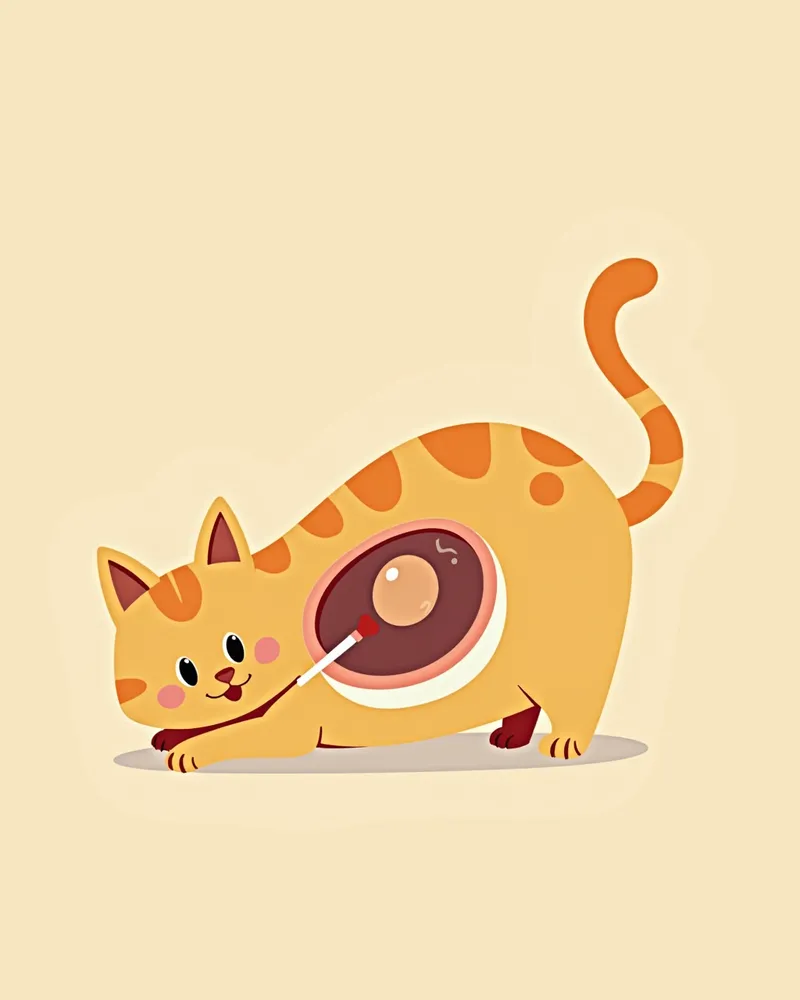
Diagnosing feline urinary tract stones involves ultrasound, radiography, urinalysis, and other tests. Ultrasound, in particular, allows for relatively accurate assessment of the size and location of the stones. Urinalysis helps identify the presence of crystals, urine pH, and white blood cell counts. Since some stones, such as uric acid and cystine stones, are not clearly visible on X-rays, it is important to combine multiple diagnostic methods, including ultrasound, even when radiographs do not show obvious stones. Without an accurate diagnosis, appropriate treatment cannot be effectively administered.
A veterinarian performing an abdominal ultrasound on a cat

Treatment Methods and Step-by-Step Approach
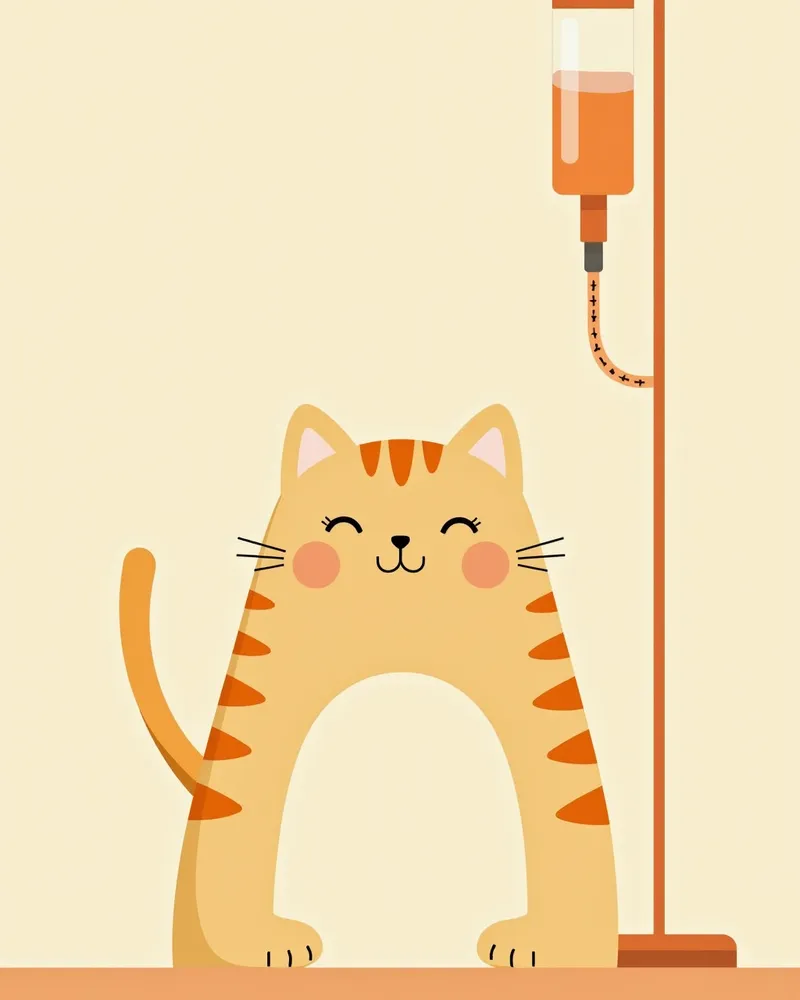
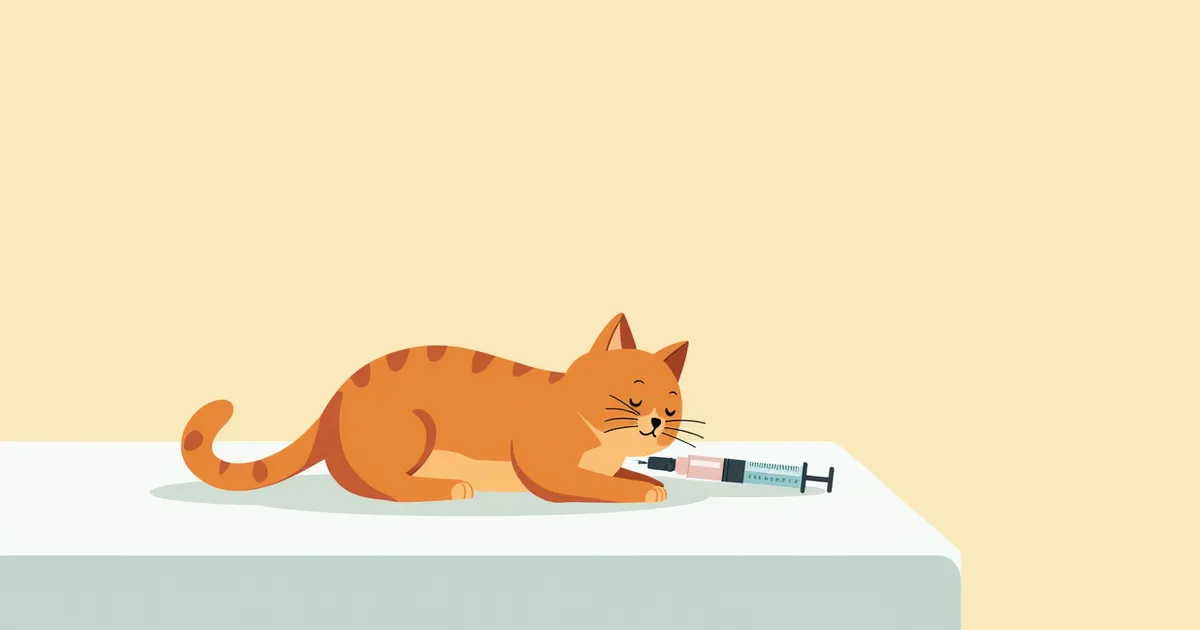
Treatment for feline urinary tract stones varies depending on the type, size, and location of the stones. - For small stones: It is possible to manage them by regulating urine pH through a specialized diet, encouraging the stones to dissolve and pass. - For large or obstructive stones: Surgical removal or endoscopic procedures are necessary. - Medication: Pain relievers, antibiotics, and urinary tract relaxants are used in conjunction with other treatments. - Fluid supplementation: Intravenous or oral fluids help prevent dehydration and dilute the urine. Ongoing management is essential after treatment, requiring regular check-ups and dietary adjustments under veterinary guidance. This process is key to maintaining long-term health, going beyond short-term treatment.
A cat receiving an intravenous injection from a veterinarian.

Home Management and Prevention Points
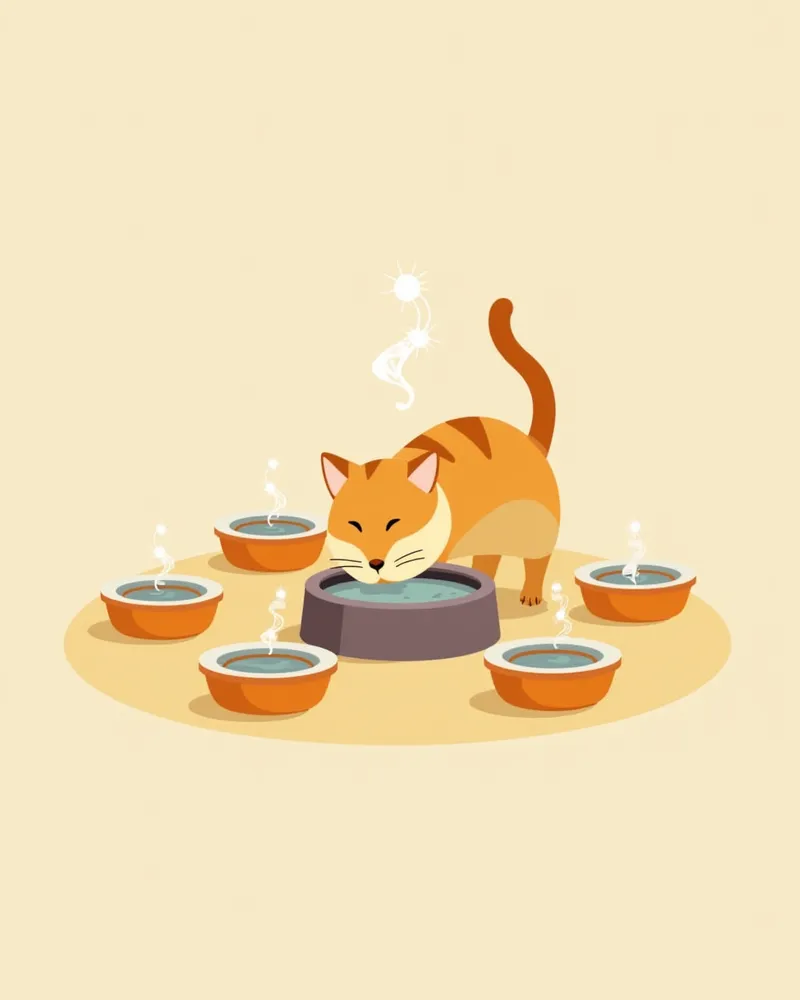
Effective home management of feline urinary stones hinges on three pillars: increasing water intake, maintaining a specialized diet, and managing stress. - Ensure adequate hydration: Place multiple water bowls around the home and ensure the water is always fresh and clean. Flowing water, such as from a pet fountain or a dripping tap, can be particularly appealing to cats. Wet (canned) food also helps boost daily fluid intake. - Adhere to a specialized diet: Consistently feed the prescription diet recommended by your veterinarian, formulated specifically for cats. - Stabilize the environment: Provide stable play areas, hiding spots, and feeding stations to minimize stress. Reducing conflicts with other pets in the household is also essential. - Regular check-ups: Schedule urine tests and imaging studies (radiographs and ultrasounds) every 4 to 6 months for early detection. This proactive approach is crucial for preventing recurrence and enhancing your cat’s quality of life.
A cat drinking water from a fountain

Certain Breeds Require Extra Caution

While it’s often said that certain breeds are more prone to urinary stones, the available veterinary evidence isn’t sufficient to definitively link specific breeds to a genetic predisposition. That said, male cats are at a relatively higher risk of urethral obstruction due to their longer, narrower urethra, and calcium oxalate stones are fairly commonly reported in middle-aged and senior cats. Rather than focusing solely on breed, it’s best to consider factors like sex, age, and lifestyle, and work with your veterinarian to develop a personalized prevention and regular check-up plan.

Reviewed by a veterinarian

Dr. Tony — Punnawat Phongkittirak

Dr. Tony — Punnawat Phongkittirak

Veterinarian

A veterinarian who majored in veterinary medicine at Khon Kaen University, Thailand, and completed the IVSA program at North Carolina State University in the United States. Drawing on clinical experience at animal hospitals, he works in the pet healthcare field and is dedicated to building a digital care environment that connects pet parents with veterinarians.

Frequently Asked Questions

Can feline urinary tract stones be completely cured?
While the stones themselves can be removed, there is a risk of recurrence, so ongoing management is essential. A proper diet, adequate hydration, and regular check-ups are key.
Can I make a special diet at home?
Making special diets at home without veterinary guidance can lead to nutritional imbalances. It’s safest to use professional prescription products recommended by your veterinarian.
Does drinking only water prevent urinary stones?
While adequate water intake is crucial, it must be combined with dietary management to be truly effective. Encouraging hydration through specialized diets is more effective than simply increasing water consumption alone.
Do I always need surgery if my pet develops urinary stones?
It depends on the size and location of the stones. Small struvite stones can be dissolved with a prescription diet, and surgery is only necessary if there’s a blockage.
If your cat has had urinary tract stones, what should you watch out for next?
Regular urine tests, proper hydration, stress reduction, and a specialized diet are all important. Consistent care is necessary to prevent recurrence.

Comparison Table of Diets for Preventing Urinary Tract Stones

ItemProduct NameMain IngredientsSuitable Stone TypeRecommended Breeds
BEST 1: Cat Urinary Health Formula FoodContains struvite/uric acid–reducing ingredients, alkalinity regulationLow calcium, low magnesium, alkalinity regulationStruvite, uric acid stonesAll breeds, especially vulnerable breeds
BEST 2: Hydration-Enhanced Food for Water FountainsWater content of 80% or more, jelly typePromotes water intake, pH regulationPrevention of all types of stonesCats that do not drink water
BEST 3: Diet Combined with SupplementsGlucosamine, DHA, antioxidant ingredientsProtects the urinary mucosa, reduces inflammationFor preventing recurrenceSenior cats, cats with chronic disease

Choose after consulting your veterinarian. When changing the diet, transition gradually.

Share

Related Guides
References

[1] Clinical Medicine of the Dog and Cat, 4th Ed, Chapter 13: Nephrology/Urology, 2020

[2] Notes on Canine Internal Medicine, 4th Ed, 2019

[3] Fundamentals of Veterinary Clinical Pathology, 3rd Edition, 2021

This information is based on veterinary literature and does not replace diagnosis or treatment. Please consult a veterinarian for specific health concerns.

Metapet Co., Ltd. | CEO: Park Sung-yong | Business Reg. No. 417-88-02562 | Seoul, South Korea | Customer Center

Feline Urinary Stones: Prevention, Symptoms, Causes & Treatment | Meongsiljang