

Is it safe to give my dog Cushing’s medication? — Side effects and monitoring points for mitotane and trilostane
Metyrapone and trilostane are medications used to treat Cushing’s disease (hyperadrenocorticism) in dogs. Accurate diagnosis and regular monitoring are essential.
Mitotane and trilostane treatment for dogs is a key method for managing hyperadrenocorticism
Causes and pathogenesis of hyperadrenocorticism

Checklist of main symptoms and signs
Emergency signs requiring immediate veterinary visit
If your pet shows signs such as severe lethargy, loss of appetite, vomiting, diarrhea, or collapse that may indicate adrenal insufficiency (an adrenal crisis), seek veterinary care immediately. An overdose of mitotane or trilostane can cause permanent adrenal necrosis and dysfunction, which may be fatal.
Diagnostic tests for accurate diagnosis

Step-by-step management of mitotane and trilostane treatment
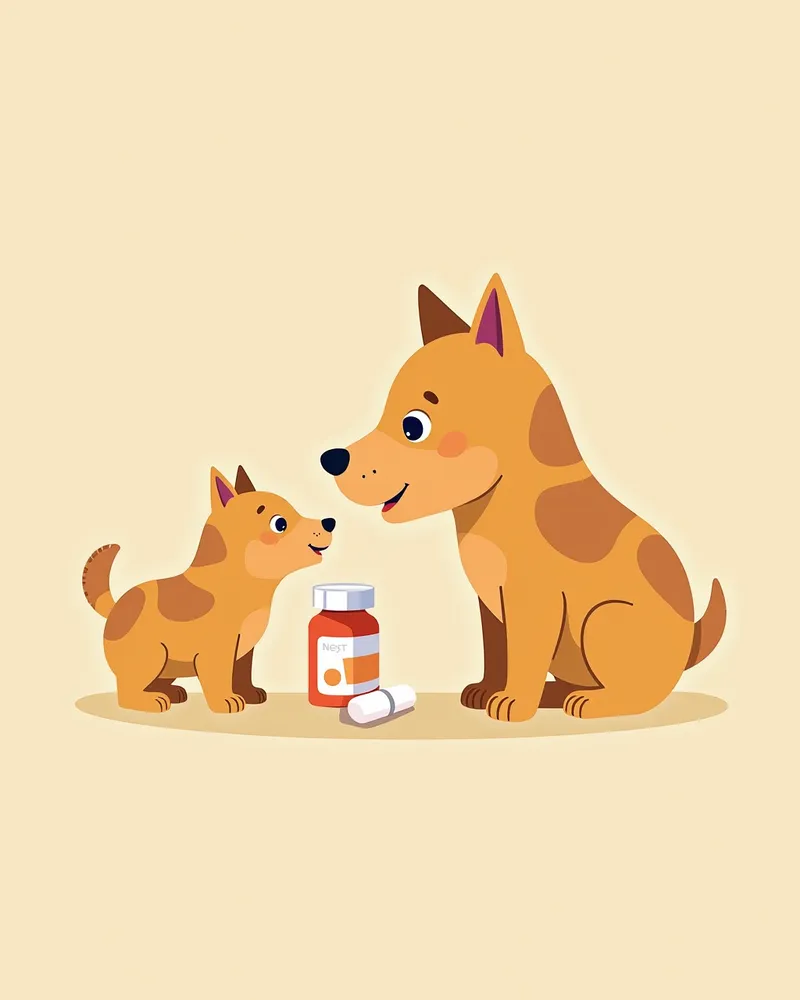
Home care and daily care points

Breed-specific precautions and tips for preventing recurrence
While hyperadrenocorticism is more commonly reported in certain breeds, it can occur in any breed, so it’s especially important to keep a close eye on older dogs. Even after treatment, regular check-ups, such as ACTH stimulation tests, are necessary to monitor for recurrence, and medications should never be stopped abruptly without consulting your veterinarian.
Reviewed by a veterinarian

Dr. Tony — Punnawat Phongkittirak
VeterinarianA veterinarian who majored in veterinary medicine at Khon Kaen University, Thailand, and completed the IVSA program at North Carolina State University in the United States. Drawing on clinical experience at animal hospitals, he works in the pet healthcare field and is dedicated to building a digital care environment that connects pet parents with veterinarians.
Reviewed 2026-06-01
Frequently asked questions
What are the differences between Mitotan and Trilostane?
Can I stop giving my pet medication during treatment?
What are the possible side effects after taking the medication?
How long does the treatment take?
How should regular check-ups be conducted after Mitotan treatment?
Comparison table of mitotane vs. trilostane treatment
| Item | Mitotane | Trilostane |
|---|---|---|
| Mechanism of action | Destruction of adrenal cortex cells (zona fasciculata and zona reticularis) | Inhibition of adrenal steroid synthesis (cortisol and aldosterone) |
| Frequency of side effects | High (risk of permanent adrenal necrosis and hypofunction with overdose) | Low (relatively safe, generally well tolerated) |
| Monitoring method | ACTH stimulation test, ALP, clinical signs | ACTH stimulation test, pre-pill cortisol, clinical signs |
| Need for regular testing | Every 3–6 months (for dose adjustment in the first year) | Regularly, based on clinical signs and ACTH stimulation test results |
| When appropriate | Can be used for both pituitary-dependent and adrenal-dependent cases | Preoperative preparation for adrenal tumors, inoperable adrenal tumors, long-term management |
The veterinarian selects the most appropriate drug based on the patient's condition.
Share
Related Guides

Top 5 Prescription Dog Foods for Diabetes Recommended by Veterinarians — Blood Sugar-Stabilizing Food Comparison
7 Key Products for Managing Feline Hypercalcemia Recommended by Veterinarians and Selection Criteria
7 Key Points for Canine Thyroid T4 Testing by Veterinarians — From Timing to Result Interpretation
Feline Ureteral Bypass Surgery (SUB): Symptoms, Causes, Diagnosis, Treatment, and Care Points Summary

Feline Pollakiuria and Stranguria: Symptoms, Causes, Diagnosis, Treatment, and Management Essentials

Feline Idiopathic Cystitis: Symptoms, Causes, Diagnosis, Treatment, and Management Essentials
Dog Chest X-ray Interpretation: Symptoms, Causes, Diagnosis, Treatment, and Care Points Summary
Canine Pneumothorax: Symptoms, Causes, Diagnosis, Treatment, and Management Essentials

Dog Nebulizer Therapy: Symptoms, Causes, Diagnosis, Treatment, and Care Essentials

Comprehensive Guide to Canine Fungal Respiratory Infections (Aspergillosis): Symptoms, Causes, Diagnosis, Treatment, and Management
References
[1] BSAVA. (2023). BSAVA Manual of Canine and Feline Dermatology, 4th Ed.
[2] Ettinger, S.J., Feldman, E.C., Côté, E. (2017). Textbook of Veterinary Internal Medicine, 8th ed. Elsevier.
[3] Feldman, E.C., Nelson, R.W., Reusch, C. (2015). Canine and Feline Endocrinology and Reproduction, 4th ed. Elsevier.