

If Your Dog Has Diabetes and Cloudy Eyes — Cataracts, Neuropathy Symptoms, and Management
Diabetes complications in dogs, such as neuropathy and cataracts, can occur when blood sugar levels are not properly controlled. Early detection and consistent management are essential.
What Are Canine Diabetes Complications?

What Are the Main Causes?
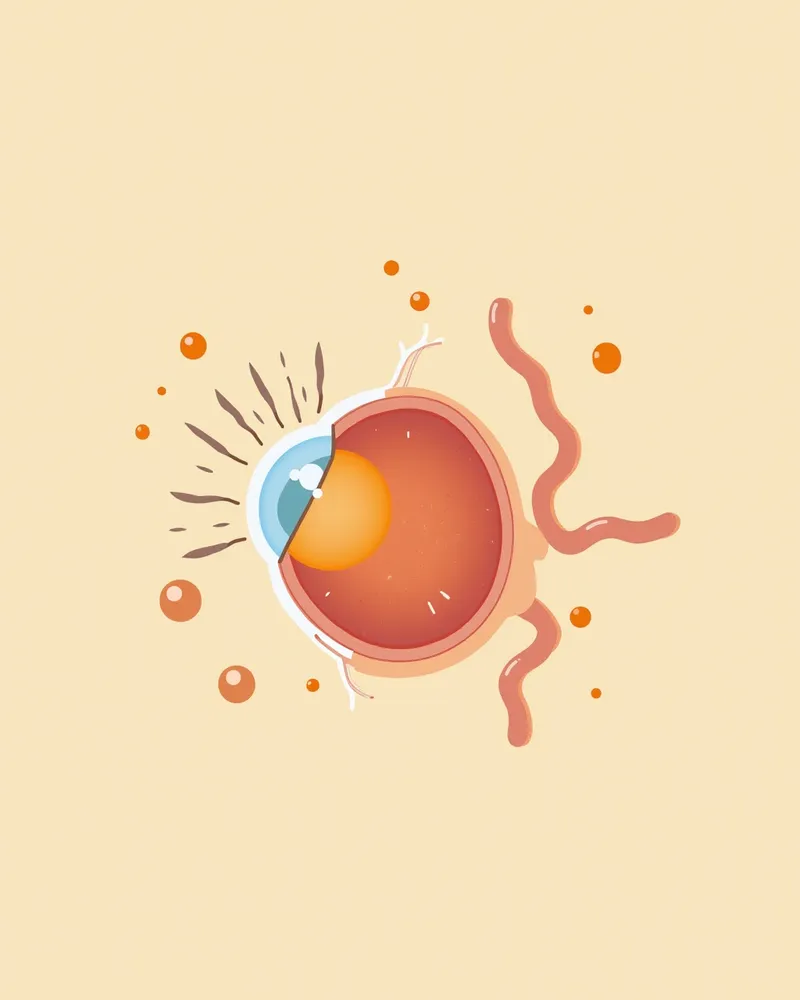
Main Symptoms and Signs

Signs Requiring Immediate Veterinary Visit
If your dog suddenly becomes extremely lethargic, or if their energy levels drop rapidly along with vomiting and loss of appetite, you should take them to the vet immediately. Uncontrolled diabetes can progress to life-threatening emergencies such as diabetic ketoacidosis (DKA). It is also safest to seek veterinary care promptly if you notice sudden weakness in the hind legs or a rapid decline in vision.
Accurate Diagnostic Methods

Treatment Methods and Step-by-Step Management
Home Care Points

Preventing Recurrence and Breed Precautions
Once a dog develops diabetes, it often requires lifelong management rather than a complete cure, and poor blood sugar control significantly increases the risk of complications. Therefore, regular check-ups and blood glucose monitoring are essential. Early detection, combined with consistent insulin and dietary management, helps maintain stable blood sugar levels and can slow the progression of complications.
Reviewed by a veterinarian

Dr. Tony — Punnawat Phongkittirak
VeterinarianA veterinarian who majored in veterinary medicine at Khon Kaen University, Thailand, and completed the IVSA program at North Carolina State University in the United States. Drawing on clinical experience at animal hospitals, he works in the pet healthcare field and is dedicated to building a digital care environment that connects pet parents with veterinarians.
Reviewed 2026-06-01
Frequently Asked Questions
Can a dog’s diabetes complications be cured?
When is the right time to perform cataract surgery?
Can neuropathy heal on its own?
How should I adjust my pet’s diet?
Does an insulin injection hurt?
Share
Related Guides

Top 5 Prescription Dog Foods for Diabetes Recommended by Veterinarians — Blood Sugar-Stabilizing Food Comparison

7 Key Products for Managing Feline Hypercalcemia Recommended by Veterinarians and Selection Criteria

7 Key Points for Canine Thyroid T4 Testing by Veterinarians — From Timing to Result Interpretation

Feline Pleural Effusion: Causes, Symptoms, Diagnosis, Treatment, and Care Points Summary

Feline Bronchoscopy: Symptoms, Causes, Diagnosis, Treatment, and Management Essentials

Feline Bronchiectasis: Symptoms, Causes, Diagnosis, Treatment, and Management Essentials

Dog Weight and Obesity Prevention and Management: Symptoms, Causes, Diagnosis, Treatment, and Key Management Points

Comprehensive Guide to Summer Heat Management, Heatstroke Prevention, Symptoms, Causes, Diagnosis, Treatment, and Care for Dogs

Dog Neutering Surgery: Pros and Cons, Symptoms and Causes, Diagnosis, Treatment, and Management Points Summary

Comprehensive Guide to Puppy Socialization Critical Period (3–14 Weeks): Symptoms, Causes, Diagnosis, Treatment, and Management
References
[1] Plumb's Veterinary Drug Handbook, 9th Edition, 2022
[2] Clinical Medicine of the Dog and Cat, 4th Edition, 2020
[3] Notes on Canine Internal Medicine, 4th Edition, 2019