
Like
Share
멍실장
고양이 간종양 초기 증상과 진단·치료, 예후와 관리 가이드

Early Symptoms, Diagnosis, Treatment, Prognosis, and Care Guide for Feline Liver Tumors

Oncology/CancerDiseasesMeongsiljang Veterinary Advisory Board

Feline liver tumors are often difficult to detect early due to a lack of noticeable symptoms in the initial stages. This article provides a comprehensive, evidence-based overview covering early warning signs, diagnostic methods, surgical and chemotherapy options, and home care strategies.

What Are Feline Liver Tumors? What Owners Need to Know First

A cat receiving an abdominal examination from a veterinarian
Feline liver tumors are neoplastic conditions in which abnormal cells proliferate within liver tissues, such as hepatocytes and bile ducts, forming masses. In cats, these tumors can range from benign types, like biliary cystadenomas, to malignant ones, such as hepatocellular carcinoma. The most critical point is that early symptoms are typically nonspecific. Slight decreases in appetite, weight, or activity levels are often mistaken for normal aging. Regular abdominal ultrasound screenings help detect liver lesions, and early detection is the key factor that most significantly influences prognosis.

Causes and Risk Factors of Feline Liver Tumors

The exact cause has not yet been fully determined. The risk factors and associated conditions mentioned in veterinary textbooks include the following:
Advanced age: Tumorous diseases, including liver tumors, are primarily reported in older cats.
Chronic liver disease: If your cat has chronic liver conditions such as cholangiohepatitis or hepatic lipidosis, it is advisable to monitor liver health more closely.
Exposure to toxic substances: Certain medications and chemicals can cause liver damage in cats, so caution is necessary with long-term exposure.
Feline leukemia virus (FeLV) infection: FeLV has been reported to be associated with certain tumors, such as lymphoma, and may also affect prognosis.

Checklist for Early Symptoms That Are Easy to Miss

If any of the following symptoms persist for more than a week, please seek veterinary care.
Loss of appetite: Your pet leaves food uneaten or refuses to eat.
Weight loss: Noticeable loss of body mass.
Vomiting and nausea: Frequent or repeated vomiting.
Abdominal distension: A visibly swollen or bloated belly.
Jaundice: Yellowing of the whites of the eyes, gums, or skin.
Lethargy: Sleeping more than usual or showing little interest in play.
Increased water intake: Drinking significantly more water than normal.
A cat lying listlessly on the sofa

Symptoms Requiring Immediate Visit to a 24-Hour Veterinary Clinic

If any of the following symptoms appear, take your pet to an emergency veterinary clinic immediately. • Sudden jaundice (yellowing of the whites of the eyes and gums) • Sudden collapse or inability to walk • Rapid abdominal distension • Complete refusal to eat for more than 24 hours • Rapid breathing or open-mouth breathing These symptoms may indicate a sudden worsening of liver function or the possibility of a tumor rupture.

Diagnostic Methods for Feline Liver Tumors — What Tests Are Needed?

Diagnosing liver tumors requires a combination of tests.
Blood tests: Evaluate liver enzymes such as ALT, AST, and bilirubin, along with the pet’s overall systemic health.
Abdominal ultrasound: The fastest initial test to visualize the mass’s location, size, and blood flow in real time.
CT scan: Provides a three-dimensional assessment of the tumor’s extent, potential metastasis, and surgical feasibility.
Fine-needle aspiration cytology: Cells are collected via a needle under ultrasound guidance to determine whether the mass is benign or malignant.
Tissue biopsy: The most accurate test for a definitive diagnosis.

Treatment Options — From Surgery to Palliative Care
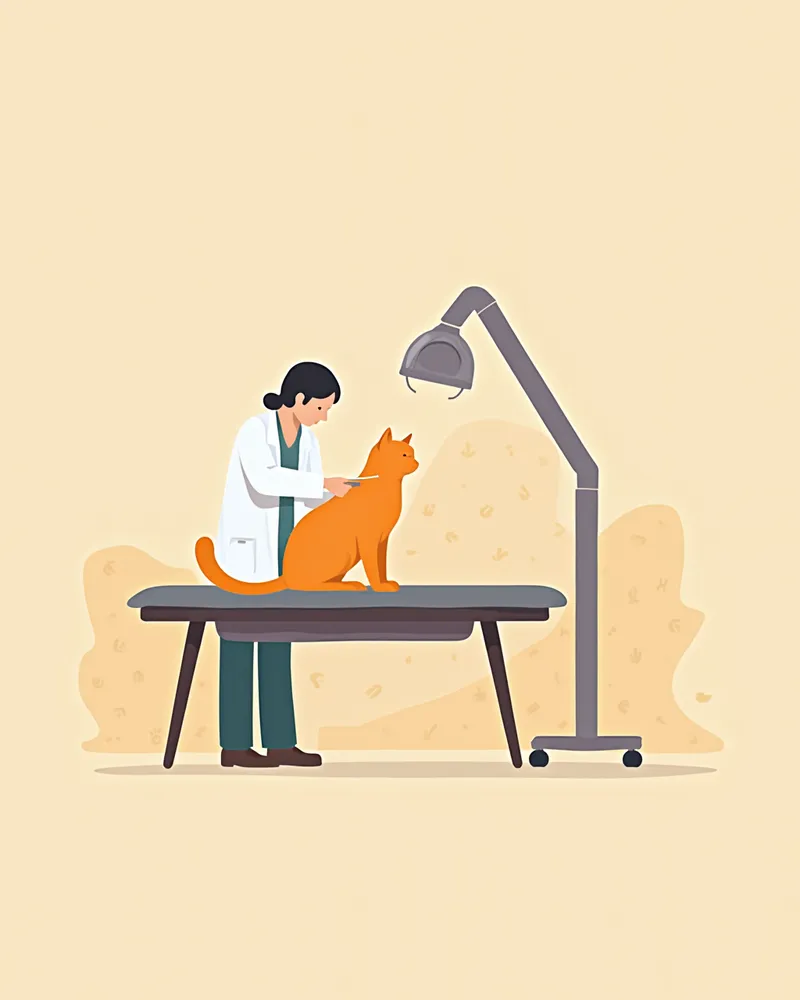
Treatment varies depending on the tumor type, stage of progression, and the cat’s overall health.
Surgery (surgical excision): If there is a single tumor and the cat is in good general condition, surgical removal is the most effective option. Because the feline liver is divided into multiple lobes, partial resection may be possible in some cases.
Chemotherapy (anti-cancer treatment): This is used for certain malignant tumors, such as cholangiocarcinoma and lymphoma.
Palliative care: When surgery is not feasible, pain management and fluid therapy help maintain quality of life.
Regular monitoring: Borderline tumors are tracked for size changes through periodic ultrasound examinations.
A cat undergoing an abdominal ultrasound examination

Home Care Strategies for Cats with Liver Tumors

Proper home care after treatment plays a significant role in recovery.
Dietary management: Consult with your veterinarian to select a prescription diet tailored to your pet’s liver function. In some cases, force-feeding may be necessary.
Minimize stress: Maintain a quiet and consistent environment, and keep the locations of the litter box and food/water bowls stable.
Encourage hydration: Place water bowls in multiple locations or use a flowing water fountain to encourage drinking.
Regular weight monitoring: Weigh your pet once or twice a week and record any weight loss.
Monitor appetite changes: If a decrease in appetite persists for more than three days, seek veterinary care immediately.
A cat eating and a water bowl

Important Precautions for Owners of Cats with Liver Tumors

Regular follow-up exams are essential: Even after surgery, you must check for recurrence or metastasis with ultrasounds and blood tests every 3 to 6 months. • Never use general over-the-counter pain relievers: Acetaminophen (the active ingredient in Tylenol) is fatal to cats. It is even more dangerous when liver function is already compromised. • Do not administer supplements without veterinary guidance: Giving liver supplements without a veterinarian’s prescription can actually place additional stress on the liver.

Reviewed by a veterinarian

Dr. Tony — Punnawat Phongkittirak

Dr. Tony — Punnawat Phongkittirak

Veterinarian

A veterinarian who majored in veterinary medicine at Khon Kaen University, Thailand, and completed the IVSA program at North Carolina State University in the United States. Drawing on clinical experience at animal hospitals, he works in the pet healthcare field and is dedicated to building a digital care environment that connects pet parents with veterinarians.

Frequently Asked Questions

Can feline liver tumors be cured?
The prognosis depends on the tumor type and how early it is detected. Single benign tumors, such as hepatocellular adenomas and biliary cystadenomas, can often be completely removed through surgery, leading to a favorable outlook. In contrast, malignant tumors like cholangiocarcinoma and malignant hepatocellular carcinoma carry a risk of recurrence or metastasis even after surgical removal. Early detection is the most critical factor in determining the prognosis.
At what age should cats begin screening for liver tumors?
As pets age, their risk of developing tumors, including liver tumors, increases. Therefore, it’s a good idea to consider regular abdominal ultrasound screenings once they enter their senior years. If your pet has a history of liver diseases such as cholangiohepatitis or hepatic lipidosis, it’s advisable to consult with your veterinarian about starting regular check-ups at an earlier stage.
Do cats with liver tumors require a special diet?
When liver function is impaired, a prescription diet designed to reduce metabolic burden can be helpful. However, the same diet isn’t suitable for all liver conditions. Always consult your veterinarian to develop an appropriate dietary plan.
Where does a liver tumor spread when it metastasizes?
Malignant liver tumors can spread to the lungs, lymph nodes, and peritoneum. Confirming the presence of metastasis through CT scans or chest X-rays is crucial for determining the treatment plan.
Are there cases where management without surgery is sufficient?
If the tumor is very small, growing slowly, and your cat’s overall health is poor, your veterinarian may recommend regular monitoring and palliative care instead. This decision should always be made in consultation with your vet.

Share

Related Guides

References

[1] Withrow SJ, Vail DM, Page RL. Hepatobiliary tumors. In: Withrow and MacEwen's Small Animal Clinical Oncology, 5th Ed. Saunders Elsevier; 2013. Chapter 22.

[2] Liptak JM, Dernell WS. Hepatic neoplasia. In: Veterinary Surgical Oncology, 2nd Ed. Wiley-Blackwell; 2022.

[3] Ettinger SJ, Feldman EC, Côté E. Hepatic neoplasia in cats. In: Textbook of Veterinary Internal Medicine, 8th Ed. Elsevier; 2017. Chapter 291.

This information is based on veterinary literature and does not replace diagnosis or treatment. Please consult a veterinarian for specific health concerns.

Metapet Co., Ltd. | CEO: Park Sung-yong | Business Reg. No. 417-88-02562 | Seoul, South Korea | Customer Center

Feline Liver Tumors: Early Signs, Diagnosis & Treatment | Meongsiljang