

Dog Liver Tumors: From Early Symptoms to Diagnosis, Treatment, and Prognosis
Liver tumors in dogs often show few early symptoms, leading to delayed diagnosis. We’ve compiled essential information for pet owners, covering diagnostic methods, surgical and chemotherapy treatments, and post-operative home care.
What Are Canine Liver Tumors?

Types and Causes of Liver Tumors
Checklist of Early Symptoms That Are Easy to Miss

Seek Emergency Veterinary Care Immediately If You See These Symptoms
If your pet’s abdomen suddenly swells severely or they show signs of extreme pain, there may be bleeding or rupture within a tumor. If their gums become pale, they appear weak or go into shock, if jaundice progresses rapidly, or if seizures or decreased consciousness occur, seek immediate care at a 24-hour emergency veterinary clinic.
How Is It Diagnosed?
Treatment Options — Vary by Tumor Type and Condition
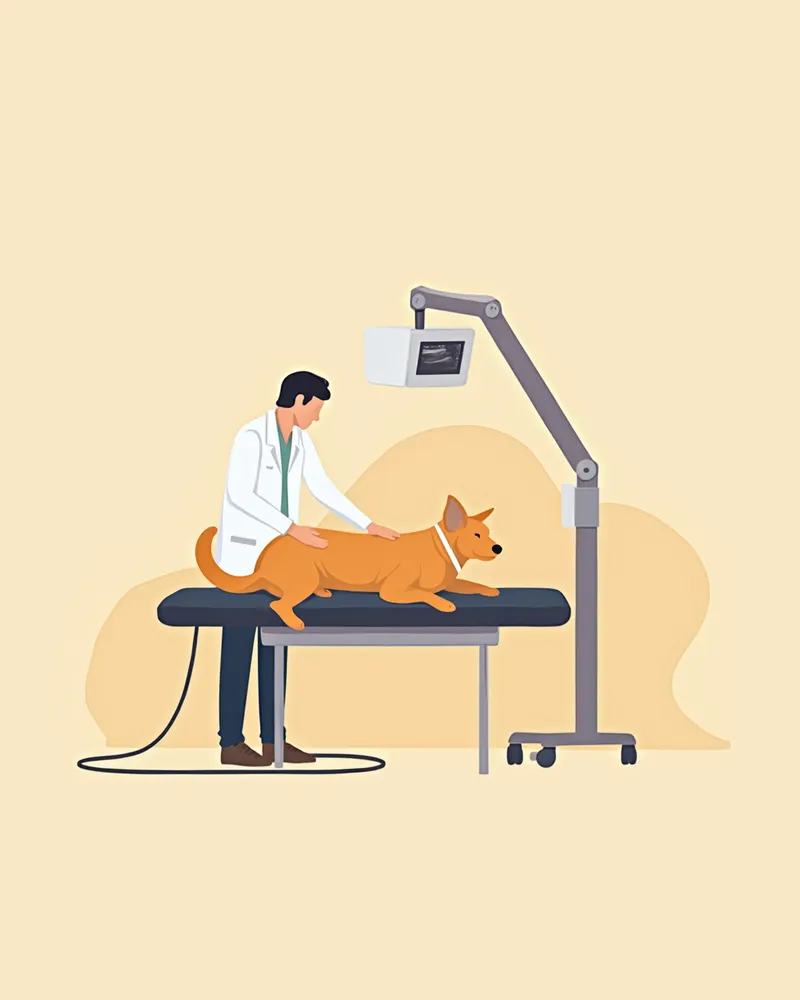
Home Care Points After Surgery and Treatment

Prognosis Varies Significantly by Tumor Type and Stage at Detection
When hepatocellular carcinoma is found as a solitary nodule and completely surgically removed, veterinary oncology textbooks report cases where dogs lived for several years without recurrence. In contrast, hemangiosarcoma and metastatic tumors often carry a poor prognosis. It is important to have a thorough discussion with your veterinarian about the tumor type, stage, and overall health status to determine the appropriate treatment plan.
Reviewed by a veterinarian

Dr. Tony — Punnawat Phongkittirak
VeterinarianA veterinarian who majored in veterinary medicine at Khon Kaen University, Thailand, and completed the IVSA program at North Carolina State University in the United States. Drawing on clinical experience at animal hospitals, he works in the pet healthcare field and is dedicated to building a digital care environment that connects pet parents with veterinarians.
Reviewed 2026-05-29
Frequently Asked Questions
Can a dog’s liver tumor be cured?
Is there anything I can do at home if I suspect my pet has a liver tumor?
Is surgery recommended for senior dogs as well?
Can liver tumors in dogs be transmitted to other dogs?
Can I give my pet supplements to support liver health?
Share
Related Guides

Comprehensive Guide to Recommended Hospice Care and Quality of Life Management for Cats with Tumors

7 Factors Determining Prognosis and Life Expectancy in Dogs with Tumors, According to Veterinarians

7 Key Management Points for Canine Transitional Cell Carcinoma (Bladder Cancer) Recommended by Veterinarians — From Symptoms to Care

Cat Hookworm Symptoms, Causes, Diagnosis, Treatment, and Management: A Complete Guide

Canine Oral Squamous Cell Carcinoma: Symptoms, Causes, Diagnosis, Treatment, and Management Essentials

Canine Oral Papillomas: Symptoms, Causes, Diagnosis, Treatment, and Management Essentials

Complete Guide to Canine Oral Fungal Infection: Symptoms, Causes, Diagnosis, Treatment, and Management

Dog Bad Breath (Halitosis): Symptoms, Causes, Diagnosis, Treatment, and Management Tips

Comprehensive Guide to Canine Dental Radiography: Symptoms, Causes, Diagnosis, Treatment, and Management

Dog Teeth Grinding (Bruxism): Symptoms, Causes, Diagnosis, Treatment, and Management Essentials
References
[1] Withrow, S.J., Vail, D.M., Page, R.L. (eds.), Withrow and MacEwen's Small Animal Clinical Oncology, 5th edition. St. Louis: W.B. Saunders, 2013.
[2] Liptak, J.M. and Forrest, L.J., Chapter 21: Soft Tissue Sarcomas. In Veterinary Surgical Oncology, 2nd edition.
[3] Iwai, S., Okano, S., Chikazawa, S., et al. Transcatheter arterial embolization for treatment of hepatocellular carcinoma in a cat. J Am Vet Med Assoc 247(11):1299–1302, 2015.
[4] Bellows, J., Colitz, C.M.H., Daristotole, L., et al. Defining healthy aging in older dogs and differentiating healthy aging from disease. Journal of the American Veterinary Medical Association 246:77–89, 2011.