
Feline Urine Specific Gravity Test: Symptoms, Causes, Diagnosis, Treatment, and Management Essentials
The feline urine specific gravity test is a key diagnostic tool for assessing kidney function and hydration status. Results outside the normal range may indicate kidney disease, diabetes, or dehydration.
What is a Feline Urine Specific Gravity Test?

Main Causes of Low Urine Specific Gravity Results
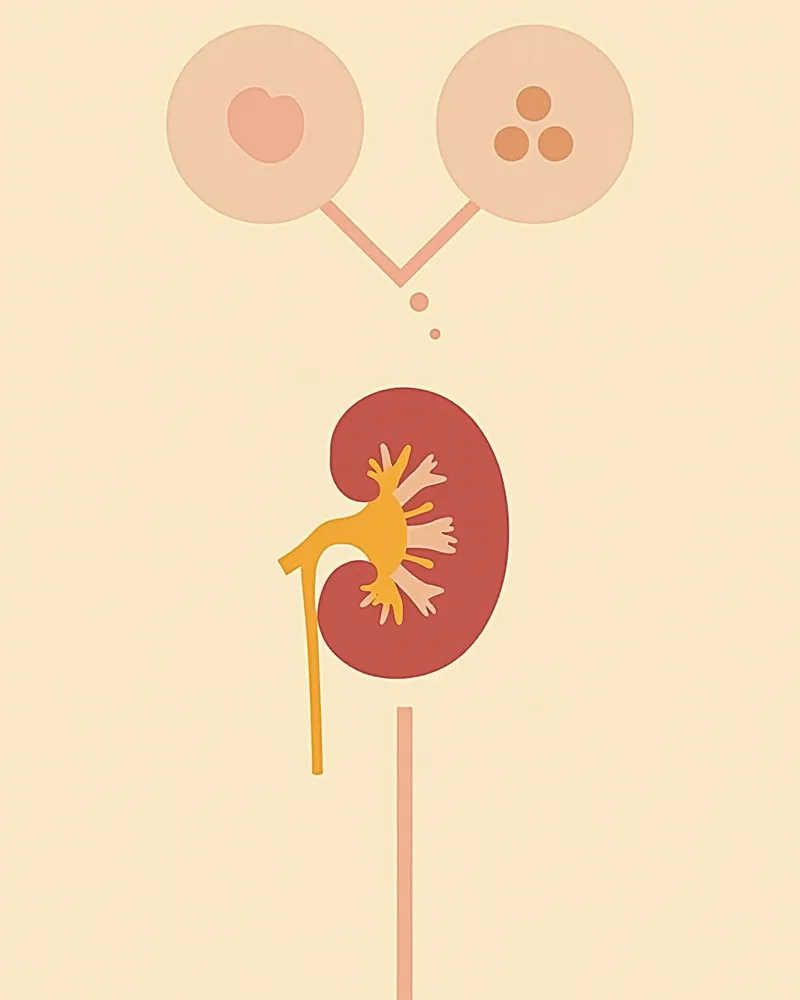
Key Symptoms Associated with Urine Specific Gravity Tests

Situations Requiring Immediate Veterinary Visit
If your cat’s urine specific gravity is 1.035 or lower, they’re drinking excessive amounts of water, their urination frequency has increased sharply, or they’ve completely lost their appetite, you should visit the vet immediately. These signs may indicate a sudden decline in kidney function or the progression of diabetes. Especially if your cat appears lethargic or is repeatedly vomiting, the situation can be life-threatening, so prompt veterinary care is essential.
Diagnostic Methods for Urine Specific Gravity Tests

Treatment Options for Abnormal Urine Specific Gravity Results

Home Management and Prevention Tips

Precautions for Senior Cats and Breed-Specific Considerations
As cats age, their kidneys may gradually lose the ability to concentrate urine, so they require more attentive monitoring. Although certain breeds are known to be more susceptible to kidney disease, it’s best to consult your veterinarian to assess the risk on an individual basis. Since cat urine is normally highly concentrated, a specific gravity reading of 1.035 or lower may indicate impaired concentrating ability, in which case regular check-ups with your veterinarian are recommended. Early detection plays a crucial role in effective management. It’s also important to keep a close eye on any changes in your cat’s eating habits or behavior.
Reviewed by a veterinarian

Dr. Tony — Punnawat Phongkittirak
VeterinarianA veterinarian who majored in veterinary medicine at Khon Kaen University, Thailand, and completed the IVSA program at North Carolina State University in the United States. Drawing on clinical experience at animal hospitals, he works in the pet healthcare field and is dedicated to building a digital care environment that connects pet parents with veterinarians.
Reviewed 2026-06-29
Frequently Asked Questions
Does a low urine specific gravity result always mean I need to visit the vet?
Can a pet have normal urine specific gravity even if it drinks a lot of water?
Should I have my pet’s urine specific gravity checked every year?
What problems could be indicated by a high urine specific gravity result?
Should I withhold food from my cat before a urine specific gravity test?
Comparison Table of Conditions by Urine Specific Gravity Results
| Item | Suspected Disease | Main Symptoms | Need for Further Testing |
|---|---|---|---|
| 1.000–1.034 | Decreased renal concentrating ability, excessive water intake (polydipsia), possible dilute urine | Increased water drinking, increased urination frequency, lethargy | Essential |
| 1.035–1.060 | Normal range | No particular symptoms or nonspecific symptoms | Not needed |
| 1.061–1.080 | Well-concentrated urine, possible dehydration (can also appear in healthy cats) | Thirst and lethargy when accompanied by dehydration; often asymptomatic | Recommended if symptoms are present |
Results require the veterinarian's comprehensive judgment. Diagnosis is not made from a single test.
Share
Related Guides

Top 5 Prescription Diets for Feline FLUTD — Comparison by Struvite and Calcium Oxalate Stones

Top 7 Prescription Diets for Feline Bladder and Urinary Tract Health Recommended by Veterinarians — Including Selection Criteria

Top 5 Cranberry Urinary Supplements for Dogs — Preventing Cystitis
How Fast Is My Dog’s Kidney Disease Progressing? — Monitoring CKD Progression and Management Points

My Puppy Has a Fever and Back Pain — From Pyelonephritis Symptoms to Treatment

Sudden Urine and Appetite Changes in Your Dog — Causes of Acute Kidney Injury and When to Seek Emergency Care

Complete Guide to Feline Renal Ultrasound — From Timing to Result Interpretation

When to Use Feline Kidney Supplements — Omega-3 Effects and Feeding Tips
If Your Cat’s Kidneys Are Silently Hardening — Mechanisms of Renal Fibrosis Progression and Management Points

Feline CKD IRIS Staging — Stage-by-Stage Management from Stage 1 to Stage 4
References
[1] Stockham, S.L. and Scott, M.A. (2008). Fundamentals of Veterinary Clinical Pathology, 2nd ed. Ames, Iowa: Blackwell Pub.
[2] The Cat, Clinical Medicine and Management, 2nd Edition. (2015). Elsevier Saunders.
[3] Feline Emergency and Critical Care Medicine, 2nd Ed. (2019). Wiley-Blackwell.