
Like
Share
멍실장
강아지 심장 질환 조기 선별 증상과 원인, 진단·치료와 관리 포인트 총정리

Early Screening Signs, Causes, Diagnosis, Treatment, and Management Points for Canine Heart Disease: A Comprehensive Guide

HeartDiseasesMeongsiljang Veterinary Advisory Board

Early detection is key to improving survival rates in dogs with heart disease. We’ve compiled the signs owners should watch for and methods for early screening.

Early Screening for Canine Heart Disease is Key to Improving Survival Rates
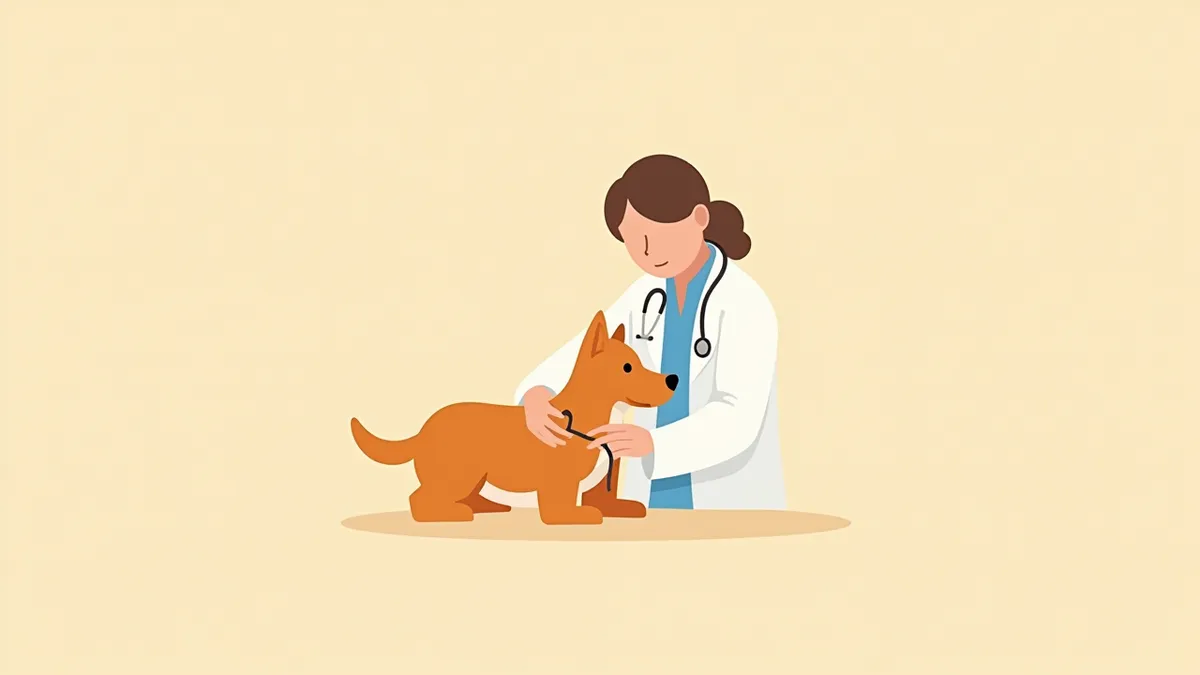
A veterinarian listening to a puppy’s heart with a stethoscope.
Early detection is crucial for improving treatment outcomes and survival rates in dogs with heart disease. Regular cardiac check-ups are especially important for senior dogs and breeds with a genetic predisposition. Identifying symptoms at an early stage can help slow disease progression through medication and lifestyle adjustments. - Regular Check-ups: It is recommended to have an echocardiogram at least once a year. - Monitor Coughing Patterns: Repeated coughing at night or after exercise may be an early warning sign. - Track Weight Changes: Sudden weight gain could indicate fluid retention. Early screening is the first step in saving lives.

The Main Causes of Heart Disease Vary by Genetics, Age, and Breed

The causes of heart disease in dogs are largely influenced by genetic predisposition, aging, and breed-specific vulnerabilities. Doberman Pinschers are particularly susceptible to hereditary dilated cardiomyopathy (DCM), while small breeds such as Cavalier King Charles Spaniels, Yorkshire Terriers, and Dachshunds are prone to myxomatous mitral valve disease (MMVD). In senior dogs, degenerative changes in the mitral valve are common and can progress to congestive heart failure if left unchecked. - Genetic factors: Familial and genetic predispositions have been reported in certain breeds. Although definitive genetic testing is not yet available, early screening can help assess risk. - Aging: The prevalence of mitral valve disease tends to increase with age. - Breed characteristics: Mitral valve disease most commonly affects small to medium-sized dogs weighing under 20 kg, whereas dilated cardiomyopathy is more prevalent in large and giant breeds. Early, breed-specific management is essential.
A medical illustration showing the structure of a dog's heart

Check for Key Symptoms and Warning Signs for Early Screening

To help catch heart disease in dogs early, watch for these warning signs:
Coughing: Especially a persistent cough that occurs at night or after exercise.
Decreased exercise tolerance: Your dog tires easily and isn’t as active or playful as before.
Difficulty breathing: Rapid breathing or panting with flared nostrils.
Increased fatigue: Lethargy, with little movement and spending most of the day resting.
Abdominal distension: A swollen belly, sometimes accompanied by shortness of breath.
If any of these symptoms persist, seek veterinary care immediately.
A puppy showing suspected symptoms of heart disease

Severe Breathing Difficulties or Shock Symptoms Require Immediate Veterinary Visit

If your dog is panting heavily, has blue gums or tongue (cyanosis), or suddenly collapses, it could be acute congestive heart failure or a life-threatening arrhythmia. Since fainting or sudden death has been reported, this is a life-threatening emergency that requires immediate veterinary care.

Diagnosis is Conducted via Echocardiography, Electrocardiogram, and Thoracic Radiography

Diagnosing heart disease in dogs centers on echocardiography (cardiac ultrasound). This test is essential for dogs suspected of having heart disease, as it allows for a precise evaluation of heart structure, function, and valve condition. - Echocardiography: This is the key test for real-time assessment of heart structure and function. - Electrocardiogram (ECG): This is necessary to identify the type of arrhythmia. Intermittent arrhythmias may also be detected using a 24-hour Holter monitor. - Thoracic Radiography (Chest X-ray): This is the standard test for detecting fluid accumulation, such as pulmonary edema or pleural effusion. However, its diagnostic value may be limited during the asymptomatic latent stage. - Blood Tests: Hematology, biochemistry, and electrolyte (sodium, potassium, calcium, phosphorus) assessments are used to evaluate overall systemic health. - Additional Tests: Blood pressure measurement may be performed when necessary, and multiple tests are often conducted together to ensure an accurate diagnosis.
A scene of a puppy undergoing an echocardiogram (heart ultrasound) examination.

Treatment Involves Medication, Lifestyle Management, and Surgery When Necessary

Treating heart disease involves a combination of medication and lifestyle management. - Diuretics: Help remove excess fluid from the body to relieve breathing difficulties. - Blood pressure medications: Reduce the workload on the heart. - Cardiotonic agents: Strengthen the heart's contractions to improve blood circulation. - Dietary management: A sodium-restricted diet helps prevent swelling. - Exercise management: Avoid strenuous activity; instead, limit exercise to short, gentle walks. - Surgical options: In cases of severe valve damage, heart valve surgery may be considered. Consistent, ongoing care is essential for effective treatment.
A scene of a puppy receiving medication for heart disease.

Home Management is Crucial for Maintaining Heart Health

Managing heart disease in dogs hinges on adjusting daily lifestyle habits.
Regular weight monitoring: Weight gain can signal fluid retention.
Exercise moderation: Excessive exercise increases the strain on the heart.
Dietary management: Reduce sodium intake and provide nutrients that support heart health.
Medication adherence: Ensure your dog takes medication at the prescribed times.
Regular check-ups: Schedule veterinary examinations every 3 to 6 months.
Puppies eating special food for heart health

Breeds with Genetic Predisposition, Such as Doberman Pinschers and Terriers, Require Caution

Doberman Pinschers, Cavalier King Charles Spaniels, Boxers, and Great Danes are breeds at higher risk of death from heart disease. Doberman Pinschers, in particular, are susceptible to familial dilated cardiomyopathy and sudden death, so we recommend regular cardiac screenings starting at a young age. While there is no definitive genetic test available yet, early detection plays a crucial role in effective management.

Reviewed by a veterinarian

Dr. Tony — Punnawat Phongkittirak

Dr. Tony — Punnawat Phongkittirak

Veterinarian

A veterinarian who majored in veterinary medicine at Khon Kaen University, Thailand, and completed the IVSA program at North Carolina State University in the United States. Drawing on clinical experience at animal hospitals, he works in the pet healthcare field and is dedicated to building a digital care environment that connects pet parents with veterinarians.

Frequently Asked Questions

When should early screening for heart disease in dogs begin?
For breeds with a genetic predisposition, we recommend starting regular heart screenings at a young age. As pets enter their middle to senior years, it’s best to increase the frequency of these check-ups. The specific interval between screenings should be determined in consultation with your veterinarian.
Does an echocardiogram hurt?
Echocardiography is a painless procedure that typically does not require anesthesia. Your dog is gently positioned, and an ultrasound probe is placed on the skin to visualize the heart's structure and function in real time. Most dogs tolerate the exam comfortably.
If a heart condition is suspected, should medication be administered?
If symptoms are present or test results show abnormalities, your veterinarian will prescribe medication. The medication helps protect heart function and alleviate symptoms. It’s important to ensure your pet takes it as directed.
Can heart disease be cured?
While heart disease is often difficult to cure completely, early detection and proper management can stabilize symptoms and extend your pet's lifespan. Medication and lifestyle adjustments are key to effective care.
What kind of food is best for preventing heart disease?
There is no evidence that any specific pet food can directly prevent heart disease. However, avoiding excessive salt intake and maintaining a balanced diet under veterinary guidance can be beneficial. Always consult your veterinarian before making any dietary changes.

Comparison of Step-by-Step Response Methods for Early Screening of Heart Disease

ItemMain SymptomsRecommended ExaminationResponse Method
Early Warning StageSlight cough, fatigue after exerciseCardiac auscultation, electrocardiogramBegin regular exams
Moderate Symptom StagePersistent cough, respiratory distressEchocardiography, chest X-rayBegin medication, restrict exercise
Severe StageSevere respiratory distress, shock symptomsEmergency echocardiography, blood testEmergency treatment, consider surgery

Early screening before symptoms worsen is important. Establish a step-by-step management plan together with your veterinarian.

Share

Related Guides

References

[1] Freid KJ, Freeman LM, Rush JE, et al. (2020). Retrospective study of dilated cardiomyopathy in dogs. Journal of Veterinary Internal Medicine, 35(1), 58–67.

[2] Mattin MJ, Boswood A, Church DB, et al. (2015). Prevalence of and risk factors for degenerative mitral valve disease in dogs. Journal of Veterinary Internal Medicine, 29(3), 847–854.

[3] MEURS KM. (2010). Genetics of Cardiac Disease in the Small Animal Patient. Veterinary Clinics of North America: Small Animal Practice, 40(4), 701–715.

This information is based on veterinary literature and does not replace diagnosis or treatment. Please consult a veterinarian for specific health concerns.

Metapet Co., Ltd. | CEO: Park Sung-yong | Business Reg. No. 417-88-02562 | Seoul, South Korea | Customer Center

Canine Heart Disease: Early Screening & Complete Guide | Meongsiljang