Like
Share
멍실장
강아지 곡물 프리 사료와 DCM 논란 증상과 원인, 진단·치료와 관리 포인트 총정리

If Grain-Free Dog Food Is Dangerous for Your Dog’s Heart — The Causes and Truth Behind the DCM Controversy

HeartDiseasesMeongsiljang Veterinary Advisory Board

The controversy surrounding grain-free dog food and dilated cardiomyopathy (DCM) centers on a serious condition that can impair heart function, making early detection and proper management essential. The primary causes are nutritional imbalances and individual reactions to specific ingredients in certain dog foods.

The Controversy Surrounding Grain-Free Dog Food and DCM Is a Serious Condition That Impairs Heart Function
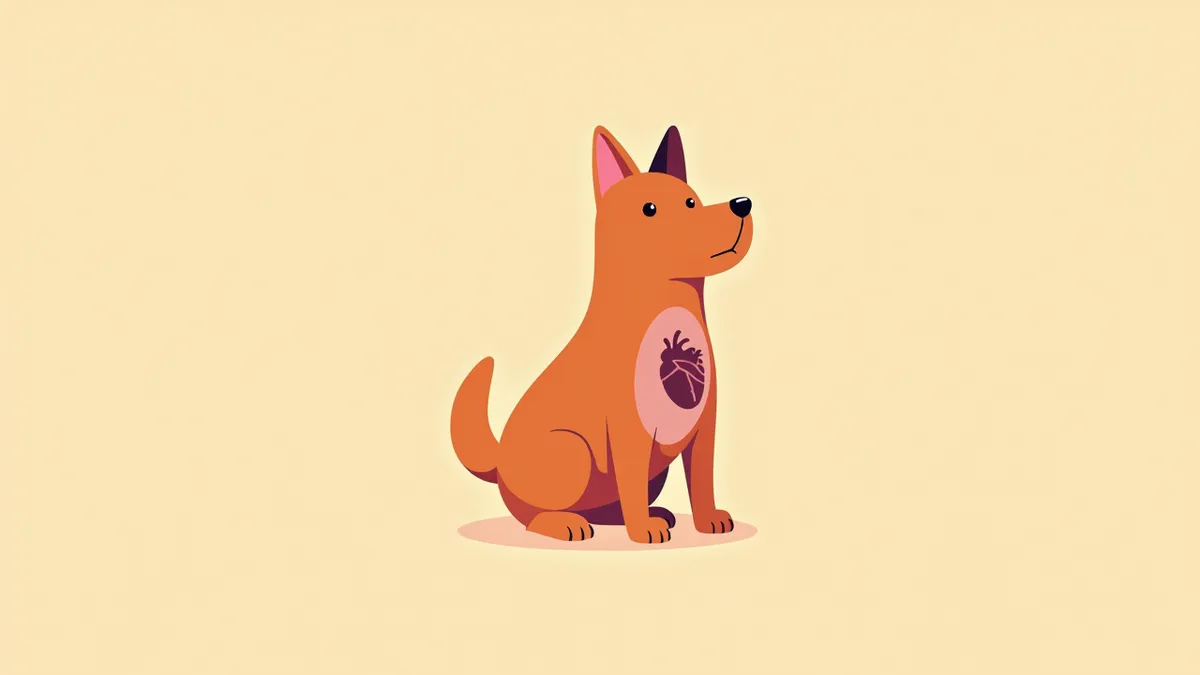
A medical image showing the enlarged heart muscle
Dilated cardiomyopathy (DCM) is a heart condition in which the heart muscle weakens and the left ventricle enlarges, impairing its ability to pump blood effectively. Recently, the U.S. Food and Drug Administration (FDA) has raised concerns about a potential link between grain-free diets high in ingredients such as potatoes, peas, and lentils, and this disease. However, a direct causal relationship between these diets and DCM has not yet been definitively proven. - Taurine and the Heart: Taurine is an amino acid essential for heart function, and some breeds may exhibit low blood taurine levels. However, the taurine content in pet food does not directly determine blood taurine concentrations. - Dietary Factors: Diets with high proportions of legumes such as potatoes, peas, and lentils, or those that are low in protein and high in fiber, as well as lamb-and-rice-based diets, may promote taurine deficiency. - Early Detection is Key: Early symptoms are often mild and easy to miss, but a prompt response significantly influences treatment outcomes. Early diagnosis and appropriate management are crucial for maintaining your pet’s health.

The Primary Causes Are Nutritional Imbalances and Reactions to Specific Ingredients in Certain Dog Foods
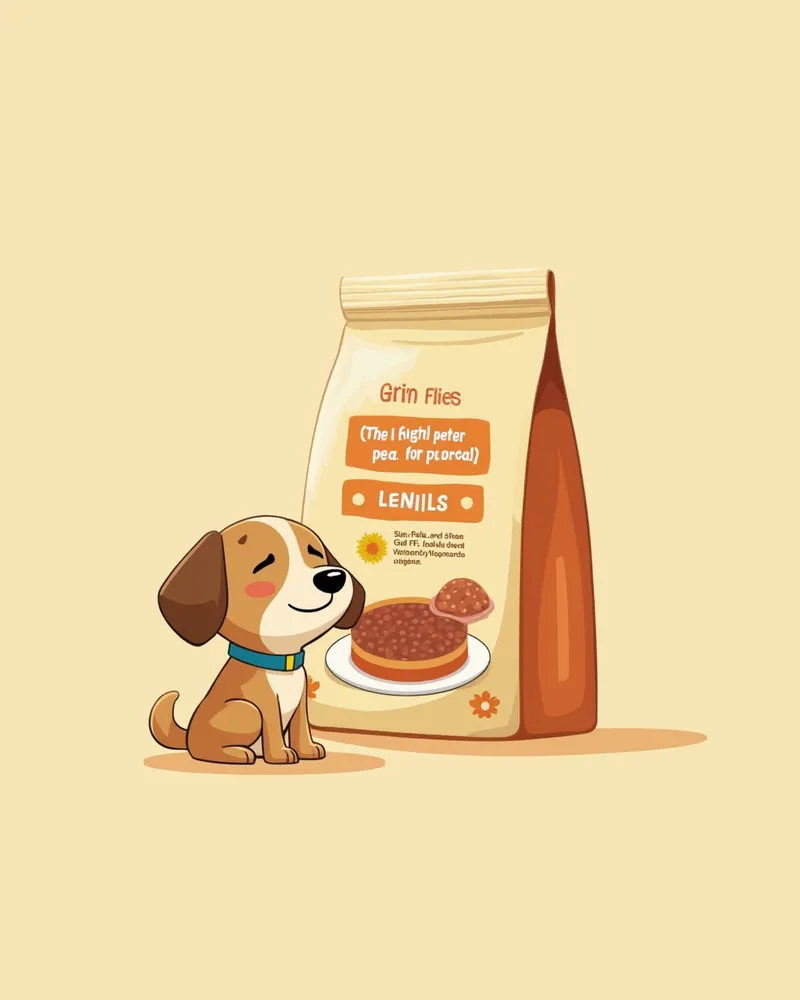
In the debate over grain-free dog food and dilated cardiomyopathy (DCM), the dietary factors drawing attention are ingredients such as potatoes, peas, and lentils, which make up a large proportion of these diets. In 2018, the FDA announced a potential link between these grain-free foods and secondary DCM, but a direct causal relationship has not yet been proven. - Association with taurine: Diets low in protein and high in fiber, or those combining ingredients like lamb and rice, may reduce the bioavailability and absorption of taurine, potentially promoting deficiency. - Nutritional balance: Reports indicate that more advanced cardiac changes were observed in dogs fed certain grain-free diets, particularly those from non-mainstream brands. - Diet and recovery: Some dogs previously fed grain-free diets showed partial improvement in their heart condition after switching to a different food. - Veterinary consultation is essential: Always consult a professional before selecting or changing your dog’s diet, and have their heart health checked regularly.
An image highlighting the ingredients included in the grain-free pet food.

Main Symptoms Include Difficulty Breathing, Fatigue, Coughing, and Irregular Heartbeat

The main symptoms linked to the controversy surrounding grain-free dog food and DCM include difficulty breathing, persistent fatigue, coughing, and an irregular or rapid heartbeat. While these signs may seem mild at first, they can worsen rapidly if ignored. - Difficulty breathing: Your dog may breathe heavily or appear short of breath even while resting. - Increased fatigue: Walks may become difficult, and your dog may need longer rest periods. - Coughing and swelling: Fluid buildup in the lungs can cause coughing, and swelling may appear in the abdomen or legs. - Abnormal heart rhythm: The heartbeat may be faster than usual or have an irregular rhythm. - Risk of fainting: If heart function declines severely, fainting can occur, requiring immediate veterinary care.
A puppy showing signs of difficulty breathing

Immediate Veterinary Care Is Required for Severe Difficulty Breathing or Fainting

If your dog suddenly starts breathing rapidly, faints, or develops blue discoloration in the mouth or lips, seek veterinary care immediately. These are signs of severely compromised heart function, so prompt emergency treatment is essential.

Grain-Free Dog Food vs. Balanced Dog Food: Comparing DCM Risk

ItemDCM RiskMain IngredientsRecommendation
Grain-free diet (certain recipes)Caution neededLegumes such as potatoes, peas, and lentilsVeterinary consultation recommended
Balanced diet (traditional type)LowGrain- and animal-protein-basedCan be recommended by a veterinarian
Taurine-supplemented dietLowContains taurine, omega-3, and vitamin EVeterinarian recommended

The U.S. Food and Drug Administration (FDA) advised that caution is needed regarding a possible link between DCM and certain grain-free diets high in legumes such as potatoes, peas, and lentils. However, a direct causal relationship has not yet been proven.

Grain-Free Food vs. Balanced Diets: Comparing DCM Risk

When it comes to grain-free dog food and the DCM controversy, the key to diagnosis is using cardiac ultrasound (echocardiography) to assess changes in heart size and contractility. - Cardiac ultrasound: Precisely measures the thickness and pumping strength of the heart muscle, as well as the degree of ventricular dilation. - Electrocardiogram (ECG): Helps identify abnormal heart rhythms or arrhythmias. - Blood tests: Evaluate taurine levels, liver function, electrolyte balance, and more. - Early detection matters: Diagnosing the condition in its early stages greatly improves treatment outcomes. - Multidisciplinary approach: The veterinarian combines multiple tests to arrive at an accurate diagnosis.
심장 초음파 검사를 받는 강아지의 모습

Treatment Involves Medications, Dietary Management, and Lifestyle Improvements

The cornerstone of managing the controversy surrounding grain-free dog food and dilated cardiomyopathy (DCM) is switching to a different diet alongside medications that improve heart function. - Taurine supplements: These must be administered consistently to address taurine deficiency. - Diuretics and cardiac medications: These are used to reduce the burden on the heart and improve blood circulation. - Dietary change: Transition to a veterinarian-recommended diet to restore nutritional balance. - Exercise management: Avoid excessive exertion and maintain an appropriate amount of walking. - Stress management: Minimize stressors such as environmental changes or loud noises. - Regular monitoring: Ongoing check-ups with your veterinarian are essential.
A dog taking a walk in a quiet environment.

Home Management Centers on Switching Food, Administering Medications, and Regular Check-ups
The first step in managing the controversy surrounding grain-free dog food and DCM at home is to switch to a food recommended by your veterinarian. - Food Transition: Choose a product that is not grain-free, has high taurine content, and is nutritionally balanced. - Medication: Administer taurine supplements and heart medications at the correct times. - Regular Check-ups: Monitor your dog's condition through heart ultrasounds and blood tests every 3 to 6 months. - Exercise Management: Avoid excessive exercise; light walks are appropriate. - Stable Environment: Minimize stress factors such as noise and external stimuli. - Owner Observation: It is important to consistently monitor for changes in breathing, fatigue levels, and abnormal heart rhythms.
A puppy enjoying a veterinarian-recommended diet.

Certain Breeds Are at Higher Risk for DCM and Require Caution

Dilated cardiomyopathy (DCM) primarily affects large and giant breed dogs, with Dobermans, Great Danes, Irish Wolfhounds, and Newfoundlands being at particularly high risk. Similar forms are also frequently observed in Labrador Retrievers, and these breeds are believed to have a genetic predisposition. When selecting food, be sure to consult with your veterinarian and schedule regular cardiac examinations.

Reviewed by a veterinarian

Dr. Tony — Punnawat Phongkittirak

Dr. Tony — Punnawat Phongkittirak

Veterinarian

A veterinarian who majored in veterinary medicine at Khon Kaen University, Thailand, and completed the IVSA program at North Carolina State University in the United States. Drawing on clinical experience at animal hospitals, he works in the pet healthcare field and is dedicated to building a digital care environment that connects pet parents with veterinarians.

Frequently Asked Questions

Can dogs that eat grain-free diets develop dilated cardiomyopathy (DCM)?
The FDA has noted a potential link between grain-free diets high in legumes like potatoes, peas, and lentils, and dilated cardiomyopathy (DCM). However, a direct causal relationship has not yet been proven, and there are also reports of dogs improving after switching to a different diet.
What tests should be performed if symptoms of DCM appear?
An accurate diagnosis requires an echocardiogram (the gold standard for cardiac assessment), an electrocardiogram, and blood tests (including taurine levels). Early detection is crucial.
Can changing your pet’s diet improve symptoms of dilated cardiomyopathy (DCM)?
Some dogs who were eating grain-free diets have shown partial improvement in their heart condition after switching to a veterinarian-recommended diet. Nutritional DCM can be partially reversible in some cases, but it requires consistent management.
Is DCM a curable condition?
A complete cure is difficult, and the overall prognosis is generally poor, making management challenging once clinical symptoms appear. However, in some cases triggered by diet, improvement may occur after changing the food, so consistent collaboration with your veterinarian is essential.
What should I be careful about to prevent it?
When choosing dog food, carefully check the ingredients, and if you have a large breed dog, regular heart check-ups are especially important. Always consult with your veterinarian before making any changes to your dog's diet.

Share

Related Guides

References

[1] American Veterinary Medical Association (AVMA). (2023). Canine Dilated Cardiomyopathy and Grain-Free Diets: A Review of Current Evidence. Journal of Veterinary Internal Medicine.

[2] Plumb's Veterinary Drug Handbook, 9th Ed. (2022). Veterinary Pharmacology and Therapeutics.

[3] Food and Drug Administration (FDA). (2023). Update on Potential Link Between Grain-Free Diets and Canine Dilated Cardiomyopathy.

This information is based on veterinary literature and does not replace diagnosis or treatment. Please consult a veterinarian for specific health concerns.

Metapet Co., Ltd. | CEO: Park Sung-yong | Business Reg. No. 417-88-02562 | Seoul, South Korea | Customer Center

Is Grain-Free Dog Food Bad for the Heart? The Truth Behind DCM | Meongsiljang