Like
Share
멍실장
강아지 이갈기(이악물기) 증상과 원인, 진단·치료와 관리 포인트 총정리

Dog Teeth Grinding (Bruxism): Symptoms, Causes, Diagnosis, Treatment, and Management Essentials

Oral HealthDiseasesMeongsiljang Veterinary Advisory Board

Dog teeth grinding, or bruxism, occurs when the teeth rub against each other and can be caused by pain, stress, or neurological factors. Identifying the exact cause and providing appropriate care is essential.

What Is Dog Teeth Grinding (Bruxism)?

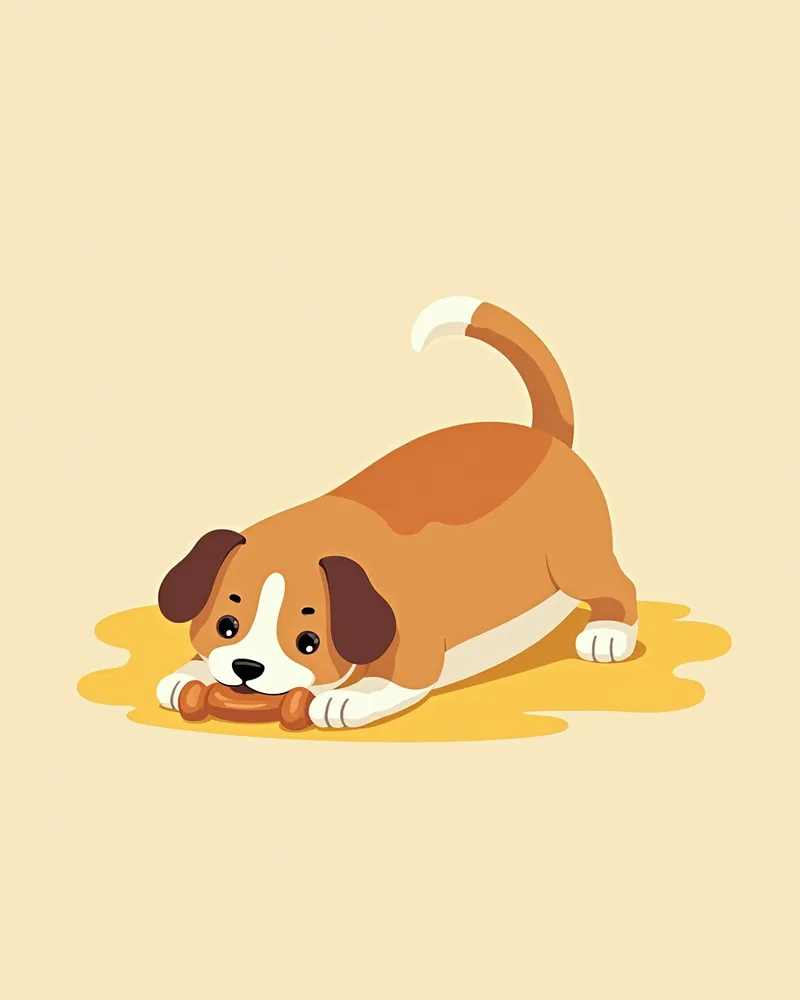
A puppy grinding its teeth
Teeth grinding in dogs is a behavior where the teeth rub against each other or the mouth moves repetitively. Rather than being a simple habit, it can be a sign of oral pain or dental and gum diseases. - Background of teeth grinding: It may be related to dental or gum diseases accompanied by pain (such as periodontal disease), foreign objects in the mouth, or issues with jaw structure or the temporomandibular joint. - Associated signs: It may occur alongside bad breath (halitosis), drooling, or difficulty chewing food. - Points to note: Many cases of periodontal disease show no obvious external symptoms, so owners should carefully monitor their dog’s oral condition. - Severity: Since pain or underlying disease may be the cause, it is important not to ignore persistent symptoms and to consult a veterinarian.

Main Causes of Teeth Grinding

There are various oral health issues that can be linked to teeth grinding in dogs. - Dental or gum disease: Tooth pain or inflamed gums (periodontal disease) are the most common causes of oral discomfort. - Oral foreign bodies or trauma: Objects lodged between teeth, tooth fractures, or jaw fractures and dislocations can cause pain. - Malocclusion or jaw structure issues: Structural abnormalities, such as discrepancies in jaw length, can contribute to the problem. - Neuromuscular or temporomandibular joint issues: Abnormalities in jaw opening and closing function or temporomandibular joint disorders may be involved. - Systemic or medication factors: Severe illnesses or certain medications and toxic substances can cause neurological symptoms like tremors, making accurate diagnosis essential for effective treatment.
The sight of a dog grinding its teeth inside its mouth

Key Symptoms and Signs

Teeth grinding in dogs may be accompanied by repetitive mouth movements or jaw trembling. - Signs of oral pain: Your dog may paw at its mouth, show discomfort when opening its mouth, or have difficulty chewing food. - Physical signs: Bad breath (halitosis), excessive drooling, saliva staining or damp fur around the mouth, and facial swelling may also occur. - Advanced cases: In severe cases, tooth loss or, rarely, jawbone fractures may develop. - When to seek care: If these symptoms persist, consult your veterinarian immediately. - Early intervention: Addressing symptoms early significantly improves treatment outcomes and recovery.
A puppy trembling its jaw and grinding its teeth

When to Visit the Vet Immediately

If your pet is grinding its teeth along with severe bad breath, refusing to eat, showing pain when opening its mouth, or having a stiff jaw that doesn’t move well, you should visit the vet immediately. These could be signs of serious issues such as advanced periodontal disease, tooth infections, jaw fractures or dislocations, or oral tumors.

Diagnostic Methods
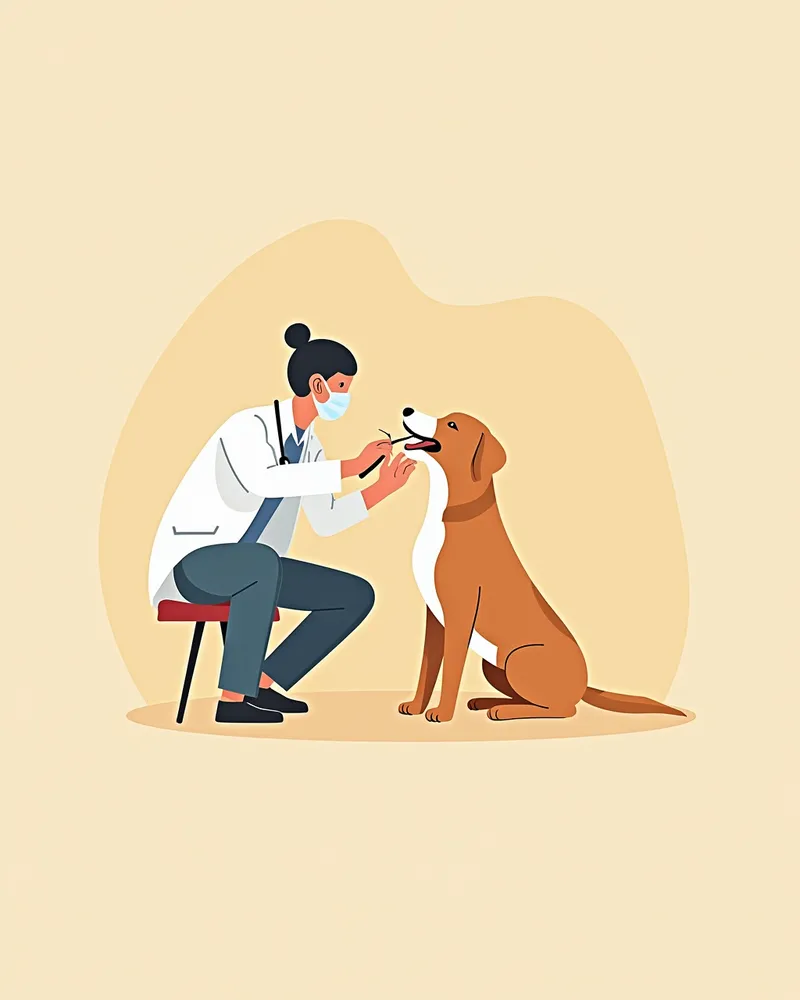
Diagnosing bruxism focuses on accurately identifying the underlying cause of pain. - Oral examination: The veterinarian directly assesses the condition of the teeth and gums to evaluate for pain. A thorough examination may require general anesthesia. - Dental radiography: X-rays are used to detect abnormalities in the tooth roots and jawbone. - Blood and basic laboratory tests: Complete blood count, biochemistry, and urinalysis help assess overall health and rule out systemic diseases. - Neurological evaluation: If a neurological issue is suspected, additional testing is necessary. - Comprehensive approach: Multiple diagnostic methods are combined to reach an accurate diagnosis.
A veterinarian examining a puppy's mouth.

Treatment Methods and Step-by-Step Management

Treatment is tailored to the underlying cause. - Dental and gum care: Periodontal disease or damaged teeth may require scaling, treatment, or extraction, typically under general anesthesia. - Removal of the cause: If there is a clear cause, such as a foreign object in the mouth, it is removed first. - Pain management: Pain is relieved with analgesics, and additional pain relief is provided if necessary. - Concurrent basic testing: If a systemic disease is suspected, blood tests and other diagnostics are performed to identify the cause. - Long-term management: Ongoing monitoring and oral care are essential even after treatment. - Stepwise approach: A treatment plan is developed step by step based on the underlying cause.
A puppy wearing an oral protective device

Management Points at Home

To keep your dog healthy, consistent oral care and a stable environment are key. - Oral Care: Regular brushing helps maintain dental health by reducing tartar buildup and gum inflammation (gingivitis). - Toothpaste Caution: Human toothpaste contains foaming agents and fluoride, which can be harmful if swallowed, so always use products specifically formulated for pets. - Treat Selection: Avoid treats that are so hard they could fracture your dog’s teeth. - Stable Routine: Maintain a calm, predictable environment through regular walks and playtime. - Close Observation: Carefully monitor and record any changes in behavior, and share these observations with your veterinarian. - Consistent Effort: Long-term, dedicated care is essential for achieving the best results.
A puppy playing with a soft toy in its mouth.

Breed-Specific Precautions and Prevention of Recurrence

Certain breeds may have a genetic predisposition to malocclusion or dental diseases, so extra attention should be paid to oral pain and related symptoms. Additionally, if periodontal disease is not managed promptly, it can progress or recur, making regular oral care and check-ups essential. It’s a good idea to work with your veterinarian to develop a long-term management plan.

Reviewed by a veterinarian

Dr. Tony — Punnawat Phongkittirak

Dr. Tony — Punnawat Phongkittirak

Veterinarian

A veterinarian who majored in veterinary medicine at Khon Kaen University, Thailand, and completed the IVSA program at North Carolina State University in the United States. Drawing on clinical experience at animal hospitals, he works in the pet healthcare field and is dedicated to building a digital care environment that connects pet parents with veterinarians.

Frequently Asked Questions

Is teeth grinding common in dogs?
While data on the prevalence of teeth grinding itself is limited, periodontal disease and oral pain—both of which can be associated with this behavior—are very common in dogs. Therefore, it's a good idea to check your dog's oral health.
Can teeth grinding cause damage to the teeth?
Repeated friction can roughen the surface of the teeth, making it easier for plaque to adhere, which can lead to periodontal disease. Since this can result in tooth loss or pain, proper care is essential.
Is there a device that can prevent teeth grinding?
There is no proven device specifically designed to stop teeth grinding. The most important step is to identify and treat the underlying cause, such as pain or dental and gum diseases, so please consult with your veterinarian.
Will bruxism resolve on its own without treatment?
If the cause is pain or periodontal disease, it won’t resolve on its own without treatment. However, if caught at the gingivitis stage, professional dental cleaning combined with consistent home care can lead to improvement.
Is there a connection between teeth grinding and anxiety?
While emotional factors may play a role, it’s important to first rule out physical causes such as dental and gum diseases or oral pain through proper examination. Appropriate care should then be provided based on the underlying cause.

Share

Related Guides

References

This information is based on veterinary literature and does not replace diagnosis or treatment. Please consult a veterinarian for specific health concerns.

Metapet Co., Ltd. | CEO: Park Sung-yong | Business Reg. No. 417-88-02562 | Seoul, South Korea | Customer Center

Dog Bruxism (Teeth Grinding): Causes, Diagnosis, and Management | Meongsiljang