
If Your Dog Suddenly Collapses — Warning Signs of Ventricular Tachycardia and Emergency Response
Ventricular tachycardia in dogs is a heart rhythm disorder where the heart's ventricles beat abnormally fast, which can lead to sudden shock or death. Early detection and proper management are crucial.
Ventricular tachycardia in dogs is a heart rhythm disorder in which the heart’s ventricles contract abnormally fast and irregularly.
The main causes of ventricular tachycardia are structural cardiac abnormalities, genetic factors, and electrolyte imbalances.
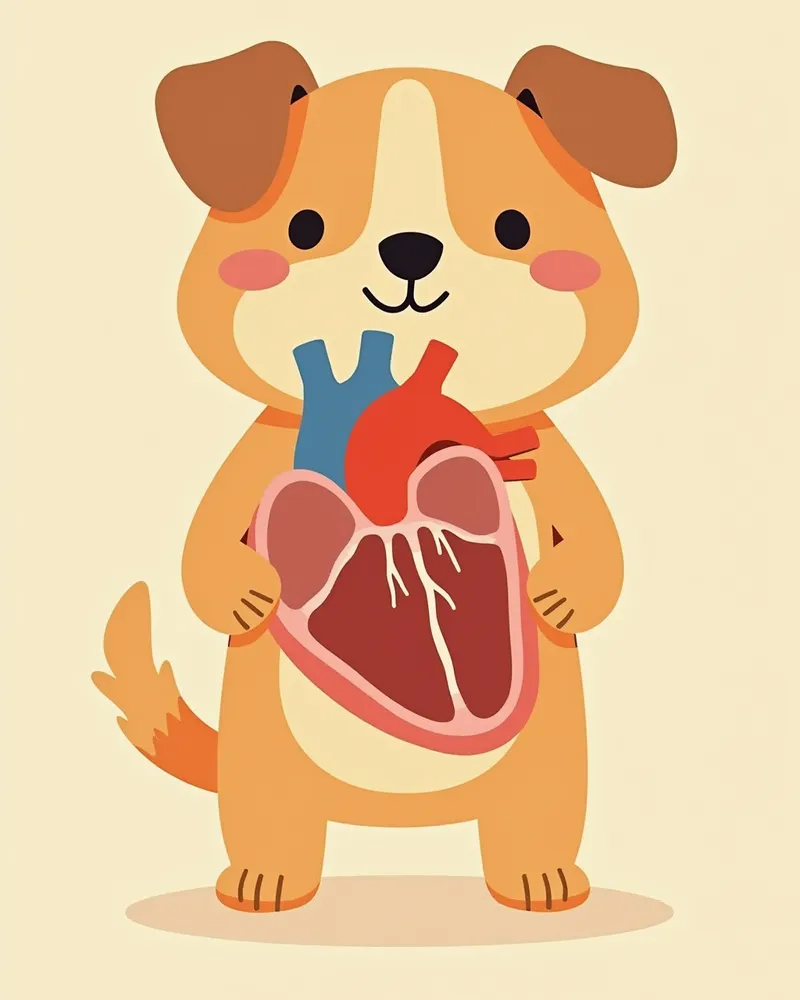
Do not miss the key symptoms and signs. Early detection increases survival rates.

Emergency situations requiring immediate veterinary care
If your dog suddenly collapses and loses consciousness, or if you notice their heartbeat is extremely rapid and irregular, seek veterinary care immediately. These are dangerous signs that could lead to cardiac arrest. If you have a heart rate monitor at home, check their pulse quickly, and keep them in a stable, comfortable position until you reach the clinic.
An electrocardiogram, echocardiogram, and blood tests are needed for an accurate diagnosis.
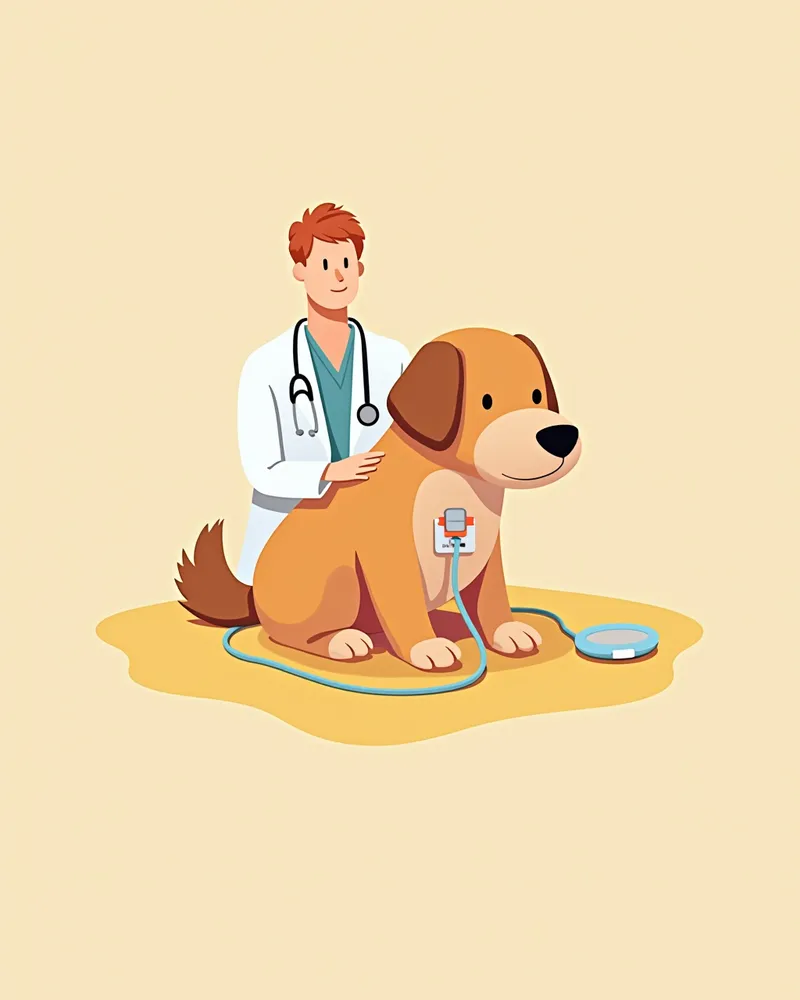
Treatment proceeds in stages, including medication, electrical therapy, and surgery.

Home management is key to maintaining heart health and preventing recurrence.

Certain breeds have a high genetic risk, so caution is required.
Certain breeds, such as Boxers, English Bulldogs, and Doberman Pinschers, are well known for a hereditary cardiomyopathy associated with ventricular tachycardia. In particular, arrhythmogenic right ventricular cardiomyopathy (ARVC) in Boxers is inherited in an autosomal dominant pattern. Studies have reported that mutations in the striatin gene weaken the desmosomal connections between cardiac muscle cells, leading to instability in the heart's electrical activity. Doberman Pinschers frequently develop ventricular tachycardia alongside dilated cardiomyopathy (DCM). When adopting a dog from these breeds, it is important to review the parents' cardiac screening records and to rely on preventive check-ups for early detection.
Reviewed by a veterinarian

Dr. Tony — Punnawat Phongkittirak
VeterinarianA veterinarian who majored in veterinary medicine at Khon Kaen University, Thailand, and completed the IVSA program at North Carolina State University in the United States. Drawing on clinical experience at animal hospitals, he works in the pet healthcare field and is dedicated to building a digital care environment that connects pet parents with veterinarians.
Reviewed 2026-06-05
Frequently Asked Questions
Can ventricular tachycardia be treated?
What should I do if my dog collapses?
Is ventricular tachycardia hereditary?
Will giving the medication cause any side effects?
What should I be mindful of in my pet’s daily life?
Share
Related Guides

Coenzyme Q10 Benefits and Administration Guide

Dog Pulmonary Edema Warning — 7 Best Diuretics (Furosemide) for Heart Management

7 Best Prescription Diets for Feline Heart Disease Recommended by Veterinarians — Criteria for Choosing Low-Sodium Food

Cat Inhaled Steroid Therapy: Symptoms, Causes, Diagnosis, Treatment, and Management Essentials

Feline Fungal Respiratory Infections (Aspergillus): Symptoms, Causes, Diagnosis, Treatment, and Management Essentials
Feline Pleural Effusion: Causes, Symptoms, Diagnosis, Treatment, and Care Points Summary
Feline Bronchoscopy: Symptoms, Causes, Diagnosis, Treatment, and Management Essentials

Feline Bronchiectasis: Symptoms, Causes, Diagnosis, Treatment, and Management Essentials

Dog Weight and Obesity Prevention and Management: Symptoms, Causes, Diagnosis, Treatment, and Key Management Points

Comprehensive Guide to Summer Heat Management, Heatstroke Prevention, Symptoms, Causes, Diagnosis, Treatment, and Care for Dogs
References
[1] Small Animal Critical Care Medicine, 3rd Ed. (2023). Chapter 45: Arrhythmias in Dogs. Elsevier.
[2] Plumb's Veterinary Drug Handbook, 9th Ed. (2022). Cardiac Medications and Antiarrhythmics. Wiley-Blackwell.
[3] American College of Veterinary Internal Medicine (ACVIM). Consensus Statement on Canine Ventricular Arrhythmias (2021). Journal of Veterinary Internal Medicine, 35(4), 1456–1470.