

If Your Cat Keeps Rubbing Its Eyes — Symptoms and Lifelong Management of Herpetic Conjunctivitis
We’ve compiled a comprehensive overview of feline herpesvirus (FHV-1), the most common cause of conjunctivitis in cats, covering its characteristics, symptoms, treatment, and lifelong management of recurrences, all based on veterinary ophthalmology standards.
What Is Feline Conjunctivitis?

Causes and Pathogenesis
Key Symptom Checklist

Seek Immediate Veterinary Care for These Signs
Herpesvirus can spread beyond the conjunctiva to invade the cornea. Seek emergency care if you notice any of the following signs: - A bluish or grayish cloudiness in the eye (possible corneal ulcer) - Inability to open the eyes due to pain, leading to refusal of food and water - Yellow or green purulent discharge persisting for more than 48 hours - Both eyes stuck shut and unable to open in kittens If a corneal ulcer progresses, it can lead to permanent vision loss or even perforation of the eyeball.
How Is It Diagnosed?
Treatment — Stepwise Approach by Cause
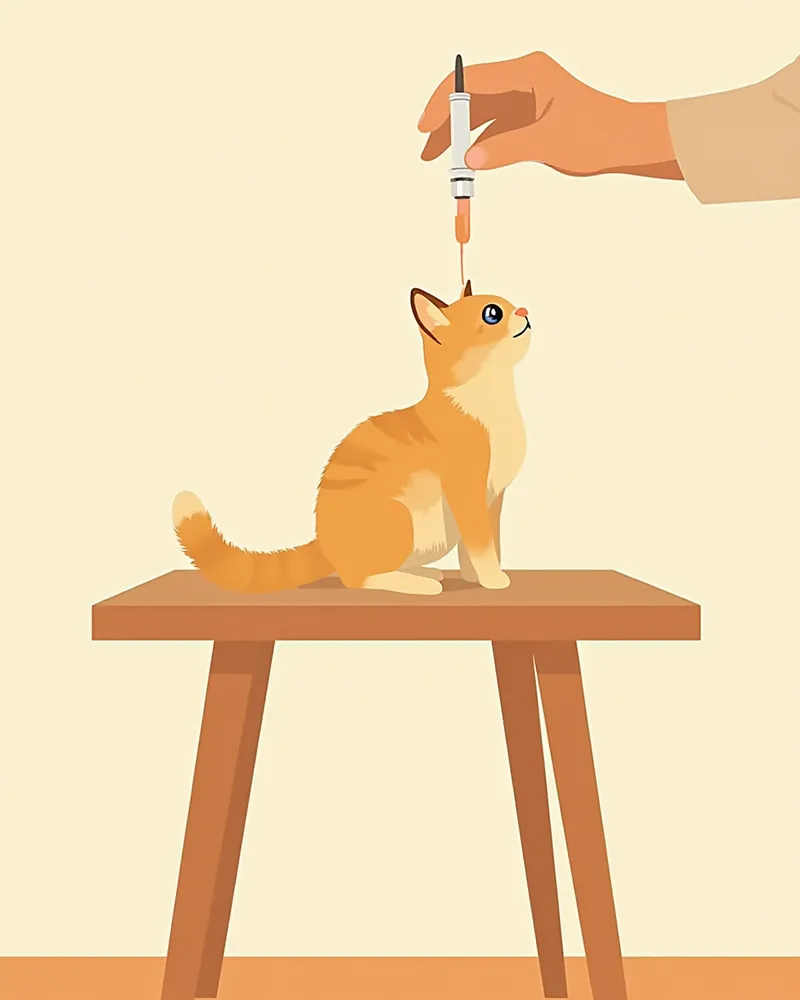
Home Care Essentials
Lifelong Recurrence Management — Key Points for Owners
Feline herpesvirus never fully leaves the body; instead, it remains latent for life in the trigeminal ganglion. When a cat experiences stress or a weakened immune system, the virus can reactivate and cause conjunctivitis to recur. Kittens that suffer severe infections may develop chronic conjunctivitis or chronic nasal discharge that persists into adulthood. Even with vaccination (the standard FVRCP vaccine covering herpesvirus, calicivirus, and panleukopenia), herpesvirus-induced conjunctivitis can still occur. While vaccines do not completely prevent infection, they help manage symptoms, so please keep up with regular boosters. For safety, isolate any new cat for two weeks before introducing it to your household.
Reviewed by a veterinarian

Dr. Tony — Punnawat Phongkittirak
VeterinarianA veterinarian who majored in veterinary medicine at Khon Kaen University, Thailand, and completed the IVSA program at North Carolina State University in the United States. Drawing on clinical experience at animal hospitals, he works in the pet healthcare field and is dedicated to building a digital care environment that connects pet parents with veterinarians.
Reviewed 2026-05-06
Frequently Asked Questions
Can feline conjunctivitis be transmitted to humans?
Do I need to give lysine supplements to my pet for life?
What should I do if only one cat in a multi-cat household has conjunctivitis?
My pet refuses eye drops. How can I administer them?
Once infected, does it truly last for life?
Share
Related Guides

Top 5 Dog Tear Supplements Recommended for 2026

What is Lutein? Effects on Dog Eye Health

The Best Canine Uveitis Management Products and Selection Criteria: A Comprehensive Guide

Dog Testicular Tumors: Don't Wait — Symptoms, Causes, Neutering Treatment, and Prognosis

Comprehensive Guide to Canine Mammary Tumors: Prevention via Spaying, Symptoms, Causes, Diagnosis, Treatment, and Management

Dog Radiation Therapy — A Complete Guide from Indications to Effects, Side Effects, and Care

If Your Dog Is Enduring Cancer Pain — Palliative Care and Pain Management Points

If Your Dog Has Bad Breath or Blood in Saliva — Oral Melanoma Symptoms and Treatment Timing

If Your Dog Shows Lethargy and Frequent Drinking — Symptoms of Multiple Myeloma and Treatment Timing

Comprehensive Guide to Canine Mast Cell Tumor Grading, Treatment, Symptoms, Causes, Diagnosis, and Management
References
[1] Esson DW, Calvarese S. Clinical Atlas of Canine and Feline Ophthalmic Disease, 2nd Ed. Wiley, 2022 — Chapter 58: Herpesviral-associated Conjunctivitis
[2] Schaer M, Gaschen F. Clinical Medicine of the Dog and Cat, 4th Ed — Feline Chlamydiosis & Respiratory Tract
[3] 100 Top Consultations in Small Animal General Practice — Conjunctivitis section
[4] The Veterinary Workbook of Small Animal Clinical Cases — Kitten Wellness Examination