

If Your Cat Is Constantly Lethargic — Symptoms and Treatment Timing for Feline Pyelonephritis
Feline pyelonephritis is a serious infection caused by bacteria ascending to the kidneys, leading to symptoms such as fever, difficulty urinating, and frequent urination. Early detection and appropriate treatment are crucial.
What Is Feline Pyelonephritis (Bacterial Kidney Infection)?
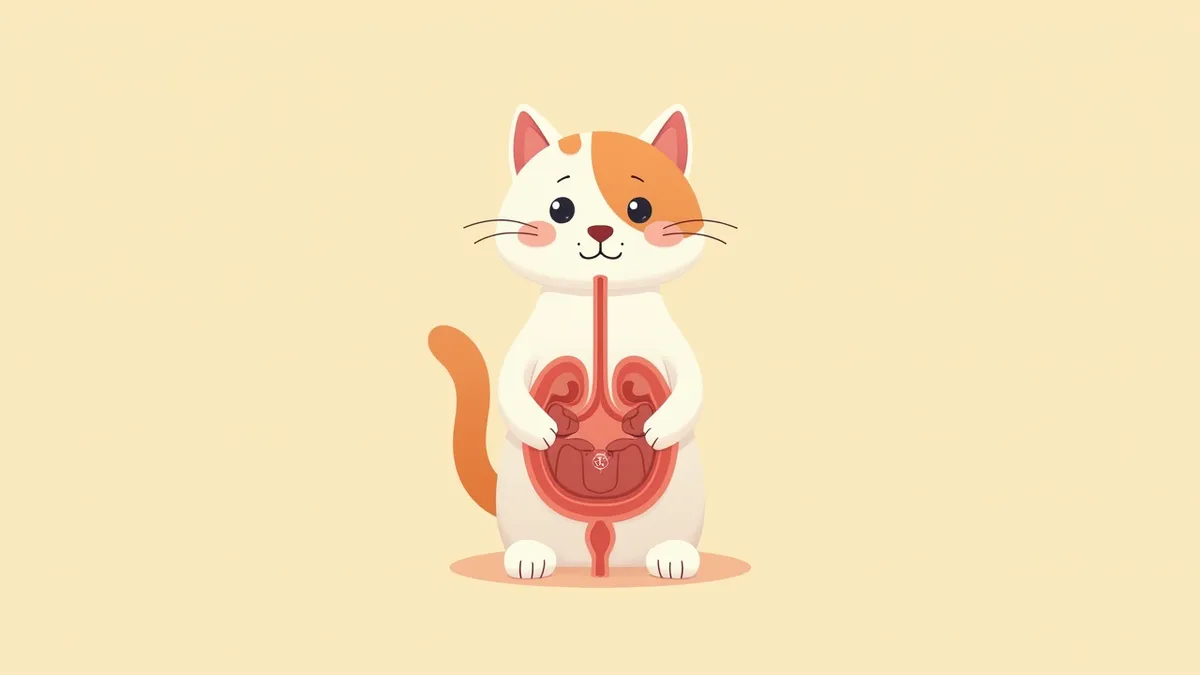
What Are the Main Causes of Pyelonephritis?
Check for Key Symptoms and Signs

Emergency Signs Requiring Immediate Veterinary Visit
If your cat develops a fever, severe pain, is unable to urinate at all, or shows signs of shock accompanied by vomiting, seek veterinary care immediately. These symptoms can lead to a rapid decline in kidney function or sepsis, so prompt treatment can be life-saving.
Diagnostic Methods for Accurate Diagnosis

Treatment Methods and Step-by-Step Management
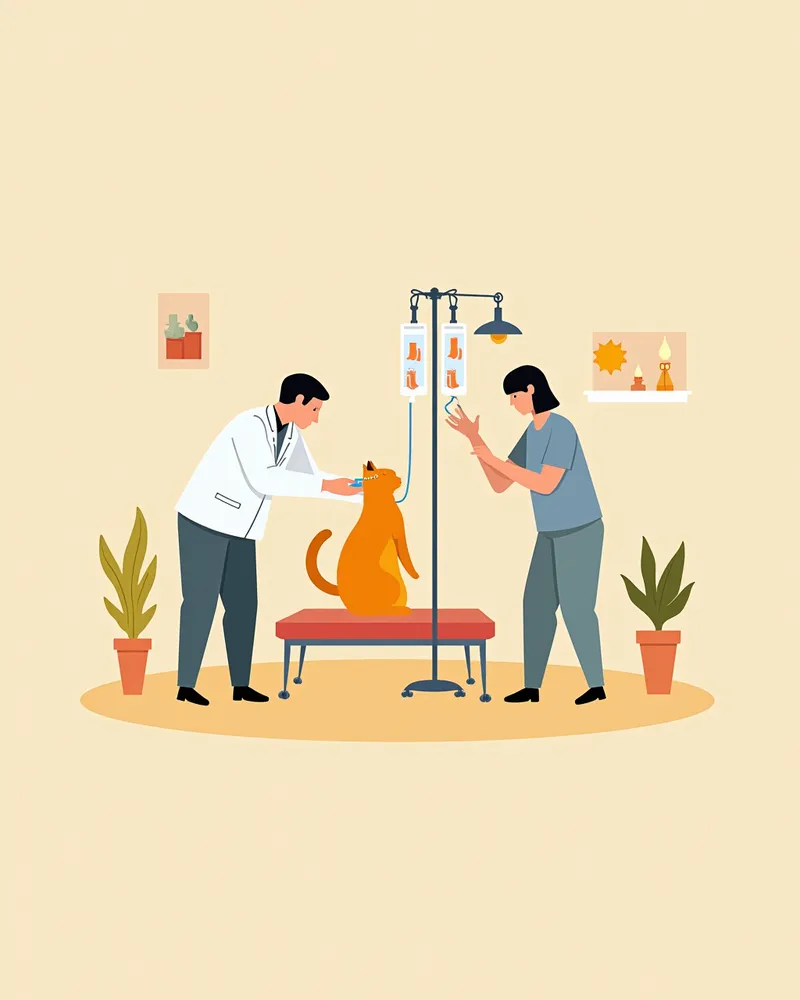
Home Care Points
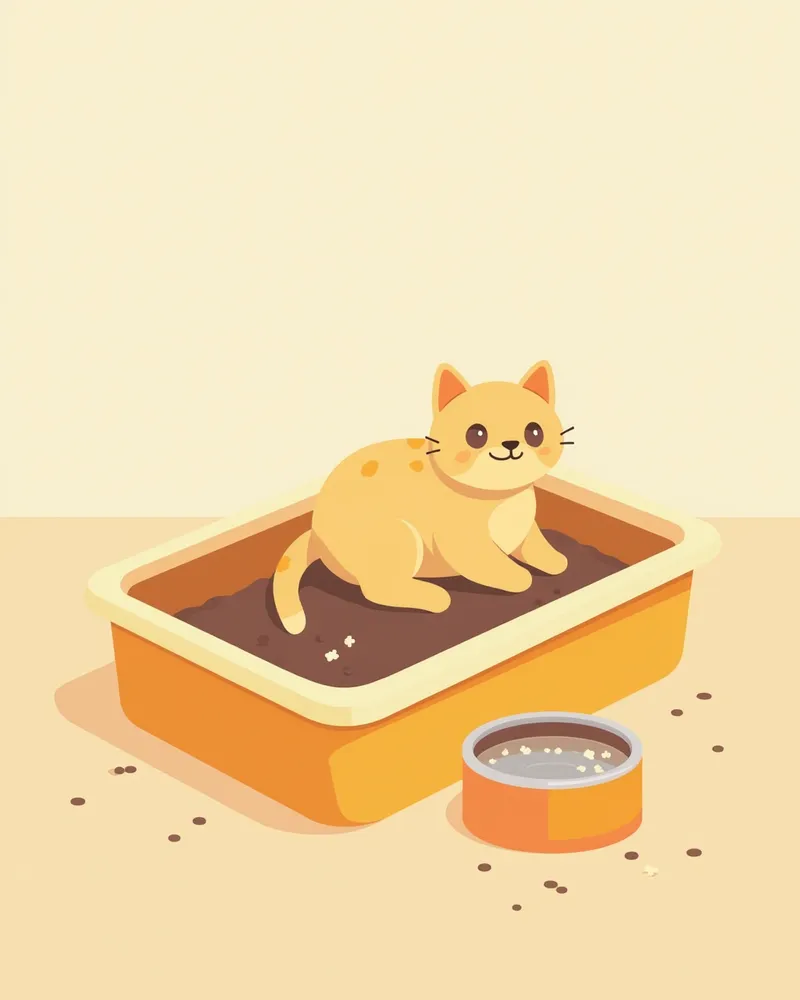
Preventing Recurrence and Breed-Specific Precautions
Cats with a history of urinary tract stones or recurrent urinary tract infections, senior cats, and those with underlying conditions such as diabetes are at a relatively higher risk of pyelonephritis recurrence. Early detection through regular urinalysis (including urine culture when necessary) and kidney function tests is crucial. Additionally, maintaining adequate hydration supports urinary tract health.
Reviewed by a veterinarian

Dr. Tony — Punnawat Phongkittirak
VeterinarianA veterinarian who majored in veterinary medicine at Khon Kaen University, Thailand, and completed the IVSA program at North Carolina State University in the United States. Drawing on clinical experience at animal hospitals, he works in the pet healthcare field and is dedicated to building a digital care environment that connects pet parents with veterinarians.
Reviewed 2026-06-05
Frequently Asked Questions
Can feline pyelonephritis be treated?
What tests should be done if pyelonephritis develops?
Could my cat’s inability to urinate be pyelonephritis?
What should I do if pyelonephritis recurs?
How can I encourage my cat to drink more water?
Share
Related Guides

Top 5 Prescription Diets for Cats with Chronic Kidney Disease — Stage-Specific Protein Adjustment

7 Emergency Signs and Causes of Acute Kidney Failure in Dogs You Must Not Miss
Top 5 Cat Kidney Supplements Recommended for 2026

If Your Cat Ingested an Iron Supplement — Poisoning Symptoms and When to Go to the Vet
If Your Dog Ingested Iron Supplements — Toxicity Symptoms, First Aid, and Dangerous Ingestion Levels

If Your Dog Ingested Pesticide — Symptoms of Organophosphate Poisoning and Emergency Response Timing
If Your Cat Ingested Rat Poison — From Bleeding Symptoms to Detox, Emergency Care, and Prevention

If Your Cat Ate Onions or Garlic — From Anemia Symptoms to Emergency Treatment and Dangerous Ingestion Levels

Crusts on Your Cat’s Nose Bridge May Not Be a Simple Wound — Causes and Treatment Timing for Pemphigus
Feline Eosinophilic Granuloma: Symptoms, Causes, Diagnosis, Treatment, and Management Essentials
References
[1] Langston, C.E. et al. (2023) Small Animal Critical Care Medicine, 3rd Edition. Elsevier.
[2] The Cat, Clinical Medicine and Management, 2nd Edition (2022). Wiley-Blackwell.
[3] Plumb's Veterinary Drug Handbook, 9th Edition (2023). Wiley.