Like
Share
멍실장
강아지 당뇨병성케톤산증 증상과 진단·치료, 평생 식이·관리 가이드

If Your Dog Suddenly Collapses and Vomits — Emergency Signs and Treatment of Diabetic Ketoacidosis

EndocrineDiseasesMeongsiljang Veterinary Advisory Board

Diabetic ketoacidosis (DKA) in dogs is an endocrine emergency caused by a lack of insulin, leading to the accumulation of ketone bodies in the blood. Our veterinary advisory team has compiled comprehensive information covering symptoms, diagnosis, treatment, and lifelong post-discharge dietary and insulin management.

What Is Diabetic Ketoacidosis in Dogs?

A lethargic, droopy puppy
Diabetic ketoacidosis (DKA) in dogs is an endocrine emergency that occurs when severe insulin deficiency causes blood sugar to spike and the body rapidly breaks down fat, leading to a buildup of ketones in the blood and subsequent acidification. It is characterized by hyperglycemia, ketonemia, metabolic acidosis, dehydration, and electrolyte imbalances. Because this is a life-threatening emergency with a high mortality rate, prompt hospitalization is critical. If appropriate treatment is delayed, the condition can rapidly deteriorate into a fatal state. If you notice vomiting, lethargy, or a sweet-smelling breath, take your dog to a veterinary clinic immediately.

Why Does Ketoacidosis Occur? — Causes and Pathogenesis

Diabetic ketoacidosis (DKA) most commonly occurs in dogs with diabetes. When insulin is deficient, cells cannot adequately use glucose as an energy source. Instead, the body breaks down fat to produce ketone bodies, including the acidic acetoacetate and beta-hydroxybutyrate, along with acetone. Excessive accumulation of ketone bodies leads to blood acidosis (high anion gap metabolic acidosis) and causes sodium and potassium to be lost through the kidneys, disrupting electrolyte balance. The main triggers include undiagnosed diabetes, discontinuation of insulin therapy, concurrent bacterial infections, severe stress, and coexisting Cushing’s syndrome. Unspayed female dogs may also experience unstable blood sugar levels due to hormonal fluctuations associated with estrus.

7 Symptoms You Must Not Miss

Vomiting: Repeated vomiting accompanied by a sudden loss of appetite.
Lethargy: Noticeably more sluggish than usual, with reduced activity levels.
Polydipsia and Polyuria: Excessive thirst and frequent urination.
Sweet Breath: A sweet or fruity odor (acetone-like) on the breath due to ketone bodies.
Decreased Appetite: Little to no interest in food, or eating only small amounts.
Weight Loss: Noticeable weight loss over a short period.
Abnormal Breathing: Rapid, shallow, or otherwise abnormal breathing patterns may occur.
A puppy that refuses food and lacks energy

Go to an Emergency Hospital Immediately If You See These Symptoms

If your pet is disoriented or unresponsive, has had a seizure, is vomiting uncontrollably with severe dehydration, or is extremely lethargic with a sweet-smelling breath, you should go to a 24-hour emergency animal hospital immediately.

How Is DKA Diagnosed?

Veterinarians confirm DKA through blood tests (blood glucose, ketones, electrolytes, and acid-base balance) and urine tests (ketonuria and glucosuria). When blood glucose exceeds the renal threshold (approximately 10–12 mmol/L or 180–216 mg/dL), glucose appears in the urine. In DKA, blood glucose levels rise significantly above this threshold, and the blood becomes acidic. Additional tests, including a complete blood count (neutrophilia is common), serum biochemistry, pancreatic enzyme levels, and abdominal ultrasound, help identify concurrent conditions such as pancreatitis or infection. DKA is often the initial presentation in pets with previously undiagnosed diabetes.

DKA Inpatient Treatment — Step-by-Step Process

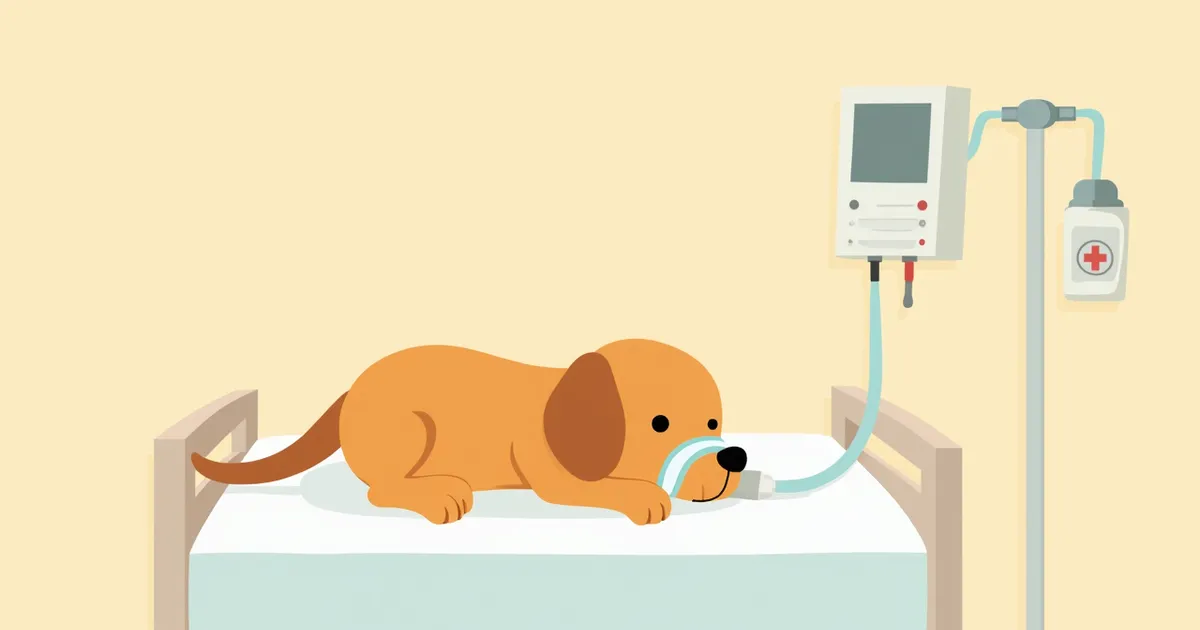
Fluid therapy: The first goal is to correct dehydration and electrolyte imbalances. We replenish fluids with intravenous solutions such as 0.9% saline and supplement electrolytes like potassium and phosphorus. Hypokalemia, hypophosphatemia, and hypomagnesemia commonly develop during treatment, so we must monitor these levels frequently.
Insulin administration: We administer insulin intravenously or subcutaneously to replace what the body lacks and gradually lower blood glucose. The veterinarian carefully adjusts the infusion rate while frequently checking blood glucose and electrolyte levels.
Correction of acidosis: If the blood has become severely acidic, we also correct the acid-base imbalance.
Treating the underlying cause: Identifying and treating concurrent conditions, such as infections or pancreatitis, is essential for a smooth recovery.
A puppy receiving intravenous fluid therapy at a veterinary clinic

4 Home Care Steps After Discharge

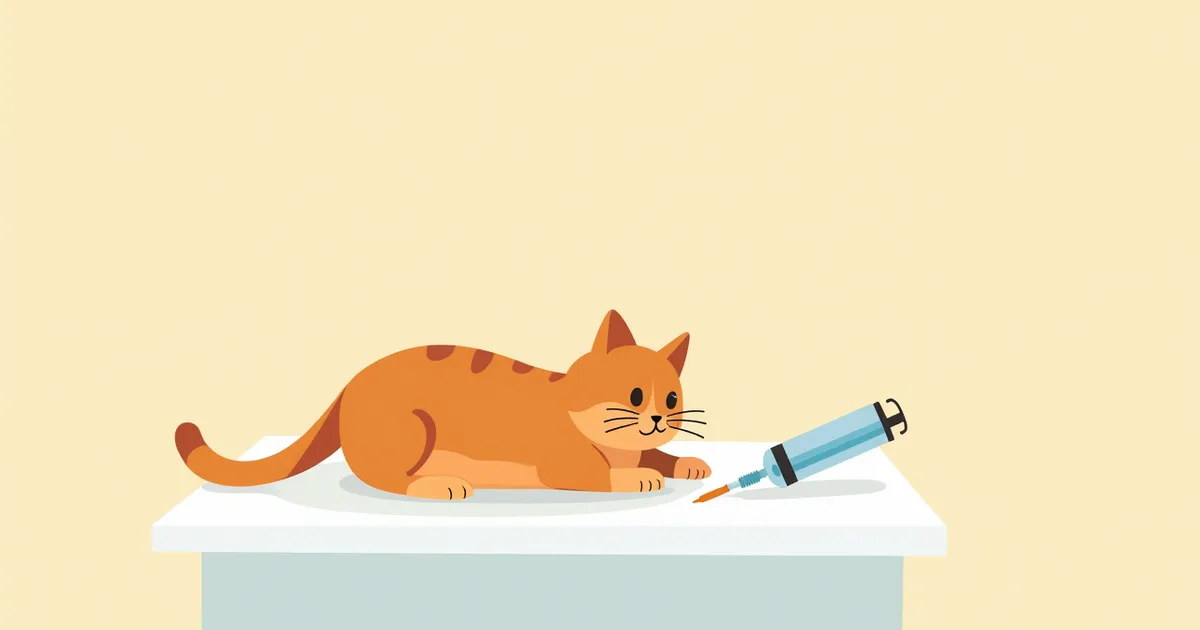
Maintain a consistent insulin schedule: Administer the subcutaneous injection immediately after meals at the same time every day. Store insulin in the refrigerator and avoid shaking it.
Recognize signs of hypoglycemia: Sudden trembling or collapse are signs of low blood sugar. Contact your veterinarian immediately.
Dietary consistency: Feeding the same amount of the same food at the same time each day is key to stabilizing blood glucose levels.
Blood glucose monitoring: Recording readings taken with a home glucose meter from the ear vein or foot pads allows your veterinarian to adjust the dosage more accurately.
Pet owners administering insulin at home

Key Points for Preventing Recurrence and Long-Term Management

Diabetic dogs are prone to blood sugar instability when dealing with concurrent issues like infections, stress, heat cycles, or pregnancy. For intact females, hormonal fluctuations can alter insulin requirements, so it’s essential to consult your veterinarian. Even after stabilization, diabetic dogs should have regular check-ups approximately every three months to monitor blood sugar levels and adjust insulin dosages, as well as to detect concurrent conditions like pancreatitis or infections early on—this is key to preventing relapse. In fact, some dogs may experience a recurrence of diabetic ketoacidosis (DKA) after discharge, making consistent, long-term management crucial.

Reviewed by a veterinarian

Dr. Tony — Punnawat Phongkittirak

Dr. Tony — Punnawat Phongkittirak

Veterinarian

A veterinarian who majored in veterinary medicine at Khon Kaen University, Thailand, and completed the IVSA program at North Carolina State University in the United States. Drawing on clinical experience at animal hospitals, he works in the pet healthcare field and is dedicated to building a digital care environment that connects pet parents with veterinarians.

Frequently Asked Questions

Can a dog’s diabetic ketoacidosis (DKA) be completely cured?
DKA itself can be resolved with intensive care. However, the underlying diabetes typically requires lifelong management. With consistent insulin administration and dietary control, your pet can lead a healthy life.
Is it difficult to administer insulin injections at home?
At first, it may seem unfamiliar, but most dogs can learn to tolerate it with practice alongside their veterinarian. Subcutaneous injections involve gently pinching the skin and inserting a thin needle, so the procedure is generally not very painful for dogs.
Are there foods that diabetic dogs should avoid?
High-sugar treats, fruits, and simple carbohydrates can cause rapid spikes in blood sugar levels, so they should be avoided. The safest approach is to consistently feed a low-glycemic, high-fiber diet prescribed by your veterinarian.
How often should I visit the clinic after my pet recovers from DKA?
For dogs with stabilized diabetes, regular check-ups are recommended every 2–4 weeks during the first few months, and then approximately every three months thereafter. Blood glucose curve testing is used to monitor and adjust insulin dosage.
Can DKA recur?
Yes, skipping insulin doses or developing an infection can lead to a recurrence. Consistent care and early detection of any unusual symptoms are key to preventing relapse.

Share

Related Guides

References

[1] Little, S. (2024). The Dog Care Handbook: Things I Wish My Vet Had Told Me. 5M Publishing.

[2] Hall, E.J. & Katharine, F. (2020). Notes on Canine Internal Medicine, 4th Ed. Wiley-Blackwell.

[3] Schaer, M. & Gaschen, F. (Eds.) (2022). Clinical Medicine of the Dog and Cat, 4th Ed. CRC Press.

This information is based on veterinary literature and does not replace diagnosis or treatment. Please consult a veterinarian for specific health concerns.

Metapet Co., Ltd. | CEO: Park Sung-yong | Business Reg. No. 417-88-02562 | Seoul, South Korea | Customer Center

Dog Diabetic Ketoacidosis: Emergency Signs & Treatment | Meongsiljang