Like
Share
멍실장
고양이 반복 행동 장애 증상과 원인, 진단·치료와 관리 포인트 총정리

If Your Cat Repeats the Same Behavior — Causes and Warning Signs of Repetitive Behavior Disorder

Brain & CognitionDiseasesMeongsiljang Veterinary Advisory Board

Feline compulsive disorder is a condition characterized by neurological and behavioral abnormalities that prevent cats from stopping repetitive behaviors. We’ve compiled evidence-based veterinary information covering everything from causes to medication and home care.

What Is Feline Repetitive Behavior Disorder?
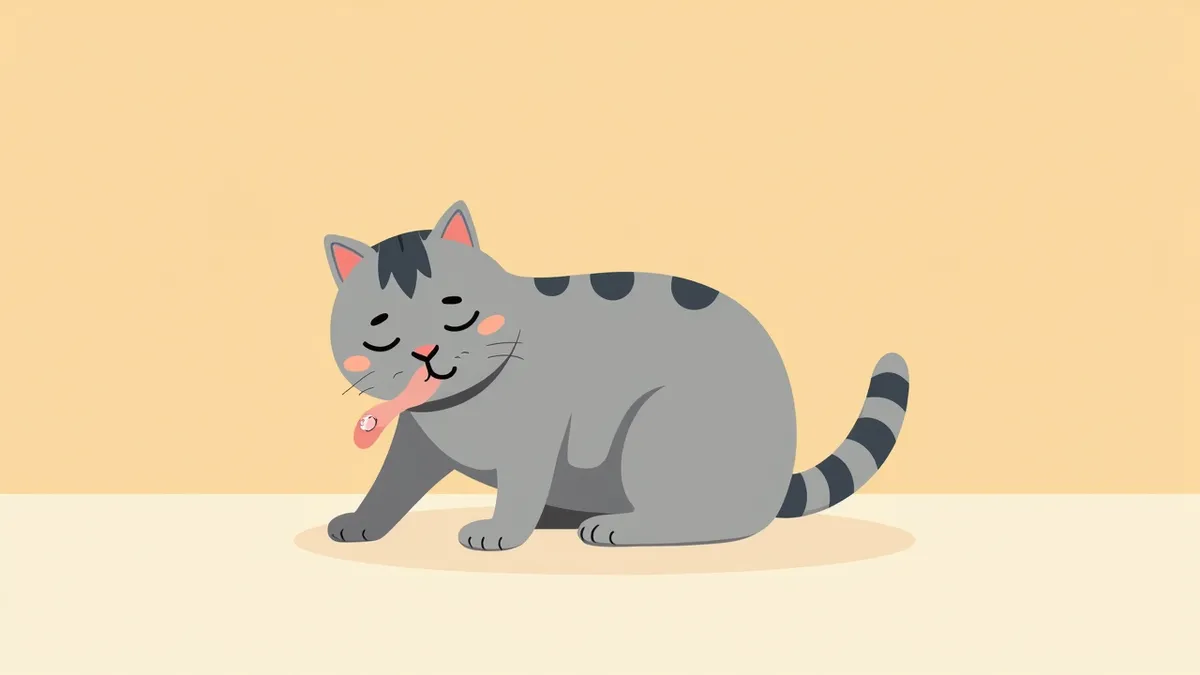
A cat that repeatedly grooms the same area
Feline compulsive disorder, also known as repetitive behavior disorder, is a behavioral condition characterized by the repetitive performance of the same behavior pattern without any apparent purpose, as if the cat cannot help but do it. What’s truly important is that this is not merely a bad habit, but a medical issue diagnosed only after ruling out other clinical diseases. It is widely understood that common underlying factors include frustration from being unable to express normal behaviors adequately, or stress from prolonged social conflicts. If your cat exhibits repetitive behaviors such as excessive grooming, tail chasing, or wool sucking that do not easily stop even when you intervene, it is necessary to consult a veterinarian. The earlier the condition is detected and environmental adjustments and behavioral therapy are initiated, the better the prognosis.

Main Causes of Repetitive Behavior Disorder

Repetitive behavior disorders are not caused by a single factor, but rather by a combination of multiple contributing elements.
Frustration from unmet needs: A common trigger is the frustration that builds up when a cat is unable to fully express natural behaviors such as hunting and exploring.
Chronic stress: Prolonged stress resulting from significant environmental changes, such as moving to a new home or the addition of new family members, can also play a role.
Long-term social conflict: In multi-cat households, ongoing conflicts between cats have been linked to the development of compulsive behaviors.
Emotional relief: Some experts suggest that repetitive behaviors may serve as a coping mechanism, providing temporary relief from negative emotions experienced by the cat.

Key Symptoms Checklist

If these behaviors recur and your pet seems unable to stop them on their own, it may indicate a compulsive disorder. Self-injurious behaviors that cause physical harm require particular attention.
Excessive grooming: Repeatedly licking the same area, leading to hair loss or skin lesions. This is a classic compulsive behavior often associated with chronic stress.
Tail chasing: Repeatedly and rapidly chasing and biting their own tail.
Fabric chewing and ingestion: Compulsively chewing or swallowing blankets or fibrous materials.
Air staring and snapping: Staring at or snapping at empty space.
Repetitive pacing: Moving back and forth along a fixed path in a rhythmic manner.
A Siamese cat obsessively chasing its tail

Signs That Require Immediate Veterinary Attention

If any of the following situations apply, a visit to the veterinary clinic within 24 hours is necessary. Repetitive behaviors accompanied by physical injury are considered near-emergency conditions. • Visible wounds, bleeding, or signs of infection on the skin in areas being groomed • Vomiting or decreased appetite lasting more than two days due to ingestion of wool or foreign objects • Signs of muscle rigidity or apparent loss of consciousness during repetitive behaviors • Compulsive behaviors that cannot be stopped, occurring dozens of times a day

How Is It Diagnosed?

Repetitive behavior disorders are diagnosed by exclusion. This means we first rule out all dermatological, neurological, and internal medical causes before making a behavioral diagnosis. We start by checking for infections and allergies through blood tests and skin examinations. If a neurological issue is suspected, imaging tests such as an MRI or CT scan may be necessary. A detailed behavioral history taken by a veterinary behavior specialist is also key to the diagnosis. It can be very helpful to bring a video recording of the repetitive behavior to aid in the diagnostic process.

Treatment Methods — Three Pillars: Environment, Behavior, and Medication
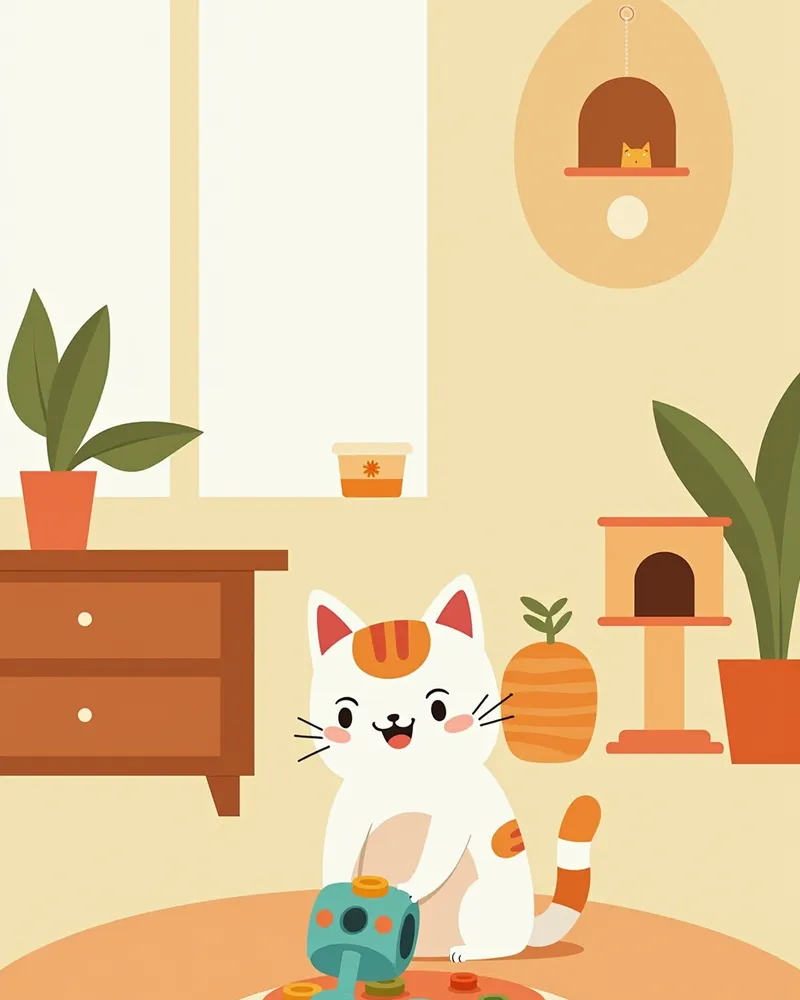
Treating compulsive disorders is most effective when three approaches are used together.
Environmental enrichment: Provide more hiding spots, cat trees, and puzzle feeders to create healthy outlets for normal exploration and hunting behaviors. The key is to satisfy your cat’s physical and psychological needs.
Behavior modification: Identify the warning signs that precede the compulsive behavior and redirect your cat’s attention to a different stimulus. It’s important to stop any punishment or inconsistent negative interactions, as these can worsen symptoms.
Medication: Your veterinarian may prescribe behavior-modifying medications. Medication is significantly more effective when combined with environmental adjustments and behavior therapy.
Cats using puzzle feeders for environmental enrichment

Home Care Management Points

These are things you can do at home alongside veterinary treatment. • Provide at least two 10- to 15-minute sessions of active play each day. • Record the times and situations when repetitive behaviors occur to identify patterns. • Minimize changes in daily routines, such as feeding and cleaning schedules, as well as furniture arrangements. • In multi-cat households, provide separate food bowls, litter boxes, and hiding spots for each cat. • Prevent further skin injury from grooming by using a medical cone or protective clothing.
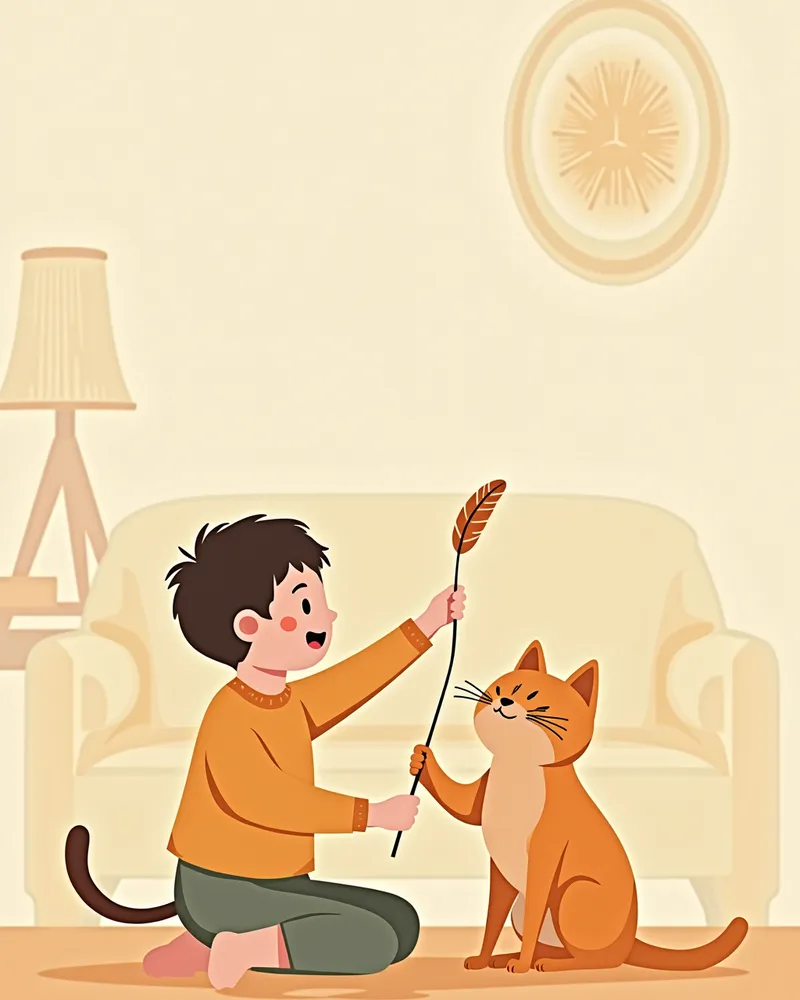
A cat enjoying playtime with its owner

Breeds Requiring Attention and Recurrence Prevention

Rather than assuming certain breeds are more prone to the condition, it is more important to recognize that the risk of compulsive disorders increases when cats cannot adequately express normal hunting and exploratory behaviors, or when they experience chronic stress or long-term conflict in multi-cat households. If your home environment is monotonous or filled with stressors, please prioritize environmental enrichment and socialization from an early age. Do not stop medication on your own to prevent relapse, as this can be dangerous. Even if symptoms appear to improve, consult your veterinarian to gradually taper the dosage.

Reviewed by a veterinarian

Dr. Tony — Punnawat Phongkittirak

Dr. Tony — Punnawat Phongkittirak

Veterinarian

A veterinarian who majored in veterinary medicine at Khon Kaen University, Thailand, and completed the IVSA program at North Carolina State University in the United States. Drawing on clinical experience at animal hospitals, he works in the pet healthcare field and is dedicated to building a digital care environment that connects pet parents with veterinarians.

Frequently Asked Questions

Is it a sign of illness if my cat occasionally chases its tail?
If the behavior stops quickly when you intervene, it’s likely just normal play. However, if it’s hard to interrupt, happens multiple times a day, or causes physical injuries, it could be a compulsive disorder. When in doubt, it’s best to have your vet check it out.
Does my pet need to take this medication for life?
Not necessarily. If environmental enrichment and behavioral therapy are implemented effectively, it may be possible to reduce or even discontinue medication. However, abruptly decreasing the dose on your own carries a high risk of relapse, so any adjustments should be made gradually under the guidance of your veterinarian.
What should I do if my pet has shown repetitive behaviors since puppyhood?
The earlier a repetitive behavior begins, the more critical it is to intervene quickly. If your dog shows compulsive behaviors from a young age, consult a veterinary behavior specialist. Early intervention can significantly improve long-term outcomes.
Is it okay to punish or physically stop the behavior?
No, that’s not the right approach. Punishing or forcibly stopping the behavior can cause stress to build up, which may actually worsen the symptoms. If you notice repetitive behaviors, the best course of action is to gently redirect your pet’s attention with toys or treats.
Will adopting a second cat help my current cat feel better?
While the best approach depends on the individual case, simply bringing home a new cat can inadvertently cause significant stress to your existing cat, potentially worsening their symptoms. Please consult with your veterinarian or a veterinary behaviorist before making a decision.

Share

Related Guides

References

[1] Little, S.E. (Ed.), The Cat: Clinical Medicine and Management, 2nd Edition, Chapter 16: Behavior Problems & Chapter 17: Behavioral Therapeutics, Elsevier

[2] Ahola, M.K., Vapalahti, K., and Lohi, H. (2017). Early weaning increases aggression and stereotypic behaviour in cats. Scientific Reports, 7: 10412

[3] Hart, B.L., Cliff, K.D., Tynes, V.V., and Bergman, L. (2005). Control of urine marking by use of long-term treatment with fluoxetine or clomipramine in cats. Journal of the American Veterinary Medical Association, 226(3): 378–382

[4] Horwitz, D. and Mills, D.S. (Eds.), BSAVA Manual of Canine and Feline Behavioural Medicine, 2nd Edition, British Small Animal Veterinary Association

This information is based on veterinary literature and does not replace diagnosis or treatment. Please consult a veterinarian for specific health concerns.

Metapet Co., Ltd. | CEO: Park Sung-yong | Business Reg. No. 417-88-02562 | Seoul, South Korea | Customer Center

Cat Repeating the Same Behavior? Warning Signs to Know | Meongsiljang