Like
Share
멍실장
강아지 고혈압성 심장 질환 증상과 원인, 진단·치료와 관리 포인트 총정리

If Your Dog Has High Blood Pressure — Symptoms, Treatment, and Management of Hypertensive Heart Disease

HeartDiseasesMeongsiljang Veterinary Advisory Board

Hypertensive heart disease in dogs is a condition in which chronic high blood pressure places excessive strain on the heart, leading to impaired cardiac function. Early detection and management are essential.

What Is Hypertensive Heart Disease in Dogs?
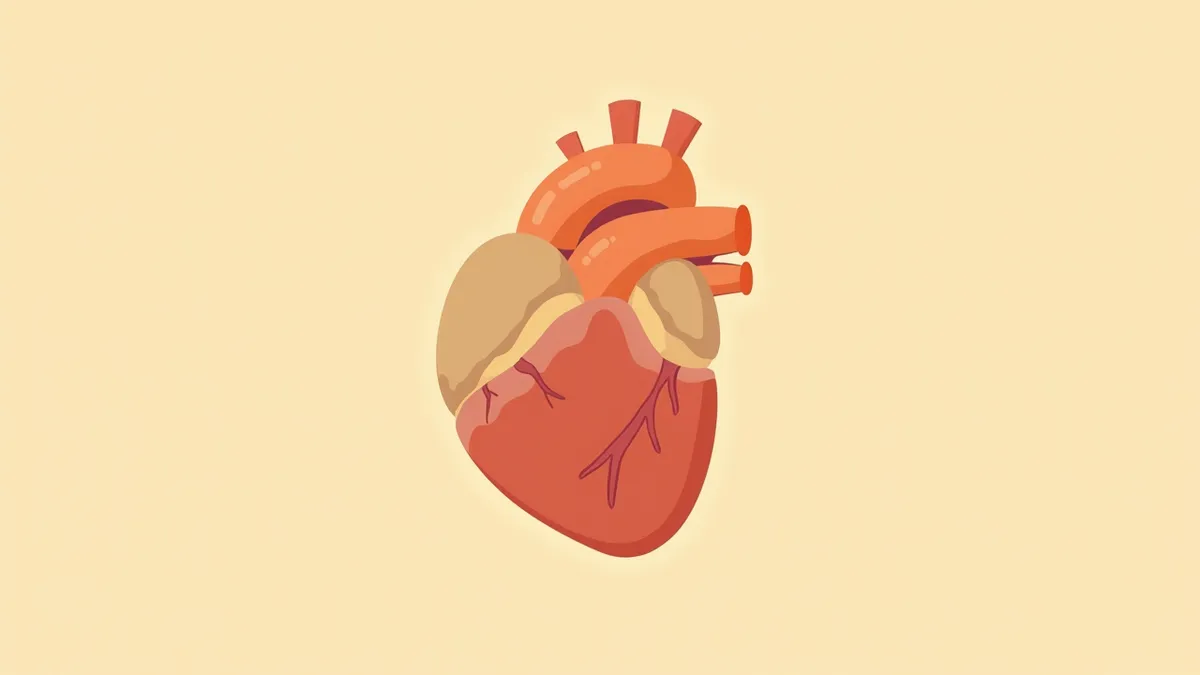
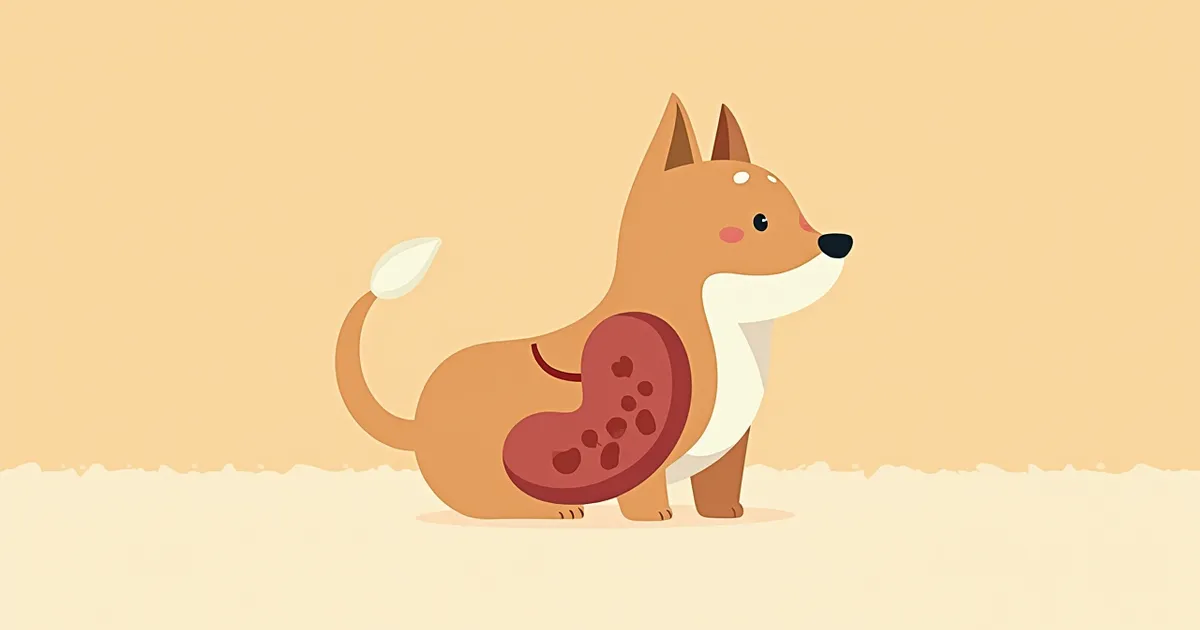
An anatomical diagram of a dog’s heart showing thickened and dilated chambers
Hypertensive heart disease in dogs is a condition where prolonged high blood pressure places increasing strain on the heart, leading to thickening of the heart muscle and potentially impaired contractile function. - Hypertension: Chronically elevated blood pressure forces the heart to work harder to pump blood. - Cardiac hypertrophy: When the heart muscle becomes excessively thick, it cannot relax properly, which disrupts efficient blood circulation. - Decline in cardiac function: As a result, the heart may fail to pump blood adequately, potentially leading to heart failure. The heart is one of the primary target organs damaged by chronic hypertension, along with the eyes, kidneys, and brain. - Risk factors related to age and breed: Hypertension is more commonly diagnosed in middle-aged to senior dogs. Additionally, idiopathic (primary) hypertension of unknown cause has been reported in Siberian Huskies and related breeds. Early detection and consistent management are key to improving your dog’s quality of life.

What Are the Main Causes?

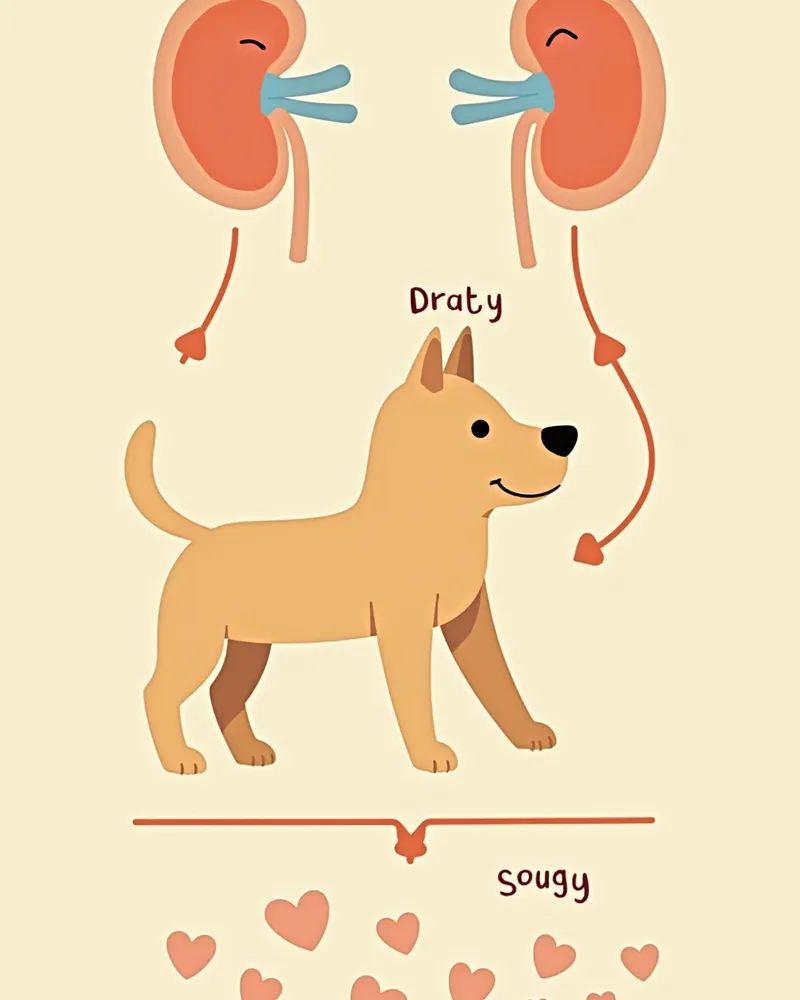
Chronic systemic hypertension underlies hypertensive heart disease in dogs. Most cases of canine hypertension occur secondary to other conditions, with kidney disease (chronic or acute) being the most common cause. Endocrine disorders such as hyperadrenocorticism, diabetes mellitus, and pheochromocytoma can also be responsible. In contrast, primary (essential) hypertension, where no underlying cause is identified, is rare in dogs. Additionally, advanced age, obesity, and high-sodium diets are risk factors. Prolonged high blood pressure causes the heart muscle to remain under constant tension, leading to thickening and a eventual decline in its contractile strength.
Diagram illustrating the mechanisms by which kidney disease and endocrine disorders cause high blood pressure.

What Are the Main Symptoms and Signs?

The early signs of hypertensive heart disease in dogs can be subtle and easy for pet owners to miss. However, it’s important to watch closely for the following symptoms:
Coughing: Especially if it occurs repeatedly at night or after activity.
Shortness of breath: Breathing heavily even while resting, or becoming winded after just a short walk.
Fatigue: Spending most of the day inactive, often sitting or lying in the same spot.
Loss of appetite: Showing little interest in treats or regular meals.
Abdominal swelling: Fluid may accumulate in the abdomen due to heart failure.
If these symptoms persist, consult your veterinarian immediately.
A dog with a swollen abdomen due to symptoms of heart failure

Signs Requiring Immediate Veterinary Care

If your dog suddenly starts breathing heavily, coughing intensely, or develops a bluish tint to their mouth or tongue, seek veterinary care immediately. These are signs of a rapid worsening of heart failure and can be life-threatening emergencies. In particular, if your dog’s heart rate becomes extremely fast or they are at risk of collapsing, immediate treatment is essential.

What Are the Accurate Diagnostic Methods?
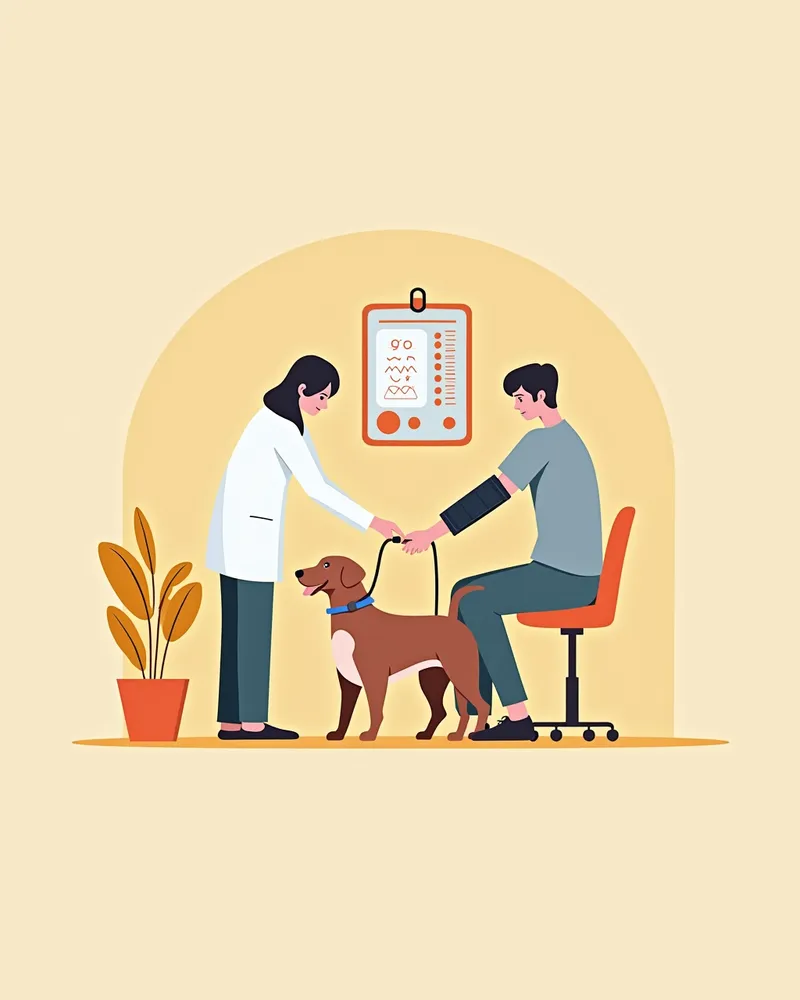
Hypertensive heart disease in dogs is diagnosed through a variety of tests. The most basic test is blood pressure measurement, which requires accurate equipment and repeated measurements. Additionally, an echocardiogram (heart ultrasound) is used to evaluate the size and function of the heart, while a chest X-ray helps assess the heart's size and the condition of the lungs. Blood and urine tests are also conducted to check for kidney function or endocrine disorders. Since comprehensive testing is necessary, evaluation by a professional veterinarian is essential for an accurate diagnosis.
A veterinarian measuring a puppy's blood pressure.

Treatment Methods and Step-by-Step Management

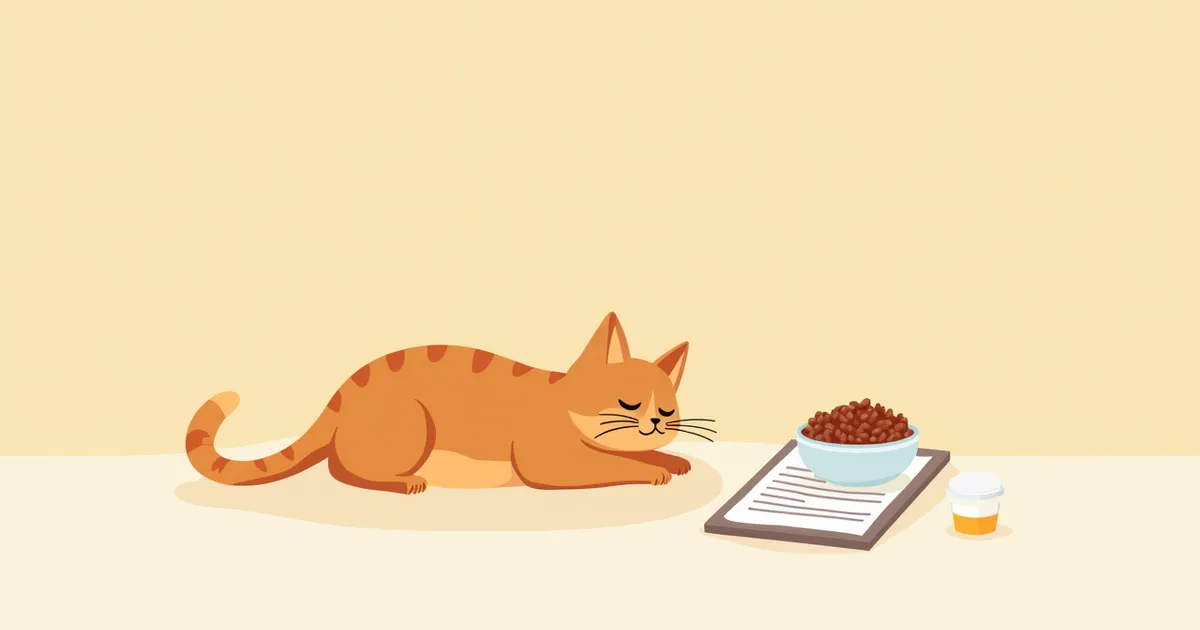
Treatment focuses on controlling blood pressure and protecting heart function. First, for chronic blood pressure management, veterinarians prescribe calcium channel blockers such as amlodipine or ACE inhibitors like enalapril. Second, in emergency situations with severely elevated blood pressure, immediate treatment may involve injectable medications such as hydralazine or nitroprusside. Third, if an underlying condition such as kidney disease or an endocrine disorder is present, treating that root cause is just as important as medication. Additionally, dietary management and weight control are helpful. Avoid high-sodium meals and follow a low-sodium diet, while maintaining balanced, moderate exercise.
A scene of a puppy eating a low-salt diet and taking a light walk.

Management Points at Home

Managing high blood pressure in dogs requires ongoing care. Please be sure to follow these guidelines:
Medication adherence: Administer medication exactly as prescribed by your veterinarian, adhering strictly to the specified times and dosages. Do not miss doses or stop treatment abruptly.
Regular check-ups: Repeat blood pressure measurements and cardiac ultrasound examinations regularly, following the schedule recommended by your veterinarian.
Dietary management: Choose a low-sodium diet and switch to healthy treat options.
Activity management: Avoid excessive exercise and maintain a balance between light walks and rest.
Minimizing stress: Maintain a quiet environment and avoid sudden noises or changes.
A puppy resting comfortably in a quiet indoor space, with medication and pet food visible in the scene.

Breed-Specific Precautions and Prevention of Recurrence

Essential hypertension of unknown cause has been reported in Siberian Huskies, so dogs of this breed should be monitored more closely. Hypertension is also more commonly diagnosed in middle-aged to senior dogs, so regular blood pressure checks are recommended for older dogs. To prevent recurrence, do not stop medication on your own, and maintain a consistent diet and lifestyle. Seek immediate veterinary care if you notice any sudden changes in symptoms.

Reviewed by a veterinarian

Dr. Tony — Punnawat Phongkittirak

Dr. Tony — Punnawat Phongkittirak

Veterinarian

A veterinarian who majored in veterinary medicine at Khon Kaen University, Thailand, and completed the IVSA program at North Carolina State University in the United States. Drawing on clinical experience at animal hospitals, he works in the pet healthcare field and is dedicated to building a digital care environment that connects pet parents with veterinarians.

Frequently Asked Questions

Can high blood pressure-related heart disease in dogs be cured?
While a complete cure may be challenging, appropriate treatment and care can stabilize symptoms and significantly improve quality of life. The prognosis depends on the underlying cause and response to treatment, making ongoing management essential.
Can senior dogs develop hypertensive heart disease?
Yes, high blood pressure is more commonly seen in middle-aged to senior dogs. Early detection through regular health check-ups is important.
Can symptoms improve with dietary management alone?
Dietary management can help, but in most cases, medication is also necessary. Combining diet and medication is the most effective approach.
My dog’s cough has gotten worse while taking the medication. Is this normal?
If the cough worsens, consult your veterinarian immediately, as there may be a risk of medication side effects or disease progression.
Can I measure blood pressure at home?
Because specialized equipment is required, it’s difficult to get an accurate reading at home. The safest approach is to have your veterinarian regularly check your pet’s blood pressure using a Doppler or oscillometric monitor.

Share

Related Guides

References

[1] Freid KJ, Freeman LM, Rush JE et al. Retrospective study of dilated cardiomyopathy in dogs. J Vet Intern Med. 2020 Dec 21;35(1):58–67.

[2] Adin D, Defrancesco TC, Keene B et al. Echocardiographic phenotype of canine dilated cardiomyopathy differs based on diet type. J Vet Cardiol. 2019;21:1–9.

[3] Backus RC, Cohen G, Pion PD et al. Taurine deficiency in Newfoundlands fed commercially available complete and balanced diets. J Am Vet Med Assoc. 2003;223:1130–1136.

This information is based on veterinary literature and does not replace diagnosis or treatment. Please consult a veterinarian for specific health concerns.

Metapet Co., Ltd. | CEO: Park Sung-yong | Business Reg. No. 417-88-02562 | Seoul, South Korea | Customer Center

Canine Hypertensive Heart Disease: Symptoms & Treatment | Meongsiljang